
Hear from Our Customers

Your roof takes a beating from Suffolk County weather. Wind-driven rain finds every weak spot. Winter freeze-thaw cycles create ice dams that back water under shingles. Summer heat bakes and cracks materials that weren’t chosen for this climate.
A proper roof installation in East Quogue, NY means you’re not patching leaks every season. You’re not watching water stains spread across your ceiling after the next storm. You’re not dealing with insurance claims because wind lifted half your shingles.
You get a roof system that sheds water correctly, ventilates properly, and uses materials rated for coastal conditions. That means lower energy bills because your attic isn’t leaking conditioned air. It means your home value holds because buyers see a roof with years left, not one that needs replacing. Most importantly, it means you stop worrying every time the forecast shows wind and rain.
We’ve installed over 2,000 roofs across Suffolk County at SkyLuxe Construction. We’re a family-run operation, which means the same people who quote your job are overseeing the installation. No handoffs to crews who’ve never seen your property.
We’re GAF Master Elite certified—a designation only 7% of roofers in North America earn. It’s not something you buy. It’s earned through consistent quality work, proper training, and standing behind what we install.
East Quogue homes deal with specific challenges. Proximity to Shinnecock Bay means salt air accelerates wear on certain materials. Historic architecture requires matching existing lines and styles. We’ve worked on everything from classic colonials to modern builds, and we know which roofing systems hold up in this specific microclimate.

First, we inspect your existing roof structure. We’re looking at decking condition, ventilation setup, and whether your current system is causing problems you might not see yet—like inadequate attic airflow that’s shortening your shingle life.
Then we walk you through material options. Asphalt shingle installation in East Quogue is common because it handles wind well and comes in styles that match historic homes. Metal roof installation in East Quogue, NY is growing—35% increase in demand recently—because it sheds snow, resists impact, and lasts 50+ years. For flat or low-slope sections, EPDM roofing installation in East Quogue provides reliable waterproofing that handles ponding water.
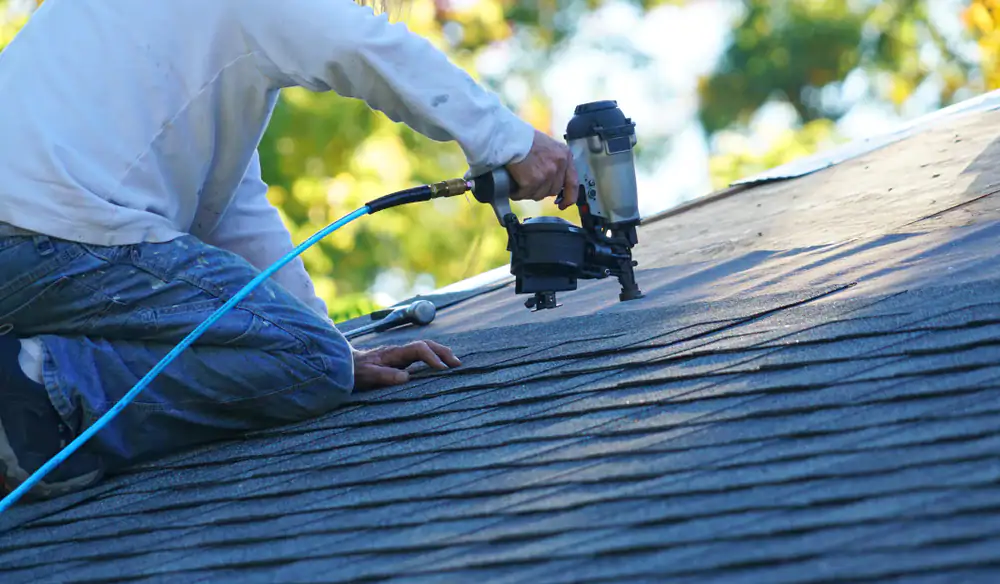
Installation typically takes one to two days once we start. We protect your property, tear off old materials down to the decking, replace any damaged wood, install proper underlayment and flashing, then put on your new roof system. Every ridge cap, drip edge, and roof vent gets installed to manufacturer specs—which is how we maintain our warranty coverage and GAF certification.

Ready to get started?
You’re getting a complete roof system, not just shingles slapped over old problems. That includes roof underlayment installation—the waterproof barrier that’s your real protection when wind drives rain sideways. It includes roof flashing installation around chimneys, skylights, and valleys where most leaks start. It includes proper roof ventilation installation so your attic doesn’t turn into an oven that cooks your shingles from underneath.
For commercial roof installation in East Quogue, we’re typically working with flat roof systems like EPDM or TPO membranes. These need different installation techniques than residential roofing—proper drainage slopes, sealed seams, and attachment methods that handle high winds without tearing.
Material choice matters here. Impact-resistant shingles reduce hail damage and often lower your insurance premiums. Standing seam metal roofing in East Quogue handles snow load and sheds ice without the risk of ice dams. Cedar roof installation in East Quogue, NY works for historic properties but requires treatment for salt air exposure. Slate roof installation in East Quogue is rare but we handle it—usually on older homes where matching existing materials matters.
You also get our workmanship warranty. If something goes wrong with the installation, we come back and fix it at no charge. That’s separate from manufacturer warranties on the materials themselves, which we’ll walk you through based on what you choose.
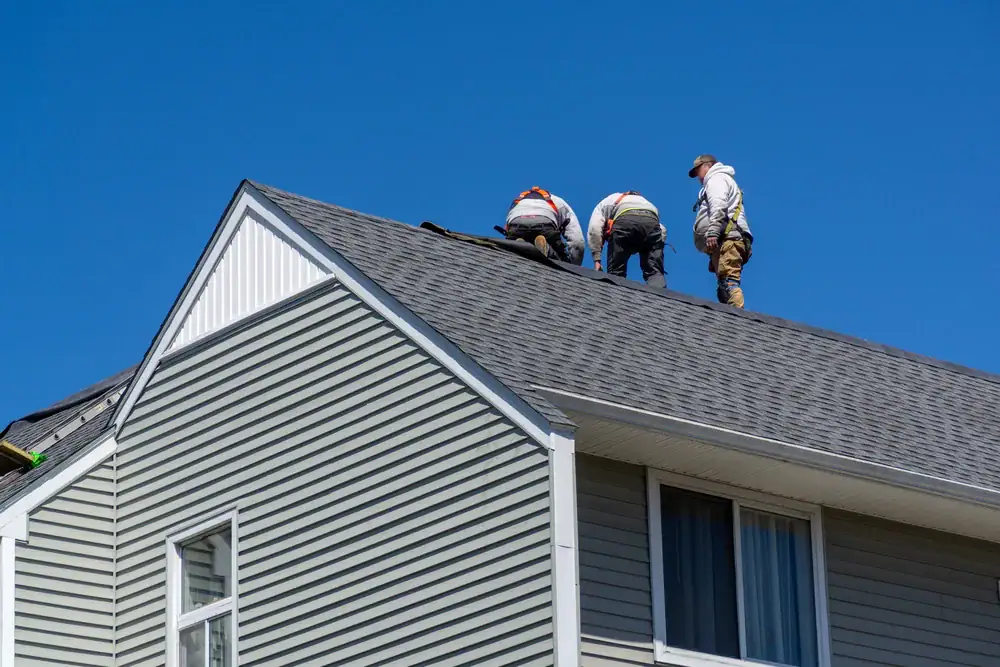
Most residential roof installations take one to two days once we start work. That timeline assumes normal weather and a typical single-family home.
The actual schedule depends on your roof’s complexity. A simple ranch with one layer of shingles goes faster than a two-story colonial with multiple valleys, dormers, and two layers of old roofing to remove. We also slow down if we find decking damage that needs repair—which happens more often on coastal properties where moisture has been getting in.
Weather delays are real here. We don’t install in rain or high winds, and we won’t start a tear-off if the forecast shows storms before we can get your roof closed in. That’s not us being picky—it’s protecting your home from water damage during the vulnerable phase when old roofing is off but new isn’t fully installed yet.
Asphalt shingles rated for high wind resistance work well here if installed correctly. Look for shingles rated for 110+ mph winds, which is what nor’easters can hit. Architectural shingles hold up better than three-tab because they’re thicker and heavier.
Metal roofing is gaining ground in coastal areas. Standing seam metal roofs handle wind extremely well because there are no exposed fasteners to pull out. They shed snow and ice, don’t absorb water, and last 50+ years. The upfront cost is higher, but you’re likely never re-roofing again.
For flat or low-slope sections, EPDM rubber roofing handles ponding water and temperature swings without cracking. TPO is another option that reflects heat better, which helps in summer. Both need proper installation—seams are the weak point, and coastal wind will find any gaps.
What doesn’t work well: cheap shingles that aren’t rated for wind, any installation that skips proper underlayment or uses too few fasteners, and DIY repairs that void manufacturer warranties. Suffolk County weather is too harsh for shortcuts.
Yes. Southampton Town requires building permits for roof replacement. We handle the permit process as part of our service.
The permit ensures your roof meets current building codes, which have gotten stricter after Hurricane Sandy. Inspectors check that underlayment is installed correctly, flashing is done right, and ventilation meets code. This protects you—it means the work is done to standards that insurance companies and future buyers expect.
Some contractors skip permits to save time or avoid inspection. That’s a red flag. If something goes wrong later, your insurance can deny claims on unpermitted work. When you sell, buyers’ inspectors will ask for permit records, and missing permits can kill deals or force you to discount your price.
Permit costs are minimal compared to the protection they provide. And having permitted, inspected work means you have documentation that your roof was installed correctly—which matters when you’re filing insurance claims after storm damage.
Residential roof installation in East Quogue typically runs $8,000 to $25,000+ depending on size, materials, and complexity. That’s for complete tear-off and replacement, not just a repair.
Asphalt shingle roofs are the lower end of that range. Metal roofing costs more upfront—often 2-3x the price of asphalt—but lasts twice as long and needs almost no maintenance. Slate and cedar are premium options that cost even more but match historic home styles.
Your actual cost depends on roof size (measured in squares—each square is 100 square feet), how many layers need removal, whether decking needs repair, and how complex your roof design is. A simple ranch costs less per square than a Victorian with multiple roof lines, dormers, and valleys.
We don’t give quotes over the phone because too many variables affect pricing. We need to see your roof, measure it, check the decking condition, and understand what you’re trying to accomplish. Then we give you a detailed written estimate that breaks down materials, labor, and timeline so you know exactly what you’re paying for.
Sometimes, but we usually don’t recommend it. Building code allows up to two layers of asphalt shingles in most cases, but layering over creates problems.
First, you’re adding weight. Your roof structure was designed for a certain load, and doubling up on shingles—especially if you’re going from three-tab to heavier architectural shingles—can exceed that. Second, you’re trapping any moisture or damage that’s already there. If your decking has soft spots or your existing shingles have moisture underneath, covering them doesn’t fix the problem—it hides it until it gets worse.
Third, layering over voids most manufacturer warranties. Shingle warranties assume installation on clean decking with proper underlayment. When you skip tear-off, manufacturers won’t cover defects. That’s a big deal on a 25- or 30-year warranty.
The only time layering makes sense is if your existing roof is in good shape, you’re on a tight budget, and you understand you’re getting a shorter lifespan. For most East Quogue homes dealing with coastal weather, tear-off to the decking is the right call. It lets us inspect the structure, replace damaged wood, install proper underlayment, and give you a roof system that’s actually warrantied.
We don’t start tear-off if rain is forecast before we can get your roof closed in. That’s the most important protection—timing the job so we’re not leaving your home exposed.
If unexpected weather hits during installation, we have tarps and can cover exposed areas quickly. Modern underlayment is waterproof, so once that’s down, your home is protected even if final shingles aren’t on yet. The vulnerable window is between tear-off and underlayment installation, which is why we work fast and watch forecasts closely.
For multi-day jobs, we make sure you’re weathertight at the end of each day. That might mean we complete one section fully before starting another, rather than tearing off your entire roof at once. It takes slightly longer, but it means you’re never exposed overnight.
Suffolk County weather is unpredictable. Afternoon thunderstorms pop up in summer. Nor’easters can intensify faster than forecast. We build buffer time into schedules and we don’t gamble with your home’s interior. If conditions aren’t right, we wait—even if it pushes the timeline back a day or two.
Other Services we provide in East Quogue