
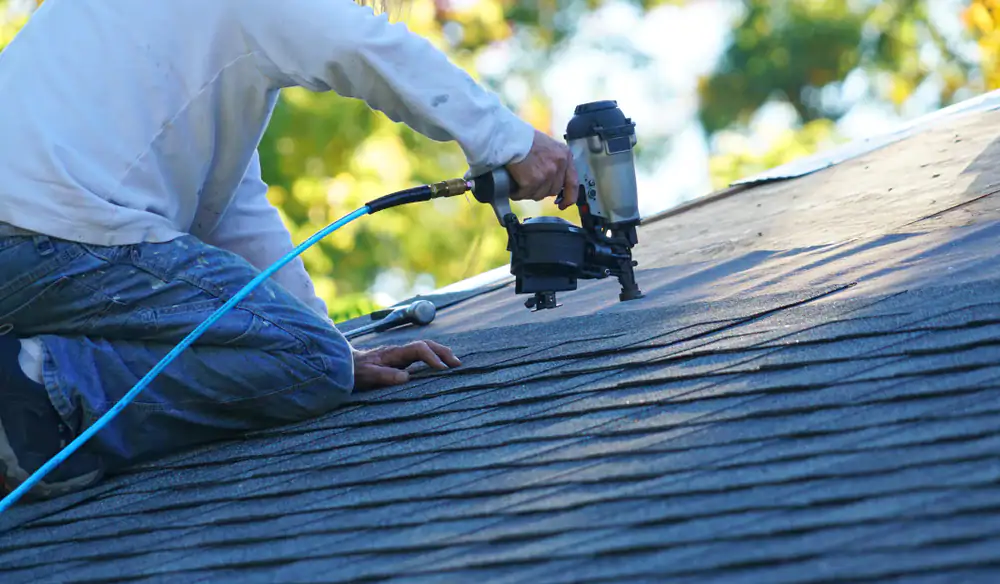
Hear from Our Customers

Your energy bills drop because the house actually holds temperature now. No more cranking the heat in winter or blasting AC all summer just to stay comfortable.
You stop worrying every time the forecast shows a nor’easter rolling in. The roof handles it—wind, rain, ice—without you losing sleep or scrambling for buckets.
When it’s time to sell, buyers see a new roof and assume you’ve taken care of everything else too. That’s worth 60-70% of what you spent, sometimes more depending on the market. But more than ROI, you get years of not thinking about your roof at all. It just works.
SkyLuxe Construction is a family business that’s been handling exterior work across Suffolk County for years. We’re not a franchise or a crew that shows up once and disappears. We live here, work here, and our reputation depends on every roof we install.
Our crews are trained in-house. We don’t subcontract your job to whoever’s available that week. When we say we’re installing your roof, we mean our people—the ones who know how coastal weather tears up cheap work and why Long Island roofs need specific materials and methods.
You’ll see us around Stony Brook University long after your installation is done. That matters when you have a question three years from now or need warranty work. We’re still here.

We start with a full inspection of your current roof—deck, flashing, ventilation, the whole structure. You get a detailed estimate that breaks down materials, labor, timeline, and what we’re actually doing. No surprises later.
Once we schedule your installation, we do a complete tear-off. Everything comes off down to the deck because leaving old layers traps moisture and causes problems you’ll pay for later. We inspect the deck for damage, replace any bad sections, then install new underlayment, flashing, drip edge, and your roofing material—whether that’s asphalt shingles, metal roofing, EPDM, or flat roofing systems.
Most residential roof installations in Stony Brook University finish in one to two days, weather permitting. We handle permits, coordinate inspections, and clean up completely when we’re done. You’re left with a roof that’s built to handle Long Island’s weather for decades, not just the next few seasons.

Ready to get started?
You’re getting a complete roofing system, not just shingles slapped over old problems. That means proper ventilation so your attic doesn’t turn into an oven in summer or trap moisture in winter. It means flashing that’s sealed correctly around chimneys, skylights, and valleys—the spots where most leaks start.
For Stony Brook University homes, we typically recommend architectural asphalt shingles with algae resistance because they handle Suffolk County’s coastal climate without breaking down from salt air. If you’re looking at metal roof installation—standing seam, steel, or tin—we’ll walk you through how that performs in high winds and whether it makes sense for your house and budget.
Flat roofs and low-slope commercial buildings need different systems entirely. EPDM rubber roofing works well here because it’s flexible, handles temperature swings, and doesn’t crack under Long Island’s freeze-thaw cycles. We also install TPO and modified bitumen depending on your building’s needs. Every installation includes ridge caps, proper underlayment, and ice-and-water shield in vulnerable areas. You get a 50-year warranty on GAF products and 25-year stain protection against algae. We back our labor, too—if something’s wrong with the installation, we fix it.
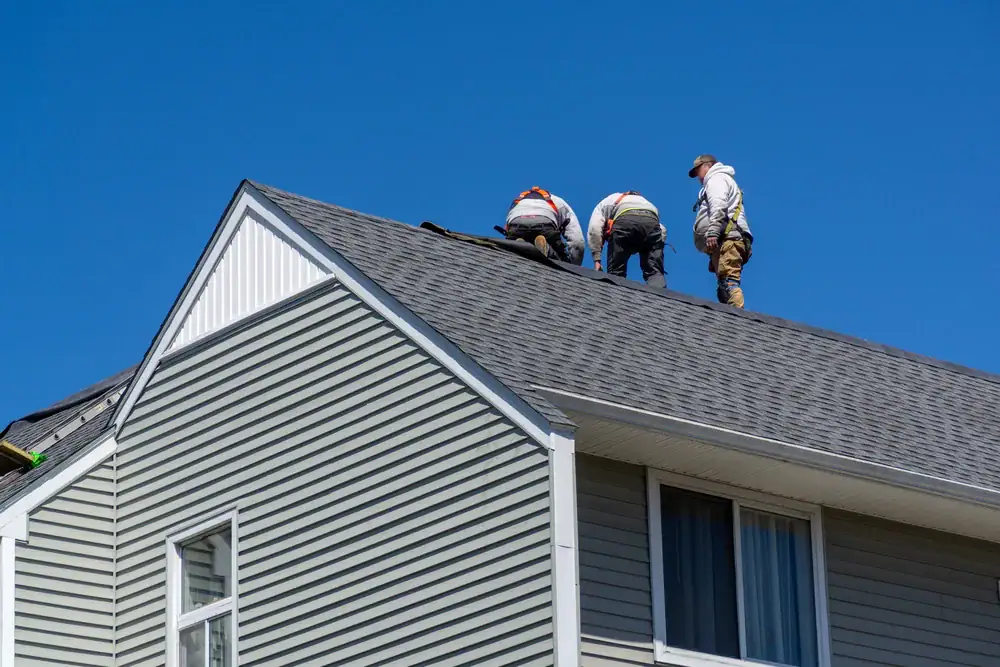
Most residential roof installations in Stony Brook University run between $15,000 and $35,000 depending on size, materials, and roof complexity. A standard asphalt shingle roof on a 2,000-square-foot house usually lands in the $18,000-$25,000 range.
Metal roof installation costs more upfront—sometimes 50-70% more than asphalt—but lasts twice as long and handles wind better. If you’re in a flood zone or near the coast, that durability matters. Flat roof installation and commercial roofing projects price differently because they’re calculated per square foot and depend heavily on the membrane type and existing roof condition.
The real cost isn’t just the install. It’s what you avoid spending later—emergency repairs during storms, energy bills from poor ventilation, and the headache of dealing with contractors who don’t show up when something goes wrong. You’re also looking at 60-70% ROI when you sell, which offsets a big chunk of the investment.
Most residential roof installations finish in one to two days if weather cooperates. We’re talking full tear-off, deck inspection, and complete installation of underlayment, flashing, and your roofing material.
Larger homes, complex roof lines with multiple valleys and dormers, or jobs that need significant deck repair take longer—sometimes three to four days. Commercial roof installation and flat roofing projects stretch out more because the systems are different and require more prep work and curing time.
Weather delays happen. Long Island storms roll in fast, and we’re not installing your roof in the rain or high wind. That’s not us being slow—it’s making sure the materials seal properly and your roof actually performs the way it’s supposed to. We’ll give you a realistic timeline upfront and keep you updated if anything changes.
Architectural asphalt shingles with algae resistance work best for most Stony Brook University homes. They handle Long Island’s coastal weather—salt air, nor’easters, summer heat—without breaking down fast, and they’re cost-effective for the performance you get.
Metal roofing is the upgrade if you want maximum wind resistance and longevity. Standing seam metal roofs handle hurricane-force winds better than shingles and last 50+ years with minimal maintenance. Steel and tin roof installation costs more upfront, but you’re not replacing it in 20 years like you would with asphalt.
If you’ve got a flat roof or low-slope section, EPDM rubber roofing or TPO membranes are your best options. They’re flexible, handle freeze-thaw cycles without cracking, and don’t pool water the way older built-up roofs do. Cedar shakes and slate look great but need more maintenance in coastal environments—salt accelerates wear, and repairs get expensive. We’ll walk you through what makes sense for your house, your budget, and how long you’re planning to stay.
If your roof is over 20 years old, has multiple leaks, or shows widespread damage—curling shingles, missing granules, sagging sections—you need a full replacement. Repairs just buy you a little time before the next problem pops up.
Isolated damage from a recent storm or a small leak around flashing might only need repair work. But here’s the thing: in Suffolk County’s harsh climate, small problems spread fast. A $500 flashing repair now prevents a $5,000 structural nightmare later when water gets into your walls and deck.
If you’re seeing daylight through your roof boards, noticing water stains on your ceiling, or finding shingle granules in your gutters, get an inspection before deciding. We’ll tell you honestly whether a repair makes sense or if you’re just postponing the inevitable. Sometimes patching works. Often, especially with older roofs, you’re better off installing a new roof and getting decades of protection instead of limping along with bandaid fixes.
Yes, if your current roof has poor ventilation or inadequate insulation. Modern roofing systems with proper ventilation can cut energy costs by up to 25%—that’s a few hundred dollars a year depending on your house size and how much you’re currently spending.
The savings come from your attic not turning into a heat trap in summer or leaking warm air in winter. Proper ridge vents, soffit vents, and underlayment with reflective properties keep your HVAC system from working overtime. Your house holds temperature better, so you’re not constantly adjusting the thermostat.
Metal roofing reflects more heat than asphalt, which helps in summer but doesn’t make as much difference in winter. The real energy efficiency comes from the full system—ventilation, insulation, and proper installation. If your current roof was installed without adequate airflow or with cheap materials, you’re losing money every month. A new roof installation fixes that, and the energy savings compound over time. You’ll notice the difference in your first summer and winter after installation.
Yes. We’re fully licensed and insured in New York, and every crew member is covered under our insurance. That protects you if something goes wrong during installation—accidents happen, and you shouldn’t be liable for them.
We’re also GAF-certified, which means we’ve met their training and quality standards for installation. That certification matters because it qualifies you for extended manufacturer warranties you wouldn’t get otherwise. GAF is the top roofing manufacturer in North America, and their 50-year warranties only apply when certified contractors do the install.
We pull all necessary permits and coordinate inspections with local building departments. Suffolk County has specific codes for coastal construction—wind ratings, flashing requirements, underlayment standards—and we know what inspectors are looking for. You’re not dealing with that yourself or hoping everything passes. We handle it, document it, and make sure your roof installation meets every requirement so there are no issues down the road.
Other Services we provide in Stony Brook University