
Hear from Our Customers
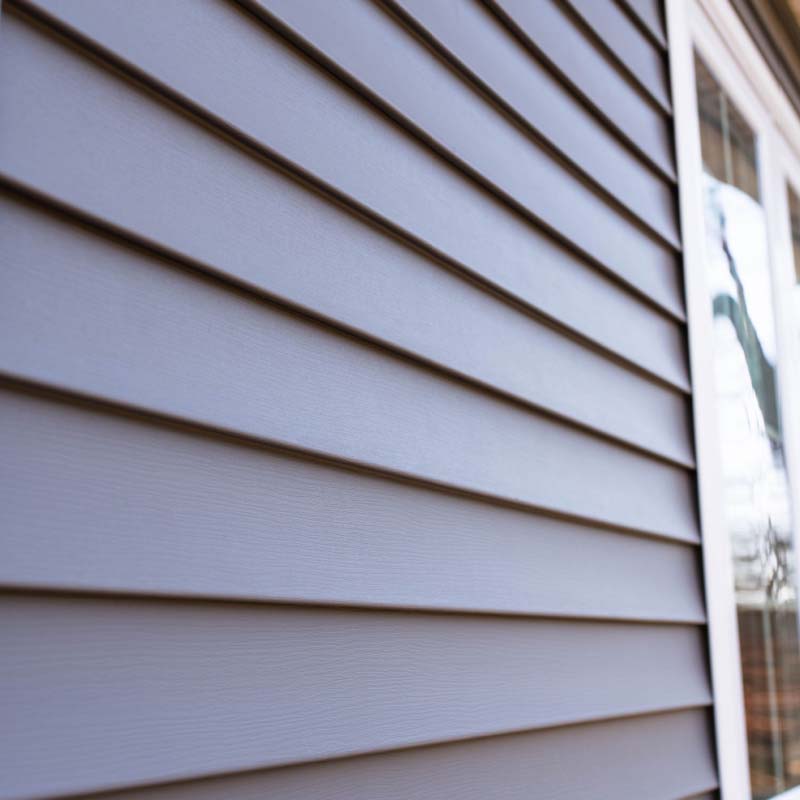
When your siding works the way it should, water stays outside. Your heating bill drops because air isn’t leaking through gaps. The house looks sharp, and you’re not dealing with surprise rot or mold behind the walls.
That’s what happens when the job’s done right. Not just nailed up fast, but installed with proper flashing, sealed seams, and materials that can handle Suffolk County’s weather without falling apart in five years.
You get a home that’s easier to maintain, cheaper to heat and cool, and protected against the kind of damage that sneaks up on you when corners get cut. If you’re going to invest in new siding, it should actually solve problems—not create new ones down the road.
We’ve been working on homes across Suffolk County for over 35 years. We’re a family-run company, and we’ve seen what happens when siding isn’t installed correctly—especially after major storms roll through Aquebogue and the North Fork.
We’ve worked on more than 2,000 exterior projects in this area. We know what Long Island weather does to homes, and we know how to protect yours against it. Every job gets personal oversight from our family, not a rotating crew you’ll never see again.
You’re hiring people who live here, work here, and have to stand behind what we do. That matters when you’re trusting someone with a major investment in your home.
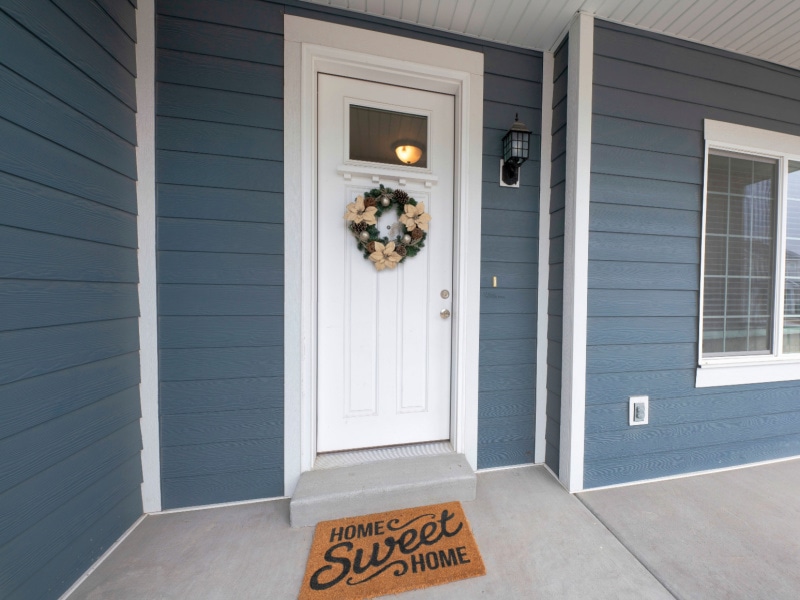
First, we come out and inspect your current siding. We’re looking for hidden damage, water intrusion, and anything that’s going to cause problems if it’s not addressed before new siding goes up. You get a clear explanation of what we find—no pressure, no upselling.
Once you’re ready to move forward, we handle the permit process with Suffolk County. Then we order materials that are actually rated for coastal conditions, not the cheapest option that’ll need replacing in a few years.
Installation typically takes a few days depending on your home’s size. We remove old siding carefully, inspect and repair the substrate if needed, install proper moisture barriers and flashing, then put up your new siding with attention to every seam and corner. When we’re done, you get a final walkthrough and a warranty that covers both our work and the materials. If something comes up later, we come back and fix it.

Ready to get started?
You’re getting siding that’s engineered to withstand winds up to 110 mph—that’s Category 3 hurricane conditions. In Aquebogue, where coastal storms are a regular occurrence, that’s not overkill. It’s necessary.
The installation includes proper waterproofing at every vulnerable point: around windows, doors, corners, and anywhere two materials meet. Water intrusion is what destroys homes from the inside out, and it’s where most contractors cut corners. We don’t.
You also get insulation improvements that can trim 10-15% off your heating and cooling costs. That adds up over time, especially in homes with older siding that’s been leaking air for years. And because Suffolk County requires permits for siding replacement, we handle that entire process so you’re not dealing with inspections and paperwork yourself.
The work comes with a comprehensive warranty covering both installation and materials. If something goes wrong, we fix it at no charge. You’re also working with a licensed, insured contractor who’s been serving this community for decades—not a fly-by-night crew that disappears after the check clears.

Most siding projects in Aquebogue take between three to seven days, depending on your home’s size and complexity. A straightforward ranch might be done in three days. A larger colonial with multiple stories, dormers, or detailed trim work will take closer to a week.
Weather can affect the timeline, especially during spring and fall when coastal storms roll through more frequently. We don’t rush through rain or high winds because proper installation requires dry conditions for adhesives and sealants to cure correctly.
The permit and inspection process adds time on the front and back end. Suffolk County requires permits for siding replacement, and there’s typically a mid-point and final inspection. We handle all of that, but it means the project isn’t truly complete until the final sign-off. Most homeowners find the timeline reasonable once they understand what’s actually involved in doing the job right.
Fiber cement and high-quality vinyl are your best options for Aquebogue’s coastal environment. Fiber cement is extremely durable, resists salt air corrosion, won’t rot, and holds up to impact from wind-blown debris during storms. It’s heavier and costs more upfront, but it lasts 30-50 years with minimal maintenance.
Premium vinyl siding rated for high winds (look for products tested to 110+ mph) is also excellent here. Modern vinyl doesn’t crack in cold weather like older versions did, it won’t rot or attract insects, and it requires almost no maintenance beyond occasional washing. The key is using contractor-grade vinyl, not the thin stuff that warps and fades.
Wood siding looks beautiful but requires significant maintenance in our climate—regular painting, sealing, and inspection for rot. Salt air accelerates deterioration. If you love the look of wood, fiber cement can mimic it without the upkeep. Whatever material you choose, proper installation with correct flashing and moisture barriers matters more than the siding itself. The best material in the world fails if it’s installed poorly.
Siding replacement in Aquebogue typically runs between $12,000 and $25,000 for most homes, but that range varies significantly based on your home’s size, the material you choose, and how much prep work is needed. A 1,500 square foot ranch with vinyl siding might come in around $12,000-$15,000. A larger two-story colonial with fiber cement could easily reach $25,000-$30,000 or more.
The price includes materials, labor, permits, waste removal, and warranty coverage. If we find rot or structural damage when we remove your old siding, that adds to the cost—but it’s damage that needs fixing regardless, and it’s better to address it now than let it get worse.
Cheaper quotes usually mean corners are being cut somewhere: thinner materials, no moisture barriers, improper flashing, or unlicensed crews. You’ll pay for those shortcuts later in energy bills, water damage, and premature replacement. Given that siding protects your entire home and typically lasts 20-30 years, the difference between a cheap job and a quality installation is worth it. We provide detailed estimates that break down exactly what you’re paying for, so there’s no confusion about where your money goes.
Yes. Suffolk County requires building permits for siding replacement, along with inspections during and after the work. This isn’t optional, and it’s not just bureaucracy—the permit process ensures the work meets code requirements that protect your home’s structural integrity and energy efficiency.
A licensed contractor handles the permit application, schedules inspections, and makes sure everything passes. If you hire someone who wants to skip permits to save money or time, you’re taking on significant risk. Unpermitted work can cause problems when you sell your home, and your insurance might not cover damage related to unpermitted construction.
The inspection process typically includes a mid-point check to verify proper installation of moisture barriers and flashing, then a final inspection once siding is complete. These checkpoints catch problems before they’re hidden behind finished siding. Yes, it adds a few days to the timeline, but it’s protection for you. We build permit costs and inspection scheduling into every project, so you don’t have to think about it.
You’re looking for soft spots, discoloration, peeling paint, or warping—but the tricky part is that serious water damage often hides behind siding that looks fine from the outside. By the time you see obvious exterior damage, the problem has usually been going on for a while.
Inside your home, check for water stains on walls or ceilings near exterior walls, musty odors, or peeling paint and wallpaper. In the attic, look for dark staining on the underside of roof sheathing near where walls meet the roofline. In the basement, check the top of foundation walls for moisture or efflorescence (white chalky deposits).
The most reliable way to know what’s happening behind your siding is to have someone who knows what to look for inspect it properly. We check vulnerable areas like window and door trim, corners, and anywhere different materials meet—that’s where water gets in. During a free inspection, we can often spot warning signs that homeowners miss. If there’s damage, we’ll show you exactly what we’re seeing and what it’ll take to fix it. If your siding is fine, we’ll tell you that too. The inspection costs you nothing, and it gives you real information about what’s going on with your home.
If storm damage happens to siding we installed, you’re covered by our workmanship warranty. We come back, assess the damage, and repair or replace affected areas at no charge if the damage resulted from installation issues. That warranty typically covers you for several years, depending on the specific terms we discuss during your estimate.
For damage caused by extreme weather events beyond normal wear and tear—like a tree falling on your house or debris impact during a hurricane—that’s generally an insurance claim. We can work directly with your insurance company, provide documentation of the damage, and handle the repair work once the claim is approved.
The key difference is this: siding installed correctly should handle normal Suffolk County weather, including strong winds, heavy rain, and nor’easters, without failing. If it doesn’t, that’s on us. But no siding can withstand a direct hit from a falling tree or flying debris during a major storm—that’s what homeowners insurance covers. Either way, you’re not left figuring it out alone. We walk you through the process, whether it’s a warranty issue or an insurance claim, and we get your home protected again as quickly as possible.
Other Services we provide in Aquebogue