
Hear from Our Customers
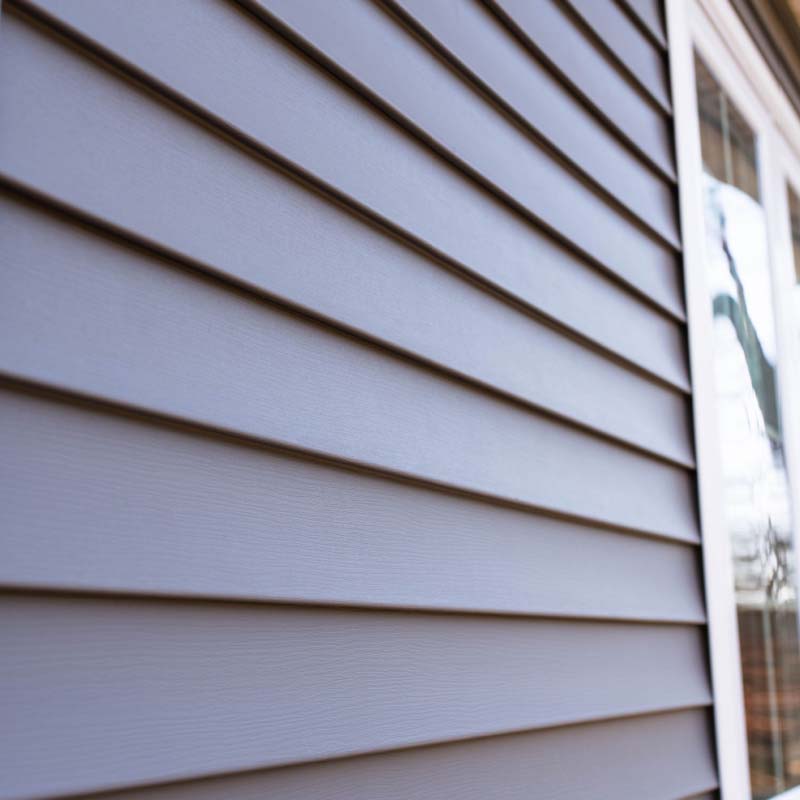
Your energy bills drop. Not by magic, but because gaps get sealed and insulation works the way it should. Most Belle Terre homeowners see 10-15% reductions in heating and cooling costs after an upgrade that’s done right.
Storm damage stops being a recurring nightmare. When panels are installed to withstand winds up to 110 mph and backed by 50-year hail warranties, you’re not scrambling for tarps every time a nor’easter rolls through Suffolk County.
Your home looks better, sure. But more importantly, it holds value. Real estate agents will tell you that updated siding attracts stronger offers and faster closings. That matters in a market where properties range from $710,000 to well over $2 million.
SkyLuxe Construction is a family-run operation with decades of combined experience in Suffolk County. We’re not the biggest name you’ll find, and we’re fine with that. What we are is local, licensed, and focused on exterior work that lasts.
Belle Terre’s coastal location creates specific challenges. Salt air corrodes cheap materials. Temperature swings cause expansion and contraction that poorly installed siding can’t handle. We’ve seen what happens when out-of-town contractors underestimate Long Island’s climate.
We specialize in siding, roofing, gutters, and chimney work for homeowners who expect quality. No upselling. No shortcuts. Just straightforward work done by people who’ve been in the construction business long enough to know what actually matters.
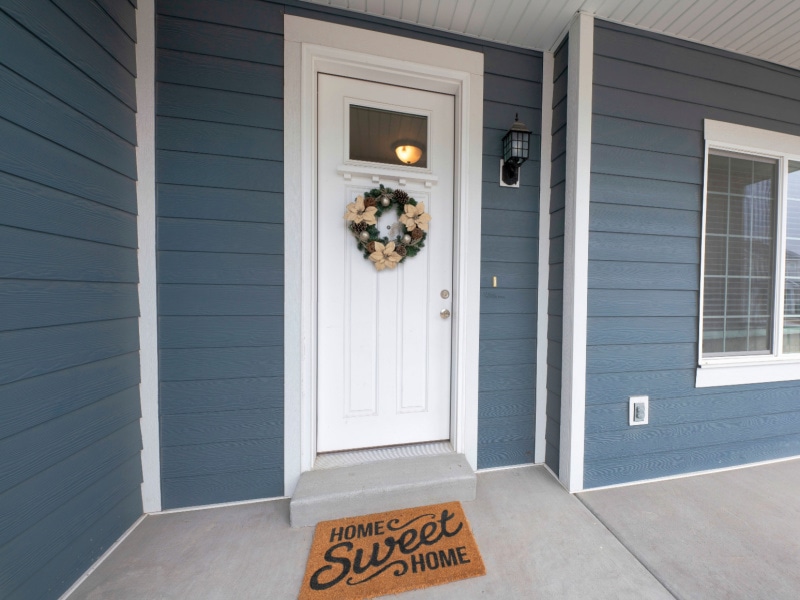
First, we inspect your current siding and look for the real problems. Water damage, rot, improper installation from previous contractors. You get a transparent assessment, not a sales pitch.
Next comes material selection. We walk you through options that make sense for coastal properties: fiber cement, premium vinyl, or other products rated for high winds and salt exposure. You’ll see warranty details, maintenance requirements, and realistic timelines.
Installation follows manufacturer specs and local building codes. That means proper moisture barriers, correct fastening patterns, and attention to flashing around windows and doors. These details determine whether your siding lasts 15 years or 50.
After completion, you get documentation for warranties and insurance purposes. We also explain what to watch for during the first year and what maintenance (if any) your specific material requires. Most homeowners are surprised how little upkeep quality siding actually needs.

Ready to get started?
You’re getting a full exterior assessment, not just a quote for panels. We check your substrate, moisture barriers, trim, and any existing damage that needs addressing before new siding goes up.
Material selection matters more on Long Island than most places. Suffolk County has experienced 45 hurricanes since 1930. We only recommend products that come with legitimate wind resistance ratings and warranties that actually mean something. Royal Building Products, for example, offers 50-year hail coverage and limited lifetime warranties when installed by certified contractors.
Installation includes proper flashing, moisture management, and attention to thermal expansion. Belle Terre’s temperature swings demand materials and methods that accommodate movement without cracking or buckling. We also coordinate color choices with current trends—deep blues and charcoals are popular in 2025, especially in coastal neighborhoods.
The final walkthrough covers maintenance expectations and warranty registration. You’ll know exactly what’s covered, for how long, and what (if anything) you need to do to keep that coverage active.

Most full siding replacements take four to six days for an average-sized home. That timeline assumes normal weather and no major structural repairs.
If we find rot or water damage during removal, that adds time. Same goes for intricate trim work or multiple stories with complex angles. We’ll know more after the initial inspection, but we’re not going to give you a three-week estimate for a job that takes five days.
Weather delays happen. We don’t install siding in heavy rain or freezing temperatures because it compromises adhesion and proper fastening. If a nor’easter rolls through mid-project, we secure everything and resume when conditions allow.
Fiber cement and premium vinyl are your best options for salt air and high humidity. Both resist moisture, won’t rot, and hold up to the wind speeds you get during coastal storms.
Fiber cement costs more upfront but offers superior durability and fire resistance. It’s also heavier, which means it stays put during high winds. Vinyl is lighter, more affordable, and comes with excellent warranties if you choose contractor-grade products—not the thin stuff from big-box stores.
Wood siding looks great but requires constant maintenance in Suffolk County’s climate. Salt air accelerates deterioration, and moisture creates rot issues faster than most homeowners expect. If you love the look of wood, fiber cement can replicate it without the upkeep headaches.
Yes, but the amount depends on your current situation. If your existing siding has gaps, missing insulation, or air leaks, you’ll see noticeable savings. Most homeowners report 10-15% reductions in heating and cooling costs.
The energy efficiency comes from proper installation, not just the material itself. We install moisture barriers and ensure tight seals around windows, doors, and corners. Those details prevent conditioned air from escaping and outside air from infiltrating.
Return on investment typically hits 74-80% according to industry data. That factors in both energy savings and increased property value. In Belle Terre’s real estate market, updated exterior finishes directly impact buyer interest and offer amounts.
Storm damage from wind or hail is usually covered, but you need to understand your deductible and depreciation policy. A 2% wind deductible on a $400,000 home means you’re paying the first $8,000 before insurance contributes anything.
Actual Cash Value policies factor in depreciation, which can cut your payout by 30-50%. If your siding is 15 years old, the adjuster values it at current worth, not replacement cost. Replacement Cost Value policies pay for new materials regardless of age, but premiums run higher.
Document everything before filing a claim. Take photos of damage from multiple angles, note the date, and get a professional assessment. We can provide detailed reports that help with insurance claims, including material specifications and installation requirements that meet code.
Widespread warping, bubbling, or loose panels across multiple sections means replacement. If damage is isolated to one area from a fallen branch or specific impact, repair might work.
Water stains on interior walls, peeling paint inside your home, or musty odors indicate moisture penetration. That’s not a surface problem. It means water has been getting behind your siding for weeks or months, potentially causing structural damage that requires full removal to assess and fix.
Increasing energy bills combined with visible gaps or cracks suggest your siding no longer provides adequate insulation or weather protection. At that point, patching becomes expensive and temporary. Replacement gives you modern materials with proper warranties and energy efficiency that actually reduces monthly costs.
Yes, Suffolk County requires building permits for siding replacement. The permit process ensures work meets local building codes and energy requirements.
We handle permit applications as part of our service. That includes submitting plans, scheduling inspections, and ensuring everything passes code review. Skipping permits might save money short-term, but it creates problems when you sell or file insurance claims.
Belle Terre has specific requirements for coastal properties, including wind resistance ratings and moisture management standards. Licensed contractors know these requirements. Unlicensed crews often don’t, which leads to failed inspections and costly rework.
Other Services we provide in Belle Terre