
Hear from Our Customers
When your siding fails, water doesn’t announce itself. It shows up as a stain on your living room wall three months after a storm. By then, you’re looking at drywall replacement, potential mold remediation, and an insurance claim that might not cover deferred maintenance.
Proper siding installation in East Islip means understanding how wind-driven rain behaves on Long Island. It means knowing which materials handle salt air without deteriorating. It means installing every panel so water has nowhere to go but down and away from your home.
You’re protecting a significant investment. The median home here sells for $1.4 million, and that value depends partly on how well you’ve maintained the exterior. Good siding does more than look sharp from the curb. It keeps your walls dry, your insulation effective, and your heating bills reasonable through winter.
We’ve worked on over 2,000 exterior projects across Suffolk County since we started as a family business more than 35 years ago. We’ve seen what Hurricane Sandy did to homes without proper coastal installation. We’ve repaired siding that failed because the previous contractor used inland techniques on oceanside properties.
Our team is licensed and insured, and we handle every project ourselves – no random subcontractors showing up at your door. When you call about storm damage on a Tuesday, someone from our family picks up the phone and schedules your estimate.
East Islip homeowners deal with unique conditions. Your property values justify doing exterior work right the first time, and the marine environment punishes shortcuts within a few seasons.
We start with a detailed inspection of your current siding, looking for obvious damage and the hidden problems that cause bigger issues later. We check behind panels where water typically penetrates, examine flashing around windows and doors, and document everything for insurance purposes if you’re filing a claim.
Once you approve the estimate, we pull the necessary Suffolk County permits and order materials designed for coastal conditions. We don’t use the same vinyl siding you’d install in central New York – Long Island demands better impact resistance and UV stability.
Installation starts with proper moisture barriers and flashing systems. Every seam gets sealed correctly. Every panel locks into place with room for thermal expansion. We install insulated vinyl siding with full-profile foam backing, not the cheaper flat foam that leaves gaps and reduces energy efficiency.
The final walkthrough covers warranty details and maintenance guidelines. You get documentation for your homeowner’s insurance and a direct number to call if any issues come up. Most projects finish within a week once we start, depending on your home’s size and the scope of work.

Ready to get started?
Vinyl siding dominates Long Island for good reason. It handles temperature swings, resists salt air corrosion, and doesn’t need repainting every few years like wood. But quality varies dramatically between products, and installation matters more than the material itself.
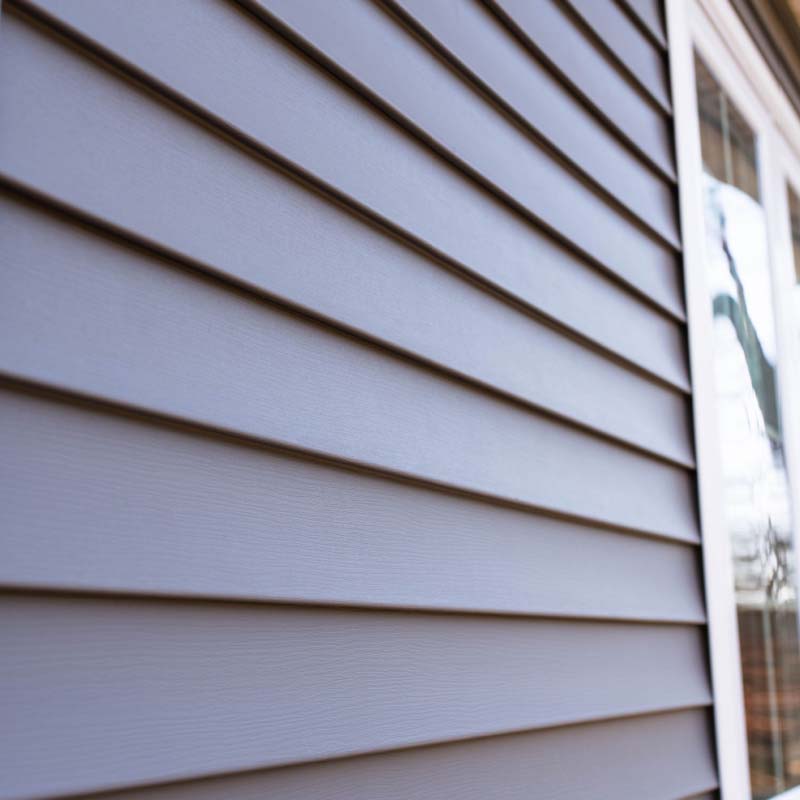
We use insulated vinyl with full-profile foam that covers the entire back of each panel. This provides better impact resistance against hail, improves your home’s insulation value, and prevents the wavy appearance that happens with cheaper foam products. The colors we install most often in East Islip right now are the darker grays and blues that homeowners increasingly prefer over traditional light neutrals.
Storm damage repair is a significant part of what we do here. Nor’easters and summer storms regularly damage siding across Suffolk County, and insurance companies want documentation that proves recent weather caused the problem – not gradual wear you’ve been ignoring. We use industry-standard assessment software that insurance adjusters recognize and respect, which strengthens your claim significantly.
If you’re dealing with emergency damage, we can weatherproof your home the same day and schedule permanent repairs as soon as materials arrive. That typically takes a few days, and it prevents the secondary water damage that insurance companies won’t cover if you wait too long.

Insurance covers sudden damage from storms, hail, fire, or accidents. It doesn’t cover wear and tear, gradual deterioration, or problems caused by deferred maintenance. The key is proving that a recent weather event caused the damage you’re claiming.
That’s where professional documentation matters. When we inspect storm damage, we photograph specific impact points, measure the extent of affected areas, and note conditions that indicate recent failure versus long-term neglect. Insurance adjusters see hundreds of claims, and they know the difference between a panel that blew off during last week’s nor’easter and siding that’s been failing for two years.
Timing matters too. Most policies require you to report damage within a specific timeframe after a storm. If you wait months to file a claim, the insurance company will question whether the storm actually caused it. Call us right after severe weather if you notice any damage – we’ll assess whether you have a legitimate claim before you contact your insurer.
The backing makes the biggest difference. Cheap vinyl siding uses flat foam inserts that don’t cover the entire panel, leaving gaps where the material can flex and warp. Over time, this creates a wavy appearance that looks terrible and reduces the siding’s protective value.
Quality insulated vinyl uses full-profile foam that’s molded to match the panel’s contours exactly. This provides consistent support across the entire surface, better impact resistance, and improved insulation value. It costs more upfront, but it looks better longer and performs better in coastal conditions.
The other major difference is UV stability and impact resistance. Long Island sun is brutal on exterior materials, and cheap vinyl fades noticeably within a few years. The products we install are formulated specifically for coastal environments with higher UV exposure and salt air. They’re also thicker and more impact-resistant, which matters when you’re dealing with hail or wind-blown debris during storms.
Most single-family homes take between five and seven days once we start installation. Larger homes or properties with complex architectural details might take a bit longer. Weather delays happen occasionally – we won’t install siding in heavy rain or extreme cold because it compromises the installation quality.
The timeline starts with your estimate and inspection, which we typically schedule within a few days of your call. Once you approve the work, we pull Suffolk County permits and order materials. Permit approval usually takes a week, and material delivery depends on your color selection – popular colors ship quickly, while custom orders might take two to three weeks.
We’ll give you a specific start date once permits are approved and materials are confirmed. Most of our crews work Monday through Friday, and we clean up thoroughly at the end of each day. You’ll have full access to your home throughout the project, though we ask that you keep windows closed in the areas where we’re working.
Sometimes yes, sometimes no. It depends on how old your current siding is and whether the manufacturer still produces that specific color and profile. Vinyl siding fades over time, especially on south-facing walls with maximum sun exposure, so even if we find the exact product, new panels will look noticeably brighter than your weathered existing siding.
If your siding is less than ten years old and we can source matching material, partial replacement can work well for small damaged areas. We’ll replace full sections rather than trying to patch individual panels, which creates a cleaner look and better weather protection.
For older siding or extensive damage, replacing entire walls or the full house often makes more sense. This ensures consistent color and appearance, and it’s an opportunity to upgrade to better insulated products with improved energy efficiency. We’ll be honest about whether partial replacement will look acceptable or whether you’re better off doing more extensive work.
We address it before installing new siding. There’s no point covering up rot, mold, or compromised sheathing – the problem will just get worse, and you’ll end up paying for the same work twice.
During our initial inspection, we look for signs of water infiltration: soft spots, staining, or visible deterioration. If we find issues, we’ll include sheathing repair or replacement in your estimate. This might involve replacing sections of plywood or OSB, treating any mold growth, and ensuring the moisture barrier system is intact before new siding goes up.
This is actually one of the most important reasons to hire experienced exterior contractors rather than the cheapest bid you can find. Inexperienced crews will cover up problems because addressing them properly takes more time and skill. We’ve repaired too many homes where the previous contractor ignored obvious water damage, and the homeowner ended up with structural issues that cost far more to fix later.
Yes. Siding replacement often exposes issues with gutters, soffits, fascia, and trim that need attention at the same time. We handle all of it, which saves you from coordinating multiple contractors and ensures everything integrates properly.
Gutters and downspouts frequently need replacement when siding does, especially if storm damage affected multiple parts of your exterior. We install properly sized gutter systems that handle Long Island’s heavy rain events without overflowing. Undersized gutters are common in older homes, and they dump water right against your foundation instead of directing it away from the house.
Soffit and fascia work is critical because these areas are where water typically penetrates first. We replace rotted sections, ensure proper ventilation for your attic, and install everything to meet Suffolk County building codes. Doing this work together with siding replacement is more efficient and less expensive than tackling each project separately over several years.
Other Services we provide in East Islip