
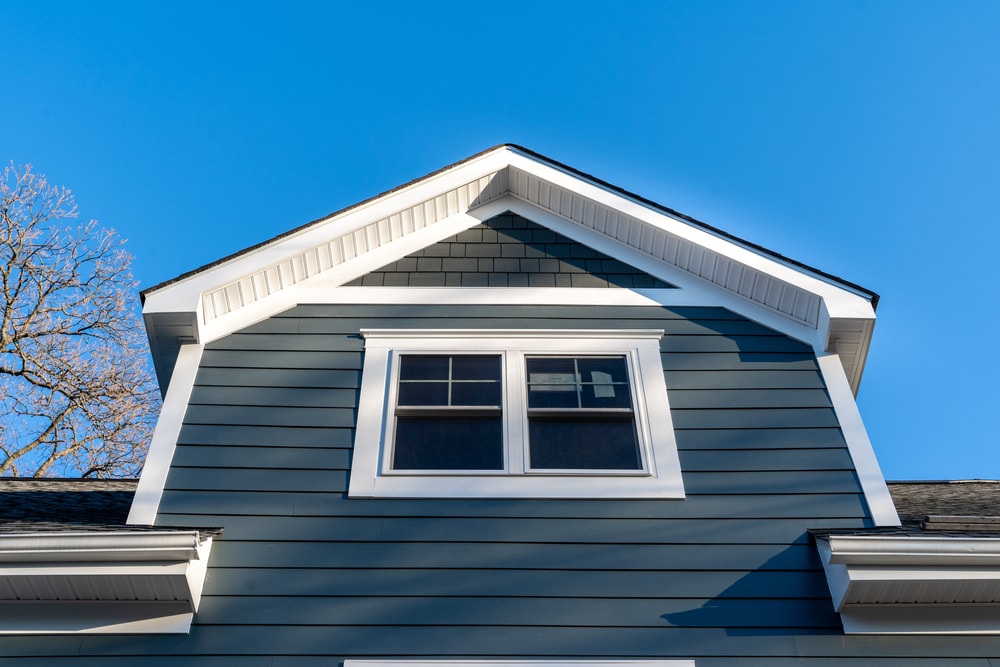
Hear from Our Customers
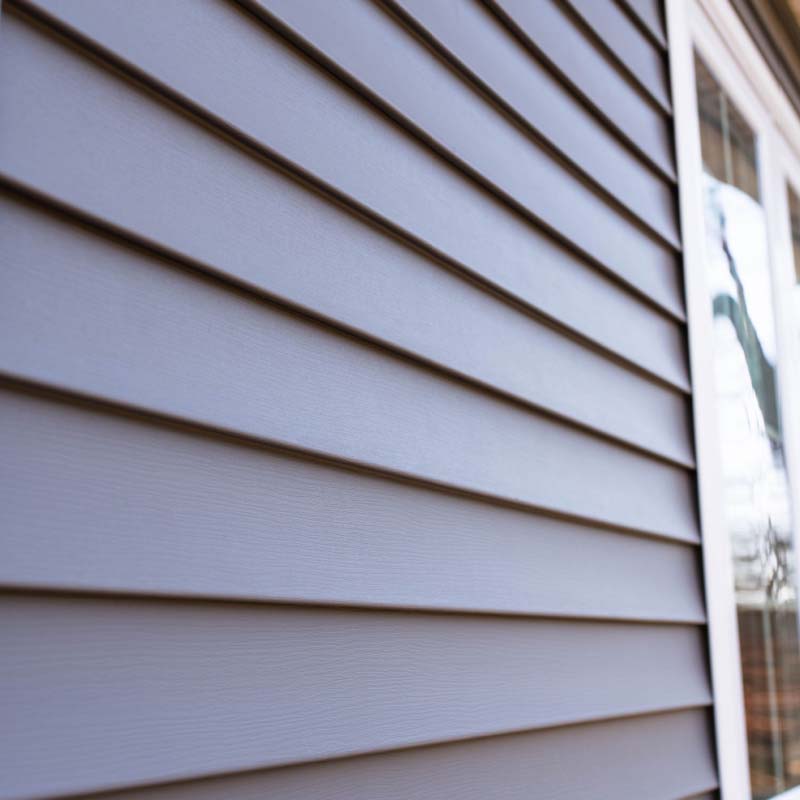
You stop worrying every time a storm rolls in. No more water stains creeping across your interior walls. No more drafts that jack up your heating bill in winter.
Your home looks sharp from the street. The kind of sharp that makes neighbors ask who did the work. More importantly, it stays that way without you climbing a ladder every spring to scrape and repaint.
Energy costs drop because your exterior actually insulates instead of letting air pass through like a screen door. And when you eventually sell, you’re not explaining away peeling paint or soft spots around the windows. You’re showing off an exterior that buyers can see is solid.
That’s what happens when siding is installed right the first time by someone who understands what Great River weather does to homes.
SkyLuxe Construction is a family-owned siding contractor serving Great River and Suffolk County for decades. We’re licensed, insured, and we actually show up when we say we will.
We’ve seen what happens to homes along the coast when contractors cut corners or use materials that can’t handle the salt air. That’s why we only install siding that’s engineered for this exact environment—fiber cement, quality vinyl, and materials that won’t corrode or fade after two seasons.
You’re not getting a crew that disappears halfway through or leaves your yard looking like a construction zone. You’re getting people who live here, understand what your home is up against, and take responsibility for the work from start to finish.
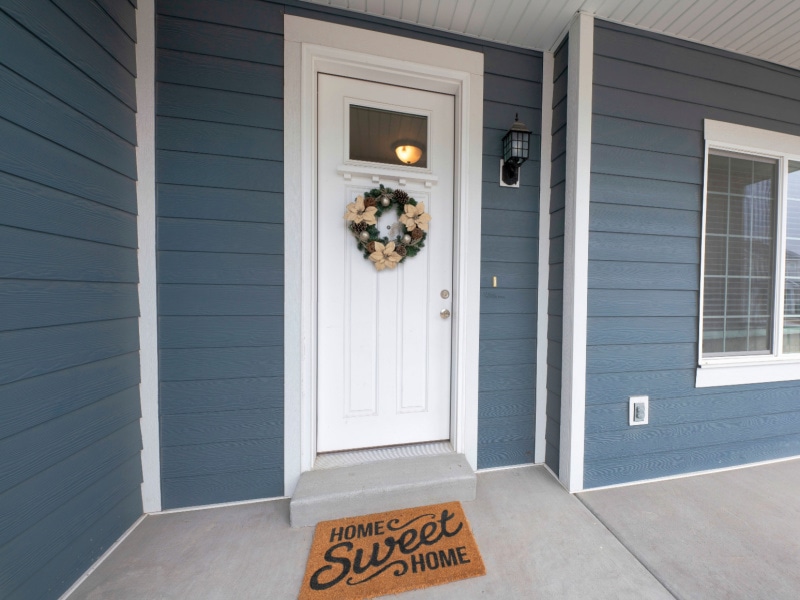
First, we come out and actually look at your home. Not a five-minute glance from the driveway—we’re checking for water damage, rot, insulation issues, and anything else that’ll cause problems down the road if it’s not addressed now.
Then we walk you through your options. Fiber cement if you want maximum durability and fire resistance. Vinyl if you’re looking for low maintenance and solid performance. We explain what each material costs, how long it lasts in coastal conditions, and what kind of maintenance you’re looking at over the next 20 years.
Once you decide, we give you a timeline and a price that doesn’t change unless you change the scope. Our crew shows up on schedule, protects your landscaping, removes the old siding, inspects and repairs the sheathing if needed, and installs your new exterior with proper flashing and ventilation. When we’re done, we walk the property with you to make sure everything’s right. Then we clean up and get out of your way.

Ready to get started?
You’re getting a full exterior evaluation before we touch anything. That means checking your sheathing, flashing, trim, and any areas where water’s been sneaking in. If there’s rot or damage underneath, we fix it before the new siding goes up—not after.
We’re installing materials built for Great River’s weather. That means siding that resists salt corrosion, stands up to hurricane-force winds, and doesn’t fade to nothing after a few Long Island summers. We use proper ventilation techniques to prevent moisture buildup and ice dams, which is critical in this climate.
You also get real cleanup. We haul away all the old material, nails, and debris. Your yard doesn’t become a dumpsite. And if something needs adjustment after installation, we come back. No runaround, no excuses.
Great River homes deal with constant salt exposure and storm surge risk—45 hurricanes have hit Suffolk County since 1930. Your siding needs to be more than decorative. It needs to be a weather barrier that actually works when conditions get rough.

Fiber cement and quality vinyl are your best options here. Fiber cement is the most durable—it won’t rot, warp, or corrode from salt air, and it’s fire-resistant. It also holds paint longer than wood, which matters when UV exposure is constant.
Vinyl siding performs well too, especially newer products with UV inhibitors and impact resistance. It won’t rust or corrode, and it requires almost zero maintenance. The key is making sure it’s installed with proper ventilation and drainage so moisture doesn’t get trapped behind it.
Wood siding looks great but demands regular maintenance in this environment. Salt air accelerates rot and paint failure, so you’re repainting or replacing boards more often. If you go that route, expect to stay on top of it. Most homeowners in Great River choose fiber cement or vinyl because they want protection without the constant upkeep.
For most homes in Great River, you’re looking at $15,000 to $35,000 depending on size, material, and how much prep work is needed. Vinyl is generally the most affordable option. Fiber cement costs more upfront but lasts longer and requires less maintenance over time.
If we find rot or water damage when we remove the old siding, that adds to the cost because it has to be repaired before new material goes up. Homes near the water often have more underlying damage due to moisture and salt exposure, so it’s not uncommon to discover issues once the old siding comes off.
We give you a detailed quote after the inspection so there are no surprises. The price includes materials, labor, removal of old siding, any necessary repairs to sheathing, and full cleanup. If you’re financing, we can walk you through options. Most homeowners recover 80-88% of the cost when they sell, so it’s one of the better ROI improvements you can make.
Most homes take one to two weeks from start to finish. Smaller homes or straightforward replacements can be done faster. Larger homes or projects that involve significant repairs to the underlying structure take longer.
Weather plays a role too. We can’t install siding in heavy rain or freezing temperatures, and coastal storms can delay progress. We’ll give you a realistic timeline upfront and keep you updated if anything changes.
During the project, your home is weatherproofed at the end of each day so you’re never left exposed overnight. We work efficiently, but we don’t rush through critical steps like flashing and sealing. Those details are what prevent water intrusion and callbacks down the road. You’d rather have it done right than done fast.
It depends on what’s causing the damage. If it’s just cosmetic fading on vinyl, you might be fine for a while longer. But if you’re seeing cracks, warping, or soft spots, that’s a sign water is getting behind the siding and damaging the sheathing underneath.
Peeling paint, bubbling, or interior water stains are red flags. Those mean moisture has breached your exterior and is causing rot or mold inside your walls. At that point, patching a few boards won’t solve the problem—you need to address the whole system before the damage spreads.
We can assess whether a repair makes sense or if you’re better off replacing it now before you’re dealing with structural issues. In Great River’s climate, once water gets in, it moves fast. Coastal humidity and salt air accelerate rot, so small problems become expensive ones quickly if you wait too long.
Yes, if your current siding is old or poorly insulated. New siding with proper insulation backing reduces heat transfer, which means your HVAC system doesn’t have to work as hard to maintain temperature. That’s especially noticeable in summer when the sun is beating down on your exterior all day.
Fiber cement and insulated vinyl both improve your home’s thermal performance. You’ll see the biggest difference if your existing siding has gaps, cracks, or no insulation behind it. Homes built in the 1970s—which is common in Great River—often lack adequate exterior insulation by today’s standards.
The U.S. Department of Energy confirms that exterior improvements like siding and insulation significantly reduce utility costs. You’re not going to cut your bill in half, but a 10-20% reduction is realistic depending on your home’s current condition. Over 20 years, that adds up. And you’ll notice fewer drafts and more consistent indoor temperatures right away.
Yes, and you should never hire someone who isn’t. Licensed contractors in Suffolk County have met specific requirements and carry insurance that protects you if something goes wrong during the project. If an unlicensed contractor damages your property or gets injured on your property, you could be held liable.
Ask to see proof of both licensing and insurance before signing anything. A legitimate siding contractor will provide it without hesitation. If someone dodges the question or says they’re “working on it,” walk away.
We’re licensed and insured in Suffolk County, and we’ve been doing this long enough to know that shortcuts always cost more in the end. You want a contractor who’s accountable, who pulls permits when required, and who stands behind their work. That’s not optional in this business—it’s the baseline.
Other Services we provide in Great River