
Hear from Our Customers
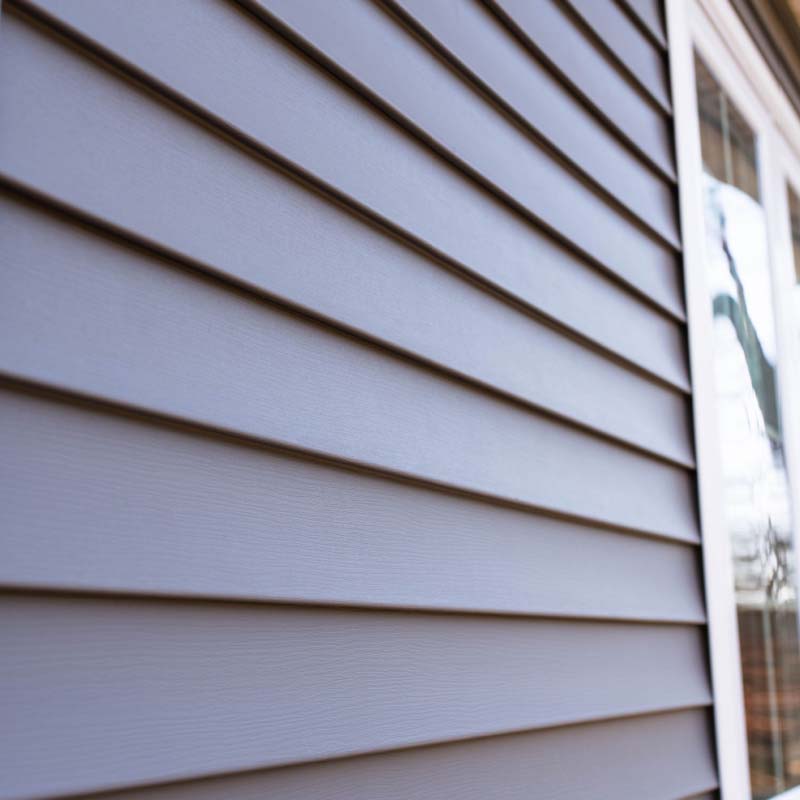
Your siding takes a beating in Greenport. Salt air from the harbor accelerates cracking and fading. Nor’easters bring sustained winds that loosen panels. Summer storms deliver hail that chips and dents.
When panels fail, water gets into your walls within hours. That’s when you’re looking at structural damage that costs thousands more than the siding itself.
The right siding installation stops that cycle. You get materials engineered for coastal exposure. Proper flashing that redirects water away from vulnerable spots. Installation techniques that account for temperature swings and wind pressure. Your walls stay dry, your energy bills drop, and you’re not repainting or replacing every few years.
That’s what matters when you own property in one of New York’s most expensive real estate markets. Protection that actually protects.
We’ve worked on over 2,000 exterior projects across Suffolk County since we started as a family business 35 years ago. We’ve seen what Hurricane Sandy did to homes here. We’ve repaired damage from dozens of nor’easters. We know exactly how coastal weather attacks your siding.
Greenport’s housing stock is older than most places—lots of pre-WWII architecture that needs specialized knowledge. You can’t just slap vinyl on a 1920s home and call it done. The substrate matters. The flashing details matter. The way you handle trim and corners matters.
We’re not a crew that shows up, quotes you, then disappears. You’re working with a licensed, insured siding contractor who’s been serving Greenport homeowners long enough to have a reputation worth protecting.
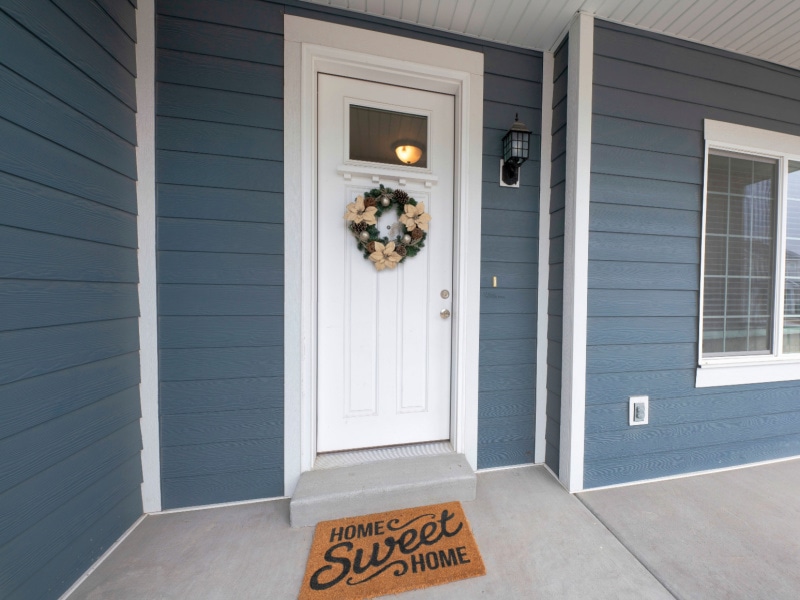
We start with a free inspection of your current siding. You’ll see exactly what’s failing, where water could get in, and what your options are. No pressure, no games—just a clear assessment.
Once you decide to move forward, we walk you through material choices. Vinyl, fiber cement, James Hardie—each has pros and cons for coastal homes. We explain what works best for your specific situation, your budget, and how long you plan to stay in the house.
Installation starts with proper prep. We remove old siding, inspect and repair the substrate if needed, then install weather-resistant barriers and flashing. Every seam gets sealed. Every corner gets detailed correctly. We’re not rushing to the next job.
The timeline depends on your home’s size and complexity, but most installations take one to two weeks. You’ll know the schedule upfront, and we stick to it unless weather forces a delay.
Final walkthrough happens with you present. We show you what we did, answer any questions, and make sure you’re completely satisfied before we consider the job done.

Ready to get started?
You’re getting materials chosen specifically for Suffolk County coastal conditions. That means siding rated for high wind zones and resistant to salt air corrosion. It means fasteners that won’t rust out in three years. It means proper ventilation so moisture doesn’t get trapped in your walls.
Insulated siding options can boost your wall R-value significantly—some homeowners see energy bills drop by double digits. With New York State rebates and federal tax credits covering up to 30% of costs, the math often makes sense even if your current siding isn’t failing yet.
We handle the full scope: removal of old materials, substrate inspection and repair, installation of weather barriers, new siding installation, trim work, and cleanup. You’re not coordinating multiple contractors or dealing with surprise charges for “unforeseen issues.”
Greenport’s historic homes sometimes need custom trim work or specialized techniques to maintain their character while upgrading performance. We’ve done enough period homes to know how to blend modern materials with traditional aesthetics. Your home looks like it should—just better protected.
Every installation comes with comprehensive warranty coverage on both labor and materials. You’re covered if something goes wrong, period.

Coastal exposure cuts siding lifespan compared to inland locations. Vinyl siding typically lasts 15-20 years here if it’s quality material installed correctly. Cheaper vinyl starts failing in under 10 years—you’ll see warping, fading, and brittleness.
Fiber cement siding like James Hardie performs better in salt air, often lasting 30-50 years. It doesn’t absorb moisture the way wood does, and it won’t corrode like metal. The upfront cost is higher, but the math works out when you factor in fewer replacements.
The installation quality matters as much as the material. Poor flashing, improper fastening, or skipped weather barriers will cut any siding’s lifespan in half. That’s why you want exterior siding contractors who’ve worked in coastal conditions long enough to know what fails and why.
Fiber cement is hard to beat for coastal homes. It won’t rot, it resists salt air corrosion, and it holds paint longer than wood. James Hardie specifically engineers their products for harsh climates, and we’ve seen it perform well in Greenport’s conditions.
Vinyl is the budget option, but you need quality vinyl—not the thin stuff from big box stores. Look for siding with a minimum thickness of .044 inches and a lifetime fade warranty. Cheaper vinyl gets brittle in temperature swings and fades fast in direct sun and salt spray.
Wood siding can work if you’re committed to maintenance. You’re repainting every 5-7 years and watching for rot constantly. Some homeowners with historic properties choose wood to maintain authenticity, but it’s not a low-maintenance choice near the ocean.
Metal siding is durable but can dent from hail, and cheaper options corrode in salt air. If you go metal, you need marine-grade materials with proper coatings.
Most Greenport homes fall in the $15,000-$32,000 range for full siding replacement, depending on size, material choice, and how much substrate repair is needed. Vinyl is the least expensive option. Fiber cement costs more upfront but lasts longer.
If your substrate has water damage or rot, that adds to the cost. We won’t know until we remove the old siding, but homes with older siding often have some level of sheathing damage that needs repair before new siding goes on.
Smaller repair jobs—replacing damaged sections after a storm, fixing a few cracked panels—typically run $800-$3,000 depending on scope. Sometimes repair makes sense. Sometimes you’re better off replacing everything if the existing siding is near the end of its lifespan anyway.
Real estate values in Greenport are among the highest in New York, so the ROI on quality siding is strong. You typically recoup 74-88% of the cost when you sell, plus you get energy savings and fewer maintenance headaches while you own the home.
Yes. We document damage thoroughly with photos and detailed notes that help your claim. We’ve worked with most major insurance carriers on storm damage claims, so we know what they need to see.
After a major storm, you want to get an inspection fast. Water damage gets worse quickly, and insurance companies have deadlines for filing claims. We can usually get someone out within a few days to assess damage and provide documentation.
We work directly with adjusters when needed. Sometimes they lowball the estimate or miss damage that’s not obvious from the ground. Having a licensed siding contractor who can explain what needs repair and why helps get claims approved at fair amounts.
The process typically takes 2-4 weeks from claim filing to approval, then we schedule installation. We can start emergency repairs sooner if water is getting into your walls—you can’t wait weeks with an active leak.
We work with financing partners who specialize in home improvement loans. You can often get approved quickly with competitive rates, and the monthly payment is usually less than you’d expect—sometimes less than the energy savings from insulated siding.
New York State offers rebates for energy-efficient home improvements, and federal tax credits cover up to 30% of qualifying material costs. Those incentives can significantly reduce your out-of-pocket expense. We help you understand what qualifies and how to claim the credits.
Some homeowners use home equity lines of credit since interest rates can be lower and the interest may be tax-deductible. Others prefer personal loans that don’t put their home up as collateral. We’re not financial advisors, but we can walk you through the typical options people use.
The key is not letting cost prevent you from fixing failing siding. Water damage from delayed repairs costs far more than the siding replacement itself. If your siding is actively failing, financing the fix now is almost always cheaper than waiting.
Our schedule varies by season. Spring and fall are our busiest times—everyone wants work done before winter or after storm season. During peak months, you’re typically looking at 3-6 weeks from contract signing to start date.
Winter and early spring often have shorter wait times. Some homeowners assume you can’t install siding in cold weather, but you can as long as temperatures stay above freezing during installation. We’ve done plenty of winter projects without issues.
Emergency repairs after storm damage get priority scheduling. If you have active water intrusion or severe damage that’s getting worse, we’ll get a crew out much faster than normal lead times.
The best approach is to call for an inspection before you urgently need the work. If your siding is 15+ years old or showing signs of failure, get it assessed now while you have time to plan. Waiting until panels are falling off or water is leaking in means you’re at the mercy of our schedule and weather windows.
Other Services we provide in Greenport