
Hear from Our Customers
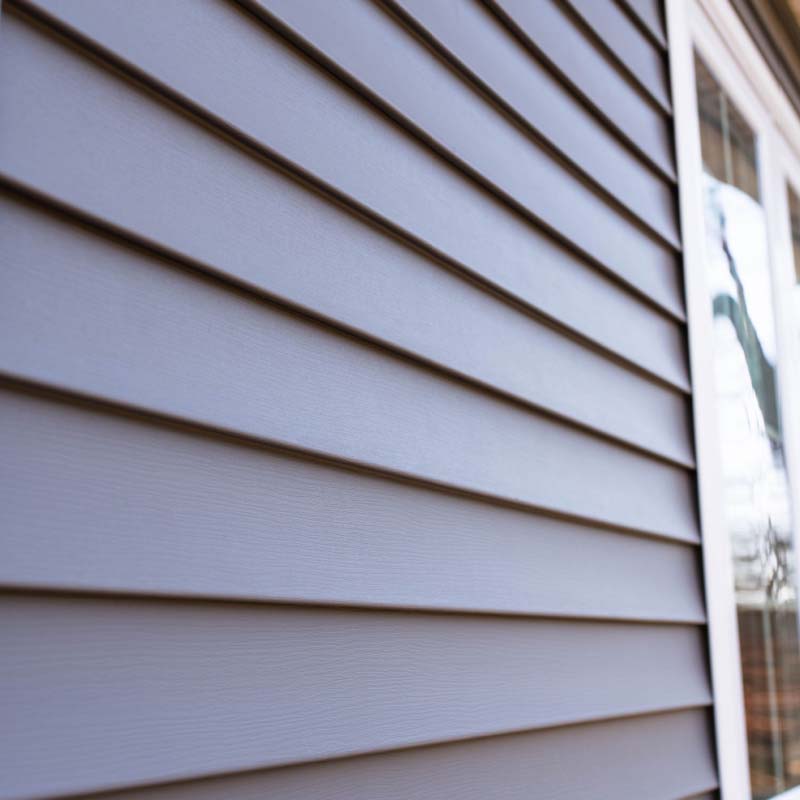
You’re not just covering walls. You’re creating a barrier between your home’s structure and some of the harshest coastal conditions on Long Island.
When siding is installed correctly with materials chosen for Lloyd Harbor’s specific climate, you stop worrying every time a nor’easter rolls in. The salt air that eats through cheaper materials doesn’t penetrate. The wind-driven rain that finds every gap in amateur installations stays outside where it belongs.
Your energy bills drop because the thermal envelope actually works. You’re not heating the outdoors through gaps and poor insulation. The temperature inside stays consistent, your HVAC system doesn’t run constantly, and you see the difference every month.
The real benefit shows up years later when your neighbors are dealing with rot, mold, and structural repairs while your siding still looks and performs like it should. That’s what happens when exterior siding contractors in Lloyd Harbor, NY understand the difference between adequate and correct.
We’ve spent years learning what works on Long Island’s Gold Coast and what fails. We’re a licensed siding contractor in Lloyd Harbor, NY, which means we carry the insurance and credentials that protect you if something goes wrong.
We’ve seen what happens when siding companies in Lloyd Harbor, NY use materials rated for inland climates on waterfront properties. We’ve repaired the damage from installations that ignored proper flashing around windows or skipped corrosion-resistant fasteners. Those mistakes are expensive, and they’re completely avoidable.
Our team knows Lloyd Harbor’s building codes, understands the permitting process, and maintains relationships with local suppliers who stock materials actually designed for coastal environments. You’re not getting a crew that learned siding in Arizona trying to figure out humidity and salt air on your property.
We start with an inspection of your current siding and the structure underneath. You need to know if there’s existing water damage, inadequate sheathing, or structural issues before new siding goes up. Covering problems doesn’t fix them.
Once we know what we’re working with, we walk you through material options that actually make sense for your location. Fiber cement performs differently than vinyl in coastal conditions. Insulated siding costs more upfront but changes your energy bills. We explain the real differences, not sales pitches.
Installation starts with proper preparation. We’re talking weather-resistant barriers, correctly installed flashing, and attention to ventilation that prevents moisture buildup. The siding itself is the visible part, but the layers underneath determine whether it protects your home or just decorates it.
We handle permits, inspections, and coordination so you’re not managing contractors while trying to work and live your life. The timeline depends on your home’s size and the scope of work, but we give you realistic expectations upfront and stick to them.

Ready to get started?
You get materials rated for high-wind coastal zones, not standard residential products that meet minimum code. That means impact resistance when debris flies during storms and fastening systems designed for the wind loads Lloyd Harbor actually experiences.
We use corrosion-resistant fasteners and marine-grade sealants because regular hardware fails in salt air. The flashing around windows, doors, and trim gets done correctly the first time. Water intrusion happens at transitions and penetrations, so that’s where the detail work matters most.
Every installation includes proper ventilation to manage the humidity that comes with being surrounded by water on three sides. Trapped moisture destroys siding from behind, and you won’t see it until the damage is severe. We build in airflow that prevents the problem.
You also get transparent communication throughout the project. When we find something unexpected, you hear about it immediately with photos and clear explanations of what it means and what it costs to address. No surprises at the end, no vague excuses about “unforeseen conditions.”
The Lloyd Harbor market demands quality because your home values demand it. Properties here sell for $2.5 million median, and buyers notice siding that’s failing or installed poorly. We protect your investment because we understand what’s at stake in this specific market.

Fiber cement and high-grade vinyl both perform well here, but for different reasons. Fiber cement handles impact better and doesn’t expand and contract as much with temperature swings. It’s also more resistant to salt air degradation.
High-quality vinyl costs less and still performs well if it’s rated for coastal applications. The key is wall thickness and UV resistance. Cheap vinyl gets brittle and cracks. Marine-grade vinyl with proper UV inhibitors lasts decades.
Insulated vinyl adds an R-value between 2.0 and 4.0, which matters when you’re heating and cooling a large home. Standard siding has an R-value around 0.61, which is basically nothing. The insulation also adds rigidity that helps the siding resist impact during storms. We’ve seen consistently less storm damage on homes with insulated siding compared to traditional materials in the same neighborhoods.
Isolated damage from a recent storm usually means repairs. Widespread issues across multiple walls usually mean replacement. But you need someone to look at what’s happening underneath, not just the surface.
Cracks, warping, and loose panels are obvious signs. Less obvious is moisture penetration that shows up as mold inside your walls or peeling paint on interior surfaces near exterior walls. If your energy bills have climbed without explanation, failing siding could be the cause.
Check around windows and doors first. That’s where water intrusion starts. Look for soft spots, discoloration, or gaps in the caulking. If you can see daylight through seams or feel air movement, water is getting in too. One or two problem areas might be repairable. If you’re finding issues in multiple locations, especially on the sides that face prevailing winds, you’re looking at replacement. The structure behind the siding might need attention too, which is why a proper inspection matters before making decisions.
For a typical Lloyd Harbor home, you’re looking at $15,000 to $40,000+ depending on size, material choice, and what we find when the old siding comes off. Fiber cement costs more than vinyl. Insulated products cost more than standard. Homes with complex architecture cost more than simple rectangles.
Those numbers include proper preparation, quality materials rated for coastal conditions, and installation that meets both code and manufacturer specifications for warranty coverage. They also include permits, inspections, and disposal of old materials.
The lowest bid is rarely the best value here. Siding that fails early costs more to replace than paying for quality installation once. We’ve repaired too many jobs where homeowners saved $5,000 upfront and spent $20,000 fixing problems three years later. The material cost is actually a small part of the total. Labor and proper installation technique make the difference between siding that protects your home and siding that looks good for a few years before failing. Get specific quotes based on your actual home, not estimates based on square footage alone.
Yes. Lloyd Harbor requires building permits for siding replacement, and inspections verify the work meets code. The process isn’t complicated, but it’s required, and skipping it creates problems if you ever sell.
We handle permits as part of the job. We pull them, schedule inspections, and make sure everything passes. You don’t need to visit Town Hall or figure out what forms the building department needs.
The permit process also protects you. It ensures the contractor carries proper insurance and that the work gets inspected by someone other than the crew doing it. If problems show up during inspection, they get fixed before the siding goes up and hides everything. Some contractors avoid permits to save time or because they’re not properly licensed. That’s a red flag. When you sell, the buyer’s attorney will ask for permits on major work. Missing permits mean either getting them retroactively, which is expensive and complicated, or disclosing unpermitted work, which kills deals or reduces your sale price.
Most Lloyd Harbor homes take one to three weeks depending on size and complexity. A straightforward ranch might be done in a week. A larger two-story home with detailed trim work takes closer to three weeks.
Weather affects the timeline since we can’t install in heavy rain or extreme cold. Spring and fall usually offer the most consistent working conditions. Summer works too, but that’s peak season, so scheduling takes longer.
We don’t rush installations to move on to the next job. Proper installation takes the time it takes. Flashing needs to be right. Seams need to align correctly. Fasteners need to hit studs, not just sheathing. Cutting corners to finish faster creates the problems we get called to fix later. We give you a realistic timeline upfront based on your specific home and the scope of work. Then we stick to it unless weather or unexpected structural issues change things. If delays happen, you know immediately with clear explanations of why and what it means for the schedule.
Yes. Storm damage needs immediate attention to prevent water intrusion from causing worse problems inside your walls. We respond within hours during severe weather events to assess damage and provide temporary protection.
Permanent repairs typically happen within 24 to 48 hours once materials are available. If your siding is older or discontinued, matching it perfectly might not be possible. We’ll explain your options clearly, whether that’s close-matching the damaged section or considering replacement if the existing siding is near the end of its lifespan anyway.
Insurance claims require documentation. We photograph damage, provide detailed estimates, and work with adjusters regularly. Most insurance companies have contractors they prefer, but you’re not required to use them. You have the right to choose your contractor. We handle the repair work and provide documentation your insurance company needs to process the claim. The key is getting temporary protection up fast to prevent additional damage, then handling permanent repairs correctly so the problem doesn’t come back next storm.
Other Services we provide in Lloyd Harbor