
Hear from Our Customers
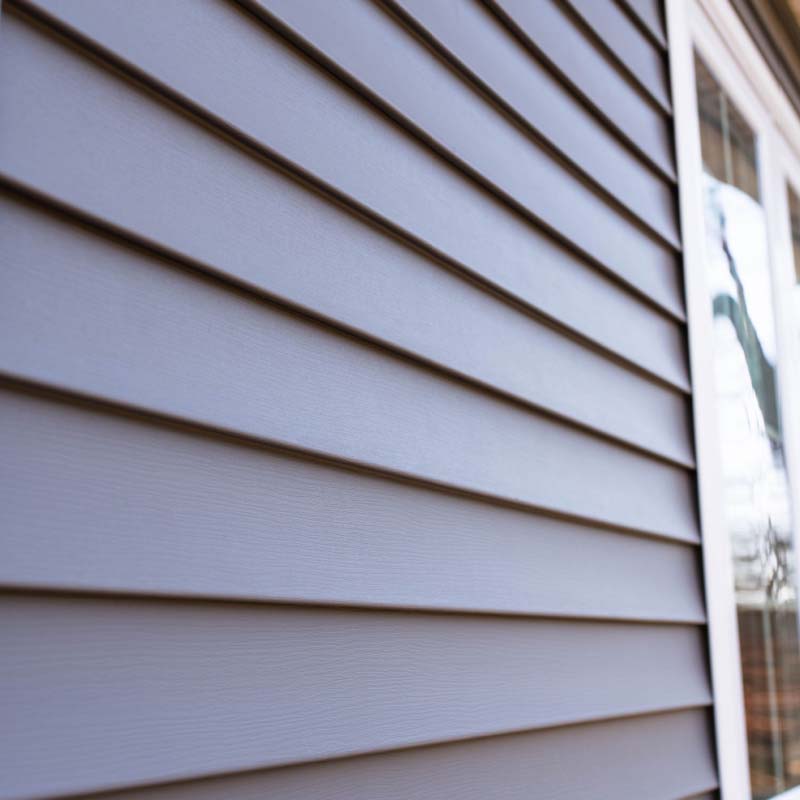
You know what happens when siding fails in coastal weather. Water gets behind the panels. Then you’re dealing with rot, mold, and structural damage that costs thousands to fix.
The right siding does more than look good. It keeps moisture out during driving rain, holds up when winds test every fastener, and doesn’t crack when temperatures swing forty degrees in a day. That’s what matters when you live this close to the water.
When your siding works the way it should, you’re not calling for emergency repairs after every storm. You’re not watching your energy bills climb because air leaks through gaps. You’re not stressing about what’s happening inside your walls. You’ve got a home that’s protected, and you can move on with your life.
We’ve been working in Napeague, NY and throughout Suffolk County long enough to know exactly what coastal weather does to siding. We’ve seen every type of damage Long Island can dish out.
We’re licensed, insured, and we show up when we say we will. Our work is backed by guarantees because we’re not interested in coming back to fix the same problem twice. Most of our business comes from referrals, which tells you what you need to know about how we operate.
This isn’t a corporate operation where you’re dealing with schedulers three states away. We’re local. We understand Suffolk County building codes, permit requirements, and what materials actually last in salt air.
First, we come out and look at what you’ve got. We’ll tell you honestly whether you need repairs or replacement, and how much longer your current siding might last if you’re not ready to move forward yet.
If you decide to go ahead, we walk you through material options that make sense for coastal conditions. Vinyl, fiber cement, cedar—they all perform differently in salt air and high humidity. We explain what works and why, then let you decide based on your budget and how long you plan to stay in the home.
Once we start, we handle permits, coordinate timing around weather, and make sure every component works together. Your siding’s moisture barrier needs to integrate with your roof’s water management system. Gutters need to match your roof’s water volume. When we’re done, everything is sized and installed to protect your home as a complete system.
You’ll know the timeline before we start, and we clean up at the end of every day. Most jobs take a week to ten days depending on the size of your home and whether we run into hidden damage that needs addressing.

Ready to get started?
We handle the full scope. That means removing old siding, inspecting and repairing sheathing if there’s water damage, installing proper moisture barriers rated for coastal exposure, and putting up new siding with fasteners that won’t corrode in salt air.
In Napeague, NY, you’re dealing with conditions that destroy siding faster than almost anywhere else. Nor’easters bring sustained winds. Summer storms deliver hail that cracks vinyl and dents aluminum. Your siding battles salt-laden air year-round. We account for all of that when we spec materials and plan installation details.
You also get transparent pricing up front. Most siding repairs in this area run between $300 and $1,500 depending on the extent of damage. Full replacements vary based on material choice and square footage, but we’ll give you a detailed estimate before any work starts. No surprises, no change orders unless we uncover something neither of us knew was there.
If you’re dealing with storm damage, we move fast. Water doesn’t wait, and neither should repairs. We prioritize emergency calls because a small problem today becomes a major headache by next winter.

If the damage is localized—a few cracked panels from a fallen branch, some loose sections after a windstorm—repair usually makes sense. We can replace individual pieces and match them to your existing siding in most cases.
But if you’re seeing widespread issues, repair stops being cost-effective. Faded siding across the whole house, multiple areas with cracks or warping, or panels that are twenty-plus years old and starting to fail in different spots—that’s when replacement makes more sense. You’ll spend less overall and get better protection.
We’ll assess what you’ve got and tell you honestly which route makes sense. If repairs will buy you five more years and you’re planning to sell soon, we’ll say that. If your siding is failing and repairs are just delaying the inevitable, we’ll tell you that too.
Fiber cement performs exceptionally well in coastal conditions. It doesn’t rot, it’s not affected by salt air, and it handles moisture better than most alternatives. It costs more up front than vinyl, but it lasts longer and holds up to the punishment that comes with living near the water.
Vinyl is the most budget-friendly option and it performs well if it’s properly installed with the right underlayment. The key is using thicker-gauge vinyl and fasteners rated for coastal exposure. Cheap vinyl will crack in temperature swings and pull loose in high winds.
Cedar looks great and lasts 50 to 75 years in Suffolk County if it’s installed correctly with appropriate moisture barriers. It requires more maintenance than fiber cement or vinyl—you’ll need to restain or repaint it periodically—but many homeowners think the look is worth it. We’ll walk you through the maintenance requirements so you know what you’re signing up for.
Most residential siding jobs take between one and two weeks depending on the size of your home and what we find when we remove the old siding. A straightforward replacement on a 1,500 square foot home usually takes about a week. Larger homes or projects where we discover water damage that needs repair will take longer.
Weather affects the timeline too. We can’t install siding in heavy rain or when temperatures drop too low for adhesives and caulking to cure properly. If we’re working in late fall or winter, we build in some buffer time for weather delays.
We’ll give you a realistic timeline before we start, and we’ll keep you updated if anything changes. Most of our clients are surprised by how fast the work moves once we get going. We show up, we work full days, and we don’t drag projects out.
If your current siding has gaps, cracks, or poor insulation behind it, new siding will reduce air leakage and improve your home’s thermal performance. You’ll notice the difference most in rooms that were always drafty or hard to heat and cool.
The energy savings depend on what you’re replacing and what you install. Adding insulated vinyl or installing rigid foam under fiber cement siding creates a better thermal barrier than basic vinyl over old sheathing. We can talk through options that make sense for your budget and how much you’re spending on heating and cooling now.
Don’t expect new siding alone to cut your energy bills in half, but it’s one piece of a more efficient home. Combined with good windows, proper attic insulation, and a well-sealed building envelope, new siding contributes to lower energy costs and a more comfortable interior year-round.
We work with homeowners on insurance claims regularly. After a major storm, we can document the damage, provide a detailed estimate for repairs, and communicate directly with your adjuster if that’s helpful.
The process usually starts with you filing a claim with your insurance company. They’ll send an adjuster to assess the damage. We can meet the adjuster on-site to make sure nothing gets missed—sometimes damage isn’t obvious from the ground, and adjusters appreciate having a contractor there to point out issues.
Once your claim is approved, we handle the repairs according to the scope your insurance company agrees to cover. If we find additional damage during the work that wasn’t included in the original estimate, we document it and work with you and your insurer to get it added. We’ve done this enough times to know how the process works, and we’ll walk you through it.
Full siding replacement in Napeague, NY typically ranges from $11,000 to $20,000 for most homes, depending on size, material choice, and the condition of what’s underneath. Vinyl is the most affordable option at $5 to $9 per square foot installed. Fiber cement runs $7 to $14 per square foot. Cedar costs more, but it lasts longer if you maintain it.
Those ranges include removing old siding, repairing any sheathing damage we find, installing moisture barriers, and putting up new siding with proper fasteners and trim. If your home has complex architecture—lots of corners, multiple stories, or decorative details—that adds labor time and cost.
We’ll give you an exact price after we see your home and understand what you want. The estimate will break down materials, labor, and any additional work like replacing trim or fixing water damage. You’ll know what you’re paying before we start, and we don’t add charges unless we uncover something unexpected that needs addressing.
Other Services we provide in Napeague