
Hear from Our Customers
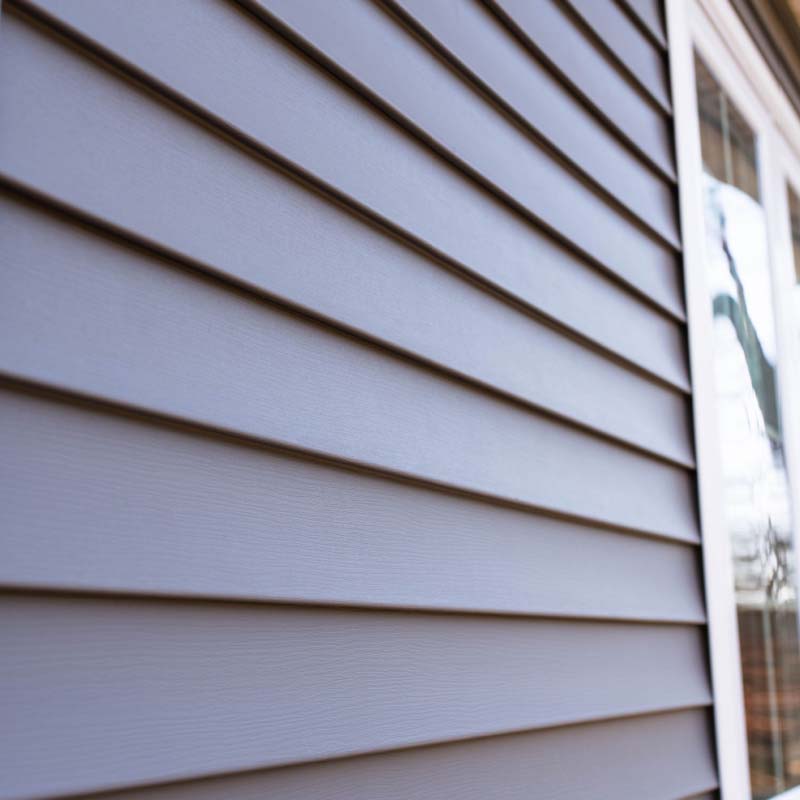
You stop worrying about the next Nor’easter. Your energy bills drop because your home isn’t leaking conditioned air through cracked or warped panels. You’re not repainting every few years or scraping off chalky residue that won’t hold color.
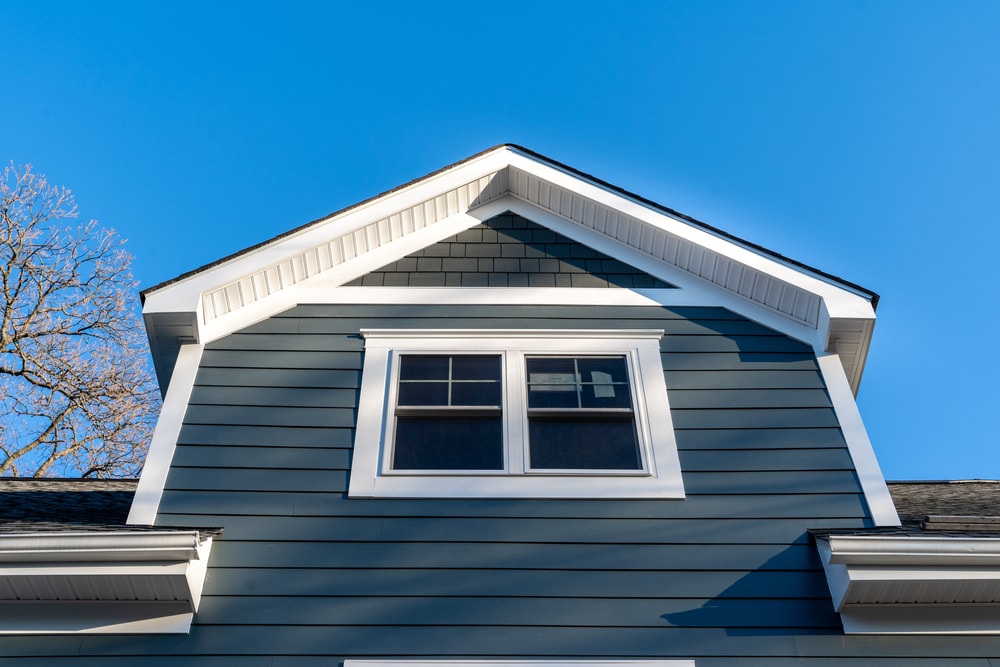
Your home looks sharp again. Not just for a season, but for years. And when you eventually sell, buyers notice the difference between fresh, professionally installed siding and the weathered, patched-up exterior on the house next door.
The right siding system does more than cover your walls. It keeps moisture out, prevents mold growth inside your walls, and protects your investment from the kind of damage that compounds over time if you ignore it.
SkyLuxe Construction is a family-owned company that specializes in exterior work across Suffolk County. We’ve handled enough coastal homes to know what fails and what holds up when the weather turns.
Poquott sits right on the water, which means your siding faces salt air, high winds, and moisture that most inland homes never deal with. We’ve seen what happens when contractors use the wrong materials or rush the install. You end up with callbacks, water damage, and a system that fails in five years instead of lasting twenty.
We use materials rated for coastal conditions and install them correctly the first time. No shortcuts. No surprises halfway through the job.
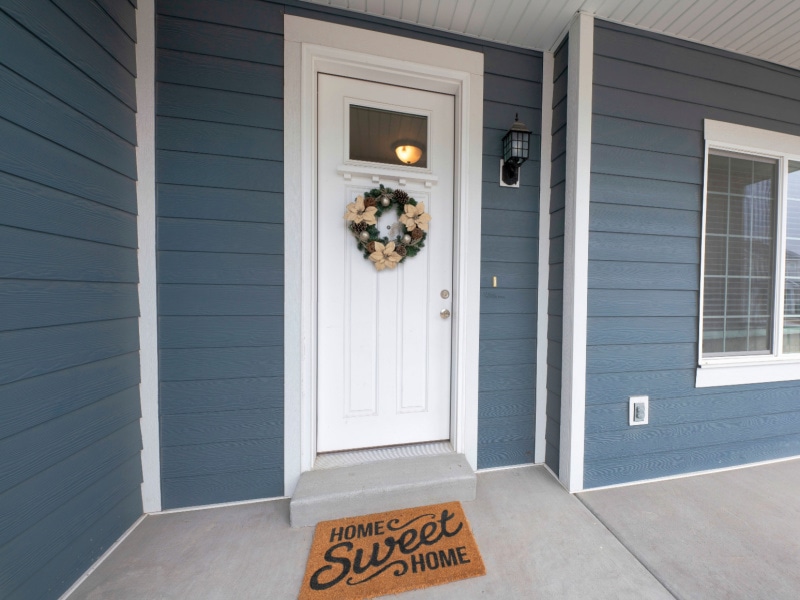
We start with an inspection of your current siding. We’re looking for moisture damage, structural issues, and whether your sheathing needs attention before new panels go up. If there’s rot or mold, you need to know before we cover it.
Once we’ve assessed the scope, we walk you through material options. Fiber cement holds up best in coastal areas but costs more upfront. Insulated vinyl offers solid performance and better energy efficiency than standard vinyl. We’ll explain the differences so you can make an informed decision based on your budget and how long you plan to stay in the home.
Installation starts with proper prep work. We remove old siding, inspect and repair sheathing, install a weather-resistant barrier, and then hang your new panels with correct fastening techniques and expansion gaps. Corners, trim, and flashing get sealed properly to prevent water intrusion.
The job typically takes one to two weeks depending on your home’s size and complexity. We clean up daily and protect your landscaping throughout the process.

Ready to get started?
You get a full exterior assessment before we quote the job. We’re checking for hidden damage that could affect cost or timeline. You’ll know what you’re dealing with upfront.
Material selection comes with honest guidance. In Poquott, you’re dealing with homes that range from beach bungalows to Victorian-era properties. The right siding depends on your home’s style, your maintenance tolerance, and how much weather exposure your walls get. We don’t push the most expensive option. We recommend what makes sense for your situation.
Installation includes proper moisture barriers, flashing around windows and doors, and attention to ventilation so your walls can breathe. Coastal homes trap moisture if the system isn’t designed correctly. We’ve seen too many homes with mold issues because someone skipped steps to save time.
You also get cleanup and disposal of old materials. We’re not leaving debris in your yard or expecting you to haul away torn-off siding. And if we find structural issues during removal, we’ll address them before moving forward so you’re not dealing with problems down the road.

Fiber cement and insulated vinyl are your best options for coastal areas like Poquott. Fiber cement is the most durable choice. It won’t rot, warp, or crack from moisture, and it’s rated to withstand winds over 110 mph, which matters when you’re dealing with hurricanes and Nor’easters that hit Long Island regularly.
Insulated vinyl performs well too, especially if you want better energy efficiency without the higher cost of fiber cement. It holds up to salt air better than standard vinyl and provides an extra layer of insulation that helps with temperature regulation year-round.
Standard vinyl is the budget option, but it fades faster in coastal UV exposure and can crack in extreme cold. If you’re planning to stay in your home long-term, spending more upfront on fiber cement or insulated vinyl saves you money on repainting, repairs, and energy costs over the next 20 years.
If you’re seeing widespread issues across multiple walls, replacement makes more sense than patching. Look for warping, cracks in several areas, or sections where the siding has pulled away from the house. These are signs the system is failing, not just one damaged panel.
Moisture damage is another indicator. If you’ve got mold, soft spots, or rot underneath when you pull back a panel, the problem goes deeper than the surface. Replacing a few boards won’t fix underlying moisture intrusion that’s already compromising your sheathing.
Energy bills that keep climbing can also point to siding failure. When your exterior envelope isn’t sealed properly, your HVAC system works harder to maintain temperature. If your bills have jumped and you’ve ruled out other causes, failing siding could be the reason. A full inspection will tell you whether spot repairs buy you a few more years or if you’re better off replacing now before the damage spreads.
Most residential siding projects in Poquott take one to two weeks from start to finish. Smaller homes or single-story structures can be done in a week. Larger homes, especially two-story Victorians or properties with complex trim work, take closer to two weeks.
Weather can extend the timeline. We don’t install siding in heavy rain or high winds because moisture behind the panels causes problems later. If we’re working during storm season, we build in buffer time so you’re not left with exposed walls if we have to pause for weather.
Prep work also affects timing. If we find rot or structural damage when we remove your old siding, we need to address that before moving forward. It’s better to spend an extra few days fixing the underlying issue than to cover it up and deal with bigger problems a year from now. We’ll keep you updated if anything changes the schedule so you’re not left guessing when the job will wrap.
It can, especially if your current siding is old, damaged, or poorly installed. Insulated vinyl siding adds an R-value of around 2 to 4, which helps regulate indoor temperature and reduces the load on your heating and cooling system. You’ll notice the difference most in extreme weather when your HVAC isn’t running constantly to compensate for air leaks.
Fiber cement doesn’t offer built-in insulation, but when we install it with a proper weather barrier and seal it correctly, it creates a tighter envelope that prevents drafts and moisture intrusion. The energy savings come from eliminating gaps where conditioned air escapes.
How much you save depends on your current situation. If your existing siding has cracks, gaps, or missing sections, you’re losing a lot of energy. Homeowners in that situation often see noticeable drops in their utility bills after replacement. If your current siding is in decent shape but outdated, the savings will be more modest. Either way, better insulation and a sealed exterior pay off over time, especially with Long Island’s temperature swings and humidity.
Yes. Suffolk County requires contractors to be licensed for exterior work, and you want someone who’s insured in case something goes wrong during the project. A licensed siding contractor knows local building codes, permit requirements, and the specific challenges of working in coastal areas like Poquott.
Unlicensed contractors might offer a lower price, but you’re taking on significant risk. If the work isn’t done to code, you could face issues when you sell your home or file an insurance claim after storm damage. And if someone gets hurt on your property during the job, you could be liable if they’re not properly insured.
Licensing also means the contractor has met minimum standards for experience and knowledge. It’s not a guarantee of quality, but it’s a baseline that protects you legally and ensures the work meets local standards. Always ask to see proof of licensing and insurance before signing a contract, and verify it directly with the issuing authority if you have any doubts.
We stop and assess the extent of the damage before moving forward. If there’s rot in the sheathing or framing, we need to replace those sections before installing new siding. Covering up structural damage leads to bigger problems down the road, including mold growth and compromised wall integrity.
We’ll walk you through what we found, explain what needs to be repaired, and give you a revised estimate if the scope has changed. Most of the time, damage is localized to areas where water has been getting in, like around windows or at the roofline. It’s not usually a full-home issue, but it does need to be addressed.
The good news is that catching this damage now prevents more expensive repairs later. Rot spreads. Mold gets worse. If we find it during siding removal, you’re dealing with it at the right time, before it compromises more of your home’s structure. We’ll handle the repairs as part of the project so everything is solid before your new siding goes up.
Other Services we provide in Poquott