
Hear from Our Customers
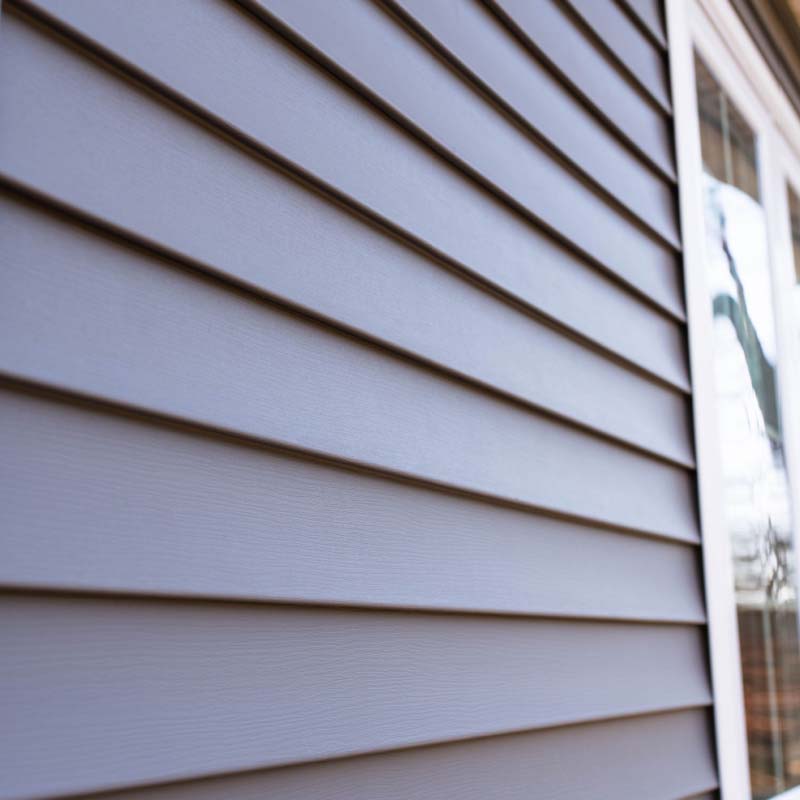
Your siding does more than look good. It’s what keeps moisture out, energy costs down, and your home’s value climbing.
When it’s installed right, you’ll notice the difference on your next utility bill. Insulated siding helps regulate indoor temperatures year-round, which means your HVAC doesn’t work overtime. For most Long Island homeowners, that’s around $900 saved annually—money that stays in your pocket instead of leaking through your walls.
You’ll also see it when storm season hits. Properly installed fiber cement or vinyl siding stands up to nor’easters and wind-driven rain without warping, cracking, or letting water sneak behind your walls. That’s the kind of protection that prevents the $5,000 to $10,000 moisture damage repairs that come from ignoring the problem too long.
And if you’re thinking about resale, siding replacement consistently delivers one of the highest returns in home improvement—between 74% and 88% depending on the material. Many homes in Suffolk County see resale price increases of $15,000 to $30,000 after a quality siding job.
We’ve spent years working on homes across Suffolk County. We’ve seen what holds up and what fails when Long Island weather gets serious.
We’re licensed, insured, and we pull the permits that matter. Every crew member knows how to handle coastal installs—the kind where details like flashing, drainage planes, and fastener placement make or break the job.
Quiogue homeowners deal with unique challenges. Homes here sit close to salt air, which corrodes cheaper materials fast. The median property value in this area is over $1 million, so you’re not looking for the bargain-bin option. You want something that protects your investment and looks sharp doing it.
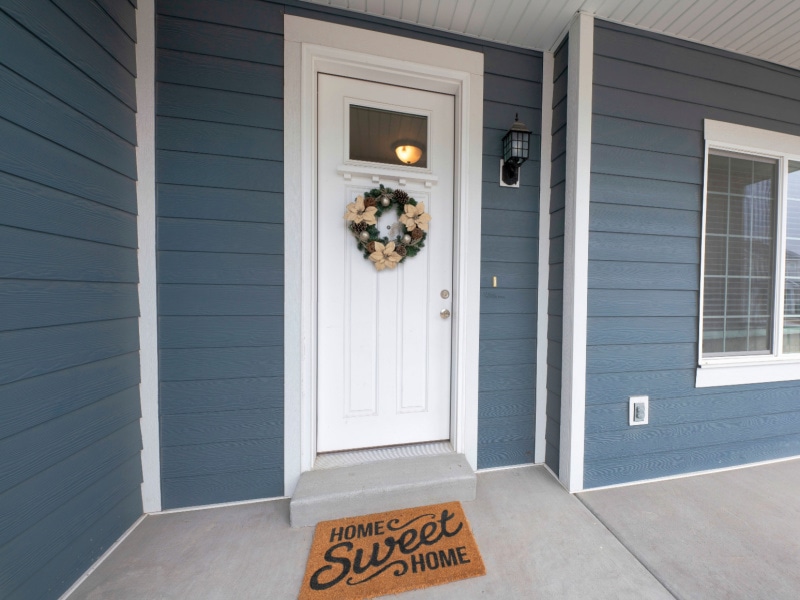
We start with a free consultation at your property. You’ll get a walkthrough of your current siding, an honest assessment of what needs attention, and a breakdown of material options that fit your home and budget.
Once you’re ready to move forward, we handle the permits and schedule the work around your timeline. Our crew preps the exterior by removing old siding, inspecting sheathing for damage, and making any necessary repairs to the substrate. This step matters—if the foundation isn’t solid, new siding won’t perform.
Then comes installation. We follow manufacturer specs to the letter: proper fastener spacing, correct overlap, integrated moisture barriers, and flashing around windows and doors. These aren’t shortcuts we skip. They’re what keep water out and your warranty valid.
After installation, we walk the property with you to make sure everything meets your expectations. You’ll see clean lines, tight seams, and a finished look that changes how your home presents from the street.

Ready to get started?
You’re getting more than new panels on your house. You’re getting a complete exterior upgrade designed for Long Island’s coastal climate.
We install fiber cement, vinyl, and engineered wood siding—all rated for high wind zones and salt air exposure. Fiber cement is the heavyweight option: fire-resistant, impact-resistant, and it holds paint longer than anything else on the market. Vinyl offers the best balance of cost and performance, especially the newer profiles with color-lock technology that resists UV damage for 15+ years. Engineered wood gives you the look of real cedar without the maintenance headaches.
Every installation includes a moisture barrier system, proper flashing, and ventilation to prevent trapped humidity. We also inspect and upgrade insulation where needed, because even the best siding won’t perform if your walls are bleeding heat.
Quiogue’s housing stock skews older, which means a lot of homes here have outdated or failing siding that’s costing you more than you realize. Homes built before modern energy codes can waste 15% to 20% of heating and cooling through poor exterior insulation. Upgrading your siding fixes that and makes your home noticeably more comfortable.

Most single-family homes take between five and ten days, depending on size and complexity. That includes removal of old siding, any substrate repairs, and full installation of new material.
Weather plays a role. If we’re working during Long Island’s peak storm season—late summer into fall—we may need to pause for heavy rain or high winds. We don’t install in wet conditions because moisture trapped behind new siding leads to mold and rot.
If your home has multiple stories, intricate trim, or requires structural repairs to sheathing, expect the timeline to extend. We’ll give you a realistic schedule upfront, and we’ll keep you updated if anything changes. Most homeowners tell us the process is less disruptive than they expected.
Fiber cement is the top choice for coastal durability. It doesn’t corrode, warp, or rot when exposed to salt air, and it’s rated for high wind zones—critical during nor’easters. It also resists fire, which matters for insurance rates in some areas.
Vinyl is the second-best option if budget is a concern. Modern vinyl siding uses UV-resistant pigments and thicker profiles that hold up well in coastal conditions. It won’t rust or need repainting, and quality vinyl can last 20 to 30 years with minimal maintenance.
Avoid standard wood siding unless you’re committed to regular maintenance. Salt air accelerates rot and insect damage, and you’ll be repainting or replacing boards every few years. Engineered wood is a better middle ground—it has some of the aesthetic appeal of real wood but with better moisture resistance.
For a typical single-family home in Quiogue, expect to pay between $12,000 and $30,000, depending on material choice and square footage. Vinyl siding sits on the lower end of that range. Fiber cement and premium engineered wood push toward the higher end.
That price includes removal of old siding, any necessary sheathing repairs, installation of moisture barriers, new siding, trim work, and cleanup. If your home needs significant structural repairs—rotted studs, damaged sheathing, or mold remediation—that adds to the cost.
The investment pays back. Siding replacement delivers a 74% to 88% return on investment, and many Quiogue homeowners see their property values increase by $15,000 to $30,000 after a quality installation. You’re also cutting energy costs and avoiding the expensive repairs that come from letting damaged siding sit too long.
It depends on the extent of the damage. If you’ve got a few cracked or loose panels from storm damage, repairs are usually the smarter move. We can replace individual sections, match the color and profile, and get your home sealed back up without tearing everything off.
But if your siding is more than 20 years old, showing widespread fading or warping, or if you’re seeing moisture damage behind the panels, replacement makes more sense. Patching old siding is like putting a bandage on a bigger problem—it might hold for a while, but you’ll be back to square one soon enough.
During our free consultation, we’ll give you an honest assessment. If repairs will get you another five to ten years of solid performance, we’ll tell you. If you’re throwing money at a losing battle, we’ll tell you that too. The goal is to help you make the right call for your home and budget, not to upsell you on work you don’t need.
Yes, but only if it’s installed with proper insulation and moisture barriers. Siding alone won’t do much—it’s the complete system that makes the difference.
Insulated vinyl siding or fiber cement installed over upgraded wall insulation can reduce heat loss by 15% to 20%. For Long Island homeowners, that translates to around $900 in annual savings on heating and cooling costs. You’ll notice it most in the winter when your furnace isn’t running constantly, and in the summer when your AC keeps up without working overtime.
Older homes in Quiogue—especially those built before modern energy codes—lose a lot of conditioned air through poorly insulated walls. New siding gives you the chance to fix that. We inspect your existing insulation during the estimate and recommend upgrades where it makes sense. The upfront cost pays for itself within a few years, and you get a more comfortable home in the process.
Yes. Any siding replacement or major repair in Suffolk County requires a building permit. We handle that process for you—pulling permits, scheduling inspections, and making sure everything meets local code.
Skipping permits is a risk you don’t want to take. If you sell your home and the buyer’s inspector finds unpermitted work, it can kill the deal or force you to rip everything out and start over. It also voids manufacturer warranties on your siding, which means you’re on your own if something fails.
The permit process adds a week or two to the timeline, but it’s worth it. You get the peace of mind that the work was done right, inspected by the town, and documented for future buyers. We’ve been doing this long enough to know how Suffolk County handles permits, so there are no surprises or delays on our end.
Other Services we provide in Quiogue