
Hear from Our Customers
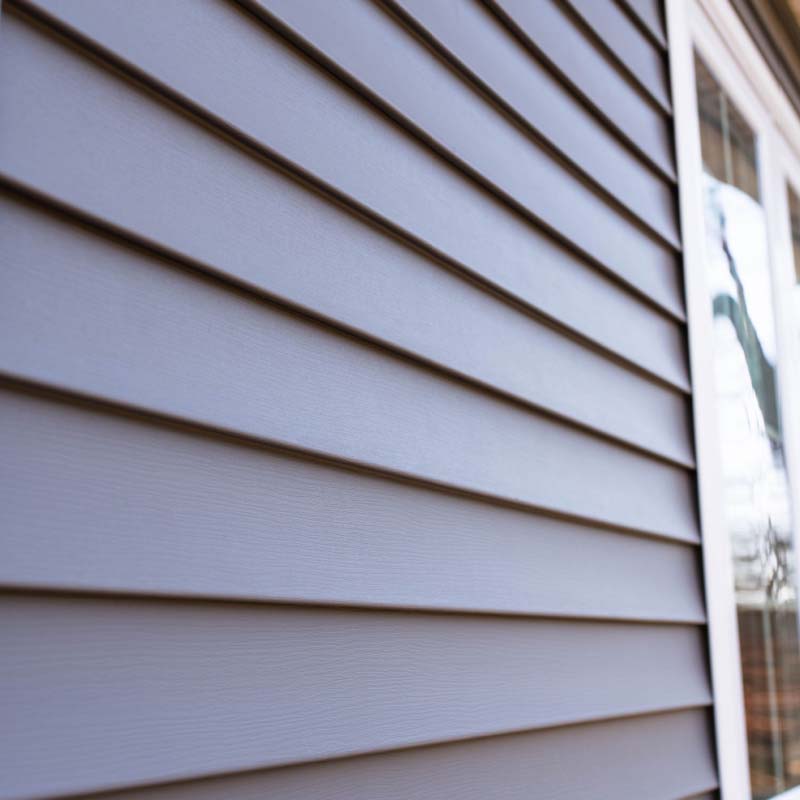
Your siding isn’t just about curb appeal. It’s the first line of defense against moisture, mold, and the kind of energy loss that shows up every month on your utility bill.
When your siding is installed correctly with the right materials for coastal conditions, you’ll notice the difference. Insulated vinyl siding can make your home up to 20% warmer in winter and cooler in summer. That’s not marketing talk—that’s what happens when you stop air leaks and add a thermal barrier that actually works.
You’ll also stop worrying about water getting behind your walls. Properly installed siding with correct flashing and sealing keeps moisture out, which means no rot, no mold growth inside your walls, and no surprise repair bills down the road. If you’ve been dealing with drafts, high heating costs, or visible damage on your exterior, fixing your siding solves more problems than you might realize.
SkyLuxe Construction is a family-owned business that’s been handling exterior renovations across Suffolk County for decades. We’re not new to Riverhead, and we’re not learning on your home.
We’ve seen what happens when siding isn’t installed right—the callbacks, the water damage, the frustrated homeowners. That’s why our crews take the time to do it correctly the first time. We’re licensed, insured, and we know the local building codes inside and out.
Riverhead homeowners deal with specific challenges. You’re close enough to the water that salt air is a real factor. Your siding needs to handle humidity, storms, and temperature swings without warping, fading, or failing. We’ve been solving these exact problems for years, and we’ll walk you through what your home actually needs—not what’s easiest to sell you.
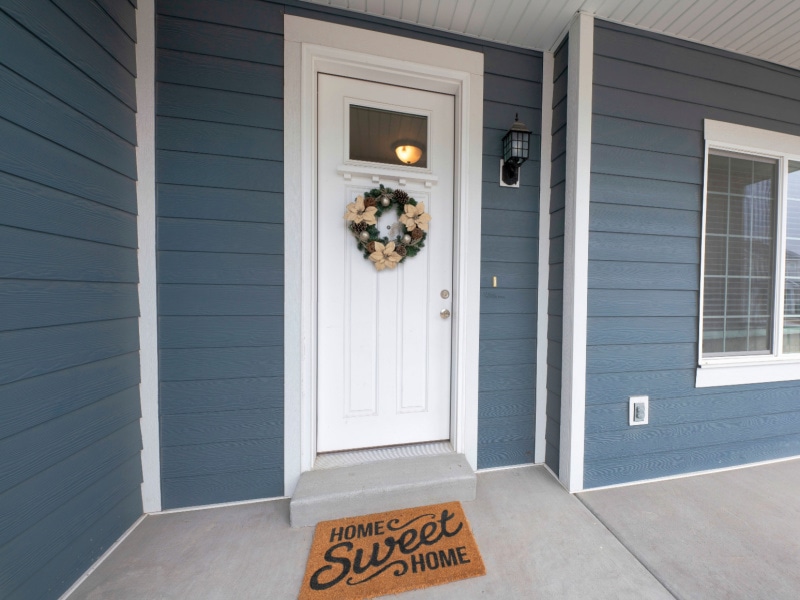
First, we come to your property and do a full assessment. We’re looking for visible damage, but also checking for hidden issues—soft spots, moisture intrusion, areas where your current siding has failed. You’ll get a clear explanation of what we find and what needs to happen.
Once you decide to move forward, we’ll walk you through material options. Vinyl, fiber cement, insulated panels—each has pros and cons depending on your home, your budget, and what you’re trying to accomplish. We’ll explain the differences without the sales pitch.
Installation starts with proper prep. We remove old siding carefully, inspect and repair the underlying structure if needed, and install a weather-resistant barrier. Then we install your new siding with attention to flashing, sealing, and alignment. Every seam matters. Every nail placement matters. Shortcuts here cost you later.
After installation, we do a full walkthrough with you. We clean up completely, haul away all debris, and make sure you understand how to maintain your new siding. You’ll have our contact information, and if anything comes up, we handle it.

Ready to get started?
When you hire us for siding work in Riverhead, you’re getting a licensed contractor who pulls permits, follows code, and stands behind the work. That matters more than most homeowners realize until something goes wrong.
You’re also getting materials that are built for Long Island’s climate. We’re not using the cheapest option available—we’re using products that resist salt corrosion, handle moisture, and maintain their appearance in coastal conditions. The siding we install on homes near the water isn’t the same as what works fine in Arizona.
Riverhead sits in an area where storm damage is a real concern. Between nor’easters and the occasional hurricane, your home takes a beating. The siding installation process we use accounts for wind resistance and water management. We’re not just nailing panels to your house—we’re creating a weather barrier that’s designed to last through what Long Island throws at it.
You’ll also get transparent communication throughout the project. We’ll tell you when we’re starting, what’s happening each day, and when we’ll be done. If we run into something unexpected—rotted sheathing, structural issues—you’ll know immediately, along with what it takes to fix it and what it costs.

Most siding projects in Riverhead take between one and two weeks, depending on the size of your home and the scope of work. A straightforward replacement on a ranch-style home might be done in five to seven days. A larger two-story home with complex architectural details could take closer to two weeks.
Weather affects the timeline. We don’t install siding in heavy rain or extreme cold because it compromises the installation quality. If we hit a stretch of bad weather, we’ll pause rather than rush through it.
The other factor is what we find when we remove your old siding. If there’s rot, water damage, or structural issues underneath, we need to fix those before installing new siding. We’ll let you know right away if we find problems, what it takes to address them, and how it affects your timeline. Most homeowners would rather know and fix it than cover it up and deal with bigger problems later.
Fiber cement and high-quality vinyl are your best options for coastal areas in Riverhead. Both handle salt air and moisture better than wood, and they don’t rot or corrode like some other materials.
Fiber cement is extremely durable and resists impact damage from storms. It won’t warp, and it holds paint well even in humid conditions. The downside is it’s heavier and costs more upfront, but it lasts longer and needs less maintenance over time.
Insulated vinyl siding is lighter, less expensive, and still performs well in coastal conditions if you choose a quality product. The insulation backing adds energy efficiency, which matters when you’re heating and cooling a home in Long Island’s climate. Cheaper vinyl can fade or become brittle, so material quality makes a real difference here. We’ll show you samples and explain what you’re actually getting for your money so you can make an informed decision based on your priorities and budget.
Siding replacement in Riverhead typically runs between $8,000 and $25,000 depending on your home’s size, the material you choose, and the condition of what’s underneath your current siding. A small ranch with straightforward vinyl replacement might be on the lower end. A larger two-story home with fiber cement and extensive prep work will cost more.
Material choice is the biggest variable. Standard vinyl is the most affordable option. Insulated vinyl costs more but improves energy efficiency. Fiber cement is the most expensive upfront but offers the longest lifespan and best durability for coastal conditions.
The other cost factor is what we find during removal. If your sheathing is damaged or you have rot in the framing, that needs to be fixed before new siding goes on. We’ll give you a detailed estimate after inspecting your home, and we’ll explain exactly what’s included. No surprises, no hidden fees. You’ll know what you’re paying for and why it costs what it costs before any work starts.
It depends on the extent and location of the damage. If you have a few cracked or broken panels from storm damage and the rest of your siding is in good shape, repair is usually possible and makes sense financially.
The challenge with repairs is matching your existing siding. If your siding is older, the color might have faded or the product line might be discontinued. We’ll do our best to find a close match, but sometimes the repaired section is slightly noticeable. Most homeowners are fine with that if it saves them from replacing the entire house.
If your siding has widespread issues—multiple areas of damage, fading across the whole house, or underlying moisture problems—replacement usually makes more sense. Repairing a few spots won’t solve systemic issues, and you’ll end up spending money on repairs now and replacement later. We’ll assess your specific situation and give you an honest recommendation. If repair works, we’ll tell you. If replacement is the smarter move, we’ll explain why and show you what we’re seeing.
Yes, you typically need a building permit for siding replacement in Riverhead. The Town of Riverhead requires permits for most exterior work to ensure it meets building codes and is done safely.
We handle the permit process for you. We’ll submit the application, provide the necessary documentation, and coordinate inspections. This is part of working with a licensed contractor—you don’t have to figure out the paperwork or deal with the building department yourself.
Some homeowners are tempted to skip permits to save money or time, but that’s a mistake. If you sell your home later and unpermitted work shows up during inspection, it becomes your problem. You might have to remove and reinstall the siding correctly, or the sale could fall through. Insurance claims can also be denied if damage occurs to unpermitted work. It’s not worth the risk. We do it right, pull the permits, and make sure everything is documented properly so you never have to worry about it.
There are several signs that point to water damage behind your siding. Soft or spongy spots when you press on the siding usually mean moisture has gotten through and the sheathing underneath is rotting. Visible mold or mildew on your siding, especially in shaded areas, often indicates water is getting trapped.
Inside your home, look for water stains on walls or ceilings near exterior walls, peeling paint, or a musty smell. These suggest water is penetrating your siding and getting into your wall cavities. You might also notice your energy bills creeping up because wet insulation loses its effectiveness.
The only way to know for sure is to remove a section of siding and inspect what’s behind it. During our assessment, if we see warning signs, we’ll recommend removing a small test area to check the condition of your sheathing and framing. It’s better to find out before we start the full installation so we can address any rot or damage properly. Water damage doesn’t get better on its own—it spreads. Catching it early and fixing it correctly saves you money and protects your home’s structure.
Other Services we provide in Riverhead