
Hear from Our Customers
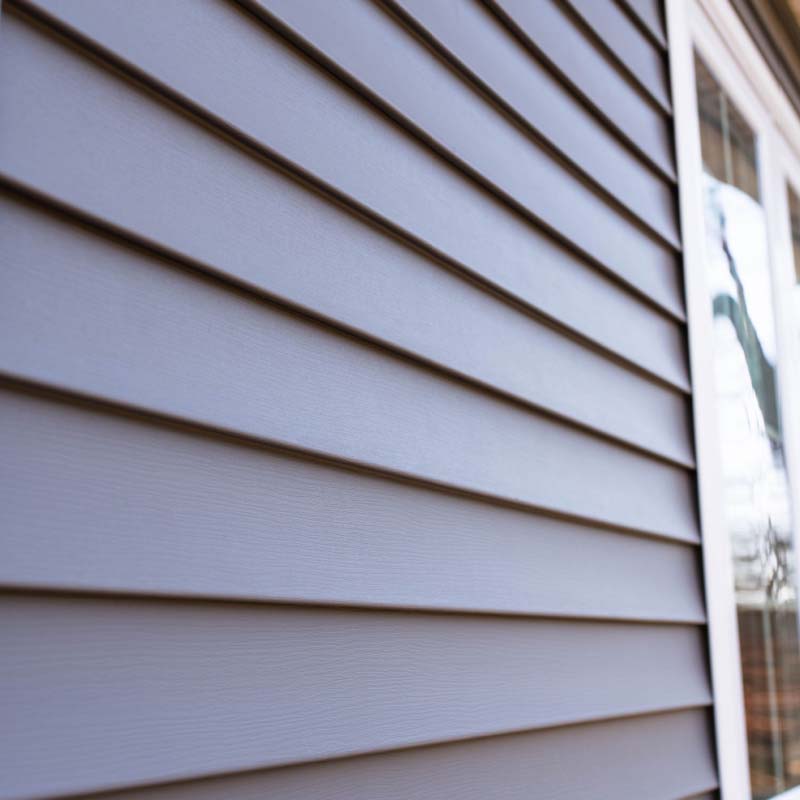
You’re tired of watching your siding crack, warp, or peel after every storm season. The salt air here isn’t like inland conditions—it eats through standard materials faster than most contractors realize. What holds up fine twenty miles west fails in three years on the coast.
Proper coastal siding means you’re not calling for repairs every time a nor’easter rolls through. It means your paint isn’t peeling by year two. It means moisture stays outside where it belongs, not creeping into your walls and creating mold problems you can’t see until they’re expensive.
When siding is installed correctly with materials rated for coastal exposure, you get decades of protection instead of constant maintenance. Your home value stays intact. Your insurance claims drop. You stop losing sleep every time the forecast shows high winds.
We’ve been protecting homes in Suffolk County for decades, and we’ve learned what works in Sag Harbor’s climate through actual experience—not guesswork. We’ve seen what happens to ten-year-old vinyl that wasn’t rated for salt air. We’ve replaced siding that looked fine but was installed without proper coastal sealing techniques.
Our team understands Sag Harbor’s building codes and the specific challenges your property faces. Whether you own a classic Hamptons cottage near the water or a modern home inland, we know which materials will actually last here and which ones are a waste of your money.
We’re licensed, insured, and we back our installation with a five-year workmanship warranty on top of manufacturer guarantees that run 20 to 50 years depending on your material choice.
We start with a free estimate where we actually inspect your current siding—not just give you a number over the phone. We’re looking for hidden moisture damage, checking how your existing installation is holding up, and identifying whether you need full replacement or targeted repairs.
Once you approve the estimate, we source coastal-grade materials that match your home’s style and your budget. We work with multiple suppliers, so we can usually find exact color matches if you’re doing partial replacement. Most projects get scheduled within two weeks depending on the season.
Installation typically takes one to three days for most homes. We remove old siding carefully to avoid damaging your sheathing, install proper moisture barriers, and use wind-resistant fastening techniques that meet local code requirements. We don’t rush the sealing and curing process—coastal installations need time to set properly, especially in humid conditions.
After completion, we walk you through maintenance recommendations and warranty details. You’ll know exactly what’s covered and for how long.

Ready to get started?
We install vinyl and fiber cement siding rated specifically for coastal conditions. That means UV-resistant coatings that won’t fade in the harsh sun exposure you get near the water. It means materials that handle humidity without warping and fastening systems designed for high wind loads.
Sag Harbor gets hit with nor’easters and occasional hurricanes. Standard installation techniques don’t cut it when you’re dealing with sustained winds that can rip panels right off. We use wind-resistant methods and materials rated for the exposure your property actually faces—not what works fine in calmer climates.
We also handle storm damage repairs and work directly with insurance companies when you need documentation for claims. After major weather events, we prioritize securing damaged homes quickly to prevent water infiltration while we wait for full replacement materials to arrive.
Color and style selection matters here too. We help you choose options that complement Sag Harbor’s architectural character while upgrading your protection. Whether you’re matching a historic cottage aesthetic or going modern, we source materials that fit your vision and your budget without sacrificing performance.

Fiber cement and coastal-grade vinyl are your best options here. Fiber cement is more expensive upfront but handles salt air exceptionally well and won’t warp from humidity. It’s also impact-resistant, which matters during storms when debris is flying.
Coastal-grade vinyl costs less and still performs well if it’s actually rated for salt air exposure—not just standard vinyl that happens to be installed near the coast. The key difference is UV inhibitors and impact resistance. Standard vinyl gets brittle faster here, while coastal-grade formulations are engineered for the conditions you’re dealing with.
Wood siding looks beautiful but requires constant maintenance in this climate. If you’re committed to repainting every few years and staying on top of rot issues, it can work. Most homeowners don’t want that level of upkeep, which is why we typically recommend fiber cement or quality vinyl for long-term value.
Most full siding replacements take one to three days depending on your home’s size and the complexity of the job. A straightforward ranch might be done in a day and a half. A two-story home with multiple gables and architectural details might take three full days.
We don’t rush installation to hit arbitrary deadlines. Coastal siding needs proper sealing and curing time, especially in humid conditions. Cutting corners on installation to save a few hours creates problems that show up in a year or two when moisture gets behind your siding.
Partial repairs and storm damage fixes are usually faster—often completed in a single day for smaller sections. We keep common materials and colors in stock so we’re not waiting weeks for special orders when you need emergency repairs after a storm.
Yes, but the impact depends on what you’re replacing and whether you add insulation during installation. If your current siding is old with gaps that let air through, new siding with proper sealing will definitely reduce drafts and help your HVAC system work less.
Insulated vinyl siding adds an extra layer of thermal protection. It costs more than standard vinyl but can reduce heat transfer through your walls. In Sag Harbor’s climate where you’re running AC in summer and heat in winter, that reduction adds up over time.
Fiber cement doesn’t have built-in insulation, but we can add rigid foam insulation board underneath during installation if energy efficiency is a priority. That combination gives you both durability and thermal performance. Most homeowners see the biggest energy savings from eliminating air leaks and adding insulation—the siding material itself is secondary to proper installation technique.
Full siding replacement typically runs between $8,000 and $25,000 for most Sag Harbor homes, depending on size, material choice, and architectural complexity. Coastal-grade vinyl is the most affordable option. Fiber cement costs roughly 30-50% more but lasts longer with less maintenance.
Partial repairs and storm damage fixes cost significantly less—often $1,500 to $5,000 depending on the extent of damage. If you’re filing an insurance claim for storm damage, we provide detailed documentation and work directly with adjusters to make sure you’re getting appropriate coverage.
The price difference between cheap installation and quality coastal installation isn’t huge—maybe 15-20%—but the performance difference is massive. Cheap jobs fail in three to five years here. Quality installation with proper materials lasts 20 to 40 years. When you factor in the cost of redoing failed work, quality installation is actually cheaper long-term.
Yes. We work with insurance companies regularly and understand what documentation they need for claims approval. After a storm, we inspect your damage, take detailed photos, and provide written assessments that specify what’s storm-related versus normal wear.
Insurance adjusters sometimes try to minimize coastal storm damage or claim it’s maintenance-related. We’ve dealt with this enough times to know how to document wind damage, impact damage, and water infiltration in ways that support your claim.
We can also provide emergency temporary repairs to secure your home while you wait for claim approval and full replacement materials. That prevents additional water damage that might not be covered if you wait too long to address the initial damage. Most homeowners don’t realize they have a duty to mitigate further damage after a storm—temporary repairs are part of that responsibility.
If damage is localized to one section—say from a fallen branch or isolated storm impact—repairs usually make sense. If you’re seeing widespread issues like multiple cracked panels, extensive fading, warping across different walls, or moisture damage behind the siding, replacement is typically more cost-effective.
Age matters too. If your siding is over 20 years old and showing any signs of failure, you’re likely throwing money away on repairs. You’ll just be fixing different sections every year or two as the material continues to degrade.
During our free estimate, we’ll be straight with you about whether repairs will actually solve your problem or if you’re better off replacing now. We’re not interested in selling you a full replacement if targeted repairs will give you another five solid years—but we’re also not going to patch failing siding just to get a quick job when you’ll be calling us back in eighteen months frustrated that you spent money on a temporary fix.
Other Services we provide in Sag Harbor