
Hear from Our Customers
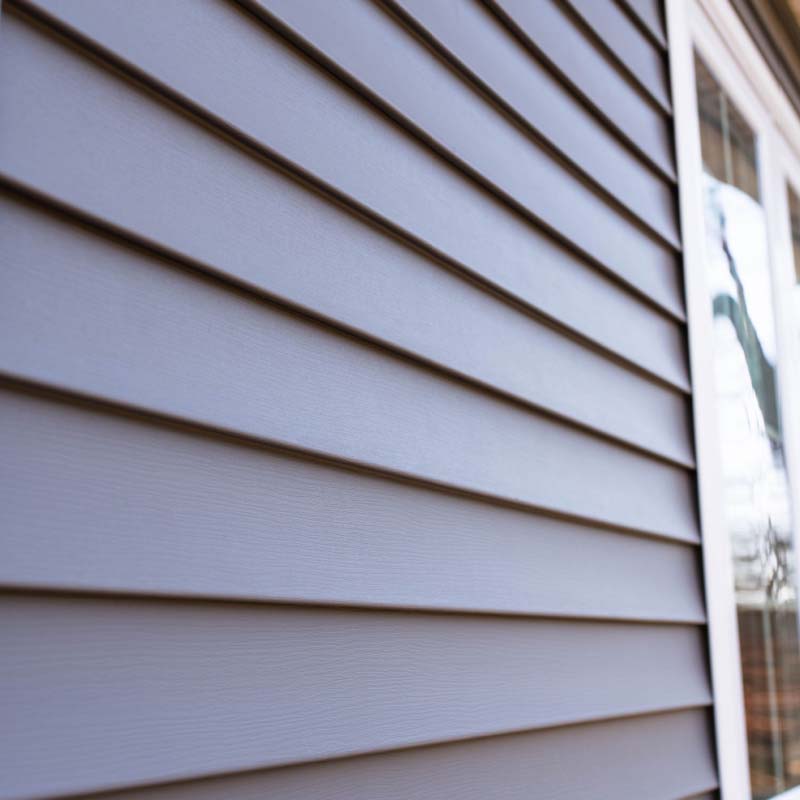
Your energy bills drop because your walls aren’t leaking conditioned air through gaps and cracks. You stop worrying about water stains creeping across your interior walls every time a storm rolls through. Your home value stays protected instead of declining with every passing season.
That’s what happens when you install siding designed for coastal conditions, not just whatever’s cheapest at the big box store. In Shoreham, where homes average over 70 years old and sit exposed to Atlantic weather patterns, your exterior needs to do more than look good for a few years.
The right siding installation means you’re not repainting every few seasons or replacing rotted sections. It means your home stays protected, your investment holds its value, and you’re not dealing with emergency repairs when the next nor’easter hits.
We hold every license and certification required in Suffolk County because cutting corners isn’t an option when you’re protecting a $700,000+ investment. We’ve spent years learning exactly how Long Island’s salt air, humidity, and temperature swings affect different siding materials.
That matters in Shoreham, where nearly 98% of homes are owner-occupied and most were built before modern building codes existed. You’re not looking for the cheapest bid—you’re looking for someone who understands that your 1950s-era home needs specific solutions that account for settling, outdated framing, and decades of weather exposure.
We’re a family operation that started because we saw too many homeowners getting sold materials that don’t last or installations that fail within five years. Every project gets the same attention we’d give our own homes.
You call or submit a request online, and we schedule a time that actually works for you—not a four-hour window where you’re stuck waiting. We come out, assess your current siding, check for underlying damage, and measure everything. No pressure, no upselling on the spot.
You get a detailed quote that breaks down materials, labor, timeline, and what we’re actually doing. We explain why we’re recommending specific materials based on your home’s age, exposure, and your budget. If there’s rot or structural issues underneath, we tell you upfront—not halfway through the job.
Once you’re ready to move forward, we handle permits and schedule the work around your life. Our crew shows up on time, protects your landscaping and property, removes your old siding, addresses any sheathing or moisture barrier issues, and installs your new exterior. We don’t leave until you’ve walked the property with us and confirmed everything meets your expectations.
The whole process typically takes one to two weeks depending on your home’s size and any repairs needed. You’re never left guessing what’s happening or when we’ll be back.

Ready to get started?
You’re getting a complete exterior evaluation, not just a siding swap. We check your moisture barriers, flashing, trim, and underlying structure because installing new siding over rotted sheathing is like putting a bandaid on a broken bone.
In Shoreham’s coastal environment, that means we’re looking for salt corrosion damage, checking for proper ventilation to prevent trapped moisture, and making sure your home can handle the next major storm. With 40% of local homes built before the 1940s, we often find outdated or missing moisture protection that needs addressing before new siding goes up.
We work with vinyl, fiber cement, and insulated siding options—each with specific advantages depending on your home’s condition and your priorities. Insulated vinyl adds R-value and can cut your heating and cooling costs. Fiber cement stands up to impact and fire better than any other option. Standard vinyl offers the best balance of cost, durability, and low maintenance for most homeowners.
You also get proper disposal of old materials, complete cleanup, and a final walkthrough where we explain maintenance requirements and warranty coverage. We’re licensed and insured in Suffolk County, so you’re protected if anything goes wrong—which it won’t, but the coverage matters anyway.

Vinyl siding typically lasts 20 to 40 years in coastal areas if it’s installed correctly and you’re using quality materials. Fiber cement can push 50 years or more. But here’s what most siding companies won’t tell you: installation quality matters more than the material itself.
If your moisture barriers aren’t right, if flashing is missing around windows and doors, or if the siding isn’t properly ventilated, you’ll see failure in under 10 years regardless of what’s on your walls. Salt air accelerates every weakness in an installation.
In Shoreham specifically, we see the biggest issues with homes that have southern or eastern exposure—those walls take the brunt of storm-driven rain and constant salt spray. Proper installation accounts for that. Cheap installation ignores it and you pay for it later.
Fiber cement runs about $6 to $12 per square foot installed, while quality vinyl comes in around $3 to $8 per square foot. For an average Shoreham home, you’re looking at roughly $15,000 to $25,000 for vinyl versus $25,000 to $40,000 for fiber cement.
But cost per square foot doesn’t tell the whole story. Fiber cement needs repainting every 10 to 15 years, which adds $8,000 to $15,000 each time. Vinyl never needs painting. Fiber cement is more impact-resistant and holds up better to salt corrosion, which matters if your home sits close to the water.
Most homeowners in Shoreham choose insulated vinyl because it offers solid durability, better energy efficiency than standard vinyl, and doesn’t require the ongoing maintenance of fiber cement. The upfront cost sits in the middle, and you’re not dealing with repainting down the road.
If more than 30% of your siding shows damage—cracks, warping, holes, or rot—you’re better off replacing everything. Patching a few spots works when damage is isolated, but mixing old and new materials rarely looks right and doesn’t solve underlying problems.
Check inside your home for water stains on walls or ceilings near exterior walls. That’s a sign your siding is failing and moisture is getting through. Also look for sections that feel soft when you push on them, or areas where the siding has pulled away from the house. Those indicate structural issues that won’t be fixed with a patch job.
In older Shoreham homes, we often find that what looks like minor damage on the surface is actually widespread failure of the moisture barrier or sheathing underneath. A proper inspection will tell you what you’re really dealing with. We’ll be straight with you about whether repairs make sense or if you’re throwing money at a problem that needs a complete solution.
Suffolk County requires proper licensing for exterior work, and your homeowner’s insurance can deny claims if unlicensed contractors cause damage. But beyond the legal requirements, licensing means the contractor has met minimum standards for knowledge, carries proper insurance, and can be held accountable if something goes wrong.
Unlicensed contractors are cheaper for a reason—they’re cutting costs on insurance, permits, proper materials, and often skilled labor. When your siding fails in three years or water damage shows up behind the walls, they’re long gone and you’re stuck with the bill.
We understand local building codes, coastal weather requirements, and how to properly integrate siding with your existing structure. We pull permits, pass inspections, and stand behind our work because our license depends on it. That’s not something you get from a crew working out of a pickup truck.
Insulated vinyl and fiber cement both perform well in coastal conditions, but they solve different problems. Insulated vinyl gives you better energy efficiency, never needs painting, and costs less upfront. It’s the best choice for most Shoreham homeowners who want low maintenance and solid performance.
Fiber cement is more impact-resistant, won’t melt if reflected sunlight from Low-E windows hits it, and gives you more texture options if you want a specific look. But it requires repainting every 10 to 15 years and costs significantly more to install.
Standard vinyl without insulation is the budget option, but in a climate with temperature swings from single digits to 90+ degrees, the added R-value of insulated vinyl pays for itself in energy savings. We don’t recommend wood or aluminum in coastal areas—wood rots too quickly with salt air exposure, and aluminum dents easily and corrodes. Your best bet is quality vinyl or fiber cement installed by someone who knows how to handle coastal weather challenges.
Most siding projects in Shoreham take one to two weeks from start to finish, depending on your home’s size and whether we find underlying damage that needs repair. We can usually schedule your project within two to four weeks of your approval, though spring and fall are busier and might push that timeline out.
Weather affects the schedule—we’re not installing siding in heavy rain or when temperatures drop below freezing because adhesives and materials don’t perform correctly in those conditions. We’ll give you a realistic timeline upfront and keep you updated if anything changes.
The actual work happens in phases: removal of old siding, repairs to sheathing or moisture barriers if needed, installation of new siding, and final trim and cleanup. We work efficiently but we don’t rush through steps that affect how long your siding lasts. You’ll know exactly what’s happening each day and when we expect to wrap up.
Other Services we provide in Shoreham