
Hear from Our Customers
Water flows where it should. Away from your foundation, away from your basement, away from the fascia boards that cost a fortune to replace.
You’re not climbing ladders after every rainfall checking for overflow. You’re not watching water pour over the sides during summer thunderstorms, wondering when the foundation cracks will start. Your gutters handle what Long Island weather throws at them—heavy spring rains, fall leaf buildup, winter freeze-thaw cycles that split seams and joints.
Most homes in Coram were built in the 1980s. That means your gutter system has seen decades of nor’easters, surprise downpours, and the kind of coastal humidity that rusts through metal faster than you’d expect. When we handle your gutter leak repair or fix sagging gutters, you’re getting repairs that account for all of that. Not a quick patch that fails in six months.
We’ve got over 35 years of experience working on Suffolk County homes. We’re a family-run operation, and we’ve handled gutter repairs on more than 2,000 roofs across Long Island.
We know what happens to gutters on split-levels in Coram when a nor’easter rolls through. We’ve seen the fascia damage that comes from years of overflow on colonials with mature trees. We stock materials specifically chosen for this climate—not whatever’s cheapest or fastest to install.
Every repair gets handled by our licensed, trained professionals who’ve worked through Hurricane Sandy, countless ice storms, and every weather pattern this area throws at homes. You’re not getting a crew that learned about Long Island weather from a manual.
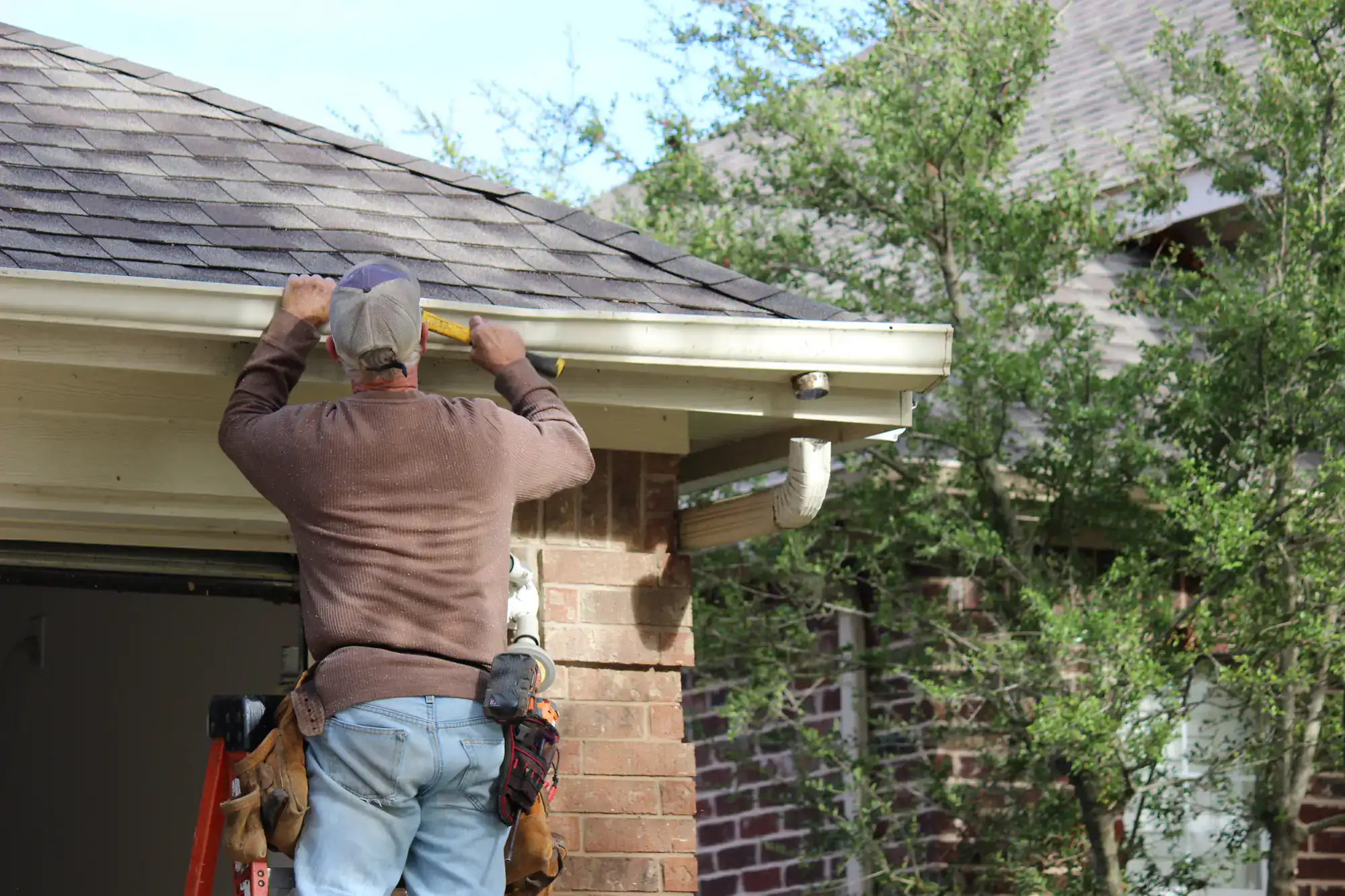
First, we inspect your entire gutter system at no charge. Not just the spot where you see the leak. We’re checking for sagging sections, loose hangers, separated seams, damaged downspouts, and any fascia board issues that might be hiding behind the obvious problem.
Then we tell you exactly what needs fixing and why. If your gutter is leaking at the corner, we’re explaining whether it’s a sealant issue, a joint problem, or if the fascia behind it is rotted and needs attention first. You’ll know what the repair involves before we start.
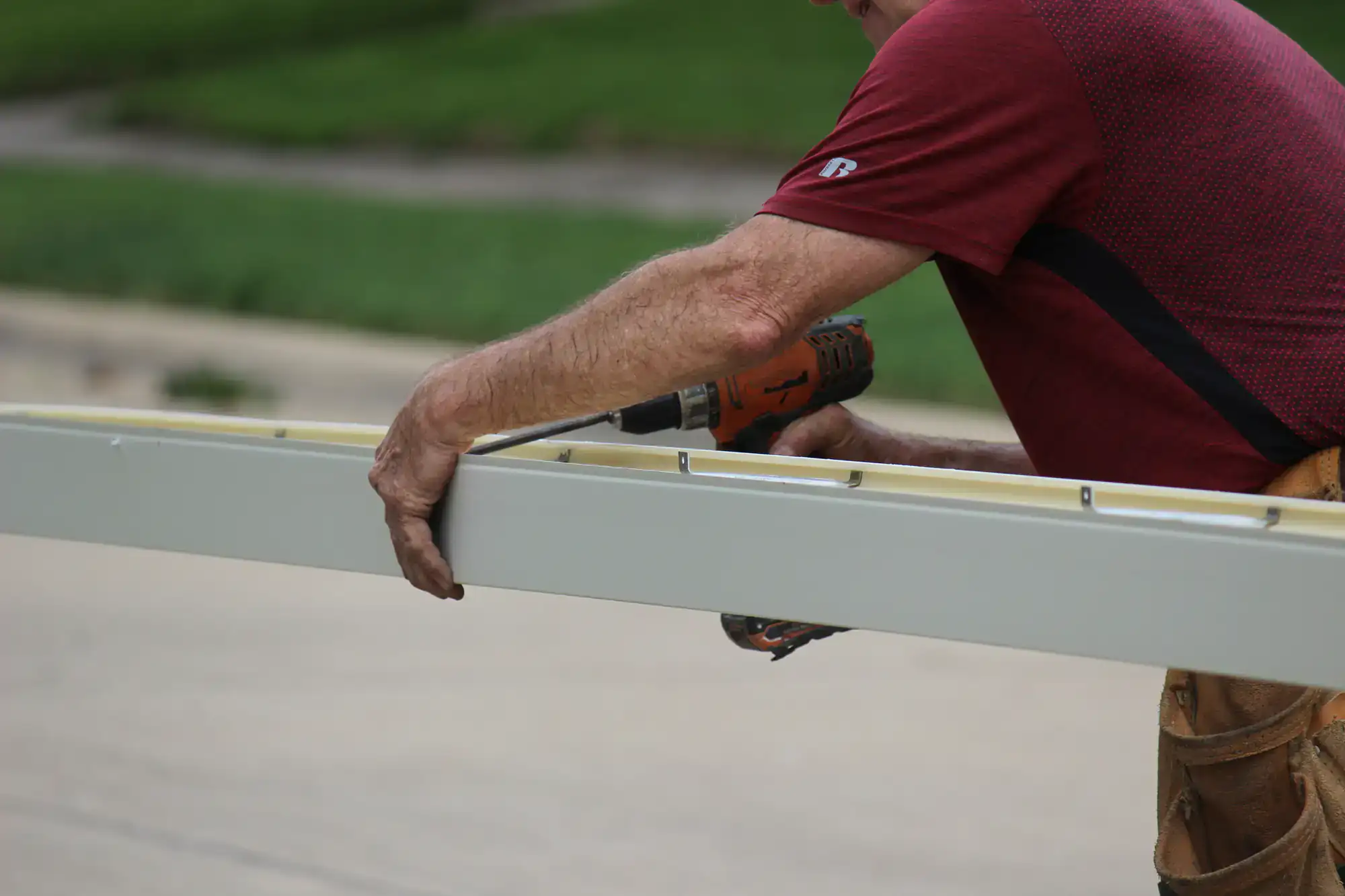
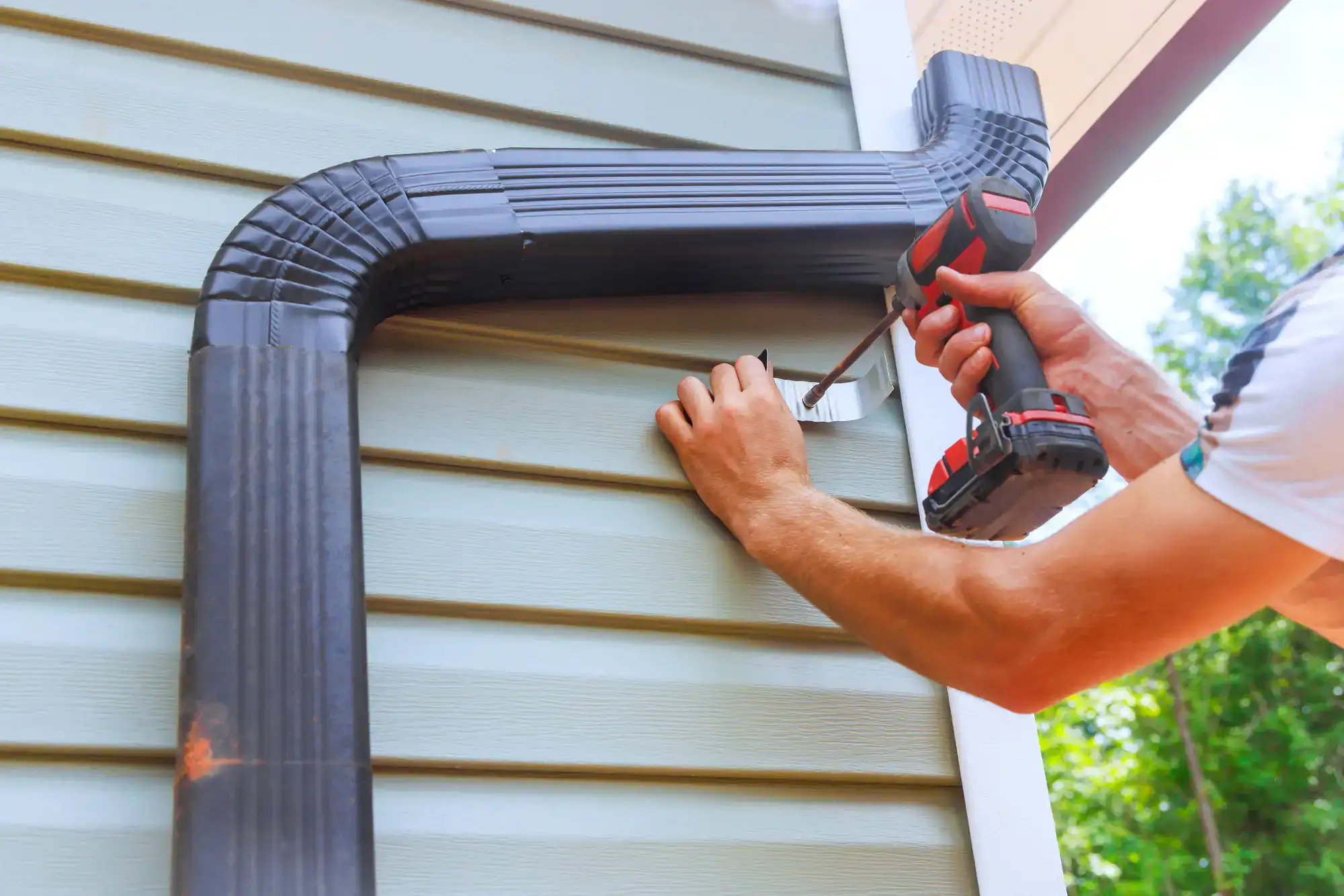
Most gutter repairs in Coram get completed in one to two days depending on scope. We’re fixing the actual problem—resealing joints that leak, reattaching sections pulling away from the house, replacing damaged downspouts, patching holes before they spread. If we find fascia damage during the repair, we handle that too so water doesn’t just find a new way into your walls.
Everything gets tested before we leave. We want to see water flowing through downspouts and away from your foundation, not spilling over edges or pooling where it shouldn’t.
Ready to get started?
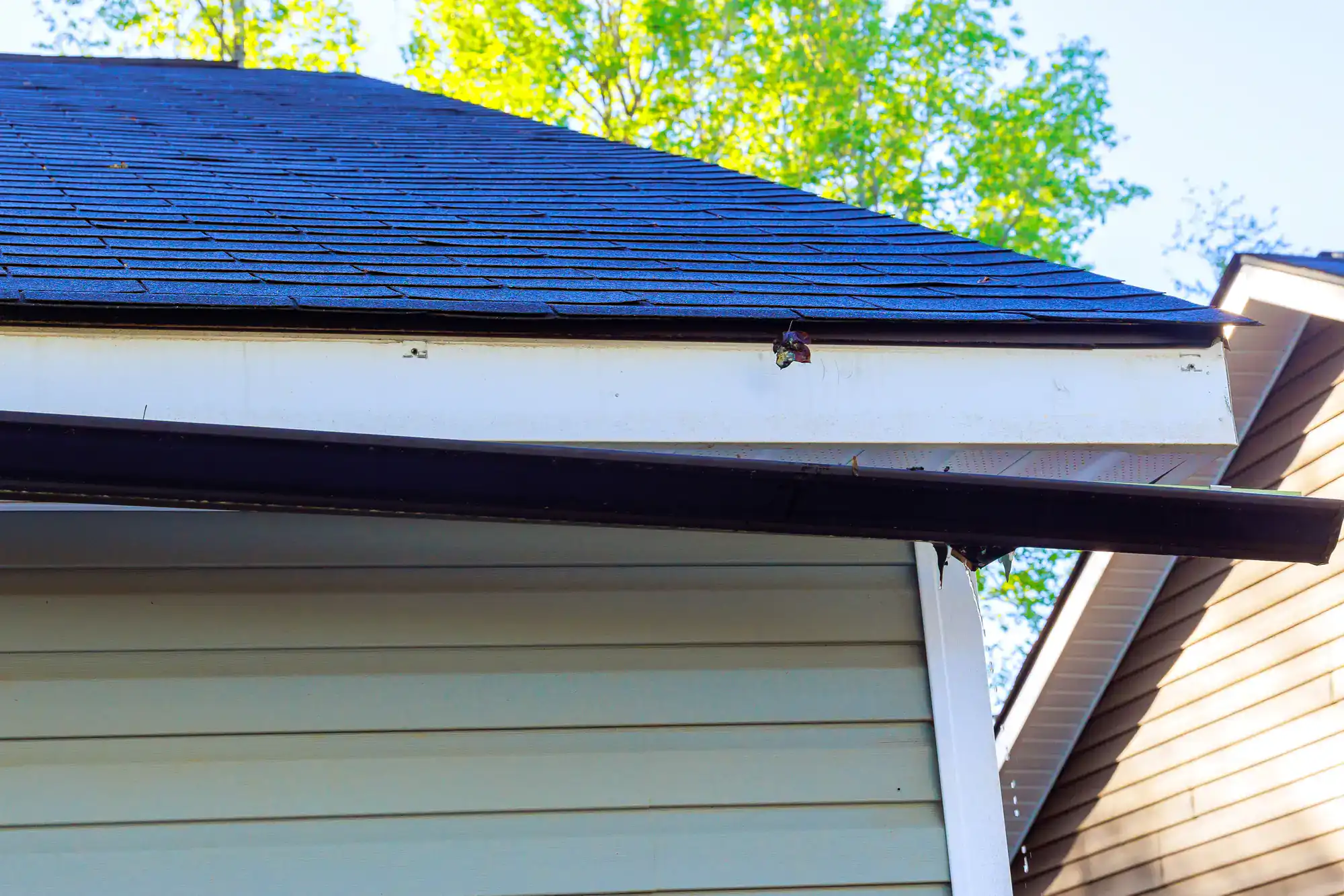
We handle gutter seam repair, fix sagging sections, seal leaking joints, patch rust holes, reattach loose downspouts, and replace damaged fascia boards when water’s already caused rot. If a storm tore sections away from your roofline, we’re rehanging and securing them properly with the right fasteners for your home’s construction.
Coram gets hit with weather that tests every weak point in a gutter system. Heavy autumn rainfall overwhelms clogged sections. Winter ice dams force water backward under shingles. Spring storms dump inches of rain in hours. Your gutters need to handle all of it, and most systems on homes from the 1980s weren’t built with this kind of sustained stress in mind.
We’re also addressing the small problems before they become expensive ones. A minor leak at a seam costs a fraction of what fascia board replacement runs. A sagging section that’s caught early doesn’t turn into a full gutter replacement job. The gutter repair cost in Coram typically ranges from $468 to $683 depending on the scope, and catching issues early keeps you on the lower end of that range.
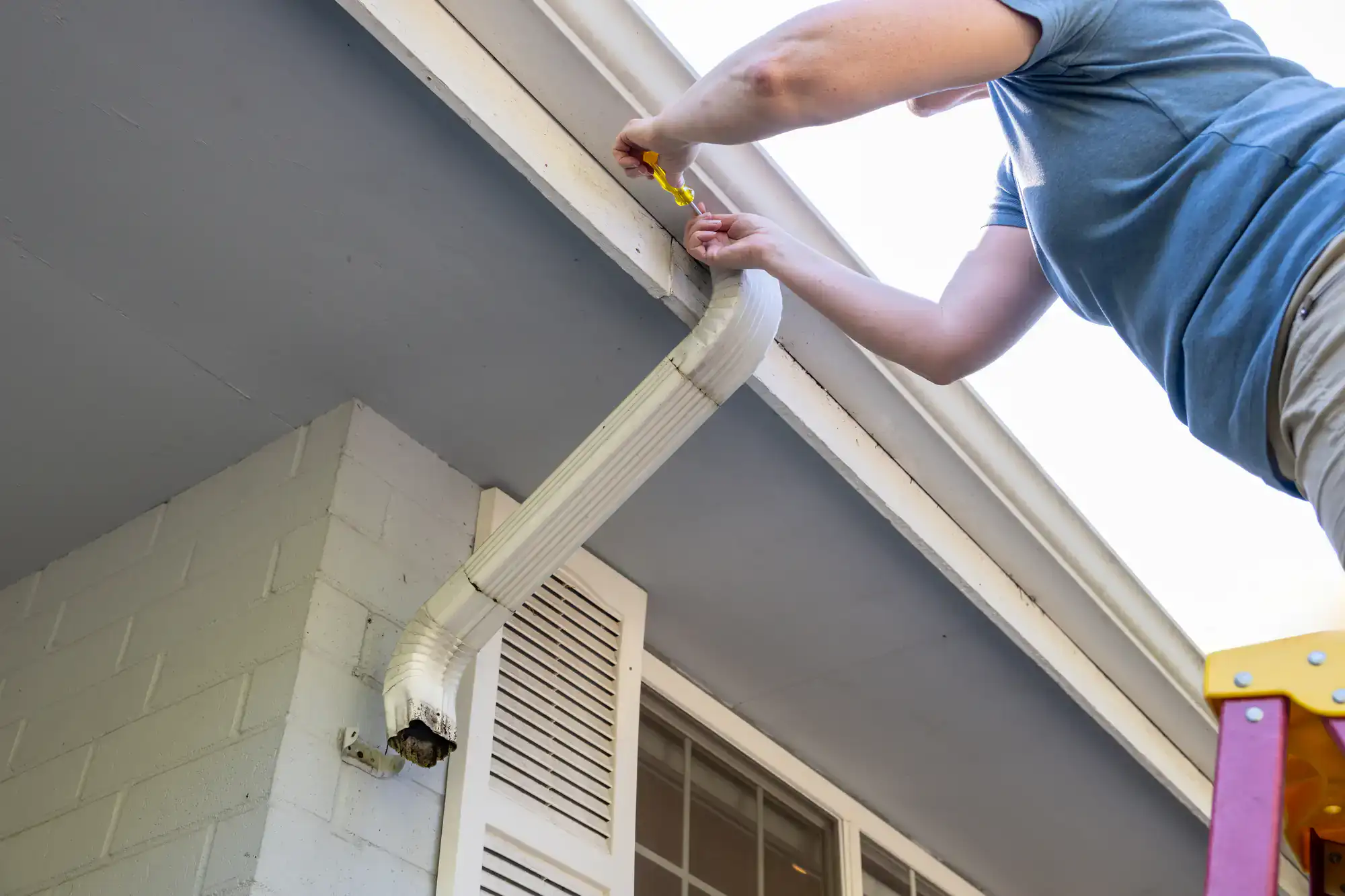
Most gutter leak repairs in Coram run between $150 and $400 depending on what’s causing the leak and how much damage already exists. A simple seam seal or joint repair sits on the lower end. If the leak’s been going on long enough to rot fascia boards or damage hangers, you’re looking at more.
Location matters too. A leak at a corner joint that’s easy to reach costs less than one tucked behind a second-story overhang. The type of gutter system affects price—seamless gutters often need different repair approaches than sectional systems.
We give you an exact number after inspecting the problem. No estimates based on phone descriptions, because half the time there’s additional damage that’s not visible from the ground. You’ll know what the repair costs before any work starts.
Gutters pull away when the fasteners fail, the fascia board rots, or the gutter itself gets too heavy from debris and standing water. In Coram, we see this most often after nor’easters or on homes with mature trees that drop leaves and seeds into the system.
The fasteners—spikes, hangers, or brackets—are only as strong as the wood they’re attached to. If water’s been overflowing and soaking the fascia for months or years, that wood softens and the fasteners lose their grip. Add the weight of a gutter full of wet leaves or ice, and sections start drooping or pulling completely away.
Fixing sagging gutters means addressing both problems. We’re reattaching with proper fasteners into solid wood, and if the fascia’s compromised, we’re replacing that section so the repair actually holds. Just rehanging a gutter into rotted wood doesn’t solve anything.
Yes, but it depends on the temperature and what the repair involves. Sealants and adhesives need specific temperature ranges to cure properly—usually above 40°F. If we’re reattaching sections, replacing hangers, or doing fascia work, cold weather doesn’t stop us.
Winter’s actually when a lot of gutter problems show up. Ice dams reveal weak seams. Freeze-thaw cycles split joints that were barely holding. Homeowners notice leaks when melting snow overwhelms a system that seemed fine all summer.
We work year-round because gutter problems don’t wait for spring. If your repair requires sealant work and it’s too cold, we’ll tell you that upfront and either schedule for a warmer day or find an alternative approach that works in current conditions.
A properly done gutter repair should last 10-15 years minimum, assuming you’re keeping the system maintained. That means clearing debris regularly and addressing small issues before they spread.
The longevity depends on what was repaired and how. A resealed seam using quality sealant rated for exterior use and UV exposure will outlast a cheap caulk job by years. Fascia board replacement with properly primed and painted wood holds up better than a quick patch. Gutters reattached with hidden hangers into solid fascia stay put longer than ones spiked back into questionable wood.
Long Island weather tests every repair. The coastal humidity, temperature swings, and heavy precipitation mean materials matter. We use products chosen specifically for this climate, and we warranty our work because we expect it to hold up.
Yes. Storm damage gutter repair is something we handle regularly in Coram, especially after nor’easters or severe thunderstorms that rip sections away or cause sudden leaks.
If a storm damages your gutters and water’s pouring into your house or pooling at your foundation, that’s an emergency. We prioritize those calls because water damage gets worse by the hour. A temporary fix might be necessary to stop immediate damage, with a permanent repair scheduled shortly after.
Most storm-related gutter damage involves sections torn from the fascia, downspouts knocked loose, or seams that split under the stress of heavy water flow. We’ve seen it all after decades of working through Long Island storms, and we keep materials stocked for quick repairs when weather hits.
If the damage is localized—a leaking seam, a sagging section, a separated joint—repair makes sense. If you’re looking at rust holes in multiple spots, widespread sagging, or fascia damage all around the house, replacement might be the smarter investment.
Age is a factor. Gutters on homes built in the 1980s have been through 40+ years of Long Island weather. If the system’s original and showing problems in several areas, you’re likely to face ongoing repairs. At that point, replacement gives you a fresh system with modern materials and proper installation.
We’ll tell you honestly which route makes sense after inspecting your setup. Sometimes a $400 repair buys you another decade. Sometimes it’s putting money into a system that’ll need another repair next year. You’ll get a straight answer about what your specific situation calls for.
Other Services we provide in Coram