
Hear from Our Customers
Your heating bill drops because the house isn’t bleeding air through old, warped panels. The next storm rolls through and nothing peels, cracks, or lets water sneak behind the walls. You’re not repainting every few years or dealing with that chalky residue salt air leaves on cheap vinyl.
That’s what proper residential siding installation does. It stops the constant maintenance cycle and gives you decades of protection instead of a few years before problems start showing up again.
East Islip sits close enough to the water that your exterior takes a beating most suburbs don’t see. Fiber cement and insulated vinyl handle it without fading, warping, or requiring you to become a weekend warrior with a caulk gun. The right materials installed correctly mean you’re done worrying about your exterior for the next 30 to 40 years.
We’ve been handling exterior work across Suffolk County for over 35 years. We’re a family business, which means the person who quotes your job is the same one overseeing the install and making sure it’s done right.
We’ve worked on more than 2,000 projects in communities like East Islip where coastal conditions aren’t forgiving. Our crews know what happens when corners get cut, and they know how to prevent it. Licensed, trained, and local—not subcontractors we found last week.
If something goes wrong with our work, we come back and fix it. No runaround, no excuses. That’s how we’ve stayed in business this long in a market where homeowners have plenty of options and zero patience for shoddy work.
We start with an inspection of what you currently have. We’re looking for hidden water damage, rot behind the old siding, and any structural issues that need addressing before new material goes up. Skipping this step is how you end up with mold growing behind brand-new panels.
Next, we walk you through material options based on what actually makes sense for your home and budget. Fiber cement if you want maximum durability and fire resistance. Insulated vinyl if energy efficiency and lower maintenance are priorities. We’re not pushing the most expensive option—we’re recommending what works for East Islip’s climate and your specific situation.
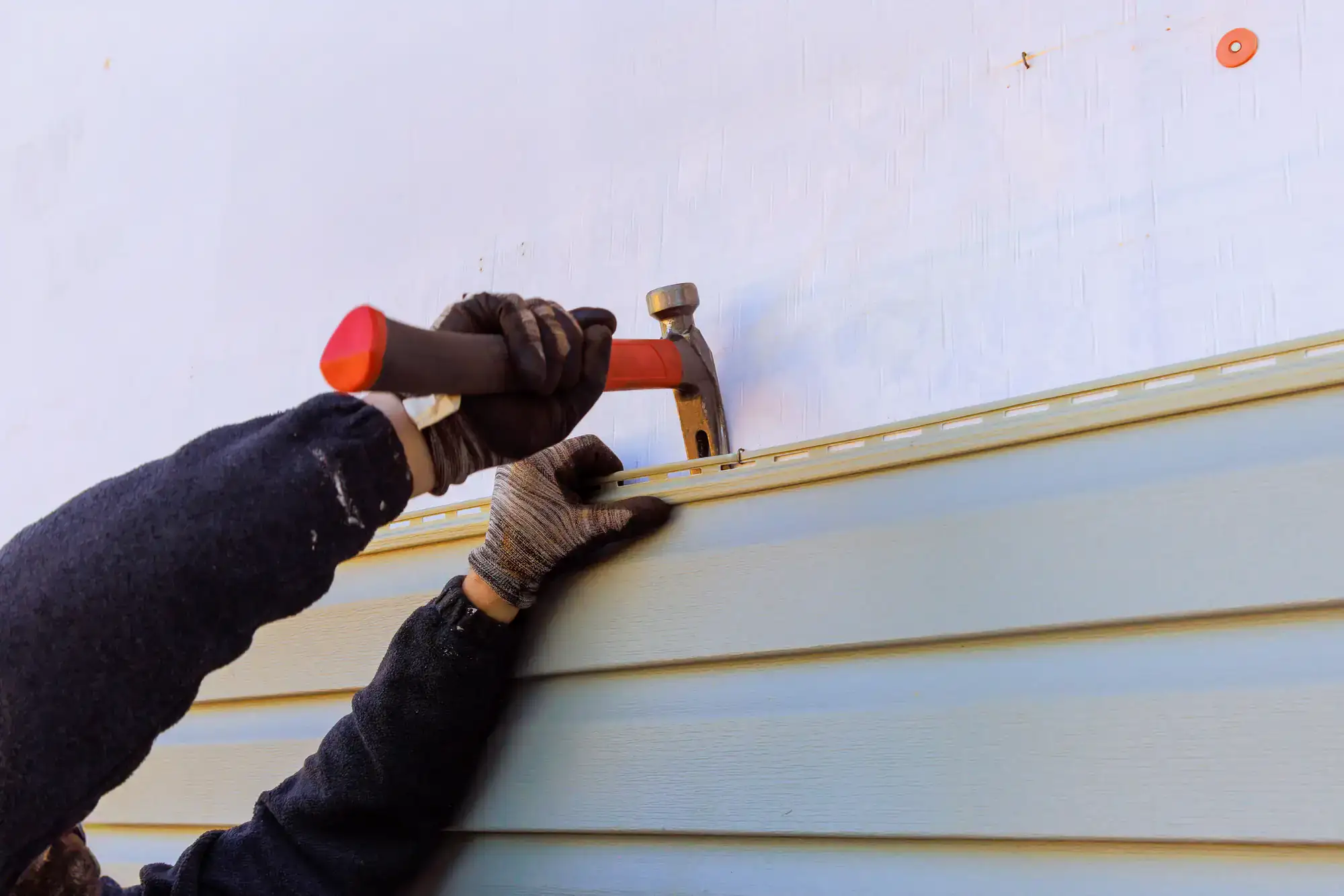
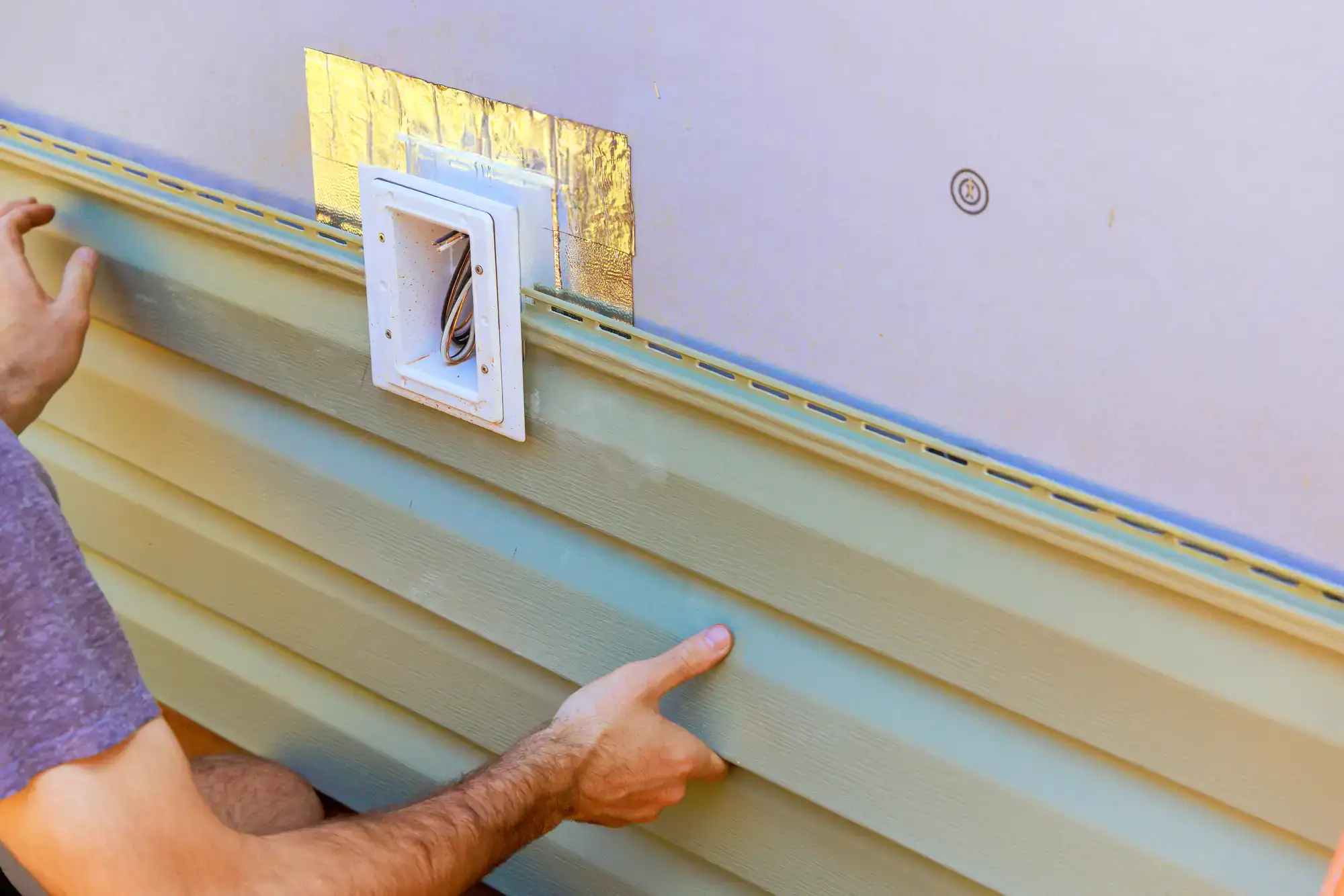
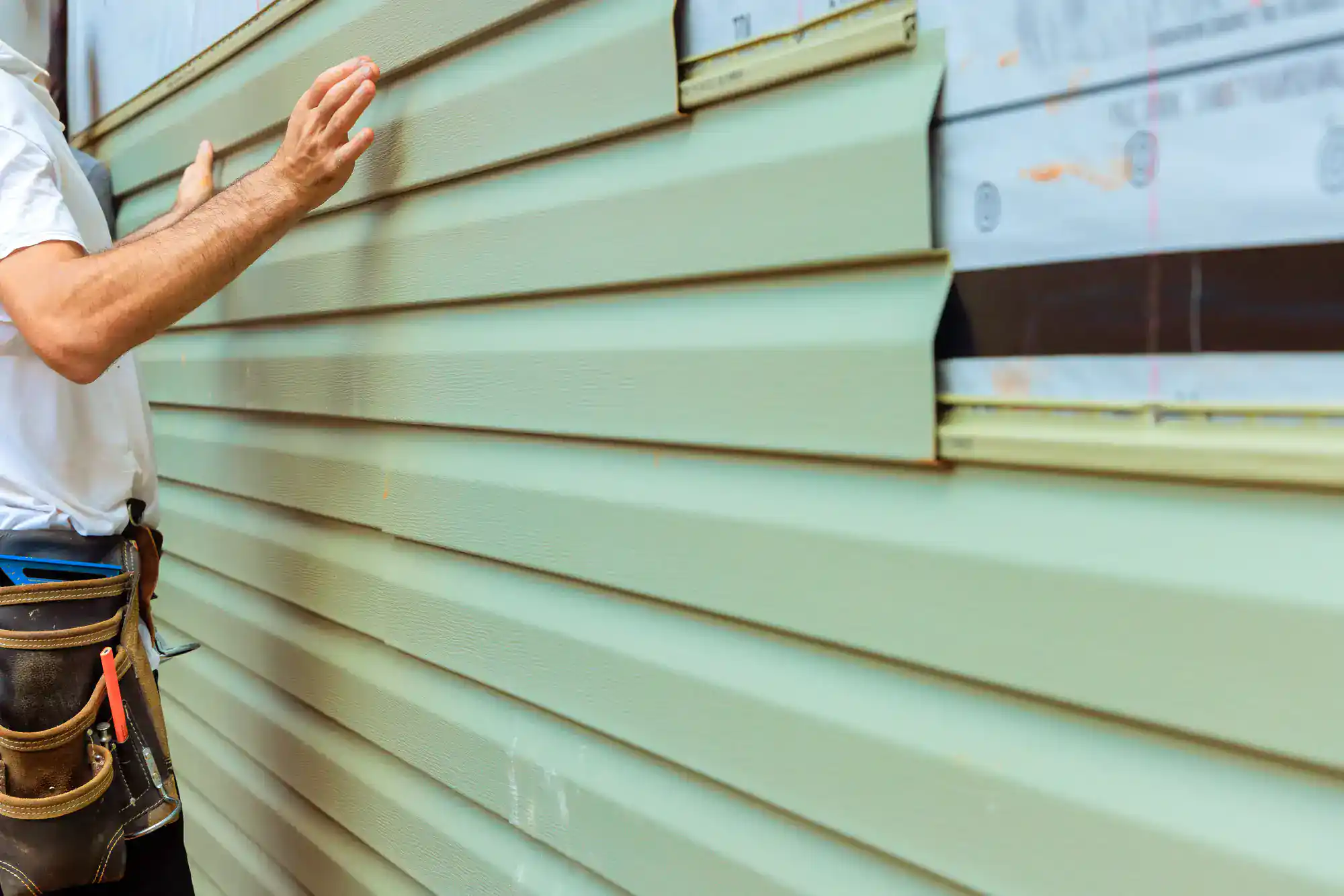
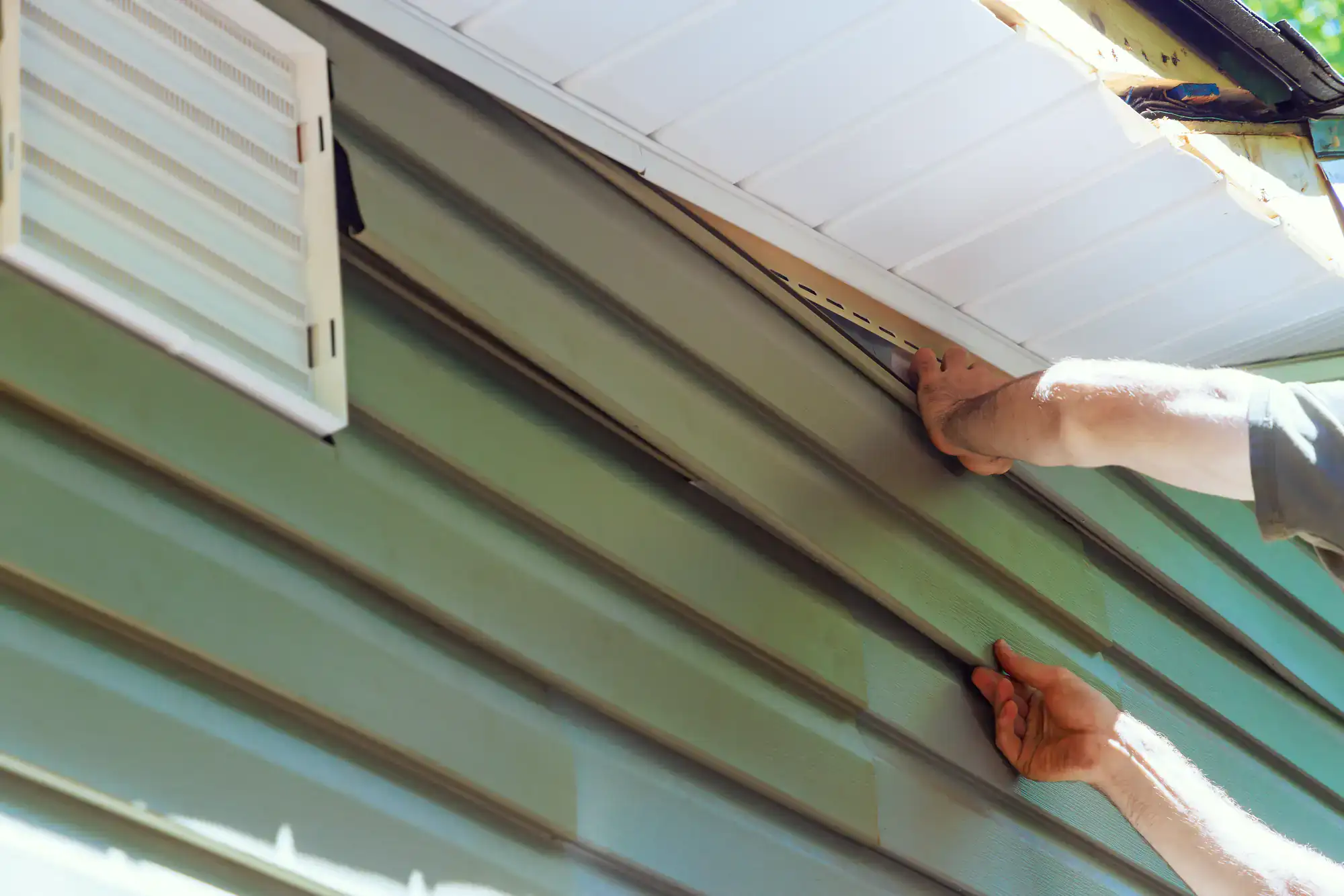
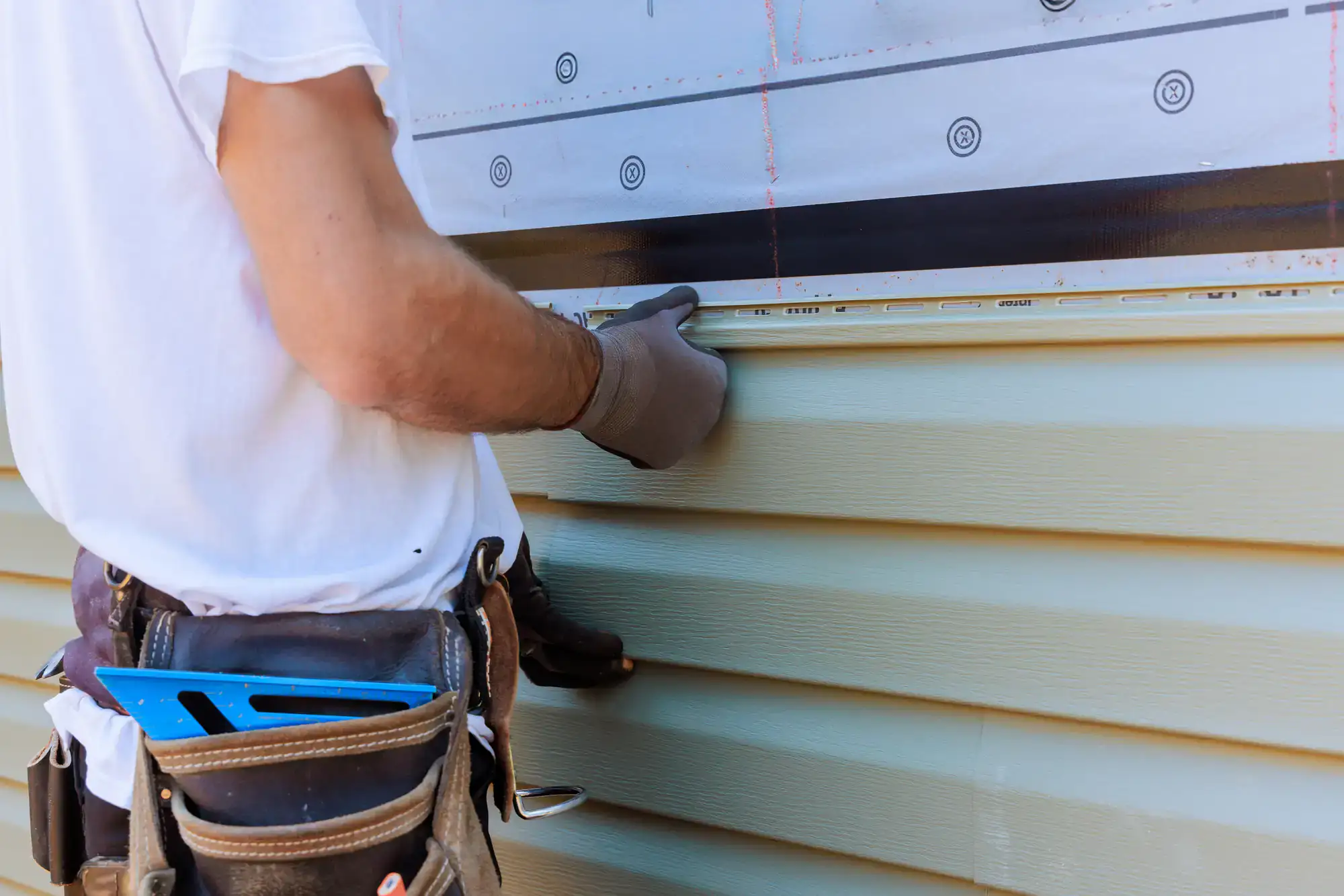
Installation starts with proper prep. Old siding comes off carefully so we don’t damage the sheathing underneath. We install a weather barrier, flash around windows and doors correctly, and then hang the new siding with the right fastening techniques and expansion gaps. Coastal humidity makes wood expand and contract more than inland areas, so if those details aren’t right, you’ll see buckling within a year.
The final walkthrough happens with you, not after you’ve already paid and we’ve left. You see what was done, ask questions, and we address anything that’s not exactly right before calling it finished.
Ready to get started?
You’re getting a full exterior assessment, not just a price per square foot. We check for underlying damage, measure accurately, and provide a detailed estimate that won’t mysteriously increase halfway through the job.
Material selection includes options that perform well in East Islip’s coastal environment. Salt air accelerates deterioration on lower-grade products, so we focus on fiber cement, insulated vinyl, and engineered wood that can handle the exposure without constant upkeep. Most of our clients see energy cost reductions between 5% and 20% after installation because modern siding actually insulates instead of just covering the house.
Installation includes proper flashing, weather barriers, and ventilation. These aren’t extras—they’re requirements if you want your siding to last. We also handle permits and inspections, which Suffolk County takes seriously. Skipping that process might save money upfront, but it’ll cost you when you try to sell or file an insurance claim.
Cleanup happens daily, not just at the end. You shouldn’t have to navigate a construction zone every time you leave your house. And the warranty covers both materials and labor, so if something fails, you’re not paying twice to fix it.
Most residential siding installation projects in East Islip run between $8,000 and $25,000 depending on your home’s size, material choice, and how much prep work is needed. Fiber cement costs more upfront but lasts longer and requires almost no maintenance. Insulated vinyl sits in the middle for cost and gives you better energy efficiency than standard vinyl.
If we find rot or water damage during the inspection, that adds to the cost because it has to be fixed before new siding goes up. Ignoring it means you’re just covering up a problem that’ll get worse. Most insurance companies offer discounts on premiums when you install impact-rated or wind-resistant siding, which can offset some of the cost over time.
The ROI on siding in Long Island typically hits 80% to 89%, which makes it one of the better home improvement investments if you’re planning to sell within the next few years. Even if you’re staying put, the energy savings and eliminated maintenance usually pay for themselves within 10 to 15 years.
Fiber cement performs best in coastal environments because it doesn’t absorb moisture, won’t rot, and resists salt corrosion better than wood or standard vinyl. It’s also fire-resistant and holds paint longer, which matters when UV exposure and salt air are constantly working against your exterior.
Insulated vinyl is the second-best option if budget is a concern. It handles humidity well, won’t warp like cheap vinyl, and the insulation layer reduces energy loss. Standard vinyl works, but it fades faster near the coast and can crack in cold weather if it’s not high-quality material.
Wood siding looks great but requires more maintenance in East Islip because moisture and salt accelerate rot and paint failure. If you go that route, expect to repaint or restain every 3 to 5 years and stay on top of caulking and sealing. Most homeowners here choose fiber cement or insulated vinyl to avoid that ongoing upkeep.
Most single-family homes take 5 to 10 days for complete siding installation, depending on size and complexity. If we’re removing old siding and repairing underlying damage, add a few extra days. Weather delays happen, especially during spring and fall when rain is more frequent.
We don’t rush the job to hit an arbitrary deadline. Proper installation requires correct fastening, flashing, and sealing at every seam and penetration. Cutting corners to finish faster means callbacks for water intrusion, buckling panels, or failed caulking within the first year.
You’ll have access to your home the entire time, and we clean up daily so you’re not living in a construction zone. Most of the noise and activity happens outside, but there will be some vibration when old siding is removed and new material is fastened. If you work from home, it’s something to plan around, but it’s not unbearable.
Yes. Suffolk County requires permits for siding replacement and installation, and the Town of Islip enforces building codes that cover material standards, installation methods, and fire resistance. Skipping the permit process might seem like a shortcut, but it creates problems when you sell the house or file an insurance claim.
We handle the permit application and inspections as part of the project. The inspector checks that flashing is installed correctly, weather barriers are in place, and the siding meets code requirements for wind resistance and fire rating. It’s not just bureaucracy—these standards exist because coastal areas face higher risks from storms and salt corrosion.
Unpermitted work can also void your homeowner’s insurance if damage occurs and the insurance company discovers the installation wasn’t done to code. It’s not worth the risk, and the permit cost is a small fraction of the overall project budget.
Insulated siding typically reduces heating and cooling costs by 5% to 20%, depending on what you’re replacing and how well your home is currently insulated. If your existing siding has gaps, cracks, or no insulation layer, the improvement will be more noticeable. Older homes in East Islip often have minimal wall insulation, so adding insulated siding makes a measurable difference.
Fiber cement doesn’t insulate as well as insulated vinyl, but it still performs better than old wood or thin vinyl because it creates a tighter seal and reduces air infiltration. The bigger energy savings come from proper installation—sealing around windows, doors, and penetrations so conditioned air isn’t escaping through gaps.
Long Island utility costs are higher than the national average, so even a 10% reduction adds up over time. Most homeowners see the energy savings within the first year, and it continues for the life of the siding. If you’re planning to stay in the house long-term, the cumulative savings can cover a significant portion of the installation cost.
Visible warping, cracks, or rot are obvious signs, but the less obvious indicators are what cause the most damage. If you’re seeing higher energy bills without explanation, that’s often air leaking through failing siding. Water stains on interior walls near exterior corners or windows mean moisture is getting behind the siding and needs to be addressed before mold becomes a problem.
Fading and chalky residue on vinyl siding are common in East Islip because salt air and UV exposure break down lower-quality materials faster. If the color has noticeably faded or the surface feels brittle, the siding is past its useful life and no longer protecting your home effectively.
Peeling paint on wood siding is another red flag, especially if it’s happening in multiple areas. That means moisture is getting into the wood, which leads to rot and structural damage if left alone. Most siding in coastal areas lasts 20 to 30 years depending on material and maintenance, so if yours is approaching that age and showing any of these signs, replacement makes more sense than patching and hoping it holds up.
Other Services we provide in East Islip