
Hear from Our Customers
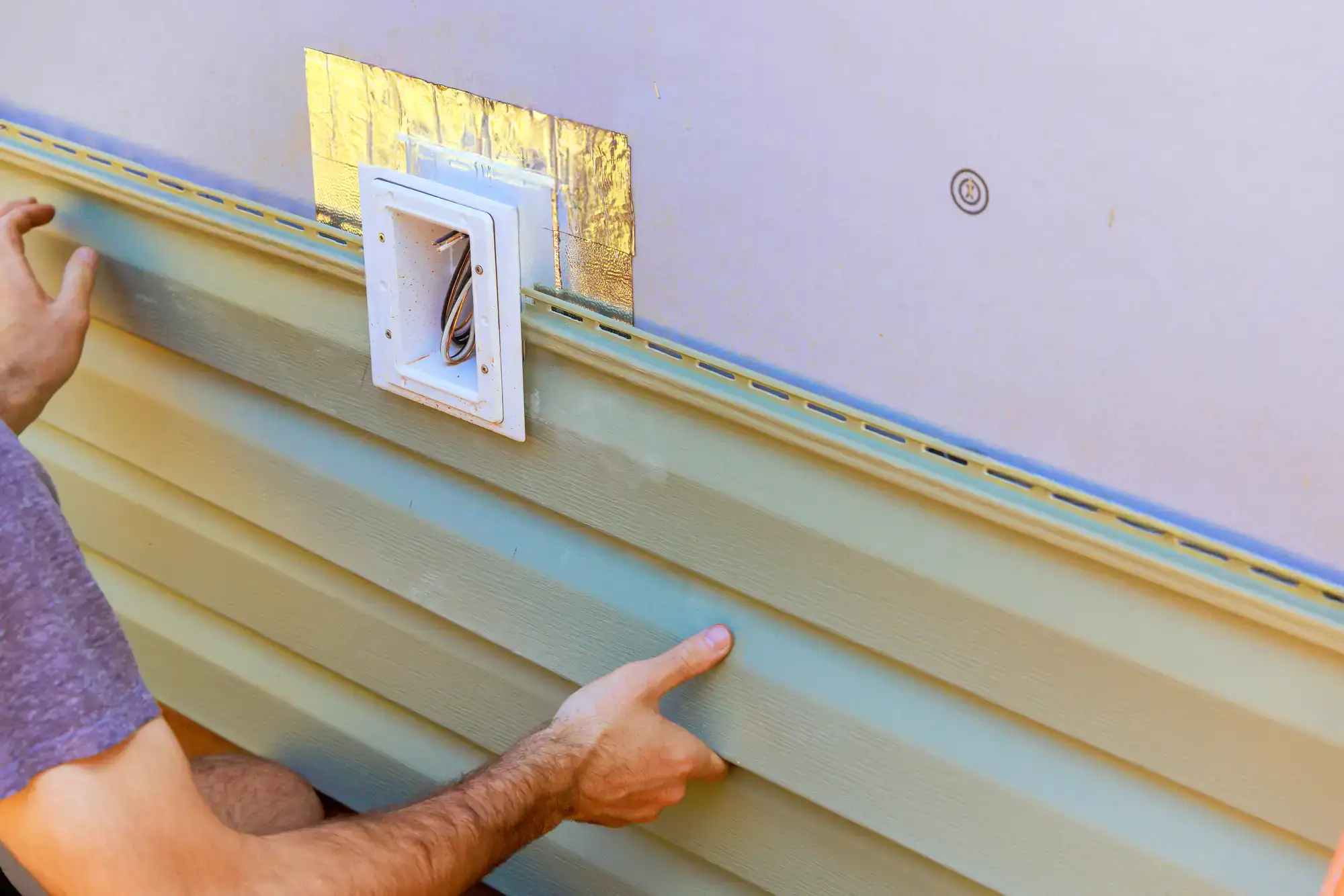
Your siding takes a beating out here. Salt air corrodes cheap materials. Humidity warps wood. Storm winds rip off panels that weren’t installed right the first time.
When your siding fails, water gets in. That means mold, rot, insulation damage, and energy bills that climb every season. You’re not just looking at cosmetic problems—you’re looking at structural issues that cost serious money to fix.
The right siding installation in Wading River, NY means materials rated for coastal conditions, proper flashing that keeps water out, and fastening systems designed for wind loads we actually see here. You get lower energy costs, fewer maintenance headaches, and a home that holds its value when you’re ready to sell. Most importantly, you stop wondering if your house can handle what’s coming next winter.
SkyLuxe Construction is a family-owned company that’s been handling exterior renovations across Suffolk County for years. We’ve seen what Hurricane Sandy did to homes in Wading River. We know what happens when siding isn’t installed to handle coastal weather.
We’re licensed, insured, and completely focused on exterior work—roofing, siding, gutters, chimneys. That’s it. We’re not trying to do everything. We’re trying to do this right.
When you call us, you’re talking to people who understand what Long Island weather does to your home. We know which materials last and which ones look good in a showroom but fail in three years. We handle permits, inspections, and Suffolk County building codes so you don’t have to chase down paperwork or worry about insurance issues down the road.
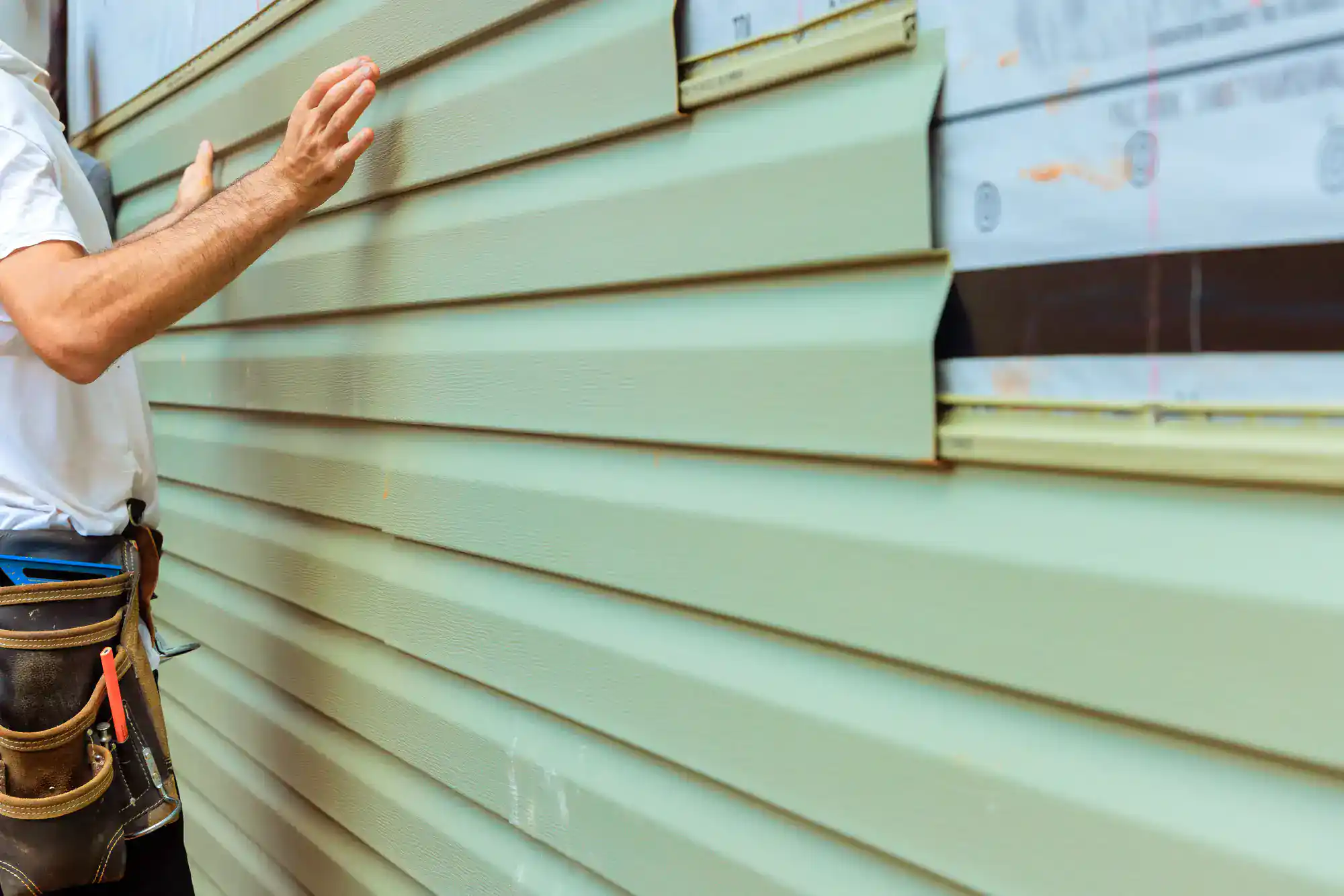
First, we come out and look at your house. We check for hidden damage, measure everything, and talk through material options that actually make sense for your home and budget. You’ll know what we found, what we recommend, and exactly what it costs before we start anything.
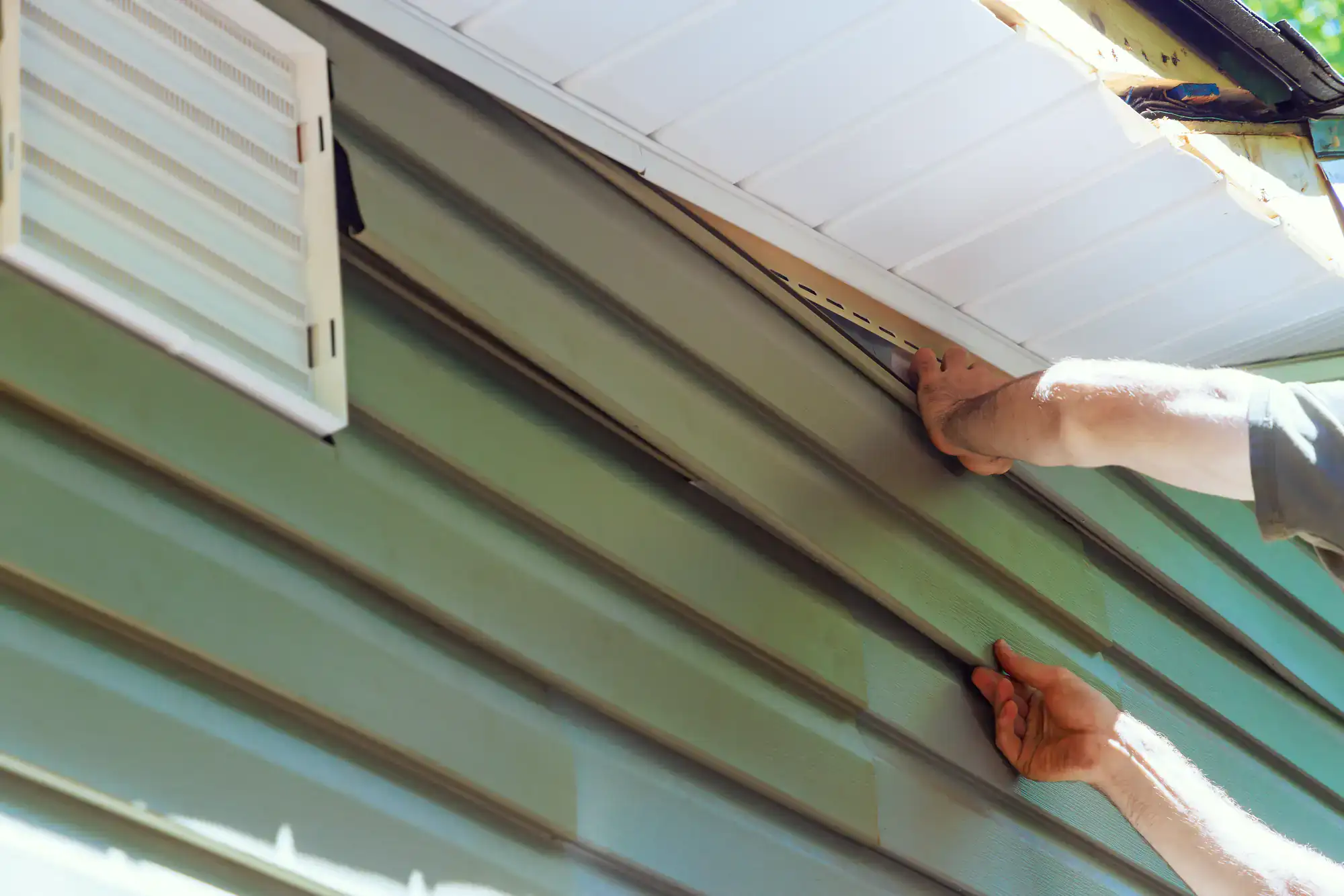
Once you’re ready to move forward, we handle the permits and schedule the work around your life—not ours. Our crew shows up on time, protects your property, and installs your siding with proper weather barriers, flashing, and fasteners rated for coastal wind loads. We’re not rushing to the next job. We’re making sure this one is done right.
After installation, we walk the property with you, answer any questions, and clean up completely. You get warranty coverage on both materials and workmanship. If something needs adjustment in the first year, we come back and handle it. No runaround, no excuses.
Ready to get started?
You’re getting a full siding replacement or installation designed for Wading River’s coastal environment. That means vinyl, fiber cement, or composite materials chosen based on what your home needs—not what’s cheapest or easiest for us to install.
We include proper underlayment and weather barriers that keep moisture out. We use stainless steel fasteners that won’t corrode in salt air. We install flashing around windows, doors, and trim the right way so water doesn’t get behind your siding and cause problems you won’t see until it’s too late.
If you’re dealing with storm damage, we document everything for insurance claims—photos, measurements, material specs. We coordinate inspections and make sure you’re meeting current building codes so your coverage doesn’t get denied over a technicality. And if you need emergency repairs after a storm, we provide temporary weatherproofing while we schedule permanent fixes.
Energy efficiency matters here too. Insulated siding options can cut heat loss significantly and qualify for rebates through New York State programs and federal tax credits. We’ll walk you through what’s available and what actually makes sense for your situation—not just what earns us a bigger check.
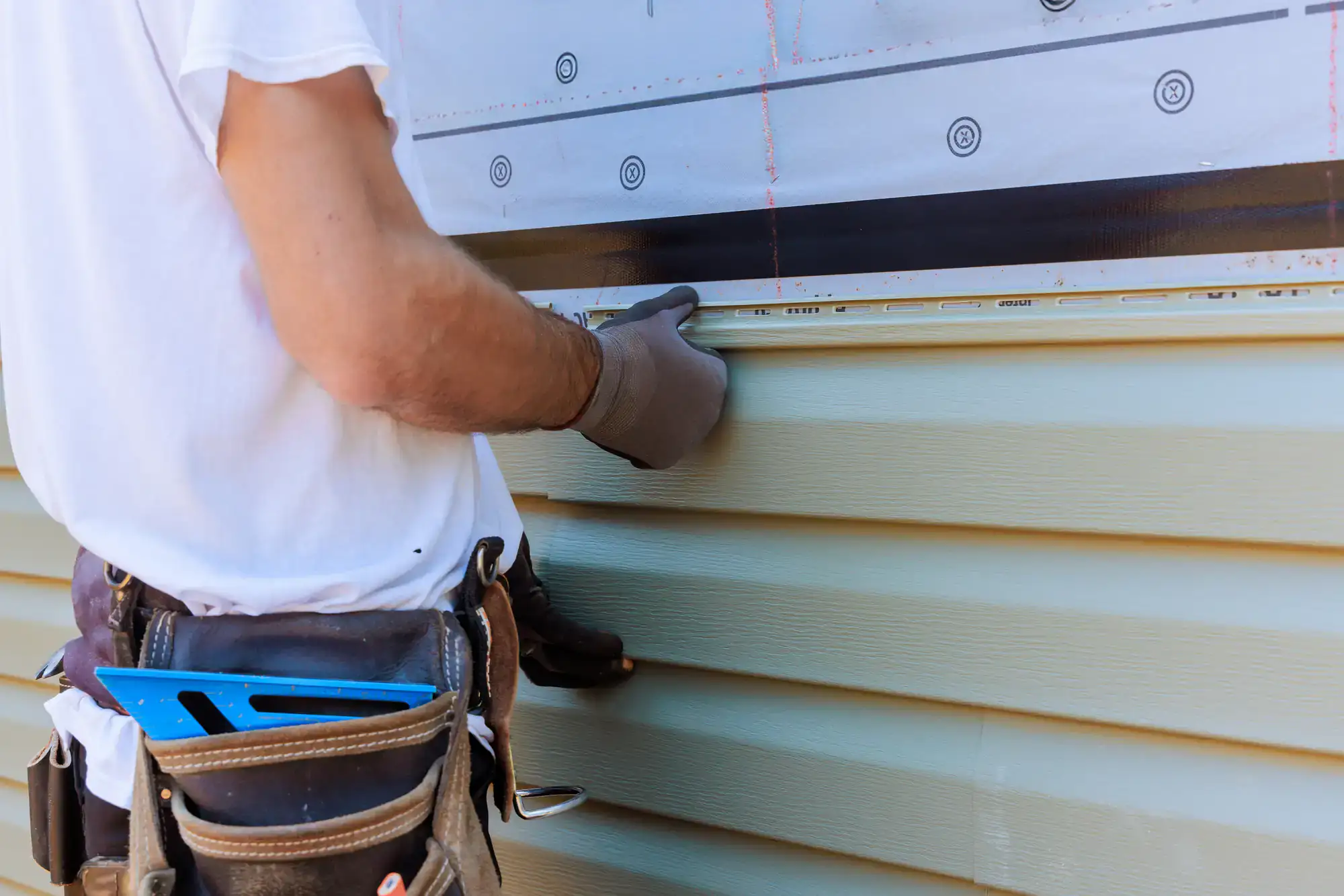
Fiber cement and vinyl are your best options for coastal conditions. Fiber cement handles salt air, humidity, and temperature swings without warping or rotting. It’s heavier and more expensive, but it lasts 30-50 years with minimal maintenance. Vinyl is lighter, costs less, and resists moisture and salt corrosion extremely well—but you need quality vinyl, not the thin stuff that cracks in cold weather.
Wood siding looks great but requires constant maintenance out here. Salt air accelerates rot, and humidity creates perfect conditions for mold and insect damage. If you love the look of wood, consider fiber cement with a wood-grain texture. You get the aesthetic without the maintenance nightmare.
Aluminum works, but it dents easily and shows wear faster in coastal environments. Composite materials are gaining popularity because they combine durability with low maintenance, but they cost more upfront. The right choice depends on your budget, how long you plan to stay in the home, and how much maintenance you’re willing to do.
Most full siding replacements in Wading River run between $12,000 and $35,000, depending on your home’s size, material choice, and how much prep work is needed. Vinyl typically costs $4-8 per square foot installed. Fiber cement runs $8-12 per square foot. Composite materials can hit $10-15 per square foot.
Those prices include removal of old siding, proper underlayment and weather barriers, new siding installation, trim work, and cleanup. If we find rot or structural damage during removal, that adds to the cost—but it’s better to fix it now than let it get worse behind new siding.
Permits in Suffolk County typically run $200-500 depending on the scope of work. Insurance might cover storm damage, but you’ll need proper documentation and an adjuster’s approval. We handle that process and make sure you’re meeting code requirements so your claim doesn’t get denied. Don’t skip permits to save money. It’ll come back to bite you when you try to sell or file an insurance claim later.
Most residential siding installations take 1-2 weeks from start to finish. Smaller homes or partial replacements might take 3-5 days. Larger homes or projects with significant rot repair can stretch to 3 weeks.
Weather delays happen, especially during spring and fall when rain is more frequent. We can’t install siding in heavy rain or high winds—it compromises the installation and voids material warranties. We’ll keep you updated if weather pushes the timeline back.
The permit process adds time upfront. Suffolk County usually processes permits within 1-2 weeks, but it can take longer during busy seasons. We submit everything and handle inspections, but you should factor that into your planning if you’re trying to complete the project before winter or before listing your home for sale. Emergency storm repairs get priority scheduling, often with temporary protection installed within 24-48 hours while we order materials for permanent repairs.
Yes, but how much depends on what you’re replacing and what you install. If your current siding has gaps, cracks, or damaged underlayment, you’re losing conditioned air constantly. New siding with proper weather barriers and insulated backing can cut heat loss by 20-30% in winter and reduce cooling costs in summer.
Insulated vinyl siding adds a foam backing that increases your home’s R-value—basically, how well your walls resist heat transfer. Standard vinyl has an R-value around 0.61. Insulated vinyl can reach R-3 to R-5. That’s not as good as adding wall insulation, but it makes a noticeable difference if you’re replacing siding anyway.
Fiber cement doesn’t insulate as well on its own, but it creates a tighter seal against weather when installed correctly. The real energy savings come from eliminating air leaks and moisture infiltration that compromise your existing insulation. You might also qualify for New York State rebates on energy-efficient materials and federal tax credits up to 30% on qualifying improvements. We’ll let you know what applies to your project during the estimate.
It depends on the extent of damage and the age of your current siding. If you’ve got isolated storm damage on one wall and the rest of your siding is in good shape, a partial replacement makes sense. We can often match existing materials and colors, especially with vinyl and fiber cement.
But if your siding is 15-20 years old and showing wear in multiple areas, patching it is just delaying the inevitable. You’ll spend money on repairs now, then need a full replacement in a few years anyway. Plus, it’s hard to match faded siding perfectly—repairs often look like patches even when the material is identical.
Hidden damage is the bigger concern. If water has been getting behind your siding, you might have rot in the sheathing or framing that you can’t see from outside. We check for that during inspections. Sometimes what looks like a small repair turns into a bigger project once we remove damaged sections and see what’s underneath. We’ll always show you what we find and explain your options before moving forward. The goal is to fix it right, not sell you work you don’t need.
Homeowners insurance typically covers sudden storm damage—wind, hail, falling trees—but not wear and tear or maintenance issues. If a storm rips off siding panels or a tree branch punches through your wall, that’s usually covered. If your siding is rotting because it’s old and wasn’t maintained, insurance won’t pay for replacement.
The key is documentation. Take photos immediately after storm damage occurs. Don’t wait weeks to file a claim or start repairs—insurance companies can deny claims if they think the damage happened earlier or got worse because you delayed action. Call your insurance company first, then call us for temporary protection and a damage assessment.
We provide detailed documentation for insurance claims—photos, measurements, material specifications, and repair estimates. We’ve worked with adjusters across Suffolk County and know what they need to approve claims. Sometimes adjusters lowball estimates or miss hidden damage. We’ll walk the property with them and make sure everything is documented correctly. Just remember: your policy might have a deductible, and filing claims can affect your premiums. We’ll give you an honest assessment of whether it makes sense to file or pay out of pocket based on the damage and your deductible.
Other Services we provide in Wading River