
Hear from Our Customers
You stop worrying every time a Nor’easter rolls in. The wind hits, the rain comes sideways, and your home holds up without patches, leaks, or emergency calls.
Your heating bill drops because cold air isn’t sneaking through gaps in worn-out panels. In summer, your AC isn’t working overtime to compensate for heat transfer. That’s an extra $900 a year staying in your account instead of going to the utility company.
You’re not repainting every few seasons or scraping bubbled sections off the side of your house. The siding keeps its color, sheds water properly, and doesn’t become a weekend project. It just works, year after year, through whatever Suffolk County weather throws at it.
And when it’s time to sell, buyers see a home that’s been protected. That matters here, where storm damage history and moisture problems can kill a deal before it starts.
We’ve spent years installing and replacing siding across Islip Terrace and Suffolk County. We’re not a national franchise that parachutes in after a storm. We live here, work here, and know exactly what coastal wind and salt air do to exterior materials over time.
Our team understands the difference between a quick patch and a system that’ll hold up for decades. We’ve seen what happens when siding gets installed wrong—the callbacks, the moisture damage, the frustrated homeowners who thought they were done. That’s why we focus on getting it right the first time, using materials rated for the conditions you actually face.
You’ll work with licensed, insured professionals who show up when they say they will and finish on schedule. No disappearing acts, no surprise costs, no cutting corners when you’re not looking.
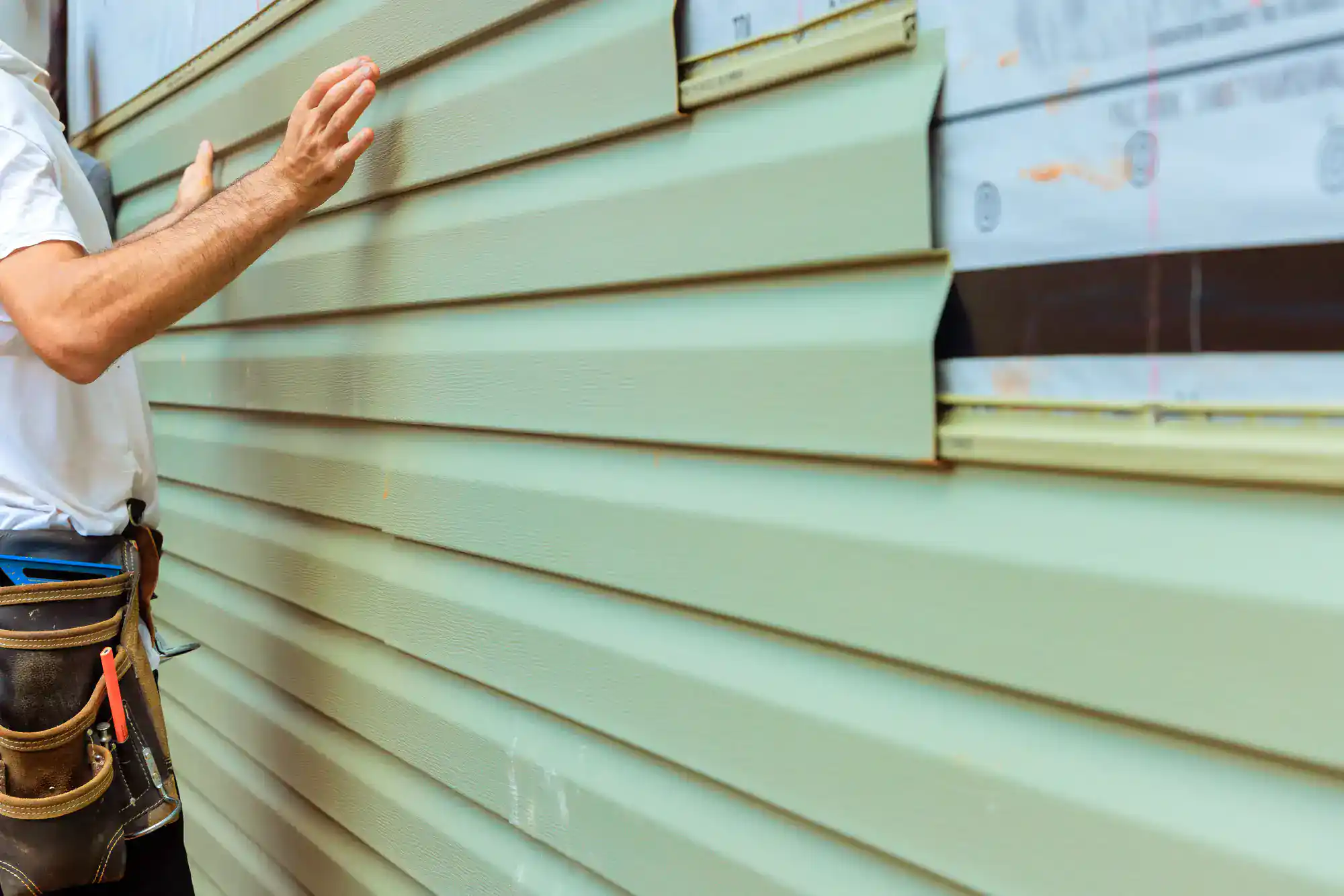
We start with an inspection of your current siding and the structure underneath. That means checking for moisture damage, rot, or insulation problems that need fixing before new siding goes up. Skipping this step is how contractors create bigger problems down the road.
Once we know what we’re working with, you’ll get a clear estimate that breaks down materials, labor, and timeline. No vague “we’ll figure it out as we go” pricing. You’ll know what you’re paying for and why.
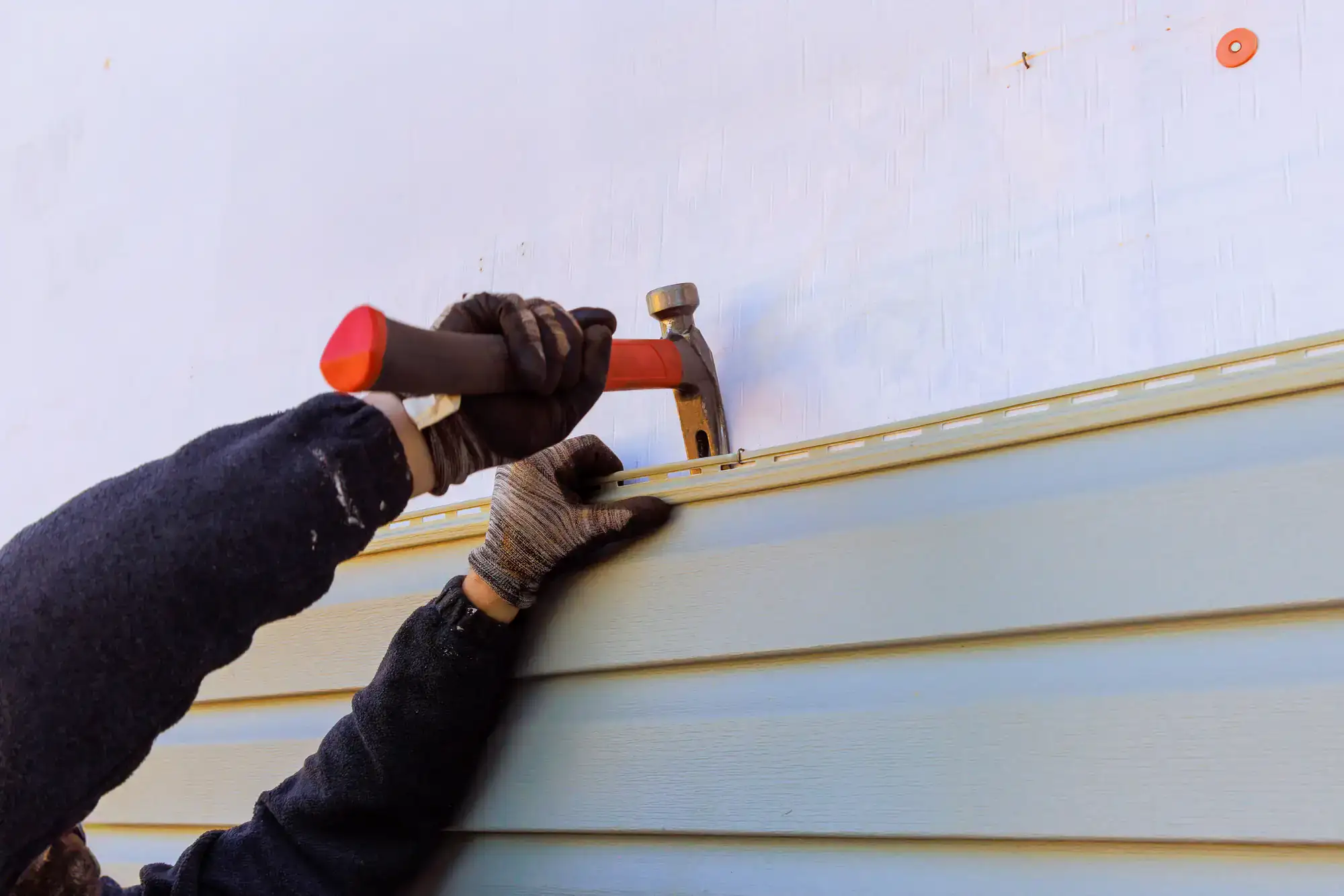
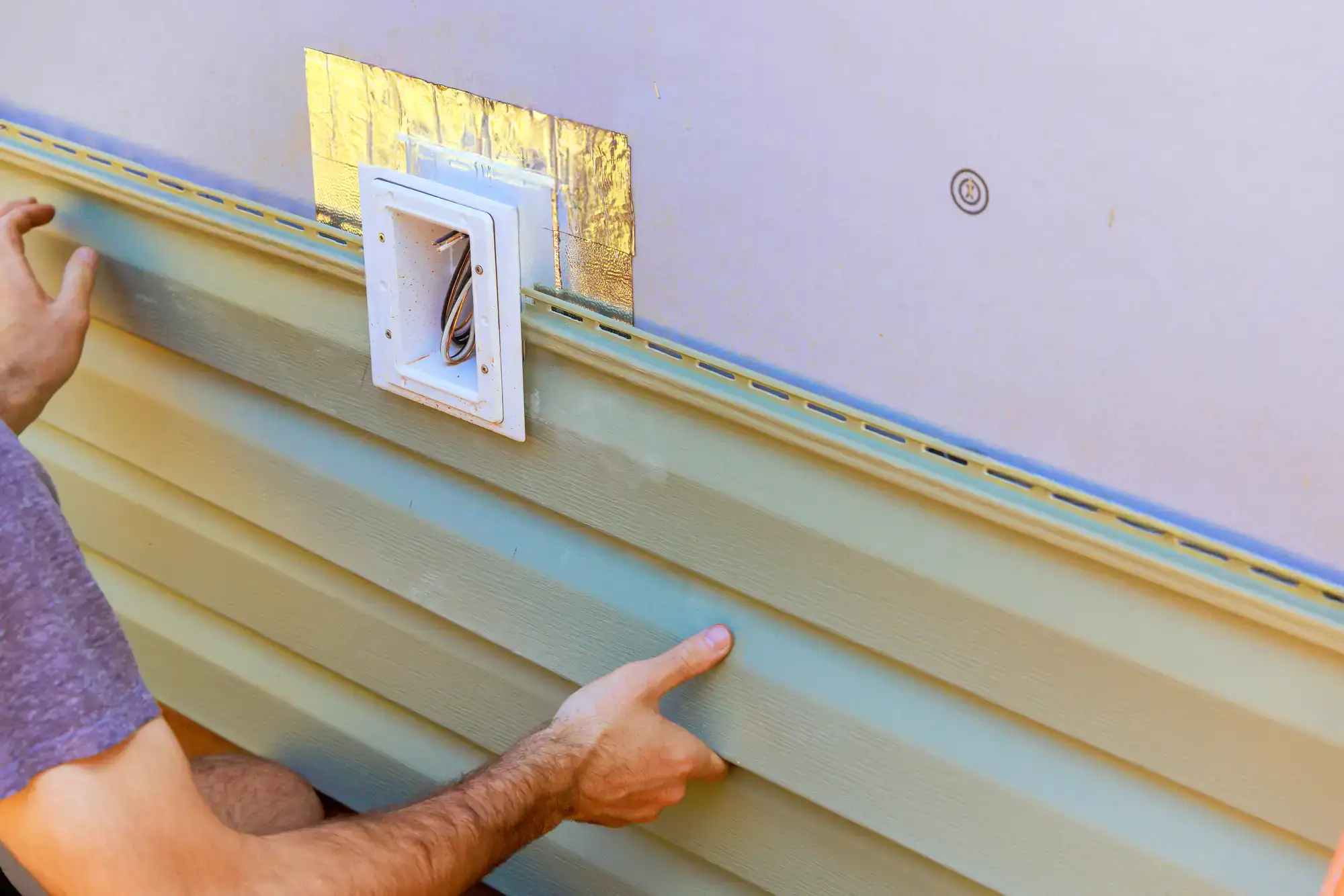
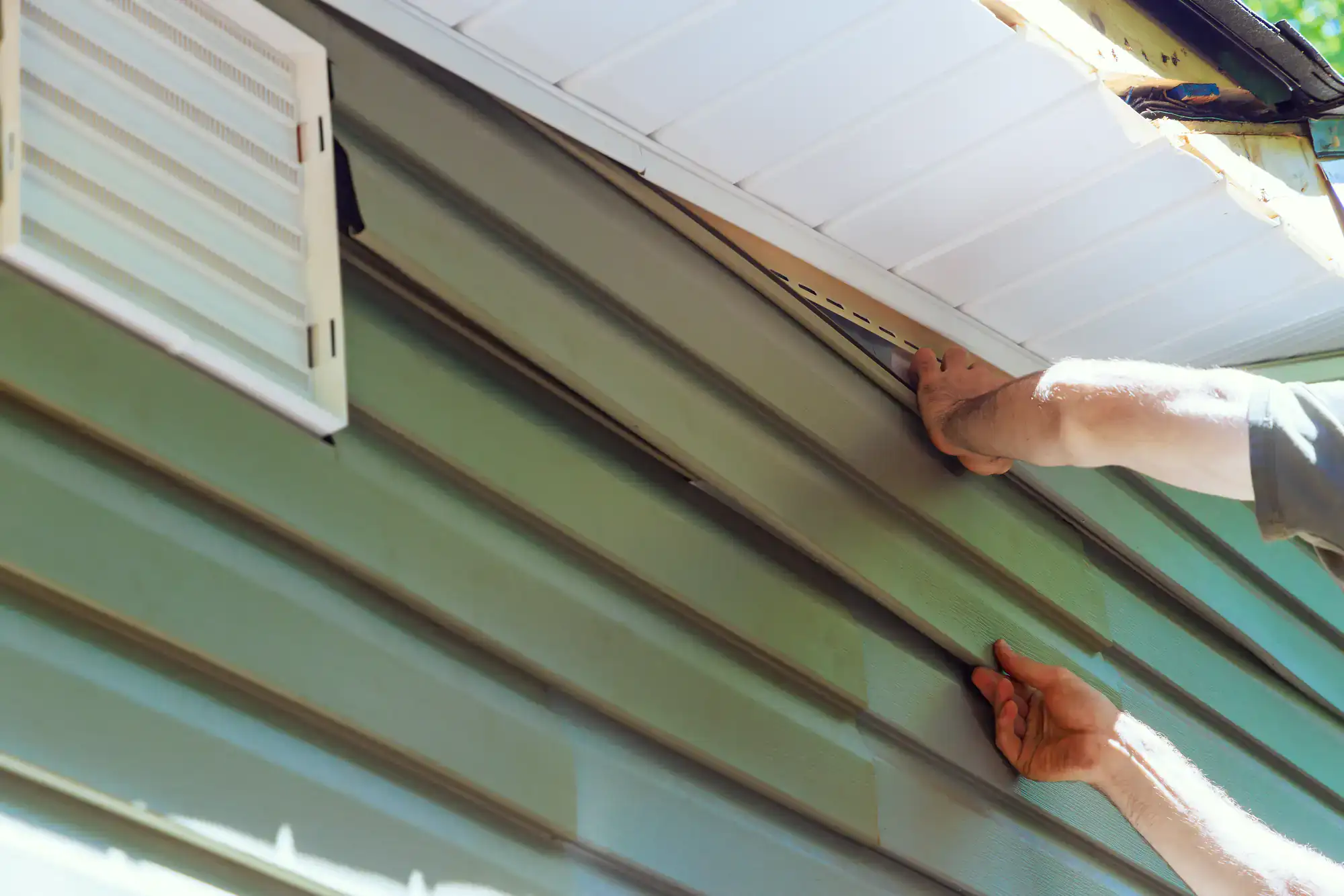
Installation starts with proper prep—removing old siding carefully, addressing any underlying issues, and making sure your home is ready for a weather-tight seal. Then we install your new siding with attention to manufacturer specs, which is critical for warranty protection and long-term performance. Corners, seams, and flashing get done right because that’s where most failures happen.
Throughout the job, you’ll see the owner on-site inspecting the work. When we’re done, you get a walkthrough, warranty information, and a home that’s ready for whatever weather comes next.
Ready to get started?
You’re getting siding rated to handle wind speeds up to 110 mph—that’s Category 3 hurricane force. In Islip Terrace, where coastal storms are a fact of life, that rating isn’t optional. It’s the difference between a system that holds and one that gets shredded.
The materials we install include insulated backing that creates a thermal barrier. That’s what stops the heat transfer that makes your HVAC system work harder than it should. Vinyl siding with proper insulation can cut energy waste by 15-20%, which translates directly to lower bills every month.
You’re also getting a system designed to shed water, not trap it. Proper installation means moisture runs off instead of seeping behind panels where it causes mold, rot, and expensive structural repairs. We’re talking about preventing the $5,000-$10,000 fixes that happen when water gets where it shouldn’t.
And because we use quality materials installed to manufacturer standards, you get warranty protection that actually means something. If there’s an issue, you’re covered—and so are we, because we did the job right.
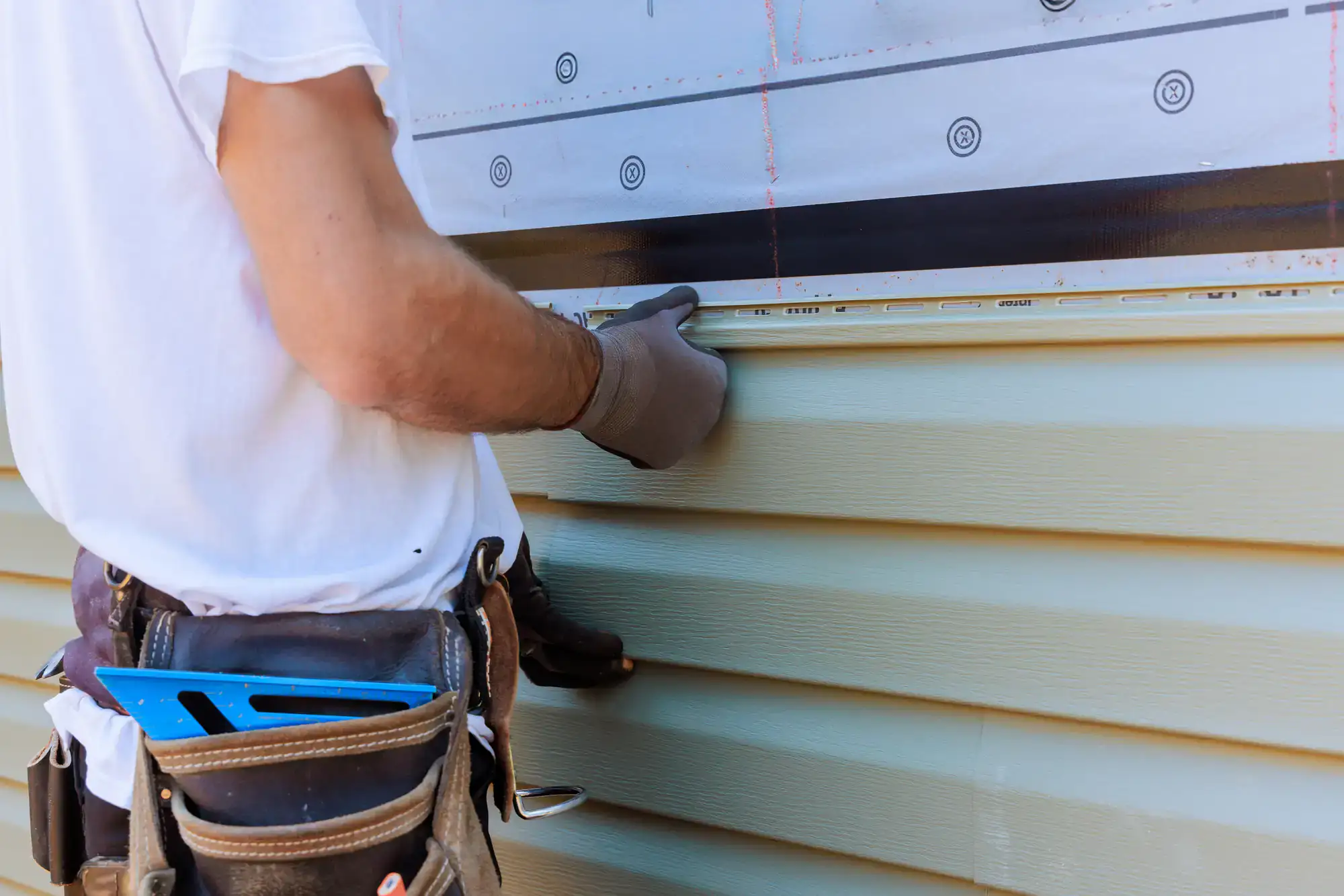
Most residential siding installations in Islip Terrace take between 5-10 days, depending on your home’s size and the condition of what’s underneath. A typical single-family home runs about a week from start to finish.
Weather can affect the timeline, especially if we hit a stretch of heavy rain or high winds. We won’t install in conditions that compromise the quality of the work. That might add a day or two, but it’s better than rushing through and creating problems you’ll pay for later.
If we find rot or structural issues during the tear-off, that adds time too. We’ll let you know immediately if something needs addressing before new siding goes up. Ignoring those problems doesn’t make them go away—it just hides them behind new panels until they get worse.
Vinyl and fiber cement both perform well in Islip Terrace’s coastal environment, but they handle it differently. Vinyl is lighter, costs less, and requires almost no maintenance. It won’t rot, doesn’t attract insects, and holds up to salt air without corroding. Modern vinyl can take serious wind and won’t fade like the older stuff from 20 years ago.
Fiber cement is heavier and more expensive, but it’s incredibly durable and gives you more texture options if you want a wood-grain look. It’s also fire-resistant, which matters for insurance in some cases. The tradeoff is that it needs repainting every 10-15 years, while vinyl doesn’t.
For most homeowners here, insulated vinyl hits the sweet spot—it handles the weather, saves energy, and doesn’t demand constant upkeep. But if you’re looking for a specific aesthetic or maximum impact resistance, fiber cement is worth considering. We’ll walk through both options based on what matters most to you.
If damage is isolated to one section—maybe a few panels got ripped off in a storm—repair makes sense. But if you’re patching the same area repeatedly, or if problems are showing up in multiple spots, the system is telling you it’s done.
Look for widespread fading, cracks, warping, or panels that won’t lie flat anymore. Those are signs the material has reached the end of its lifespan. Paint that bubbles or peels usually means water is getting trapped underneath, which points to a bigger problem than cosmetics.
Another red flag is your energy bill creeping up without explanation. If your siding and insulation are failing, you’re losing conditioned air through your walls. That 15-20% energy waste adds up to about $900 annually for Long Island homeowners. At that point, replacement pays for itself over time while solving the underlying issue. We can assess your specific situation and give you an honest answer about whether repair or replacement makes more sense.
Yes, if your current siding is old or poorly insulated. The key is the thermal backing that goes behind modern vinyl siding. That insulation layer stops heat transfer, which is how energy escapes through your walls.
In winter, it keeps warm air inside instead of letting it seep out through gaps and thin spots. In summer, it blocks external heat from radiating into your home. Your HVAC system doesn’t have to work as hard to maintain temperature, which means it uses less energy.
For homes in Islip Terrace with outdated siding, we typically see energy waste in the 15-20% range. That’s real money—around $900 a year for the average household here. New insulated siding cuts that waste significantly. You won’t see the savings all at once, but every monthly utility bill will be lower than it would’ve been. Over the life of the siding, that adds up to thousands of dollars staying in your pocket instead of going to the power company.
We find it during the inspection or tear-off, and we fix it before installing anything new. Common issues include rotted sheathing, water-damaged insulation, or mold growth from years of moisture intrusion. None of that goes away just because you cover it with new siding.
If we discover problems, we’ll show you exactly what’s going on and explain what needs to happen. Sometimes it’s a small section that needs replacing. Other times, especially in older homes or homes that have had leaks, the damage is more extensive. Either way, you’ll get a clear explanation and an updated cost before we proceed.
Skipping those repairs is how contractors create callbacks and angry customers. The new siding might look great for six months, but the rot keeps spreading underneath until you’ve got structural problems that cost exponentially more to fix. We’d rather address it upfront when it’s manageable, so your investment actually protects your home instead of just hiding issues temporarily.
Yes. Siding replacement in Islip Terrace typically requires a building permit, and we handle that process. It’s part of the service—you shouldn’t have to navigate town requirements or stand in line at the building department.
We pull the permit, schedule inspections, and make sure the work meets local code. That matters because unpermitted work can cause problems when you sell your home or file an insurance claim. Buyers’ attorneys ask about permits during closing, and insurance companies can deny claims if they find out work wasn’t done legally.
The permit process adds a few days to the timeline, but it protects you. It also means the work gets inspected by someone other than us, which gives you an extra layer of verification that everything was done correctly. We’re confident in our work, so we have no problem with inspections. It’s just part of doing the job right.
Other Services we provide in Islip Terrace