
Hear from Our Customers
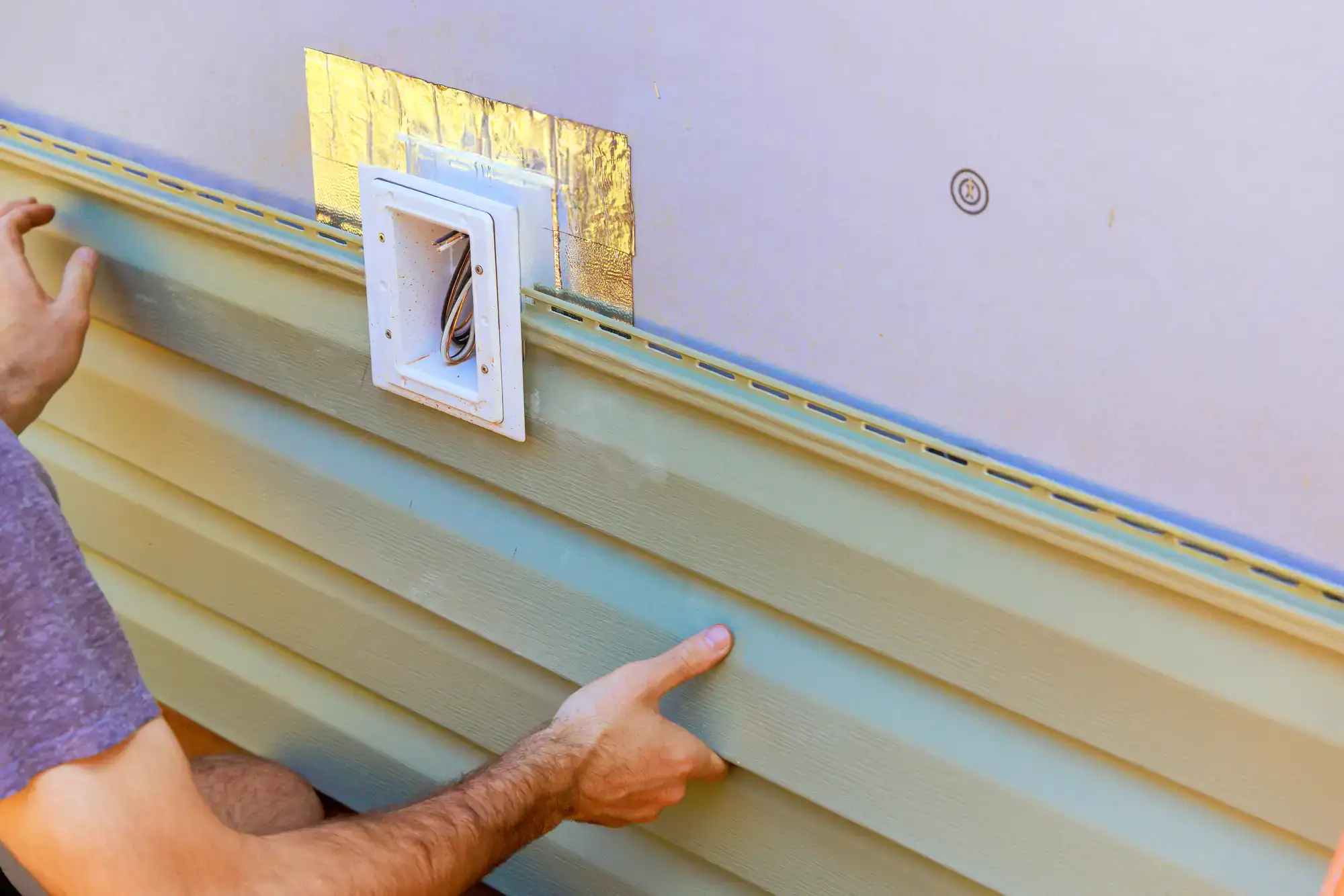
That warped panel isn’t just ugly. It’s letting moisture behind your walls and pushing your heating bills higher every month.
Orient’s location on the North Fork means your home takes a beating. Salt-laden air corrodes fasteners. Wind-driven rain finds every gap. Summer humidity breeds mold. Winter freeze-thaw cycles crack weak materials.
New siding installation in Orient, NY stops the damage before it reaches your sheathing and insulation. You get a weather-tight envelope that cuts energy loss, blocks moisture intrusion, and stands up to the next nor’easter without flinching. Most homeowners see the difference on their first utility bill after installation.
The right materials matter here. Fiber cement handles coastal conditions better than vinyl in high-wind zones. Insulated options add R-value where you need it most. And proper installation—with corrosion-resistant fasteners and integrated water management—means your investment lasts decades, not years.
We’ve worked on North Fork homes for over 35 years. We’ve replaced siding damaged by Hurricane Sandy, patched wind tears from surprise summer storms, and rebuilt exteriors after ice dams did their worst.
That experience matters when you’re choosing exterior siding contractors in Orient, NY. We know which materials hold up to salt air. We know how to flash transitions so water doesn’t pool behind your corners. And we know the difference between a five-year fix and a permanent solution.
Every project gets family oversight. No subcontractors. No rotating crews. Just experienced installers who understand that your home sits in one of the harshest climates on Long Island—and needs siding that can handle it.
We start with an inspection of your current siding and sheathing. You need to know what’s happening behind those panels before we quote anything. If there’s rot or water damage, we find it now—not halfway through the job.
Next, we walk you through material options that actually make sense for Orient’s coastal environment. We’ll explain why certain products work better here, what warranties cover, and what you can expect for maintenance over the next 20 years. No upselling. Just the facts.
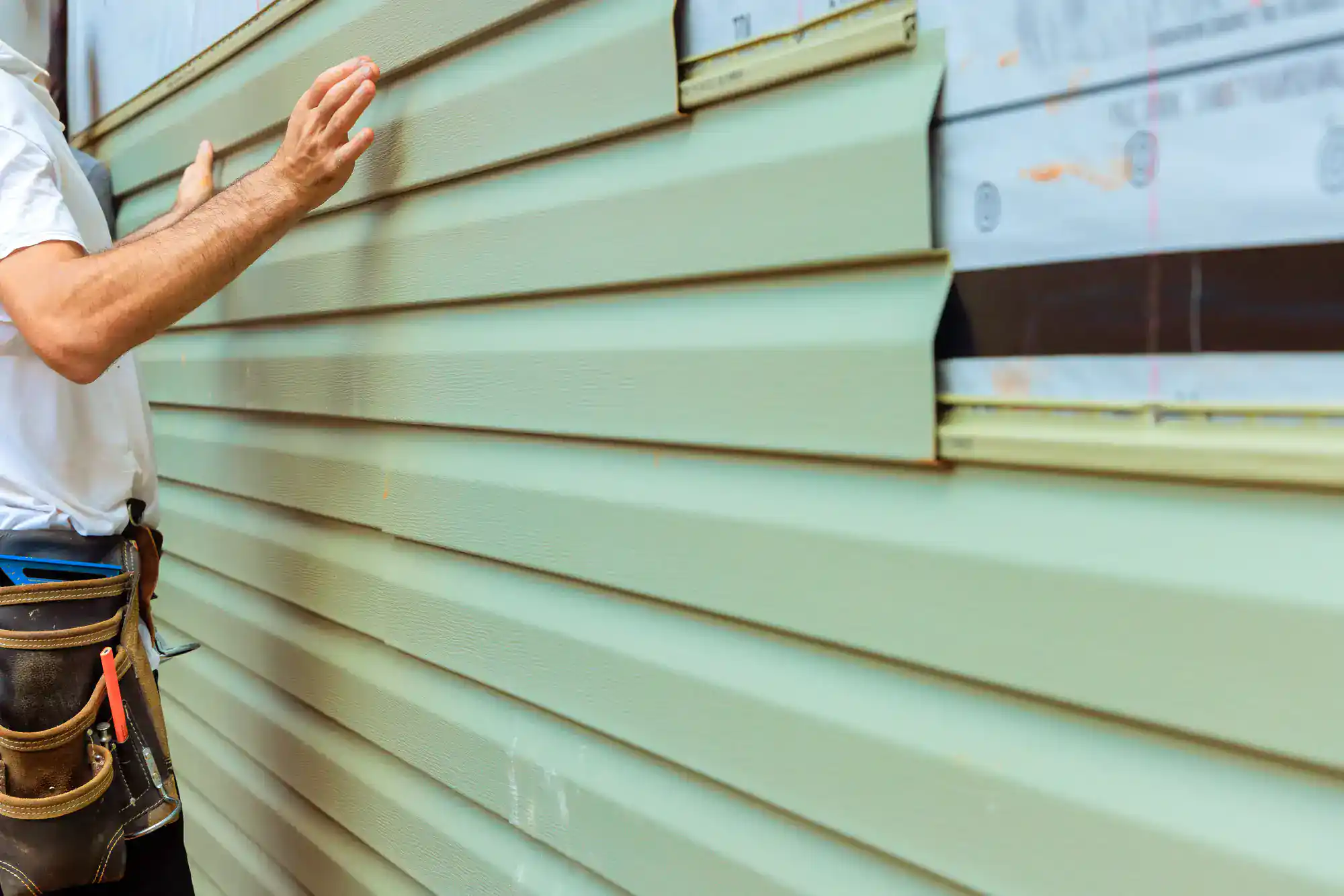
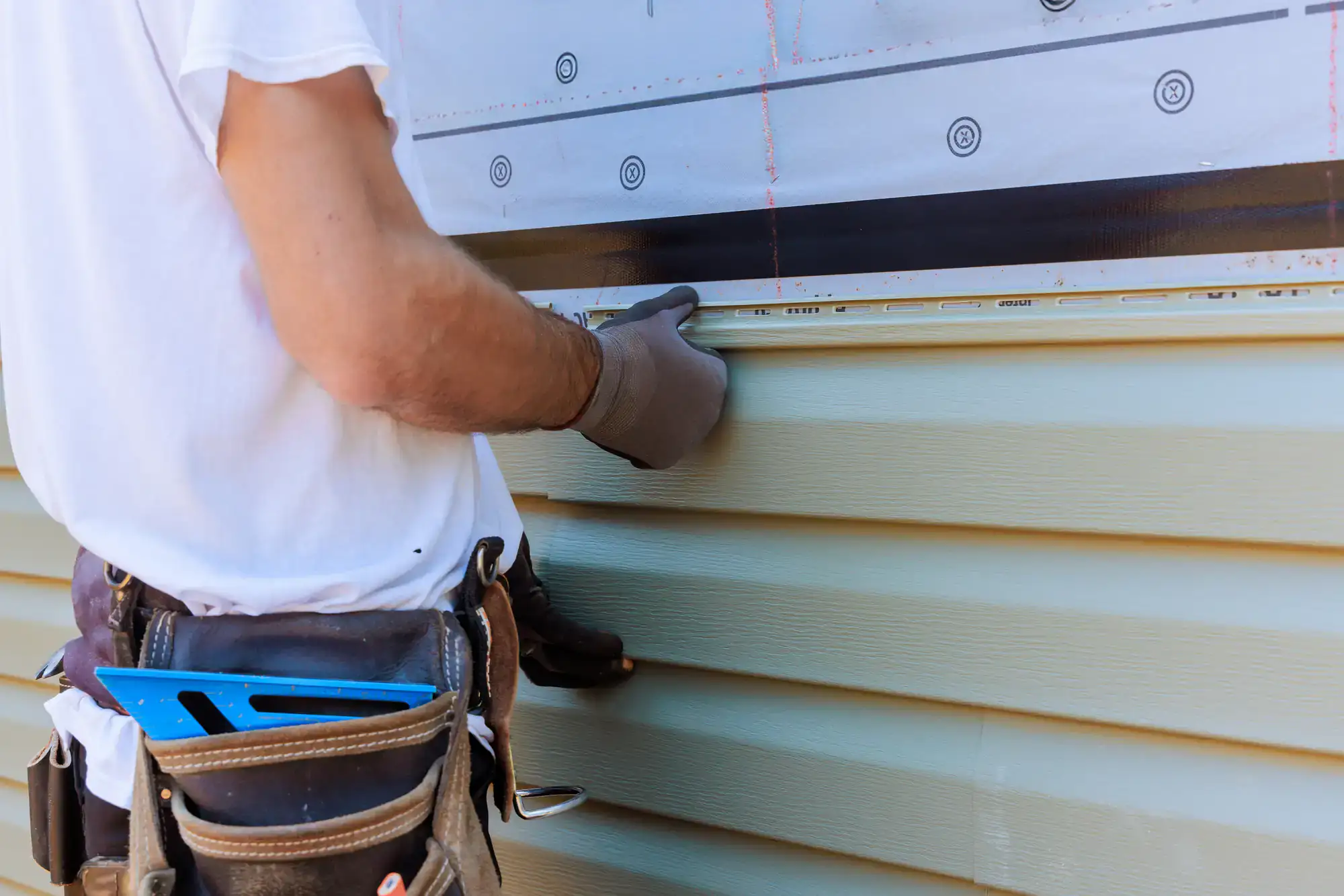
Installation starts with proper prep. We remove old siding, inspect and repair sheathing as needed, and install a weather-resistant barrier that’s rated for high-wind zones. Then we install your new siding with stainless fasteners, proper flashing at all penetrations, and attention to expansion gaps that prevent buckling in summer heat.
The final walkthrough covers maintenance requirements and warranty details. You’ll know exactly what to watch for and how to keep your investment protected. Most residential siding installation projects in Orient wrap up in 5-10 days, depending on home size and weather conditions.
Ready to get started?
You’re not just getting new panels nailed to your house. Professional siding installation in Orient, NY means a complete weather barrier system designed for coastal exposure.
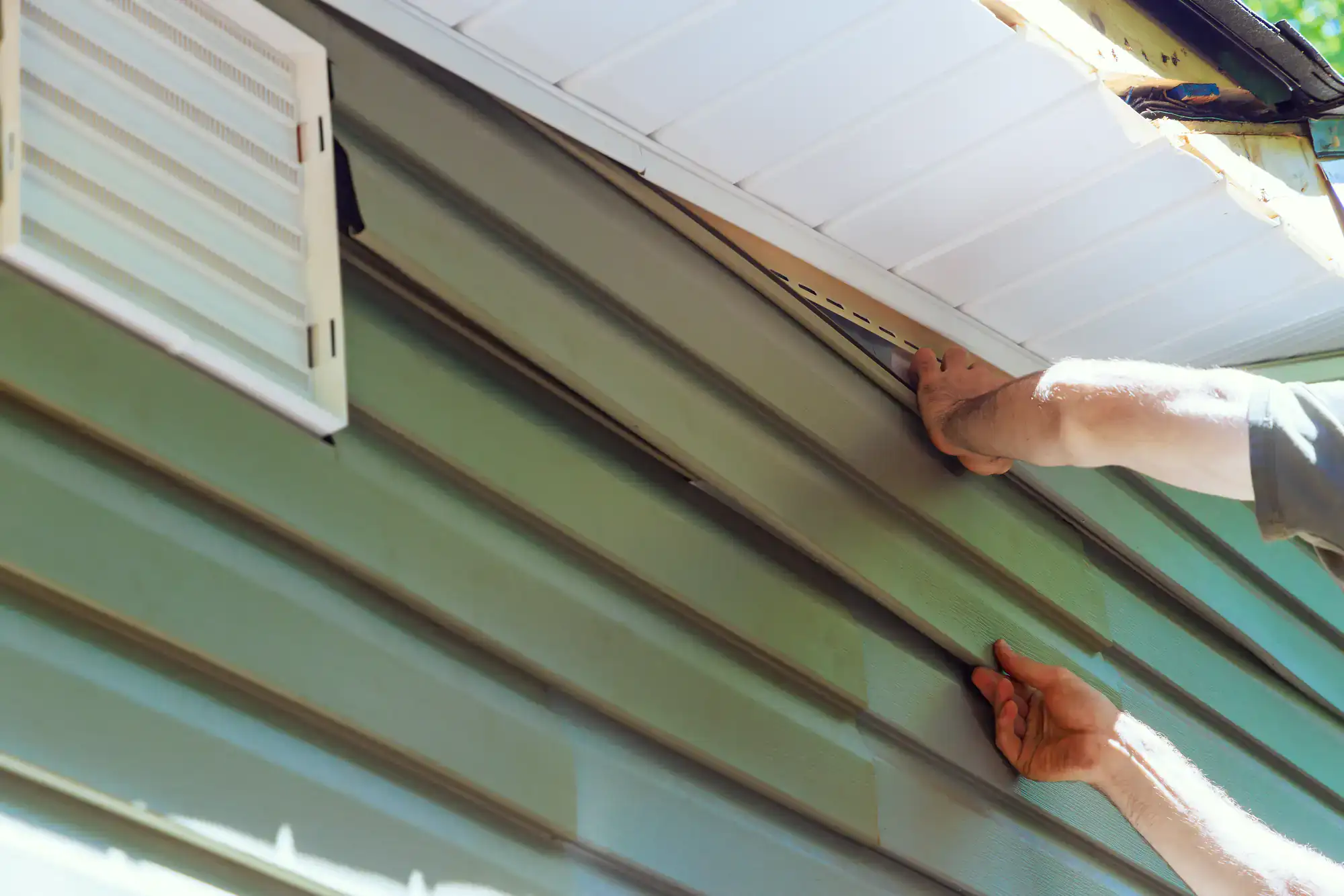
We remove and dispose of all existing siding. We inspect and repair any compromised sheathing or framing. We install a high-performance weather-resistant barrier that stops wind-driven rain. Then we install your chosen siding material with corrosion-resistant fasteners rated for 110+ mph winds.
Every window and door gets proper flashing. Every corner gets sealed. Every seam gets attention. Because in Orient’s climate, the details are what separate a 15-year installation from a 40-year one.
Material options include fiber cement (James Hardie, CertainTeed), insulated vinyl, traditional cedar, and engineered wood. Each has advantages depending on your home’s style, your maintenance preferences, and your budget. Fiber cement offers the best wind resistance and lowest maintenance. Insulated vinyl adds R-value. Cedar provides natural insulation and sound dampening.
Color trends in 2025 lean toward deep blues, greens, and charcoals—colors that look sharp against Orient’s coastal landscape and hide salt residue better than lighter shades. We’ll show you samples in natural light so you can see how they’ll actually look on your home.
Depends entirely on the material and installation quality. Cheap vinyl might give you 15 years before it’s brittle and faded. Fiber cement properly installed can push 50 years with minimal maintenance.
Orient’s salt air is the killer. It corrodes metal fasteners, degrades cheap plastics, and accelerates UV damage. That’s why material choice matters more here than it does 20 miles inland. Fiber cement doesn’t corrode. Quality vinyl formulations resist UV breakdown. And proper installation with stainless fasteners eliminates the rust streaks you see on poorly done jobs.
The other factor is wind. Orient gets hit with coastal storms that test every fastener. Siding installed to manufacturer specs with proper nailing patterns and corrosion-resistant fasteners stays put. Shortcuts show up the first time winds hit 60 mph. We’ve replaced plenty of siding that was only five years old because the original installer used the wrong fasteners or skipped steps.
For a typical 2,000 square foot home, you’re looking at $15,000-$35,000 depending on material choice and current condition of your sheathing. That’s not a guess—it’s based on hundreds of North Fork projects.
Vinyl sits at the lower end. Fiber cement runs middle to upper range. Cedar and specialty products push higher. But here’s what matters more than the initial cost: what are you spending over the next 20 years? Cheap vinyl needs replacement sooner. It fades, cracks, and warps in Orient’s climate. Fiber cement costs more upfront but needs almost zero maintenance and lasts twice as long.
Hidden costs show up when your sheathing is compromised. If water’s been getting behind your old siding, we’re repairing rot before new siding goes up. That’s not optional—new siding over damaged sheathing is just hiding the problem. Most homes need some sheathing repair. Severe cases might add $2,000-$5,000 to the project. We find out during inspection so there are no surprises.
Fiber cement wins for coastal durability. It doesn’t corrode, doesn’t rot, handles moisture without swelling, and stands up to wind-driven sand and salt without degrading.
James Hardie and CertainTeed both make products specifically rated for coastal zones. They’re engineered to handle humidity, resist mold growth, and maintain their finish in salt air. The factory finishes come with 15-year warranties that actually hold up—we’ve seen them tested by Orient’s weather for over a decade without significant fading.
Insulated vinyl is the second choice if budget is tight. Modern formulations resist UV damage better than old vinyl, and the insulation backing adds R-value while stiffening the panels against wind. But you need quality product—the cheap stuff gets brittle and cracks in freeze-thaw cycles. We only install vinyl rated for coastal applications with impact resistance and proper UV inhibitors.
Cedar looks beautiful and offers natural insulation, but it requires maintenance in Orient’s climate. You’re re-staining every 3-5 years to prevent moisture damage. Some homeowners love the look enough to accept the upkeep. Most prefer the install-and-forget approach of fiber cement.
If you’re seeing multiple problem areas—warping in several spots, cracks spreading, or visible moisture damage—you’re past the repair stage. Patching one or two damaged panels makes sense. Patching ten means the rest are failing too.
Check for soft spots by pressing on your siding. If it gives or feels spongy, water’s behind it and your sheathing is compromised. Look inside your attic and basement for water stains on the back side of exterior walls. That’s moisture getting past your siding and into your structure.
Energy bills tell you something too. If your heating and cooling costs have crept up over the past few years, your siding’s weather seal is failing. Gaps around windows, warped panels, and loose corners all let conditioned air escape and outside air infiltrate. New siding installation in Orient, NY typically cuts energy loss by 20-30% compared to failed old siding.
Age matters. Vinyl over 20 years old is living on borrowed time in coastal conditions. Wood siding over 30 years old has usually absorbed enough moisture to compromise its structure. Fiber cement lasts longer, but even it needs inspection after 40 years to check fasteners and caulking.
Yes. Suffolk County requires permits for siding replacement, and we handle the entire process. You don’t deal with the building department—we do.
The permit ensures your installation meets current building codes for wind resistance, fire safety, and energy efficiency. Inspectors check that we’re using proper fastening, correct flashing details, and appropriate materials for coastal zones. That’s actually protection for you—it guarantees the work is done right, not just done fast.
Some contractors skip permits to save time or hide substandard work. That’s a problem when you sell your home and the buyer’s inspector finds unpermitted work. It’s a bigger problem if insurance denies a claim after storm damage because the siding wasn’t installed to code. We pull permits on every job. It’s not optional.
Inspection timing depends on the building department’s schedule, but it typically happens after sheathing repairs are complete and before final siding installation. The inspector verifies that weather barriers are properly installed and that any structural repairs meet code. Final inspection happens after siding is complete. The whole permit process adds 3-5 days to project timeline but protects your investment and keeps you legal.
Fiber cement needs almost nothing. Rinse it once a year to remove salt buildup. Check caulking around windows and corners every few years. That’s it. The factory finish holds up without repainting for 15+ years.
Vinyl requires similar low maintenance—annual rinse, check for any loose panels after major storms, and keep an eye on caulk joints. The material itself doesn’t rot or corrode, so you’re just watching for physical damage or fastener issues. Quality vinyl installed correctly should need zero repairs for 20 years.
Cedar demands more attention. You’re cleaning and re-staining every 3-5 years to prevent moisture absorption and UV damage. Skip that maintenance and you’ll see rot starting at the bottom courses where water splashes up from the ground. Orient’s humidity accelerates wood degradation, so cedar here needs more frequent care than it would in a dry climate.
All siding benefits from keeping vegetation trimmed back. Bushes and trees touching your siding trap moisture and create pathways for insects. Keep at least 6 inches of clearance. Also check your gutters—overflowing gutters dump water down your siding and cause premature failure even on quality materials.
Other Services we provide in Orient