
Hear from Our Customers
You stop worrying about the next storm. That’s the real outcome here.
When siding is installed correctly with materials chosen for Suffolk County’s coastal environment, your home sheds water instead of trapping it. Panels stay locked down during high winds. The color holds through years of UV exposure and salt spray. Your heating and cooling costs drop because the envelope is actually sealed.
Most importantly, you’re not calling contractors every few years to patch failing sections. Properly installed siding in Sag Harbor should give you 30 to 50 years of protection, depending on the material. That’s what happens when installation accounts for coastal expansion rates, moisture management, and wind load requirements specific to Long Island.
SkyLuxe Construction has been installing and repairing siding across Suffolk County for over 35 years. We’re a family-run operation, and we’ve seen what works in Sag Harbor’s climate and what fails.
We’ve worked on hundreds of homes in the village, from historic properties near the whaling museum to newer construction along the harbor. We know the building codes, the insurance requirements, and exactly how salt air ages different materials. Our crews are licensed, trained on coastal installation techniques, and we oversee every project personally.
When you work with us, you’re getting people who understand that Sag Harbor homes need more than standard installation. You need contractors who’ve repaired storm damage, who know how moisture moves through wall systems, and who won’t cut corners that show up as problems three years later.
We start with an inspection of your existing siding and the structure underneath. We’re looking for moisture damage, structural issues, and anything that needs addressing before new siding goes up. If there’s rot or water intrusion, we tell you exactly what needs fixing and why.
Next, we walk you through material options that make sense for your home and budget. We’re not pushing one product – we’re explaining what performs best in Sag Harbor’s conditions based on your priorities. Some homeowners want the lowest maintenance possible. Others want the look of cedar without the upkeep. We match the material to what you actually need.
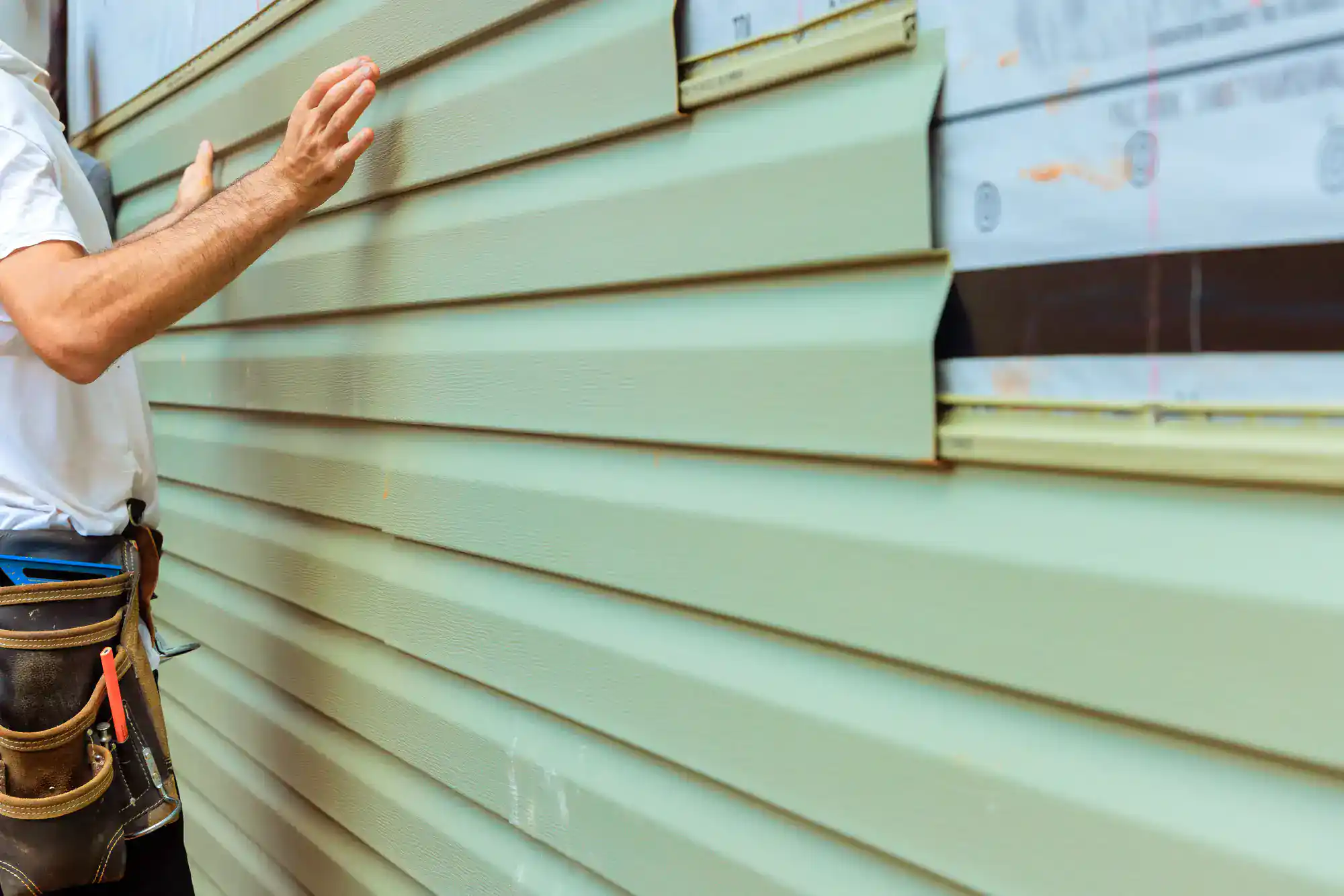
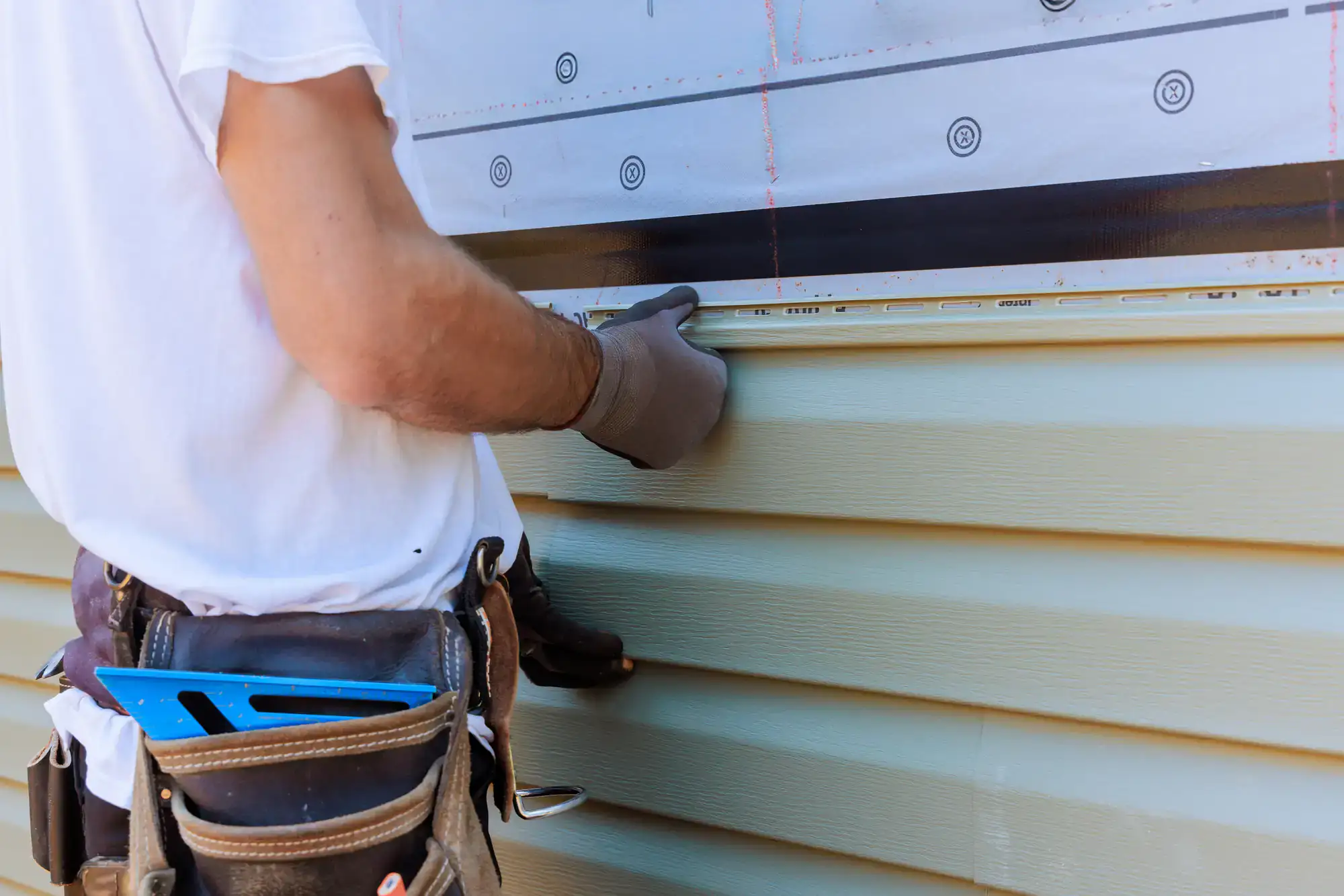
Installation starts with proper moisture barriers and flashing details. This is where most problems start, so we take our time here. Then we install the siding with correct fastening patterns, expansion gaps, and overlap specifications for coastal wind loads. We’re following manufacturer requirements and Suffolk County codes, but we’re also applying 35 years of experience with what actually holds up.
The job isn’t done until we’ve cleaned up completely and walked you through the finished work. You should understand what we did and why, and you should have our warranty information and maintenance guidelines in hand.
Ready to get started?
You’re getting a complete exterior envelope upgrade, not just panels slapped on the outside. We remove your old siding and inspect the sheathing. We install weather-resistant barriers and proper flashing around every window, door, and penetration. We address any structural repairs needed before new material goes up.
The siding itself is chosen for Sag Harbor’s specific challenges. If you’re going with vinyl, we’re using thicker profiles with higher wind ratings and UV inhibitors that hold color in coastal sun. Fiber cement gets proper clearances from grade and moisture sources. Cedar gets the right fasteners and finish for salt air exposure.
In Sag Harbor, where 34% of properties face flooding risk over the next 30 years, we’re also talking about elevation considerations and material choices for lower sections. We’re thinking about how your home will handle the next major rain event or coastal storm, not just how it looks when we’re done.
You’re also getting our warranty coverage. If something fails because of our installation, we come back and fix it. No charge. We also coordinate manufacturer warranties on materials and walk you through what’s covered and for how long.
It depends on your priorities, but fiber cement and quality vinyl both perform well here if installed correctly.
Fiber cement handles salt air better than almost anything else. It won’t rot, it’s not affected by moisture, and it holds paint longer than wood in coastal conditions. The downside is cost and weight – it requires more structural support and professional installation. But if you want 50-plus years of performance with minimal maintenance, it’s hard to beat in Sag Harbor.
Vinyl has come a long way. The thicker profiles with higher-grade resins resist fading and brittleness from salt exposure much better than older products. Insulated vinyl adds impact resistance and energy efficiency. It’s less expensive than fiber cement and easier to work with, but you need to make sure it’s installed with proper expansion gaps for the temperature swings we get on Long Island. Cheap vinyl or poor installation will fail quickly in coastal conditions.
Cedar looks beautiful and can last 50 to 75 years in Suffolk County if maintained properly. But that’s the catch – it needs regular sealing or staining, and salt air accelerates the maintenance cycle. Most Sag Harbor homeowners don’t want that level of upkeep anymore.
Most residential siding installation projects in Sag Harbor take one to two weeks, depending on the size of your home and what we find when we remove the old siding.
A straightforward job on a 2,000-square-foot home with no structural surprises usually takes about a week. That includes removal, inspection, any minor repairs, installation of weather barriers, and the new siding. Larger homes or properties with complex architecture take longer – sometimes two to three weeks.
The timeline extends if we discover rot, water damage, or structural issues that need addressing. We’re not going to cover up problems just to stay on schedule. If your sheathing is compromised or there’s moisture intrusion, we stop and fix it properly. That might add a few days, but it prevents much bigger problems down the road.
Weather also affects timing. We can’t install certain materials in rain or extreme temperatures. In Sag Harbor, we’re also watching for high wind days that make it unsafe to work on scaffolding or with large panels. We’d rather take an extra day or two than rush a job that needs to protect your home for the next 30 years.
Residential siding installation in Sag Harbor typically runs between $8 and $18 per square foot installed, but that range is almost meaningless without knowing your specific situation.
Material choice is the biggest factor. Quality vinyl siding might run $8 to $12 per square foot installed. Fiber cement is usually $12 to $18. Cedar shake or specialty materials can go higher. But the material cost is only part of it.
Your home’s condition matters more than most people realize. If we’re removing old siding and finding rotten sheathing, water damage, or structural issues, those repairs add to the cost. A home that’s been well-maintained costs less to reside than one with underlying problems. We’ve seen jobs where repair work added 20% to the total cost, and we’ve seen homes where the structure was solid and we just removed and replaced.
Complexity also drives price. A simple ranch is cheaper per square foot than a two-story Victorian with detailed trim work and multiple roof lines. Accessibility matters too – homes with difficult access or extensive landscaping that needs protecting take more time and care.
The only way to get a real number is to have us look at your home. We’ll give you an honest assessment of what needs doing and what it will cost.
We can repair sections, but whether you should depends on the age and condition of your existing siding and how well a repair will match.
If your siding is relatively new and damage is localized – maybe storm damage to one wall or impact damage to a few panels – repair makes sense. We can often source matching materials and blend the repair so it’s not obvious. This works best with common products that are still in production.
The problem comes with older siding. If your siding is 20-plus years old and showing wear, a repair might look noticeably different even if we find matching material. Older panels have faded and weathered, and new sections stand out. You also need to consider that if one section is failing, others are probably close behind. You might spend money on a repair now and end up replacing everything in two or three years anyway.
We’ll be straight with you about whether repair makes sense. Sometimes it does – you get a few more years out of the existing siding and delay a bigger expense. Sometimes you’re better off replacing everything now and being done with it for the next 30 years. We’ve done both, and we’ll tell you which makes more sense for your situation based on what we see when we inspect your home.
It depends on the material, but all siding in Sag Harbor needs more attention than the same material would need inland because of salt air and coastal weather.
Vinyl siding needs the least maintenance. You should rinse it annually to remove salt buildup – just a garden hose works fine. Check caulking around windows and doors every few years and re-caulk if you see gaps. Look for loose or damaged panels after major storms. That’s about it. Quality vinyl should give you 30 to 40 years with just basic cleaning.
Fiber cement needs repainting every 10 to 15 years in coastal conditions. The material itself is extremely durable, but the paint takes a beating from salt air and UV exposure. Between paint jobs, rinse it annually and keep an eye on caulking. Check for any cracks or chips and touch them up promptly to prevent moisture intrusion.
Cedar requires the most attention. You’ll need to clean and reseal or restain every three to five years in Sag Harbor’s climate. Salt air and moisture accelerate weathering, so you can’t let maintenance slide. But if you stay on top of it, cedar can last 50-plus years and looks better than anything else.
Regardless of material, you should inspect your siding twice a year – spring and fall. Look for any damage, check that trim and flashing are secure, and make sure water is draining away from the foundation. Catching small issues early prevents expensive repairs later.
Yes, but how much depends on what you’re replacing and what you’re installing. The energy savings come from better insulation and a tighter building envelope, not just the siding material itself.
If you’re replacing old, poorly installed siding, you’ll see noticeable savings. When we install new siding, we’re also installing proper weather barriers and sealing gaps that have been leaking air for years. We’re creating a continuous thermal envelope that keeps conditioned air inside. Most homeowners see a 10% to 20% reduction in heating and cooling costs, sometimes more if the old installation was particularly bad.
Insulated vinyl siding adds another layer of benefit. The foam backing increases your wall’s R-value and reduces thermal bridging through the studs. In Sag Harbor’s climate, where you’re heating in winter and cooling in summer, that year-round efficiency adds up. The payback period on the upgrade cost is usually seven to ten years through energy savings alone.
Fiber cement doesn’t have built-in insulation, but when installed over proper weather barriers and with attention to air sealing, it still improves energy performance significantly compared to old, leaky siding. The key is the installation quality and the weather barrier system, not just the material on the outside.
The real test is this – if you’re feeling drafts near exterior walls or your HVAC system is running constantly, your current siding isn’t doing its job. New siding installed correctly will fix that, and you’ll see it in your utility bills within the first year.
Other Services we provide in Sag Harbor