
Hear from Our Customers
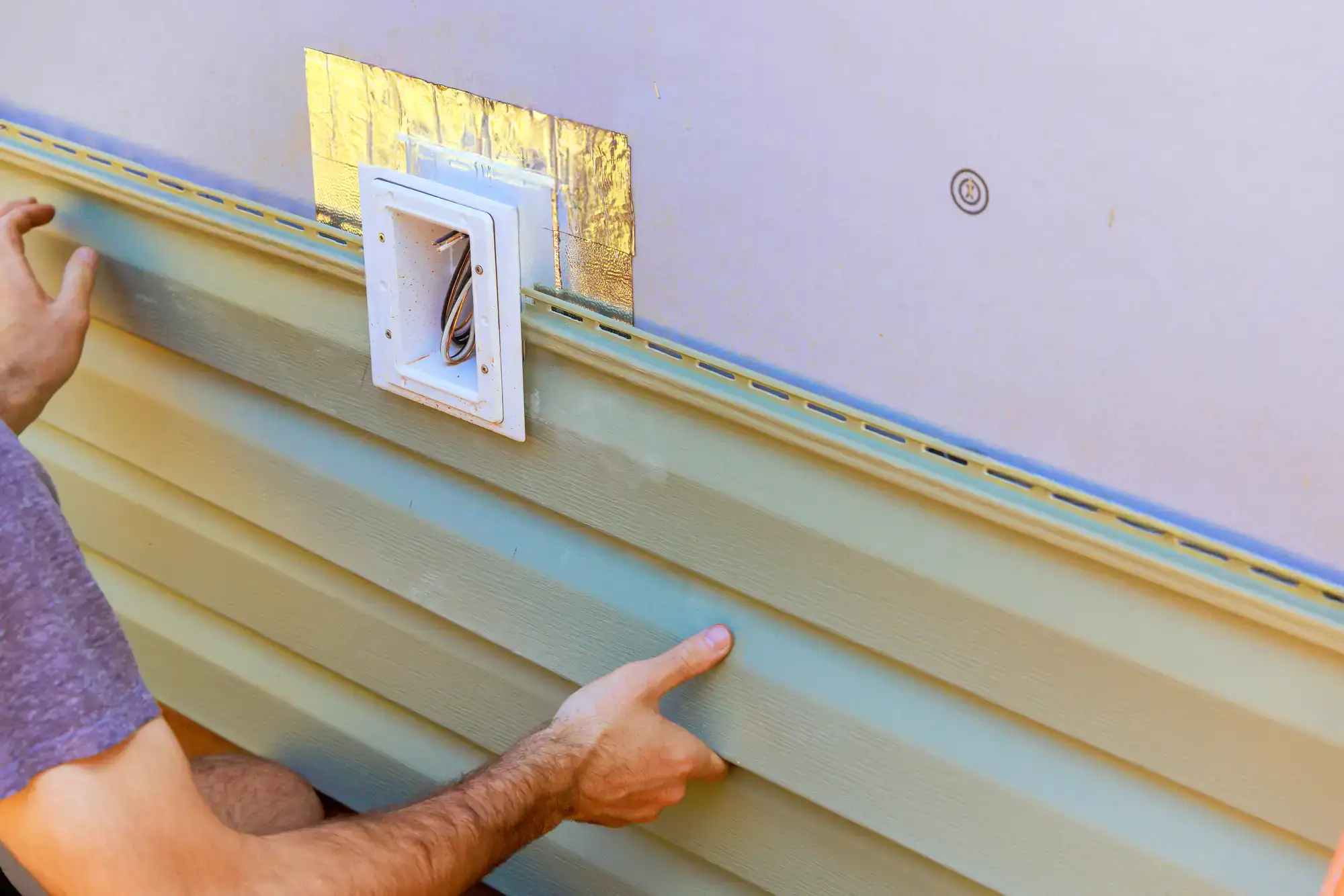
You stop worrying every time wind picks up. No more rattling panels or wondering when water’s going to find its way inside your walls.
Your energy bills drop because heat stays where it belongs. Winter heating costs go down, summer cooling costs follow, and your HVAC system stops working overtime to compensate for poor insulation.
Your home looks current again. Faded vinyl or peeling wood makes even a well-maintained house look neglected, especially in Southampton where curb appeal matters. New siding changes that immediately, and the value increase shows up when you sell.
SkyLuxe Construction is a family-run operation that’s handled exterior work across Southampton and Suffolk County for years. We know what coastal weather does to siding because we’ve repaired the damage and replaced the failures.
We’re not the cheapest option, and that’s intentional. You’re paying for materials that last and installation that doesn’t need fixing two years later when the next big storm rolls through.
Southampton homes face specific challenges. Salt air, hurricane-season winds, nor’easters that dump rain sideways. We spec materials and fastening systems based on what actually holds up here, not what works fine in Pennsylvania.
We start with an inspection of your current siding and the sheathing underneath. If there’s rot or water damage, that gets addressed first. Installing new siding over compromised structure just hides the problem.
Next comes material selection. We’ll walk you through vinyl, fiber cement, and insulated options based on your budget and what your home needs. Fiber cement costs more upfront but outlasts vinyl in coastal conditions. Insulated siding adds R-value that older Southampton homes desperately need.
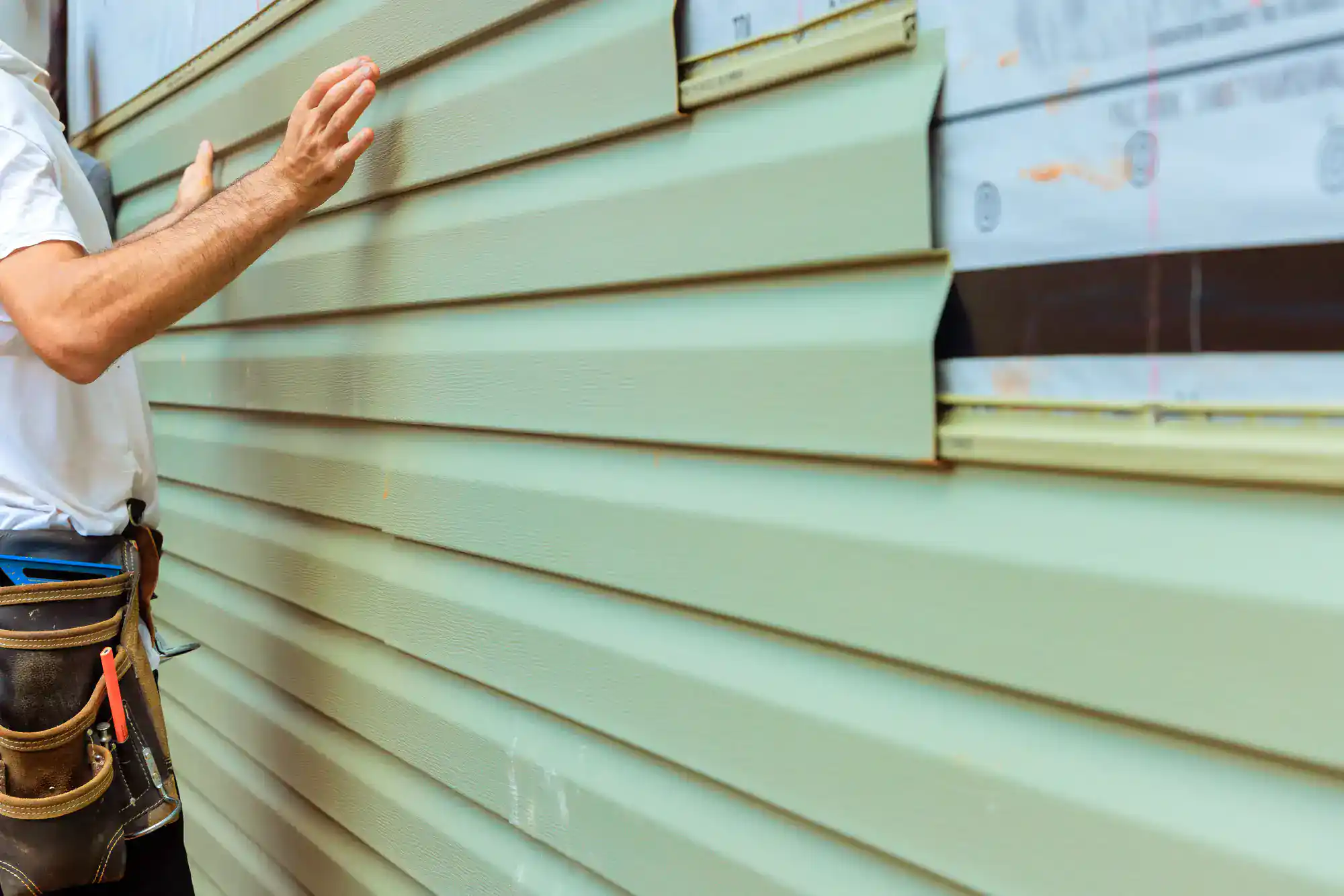
Installation takes anywhere from a few days to two weeks depending on your home’s size and complexity. We remove old siding, install proper moisture barriers and flashing, then secure new panels with coastal-grade fasteners that resist wind uplift. Every seam gets sealed. Every corner gets wrapped correctly.
You get a final walkthrough where we show you what we did and answer any questions about maintenance. Most modern siding needs almost nothing, but you should know what to watch for.
Ready to get started?
Full removal of existing siding and disposal. We don’t leave you with a dumpster in your driveway for three weeks.
Inspection and repair of underlying structure. If we find rot, water damage, or failing sheathing, we handle it before new siding goes up. This matters in Southampton where moisture intrusion from coastal storms is common.
Proper moisture barriers and flashing around windows, doors, and corners. This is where most water problems start, and it’s where cheaper contractors cut corners. We don’t.
Installation using fasteners and techniques rated for coastal wind loads. Southampton gets hit with sustained winds during nor’easters that rip off improperly secured siding. We use the right hardware and spacing to prevent that.
Insulated options that drop your heating and cooling costs. Many Southampton homes were built before energy efficiency mattered. Adding insulated siding can cut heat loss by 20% or more, which shows up in your utility bills every month.
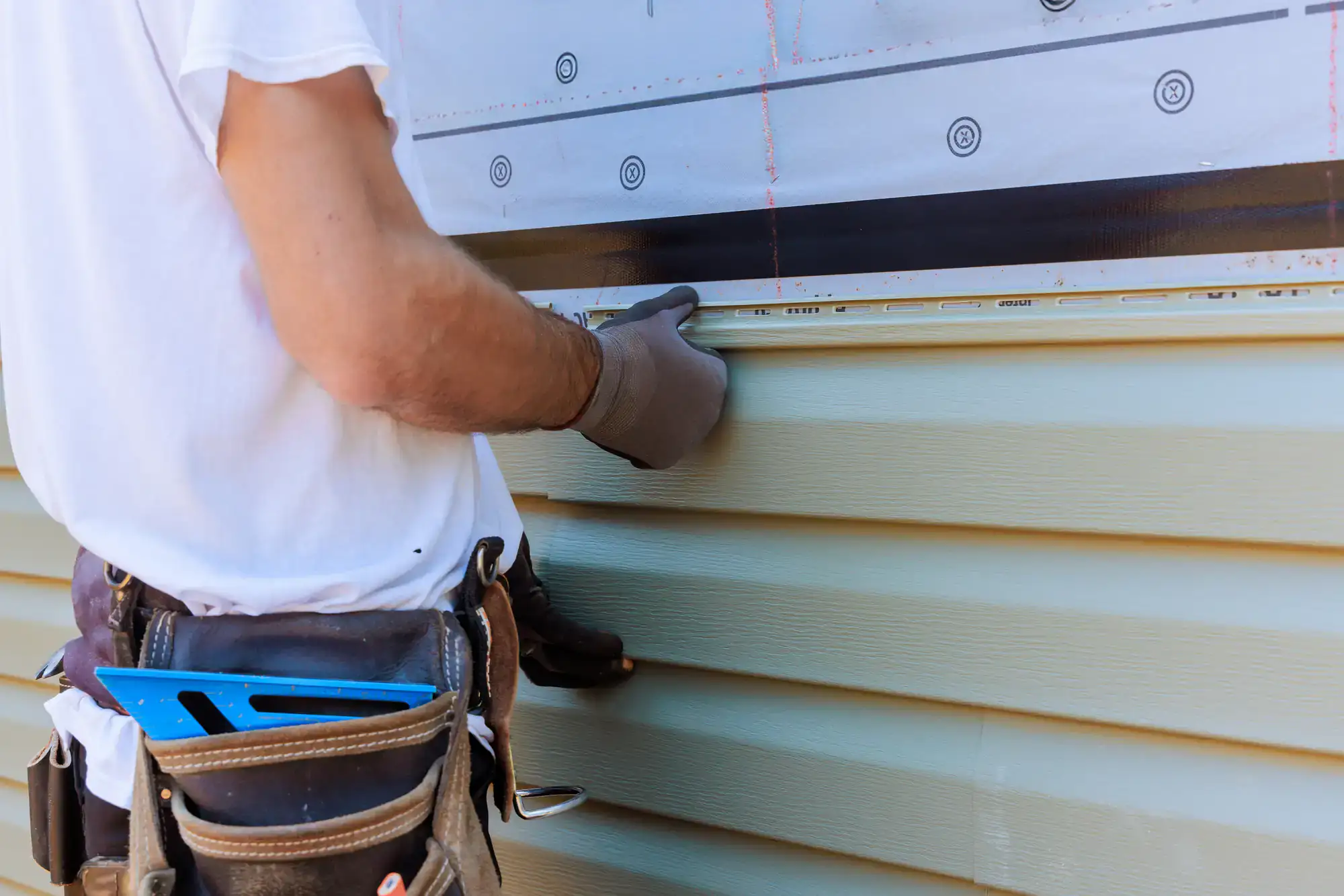
Most residential siding installations take between five and ten days depending on your home’s size and the complexity of the job. A straightforward ranch with minimal trim work might be done in a week. A two-story colonial with multiple dormers, bay windows, and detailed trim work takes closer to two weeks.
Weather affects the timeline. We don’t install siding in heavy rain or high winds because moisture behind new siding causes problems, and wind makes it impossible to secure panels correctly. Southampton’s coastal weather means we sometimes pause work for a day when conditions aren’t right.
If we find structural issues during removal, that adds time. Rotted sheathing or framing needs repair before new siding goes up, and we won’t skip that step just to meet a deadline. You’d rather have it done right than done fast.
Fiber cement performs best in Southampton’s coastal environment. It doesn’t rot, it resists salt air corrosion, and it holds up to wind-driven rain better than vinyl or wood. James Hardie and similar products come with 30-year warranties and actually last that long here.
Vinyl siding works if you choose thicker gauges and insulated options. Cheap vinyl gets brittle in cold weather and warps in summer heat. Quality vinyl with proper insulation provides decent performance at a lower price point than fiber cement, and it requires almost zero maintenance.
Wood siding looks great but demands constant maintenance in coastal areas. Salt air accelerates rot and finish deterioration. If you love the look of cedar shakes or clapboard, expect to repaint or restain every few years and replace rotted sections regularly. Most Southampton homeowners don’t want that maintenance burden.
Yes, if your current siding is old or poorly insulated. Insulated siding adds R-value that reduces heat transfer through your walls. Many Southampton homeowners see 10-20% drops in heating and cooling costs after installation, especially in older homes built before energy codes tightened.
The savings come from better thermal performance and reduced air infiltration. Old siding develops gaps and cracks that let conditioned air escape. New siding with proper moisture barriers and insulation creates a tighter envelope, so your HVAC system doesn’t work as hard to maintain temperature.
Payback period depends on your current energy costs and the type of siding you install. Insulated vinyl typically pays for itself in energy savings within 8-12 years. Fiber cement without added insulation provides less energy benefit but lasts longer and requires less maintenance, so the value calculation shifts.
Vinyl siding installation typically runs $8,000 to $15,000 for an average-sized Southampton home. That includes removal of old siding, proper moisture barriers, and quality vinyl with some insulation. Larger homes or complex architectural details push costs higher.
Fiber cement costs more, usually $15,000 to $25,000 for the same house. The material costs twice as much as vinyl, and installation takes longer because fiber cement is heavier and requires different cutting tools. But it lasts longer and holds up better in coastal conditions.
These are ballpark numbers. Your actual cost depends on your home’s size, the condition of underlying structure, how much trim work is involved, and whether we find rot or water damage that needs repair. We provide detailed estimates after inspecting your home, not generic price ranges that don’t mean much.
Modern vinyl and fiber cement need minimal maintenance. You should rinse siding once or twice a year to remove salt buildup and dirt, especially after winter storms. A garden hose works fine. Don’t use a pressure washer on high settings because that can force water behind the siding.
Check caulking around windows and doors every few years. Caulk degrades over time, and gaps let water infiltrate. Recaulking takes an hour and prevents expensive water damage down the road.
Inspect for damage after major storms. High winds can loosen panels or crack vinyl. Catching damage early means a simple repair instead of water intrusion that rots sheathing and framing. Most Southampton homeowners do a quick visual check after nor’easters or hurricanes.
Fiber cement may need repainting eventually, depending on the finish. Factory-finished fiber cement holds color for 15+ years. If you choose field-painted fiber cement, expect to repaint every 10-12 years as the finish weathers.
Yes, but with limitations. Vinyl becomes brittle below 40 degrees and can crack during cutting or nailing. We avoid vinyl installation in deep winter unless we’re having an unusually warm stretch. Fiber cement installs fine in cold weather because it doesn’t have the same brittleness issues.
Winter installation requires more careful scheduling around weather. Short daylight hours mean less work time per day, and we can’t install during rain, snow, or high winds. A job that takes a week in summer might stretch to two weeks in January because of weather delays.
The advantage of winter installation is availability. Most homeowners schedule siding work for spring and summer, so winter often has shorter wait times. If you need siding replaced after storm damage and can’t wait until spring, winter installation is possible with the right materials and conditions.
Other Services we provide in Southampton