
Hear from Our Customers
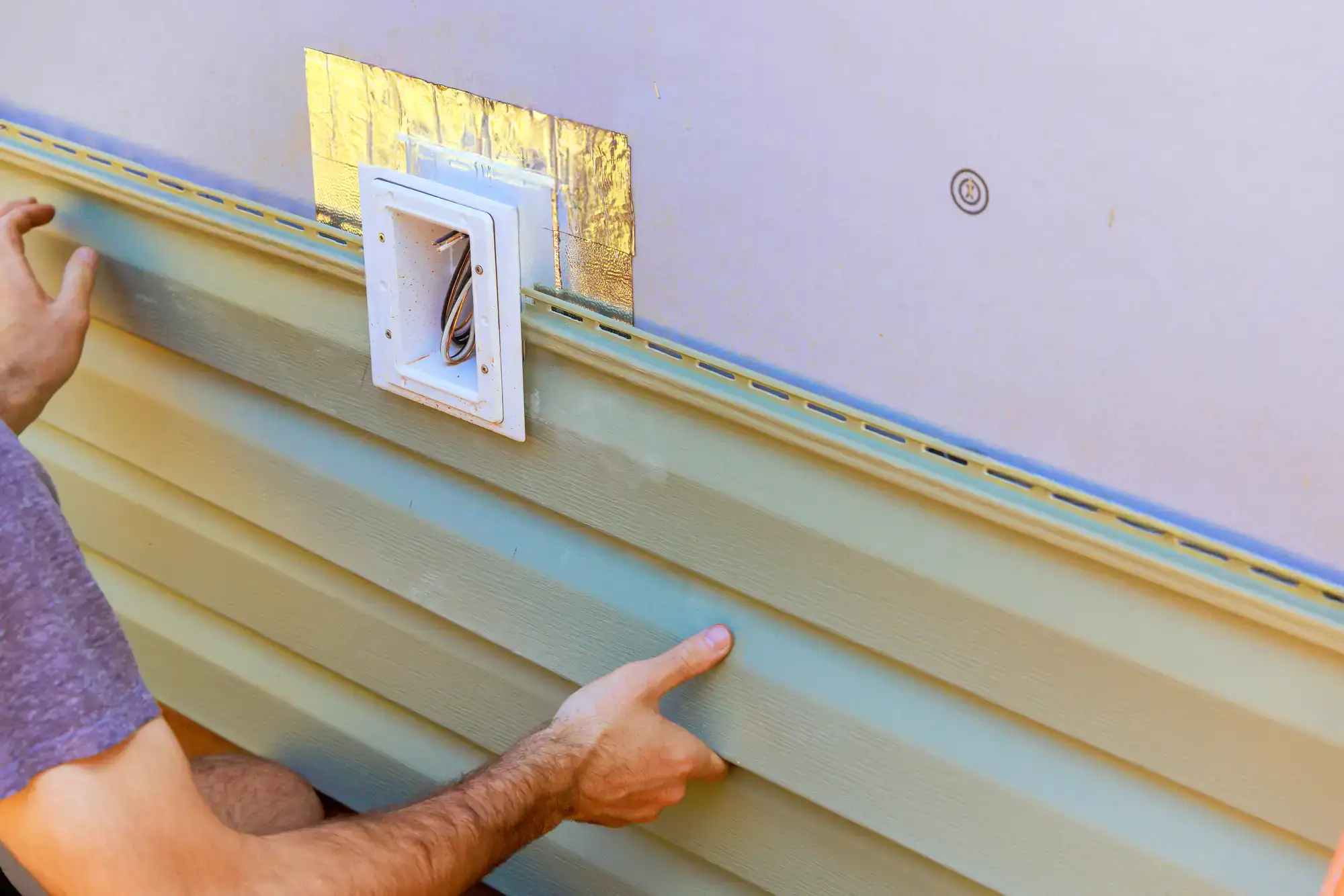
Poor siding costs you about $900 a year in wasted energy. That’s the EPA’s number, not ours. When your siding has gaps, cracks, or outdated insulation, you’re heating and cooling the outside while your utility bills climb.
Professional siding installation in North Bay Shore fixes that. You get materials designed for coastal conditions—vinyl, fiber cement, or composite options that resist salt air and hold up against nor’easters. The right installation stops air leaks, improves insulation, and cuts your energy waste by up to 20%.
You also stop the cycle of constant repairs. If you’re patching siding after every storm or replacing warped panels every few years, you’re spending more than a full replacement would cost. One quality installation gives you a decade or more without those callbacks.
And your home looks better. Curb appeal matters when you’re protecting your property value, and fresh siding does more for resale than almost any other exterior upgrade.
SkyLuxe Construction Inc is a family-run business with decades of exterior renovation experience across Suffolk County. We’re not a national franchise or a crew that shows up once and disappears—we live here, work here, and know exactly what North Bay Shore homes face every season.
We’ve handled storm damage repairs after hurricanes, replaced failing siding on older homes near the water, and installed energy-efficient systems for homeowners tired of high utility bills. Our team understands local building codes, coastal weather patterns, and the architectural styles you see throughout Bay Shore and the surrounding area.
You’re not getting a sales pitch. You’re getting straight answers about what your home needs, what it doesn’t, and how long the work actually takes.
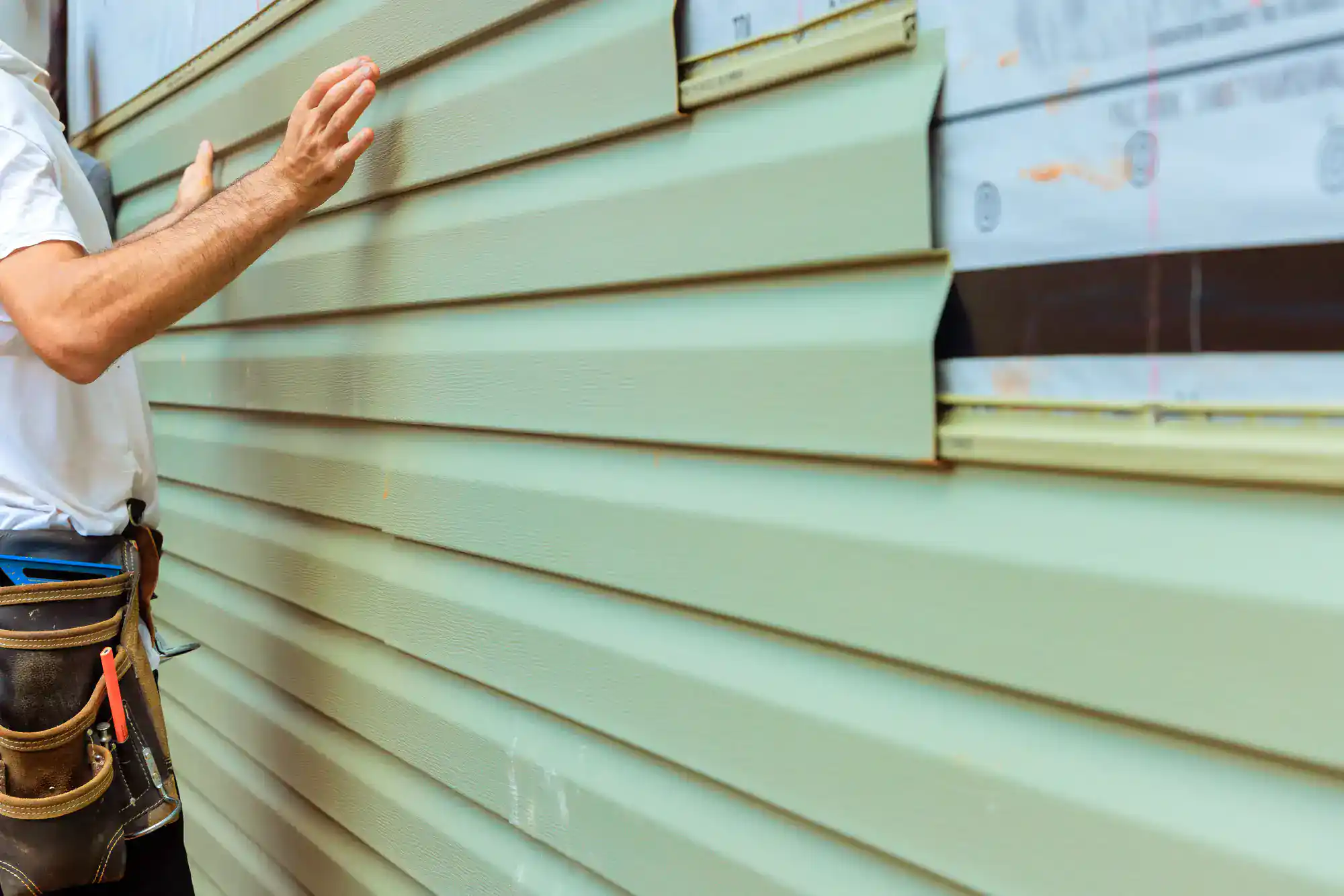
First, we come out and assess your home. We’re looking at the current siding condition, checking for moisture damage behind the panels, and measuring everything so there are no surprises later. You’ll get a clear breakdown of material options, costs, and timeline before anything moves forward.
Once you’re ready, we handle permits and prep work. That means protecting your landscaping, setting up equipment, and removing old siding if needed. We inspect the sheathing underneath—if there’s rot or water damage, we fix it before new siding goes up. Skipping that step is how other contractors leave you with problems six months later.
Installation takes anywhere from a few days to a week, depending on your home’s size and the material you choose. We install moisture barriers, ensure proper ventilation, and make sure every panel is secured to handle high winds. Suffolk County gets gusts over 100 mph during storms—your siding needs to be ready for that.
After installation, we walk the property with you. You’ll see the finished work, ask questions, and get documentation for your warranty. Then we clean up and haul away all the old material. You shouldn’t have to deal with debris or leftover mess.
Ready to get started?
You’re getting a full siding replacement or installation designed for Long Island’s coastal climate. That includes moisture barriers, proper insulation, and materials rated for wind resistance up to 110 mph. We’re not just nailing up panels—we’re building a weather-tight envelope around your home.
Material options include vinyl, fiber cement, composite, and wood alternatives. Vinyl is the most popular because it’s low-maintenance and holds up well in salt air. Fiber cement gives you more durability and fire resistance but costs more upfront. Composite splits the difference—better than vinyl, less expensive than fiber cement.
North Bay Shore homes deal with specific challenges. You’re close enough to the water that salt corrosion is a real issue. You get hit by nor’easters and hurricanes that other parts of New York don’t see as often. And your property values are high enough that cutting corners on exterior work doesn’t make sense.
We also handle storm damage repairs and emergency work. If a panel gets ripped off during a storm or you’re seeing water stains inside your walls, we can get out quickly to prevent further damage. Waiting weeks for a callback is how a $500 repair turns into a $10,000 problem.
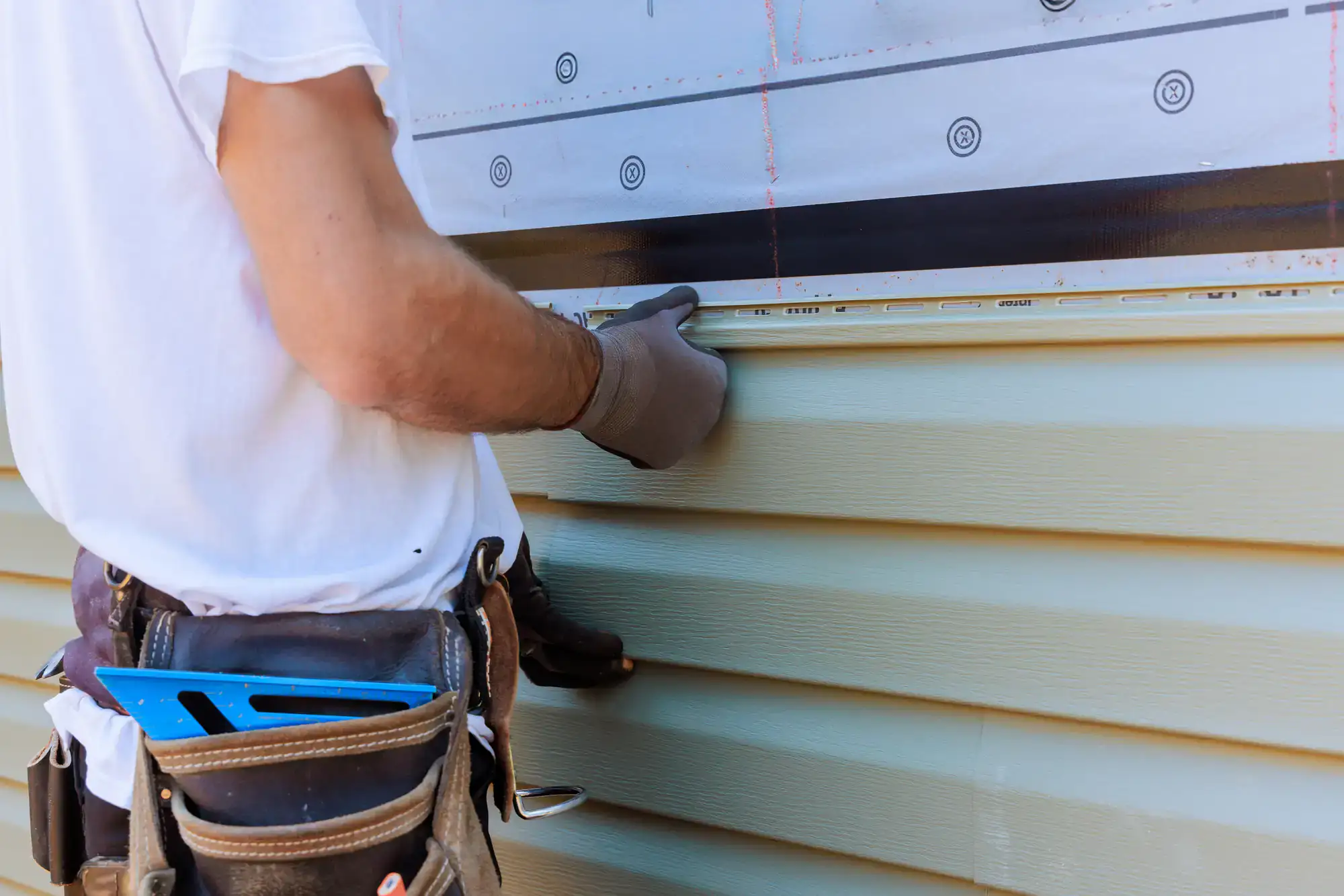
Most residential siding installations take three to seven days, depending on your home’s size and the material you choose. A standard single-family home with vinyl siding usually wraps up in four to five days if weather cooperates.
Fiber cement takes longer because it’s heavier and requires more precise cutting. Homes with complex architecture—multiple stories, lots of trim work, or difficult access areas—add time. We’ll give you a specific timeline during the estimate based on your property.
Weather delays happen. If we’re in the middle of installation and a storm rolls through, we pause until conditions are safe. We’re not rushing through work just to hit a deadline if it means compromising quality or safety.
Fiber cement and high-quality vinyl both perform well in coastal conditions, but they have different trade-offs. Fiber cement resists salt corrosion better and won’t warp or crack from temperature swings. It’s also fire-resistant, which matters for insurance rates in some areas.
Vinyl is lighter, costs less, and requires almost no maintenance. Modern vinyl siding has come a long way—it’s not the flimsy material from 20 years ago. Look for thicker gauges and products rated for high wind speeds. Cheap vinyl will fade and crack within a few years near the water.
Wood siding looks great but demands constant maintenance in coastal environments. Salt air accelerates rot, and you’ll be repainting or refinishing every few years. Most North Bay Shore homeowners skip wood unless they’re restoring a historic property or don’t mind the upkeep.
Full siding replacement on a typical single-family home runs between $8,000 and $25,000, depending on material, square footage, and complexity. Vinyl is usually the most affordable option. Fiber cement costs more upfront but lasts longer and adds more resale value.
You’ll pay more if we find rot or water damage behind the old siding. Fixing sheathing, replacing insulation, or repairing structural issues adds to the cost, but skipping those repairs just kicks the problem down the road. It’s better to handle it now while the walls are open.
Storm damage repairs covered by insurance work differently. If your siding was damaged by a hurricane or nor’easter, your insurance might cover most of the replacement cost. We can work with your adjuster to document the damage and make sure you’re getting what you’re owed.
Yes, if your current siding has gaps, cracks, or poor insulation. The EPA estimates that 15-20% of your heating and cooling costs escape through your walls when siding and insulation aren’t doing their job. On Long Island, where average energy costs hit $4,500 a year, that’s close to $900 in waste.
New siding installation includes moisture barriers and proper insulation that seal air leaks. You’ll notice the difference within the first few months—rooms stay more consistent temperatures, your HVAC system doesn’t run as often, and drafts disappear.
The savings depend on how bad your current siding is. If you’re replacing 40-year-old aluminum siding with no insulation underneath, you’ll see a bigger drop in utility bills than someone replacing 10-year-old vinyl that’s still in decent shape. We can assess your current setup and give you a realistic idea of what to expect.
Yes, most siding replacement projects in Suffolk County require a building permit. The town wants to make sure the work meets local building codes, especially for wind resistance and fire safety. Permits also protect you—if something goes wrong down the line, you have documentation that the work was done legally.
We handle the permit process. That includes submitting plans, coordinating inspections, and making sure everything passes before we consider the job complete. Some contractors skip permits to save time or money, but that creates problems when you try to sell your home or file an insurance claim.
Permit costs are usually a few hundred dollars and are included in our estimates. The process adds a few days to the timeline, but it’s not something you want to skip. Unpermitted work can result in fines, and you might be forced to remove the siding and start over if the town finds out.
If you’re repairing the same sections every year or you’re seeing multiple issues across different areas of your home, replacement makes more sense than patching. A few isolated damaged panels from a recent storm can be repaired. Widespread cracking, warping, or fading means the material is at the end of its life.
Check for moisture problems inside your home. Water stains on interior walls, peeling paint near windows, or musty smells are signs that water is getting behind your siding. That’s not something you can fix with a patch job—you need to pull the siding, address the moisture damage, and install a proper weather barrier.
Energy bills are another indicator. If your heating and cooling costs have climbed steadily over the past few years and your HVAC system is fine, your siding probably isn’t insulating like it should. Older siding loses its effectiveness over time, and at a certain point, replacement pays for itself through energy savings.
Other Services we provide in North Bay Shore