
Hear from Our Customers
When your siding fails, water finds its way in. You’ll see soft spots around windows, peeling paint on interior walls, or catch that musty smell that means moisture is winning. Your energy bills climb because drafts slip through gaps your old siding can’t seal anymore.
New siding installation in Gilgo, NY stops that cycle. Insulated options add R-values between 2 and 4—a 300% boost in thermal protection. That translates to 10-20% lower energy costs annually, which matters when you’re heating and cooling a home through Long Island’s temperature swings.
You also protect your investment. Fiber cement and vinyl siding projects recoup 80-88% of costs nationally, and Long Island homes often do better. Insurance companies notice too—impact-rated, weather-resistant exteriors can lower your premiums because you’re reducing their risk.
The outcome isn’t just better curb appeal. It’s a home that costs less to maintain, performs better in storms, and holds its value when 82% of properties in Gilgo face severe flooding risk over the next 30 years.
We bring three generations of exterior renovation experience to every job in Gilgo. We’ve worked on the 1950s-era construction common in this area long enough to know where builders cut corners and how coastal weather exploits those weak points.
Our team handles roofing, siding, gutters, and chimneys—so when we install your new siding, we’re looking at how everything works together. We catch problems other siding installation companies miss because we understand the whole exterior system.
You’re working with a family business that’s been serving Suffolk County for decades, not a corporate crew that’s here today and gone tomorrow. We pull permits, schedule inspections, and make sure your project meets local codes. When we say the work is guaranteed, that guarantee means something because we’ll still be here when you need us.
First, we inspect your current siding and the sheathing underneath. We’re looking for water damage, rot, or structural issues that need fixing before new siding goes up. If we find problems, you’ll know exactly what they are and what it takes to fix them—no surprises halfway through the job.
Next, we handle the permits and code requirements. Suffolk County has specific rules about coastal construction, and we make sure your project meets them. You don’t have to figure out what forms to file or which inspections you need.
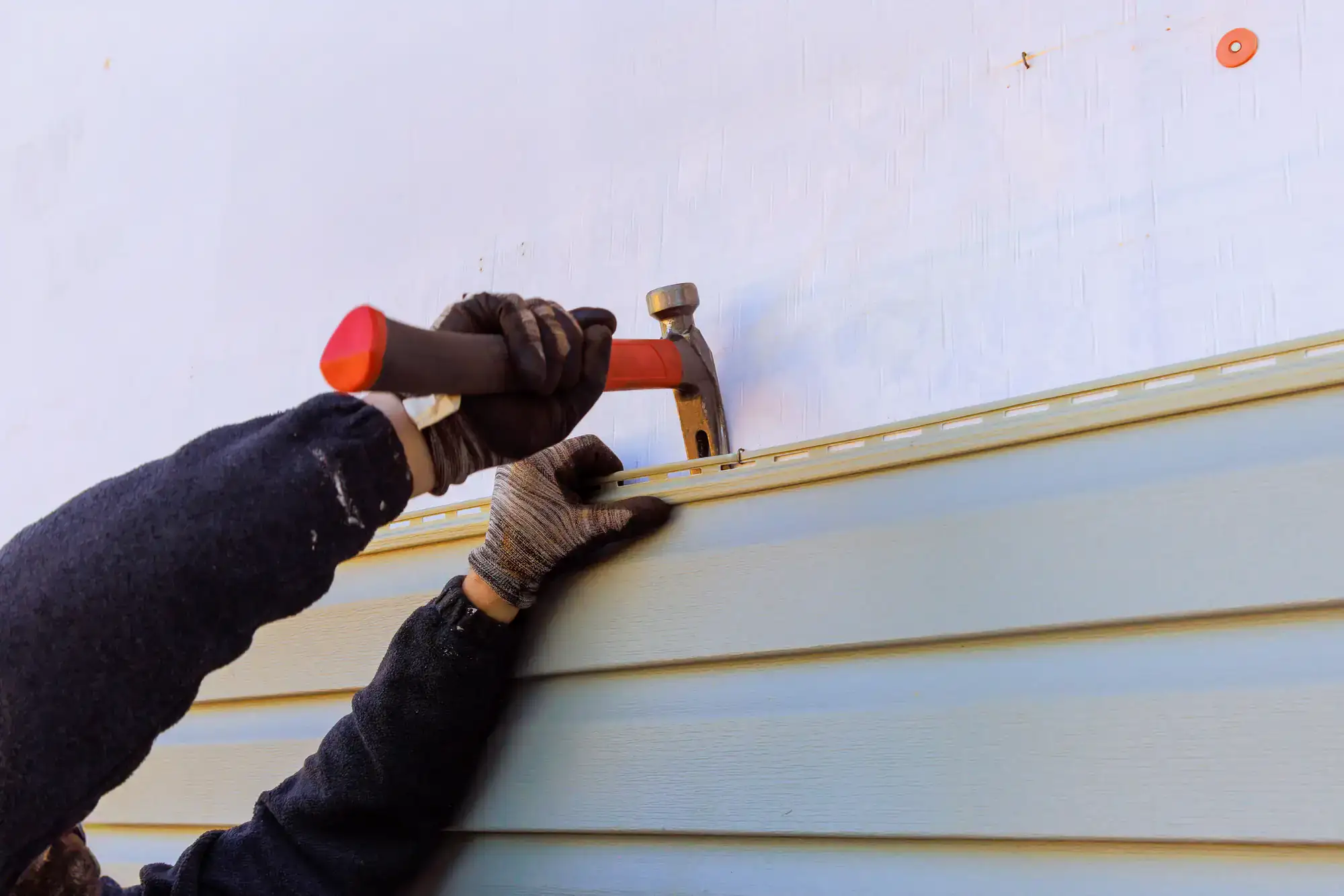
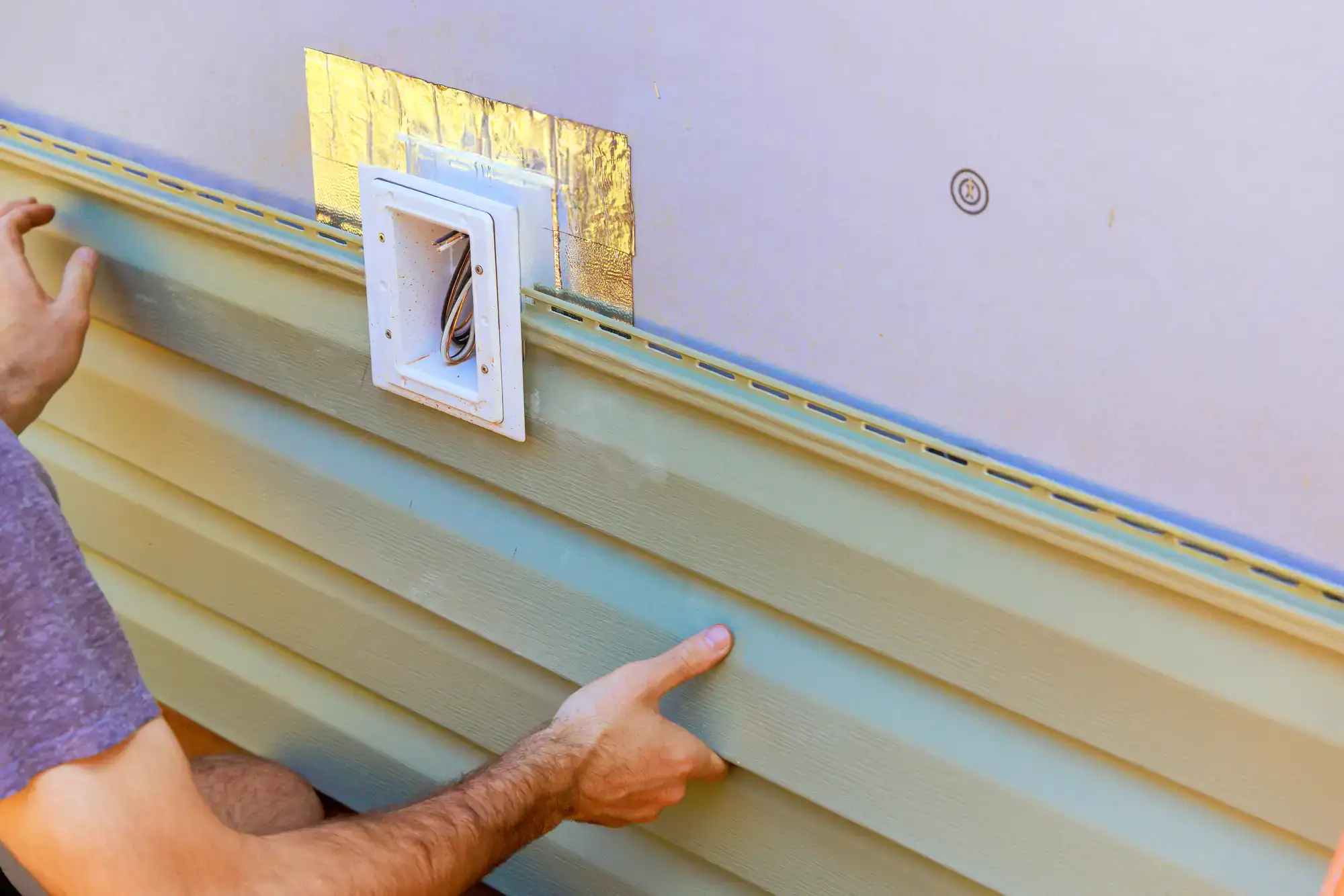
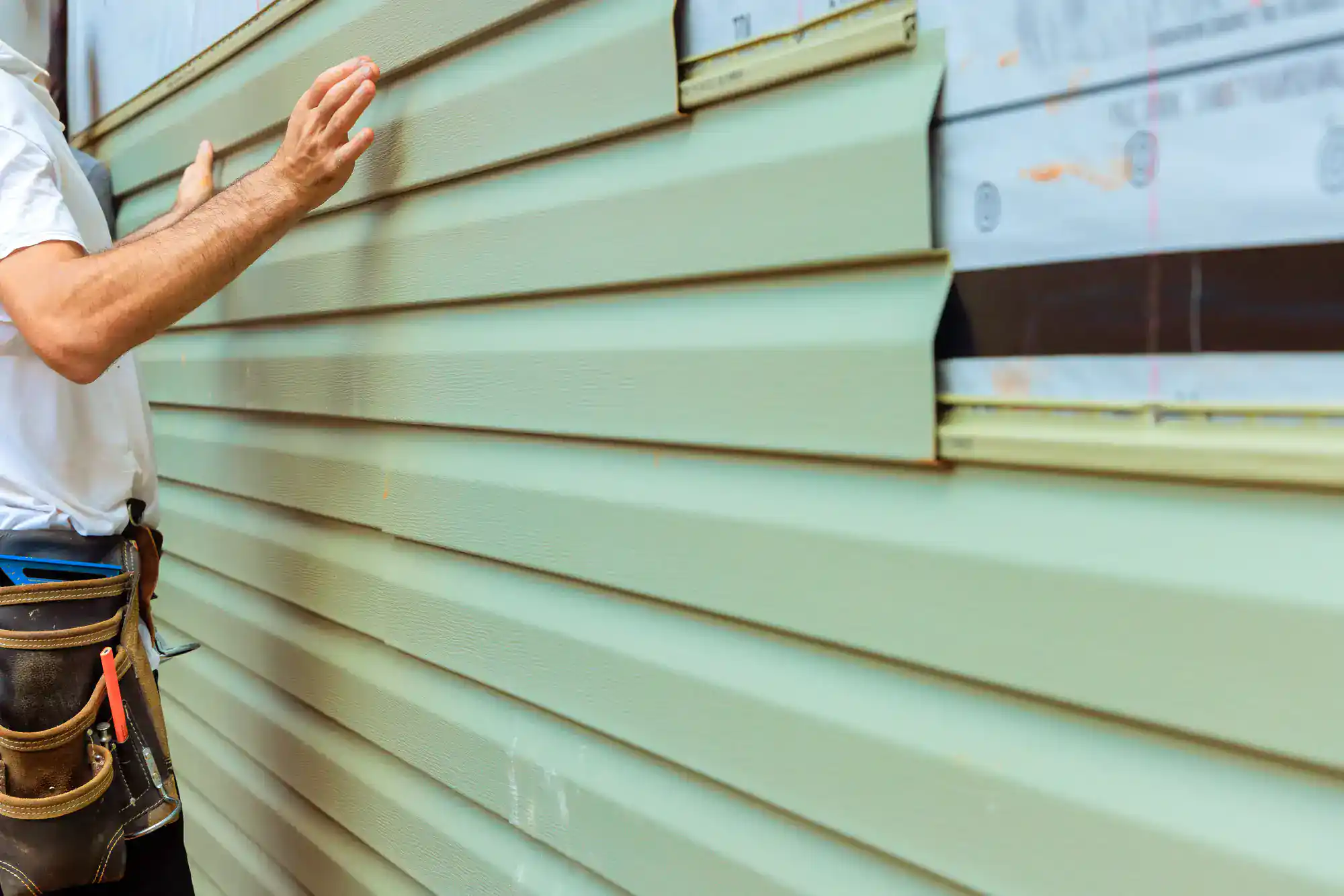
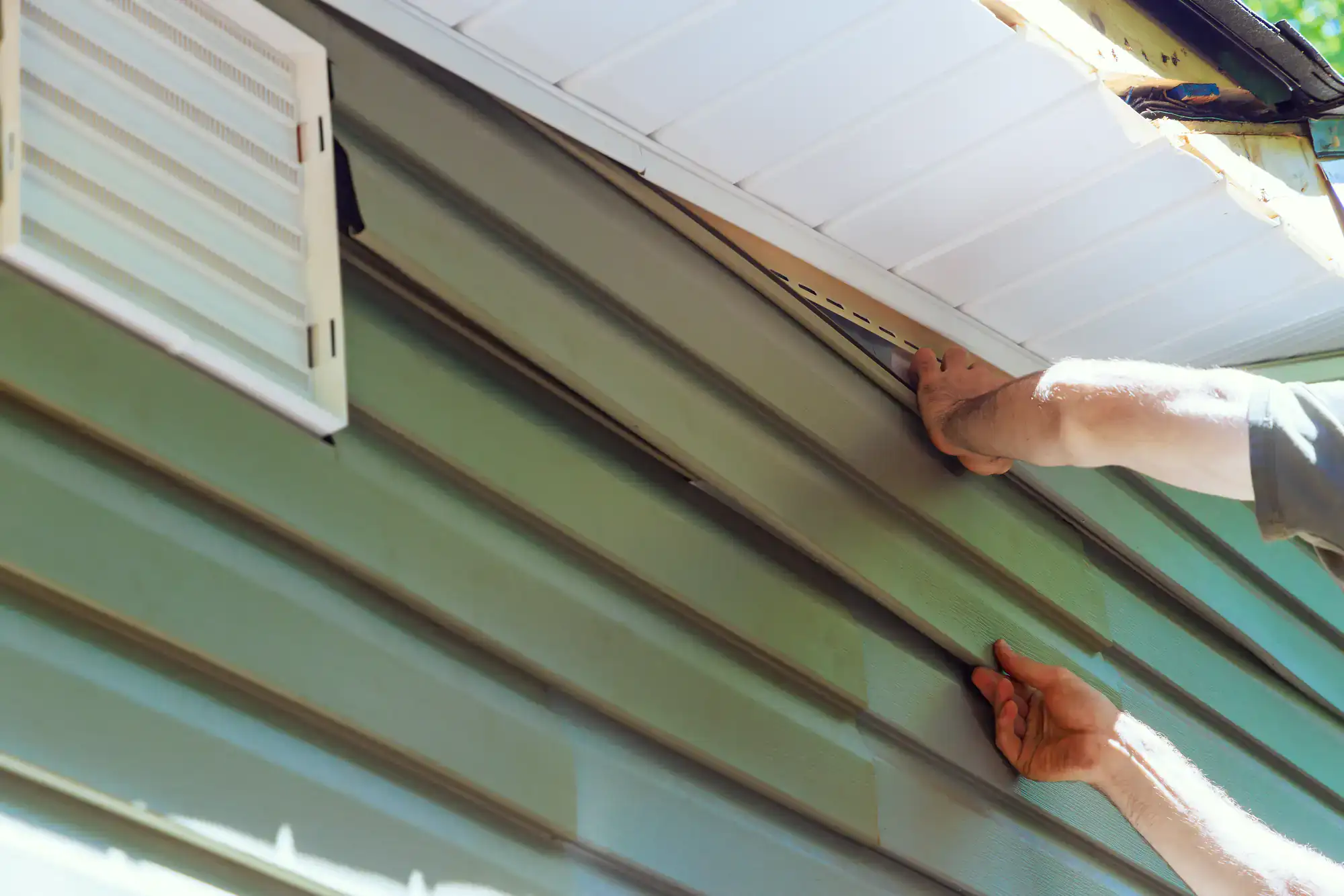
Installation starts with proper prep. We remove old siding, repair any damaged sheathing, and install a weather-resistant barrier that stops wind-driven rain. Then we install your new siding with attention to the details that matter in coastal areas—proper flashing around windows, sealed joints, and fastening that holds up when nor’easters hit.
We finish with a complete walkthrough. You’ll see how everything fits together, where the seams are sealed, and how we’ve protected vulnerable areas. We clean up completely—customers consistently mention how thorough our cleanup is—and we don’t consider the job done until you’re satisfied with the results.
Ready to get started?
You have options when it comes to siding materials, and the right choice depends on your home, your budget, and how much maintenance you want to deal with. Vinyl siding with capstock technology resists fading from sun and salt exposure—important when you’re this close to the water. Fiber cement offers superior impact resistance and holds up to the wind events that hit 100% of Gilgo properties.
Insulated vinyl adds energy efficiency without the maintenance demands of wood. You get better thermal performance and lower heating costs without having to repaint or restain every few years. In 2024, vinyl held just over a quarter share of new home exteriors nationally, and for good reason—it performs well in coastal climates when installed correctly.
We also look at your specific situation. Homes built in the 1950s often need sheathing repairs or updated flashing details. Newer construction might need better ventilation behind the siding to prevent moisture buildup. Every home in Gilgo faces salt-laden air and high humidity, but each one has unique vulnerabilities based on its age, orientation, and current condition.
The installation includes proper ventilation, sealed penetrations around utilities, and flashing that directs water away from vulnerable areas. These details separate residential siding installation that lasts from jobs that start failing within a few years. You’re not just getting new siding—you’re getting a complete exterior envelope that’s engineered for this specific climate.
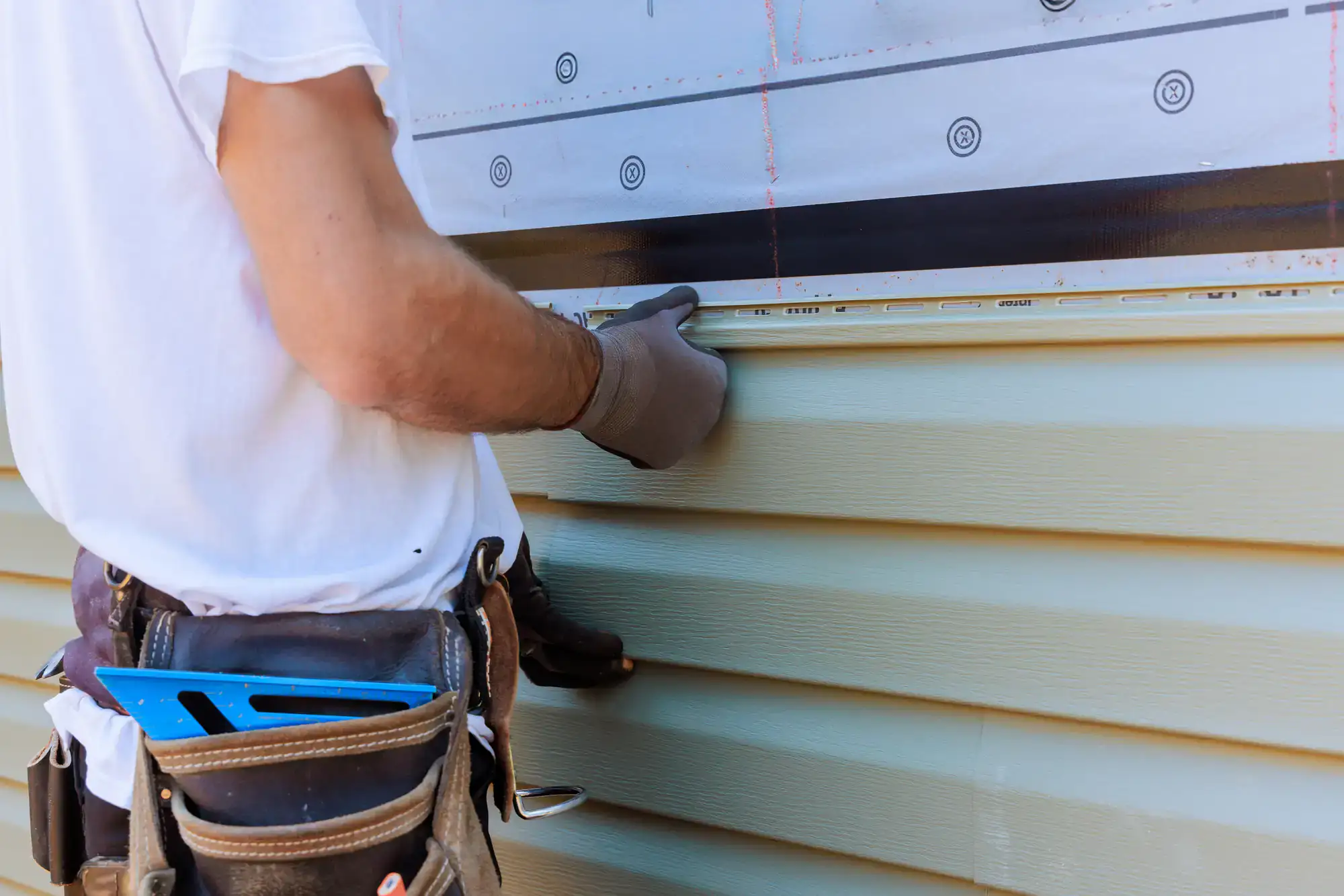
Most residential siding installation projects in Gilgo take 5-10 days depending on your home’s size and complexity. A straightforward ranch might be done in under a week. A two-story home with multiple dormers, bay windows, or architectural details takes longer because those features require careful flashing and trim work.
Weather affects the timeline too. We don’t install siding in heavy rain or high winds because proper installation requires dry conditions and stable temperatures for adhesives and sealants to cure correctly. In coastal areas like Gilgo, we watch the forecast closely and plan around weather systems.
The actual installation moves quickly once we start, but prep work and repairs can add time. If we find rotted sheathing or structural issues when we remove your old siding, we fix those problems before moving forward. You’ll know about any delays upfront—we don’t surprise you with timeline changes halfway through the job.
Fiber cement typically costs 30-50% more than vinyl siding upfront, but the comparison isn’t that simple. Vinyl siding in Gilgo runs roughly $8-12 per square foot installed for quality materials. Fiber cement runs $12-18 per square foot. On a 2,000 square foot home, that’s a difference of $8,000-$12,000.
But fiber cement lasts longer—often 50+ years versus 20-30 for vinyl—and it resists impact damage better. In an area where 100% of properties face severe wind risk, that durability matters. Fiber cement also holds paint better if you ever want to change colors, while vinyl color is permanent.
Both materials offer strong ROI. Vinyl delivers excellent value if you’re planning to sell within 10-15 years. Fiber cement makes more sense if you’re staying long-term or if your home’s style calls for the more substantial appearance fiber cement provides. Insurance companies sometimes offer better rates for fiber cement because it’s more fire-resistant and impact-resistant, which can offset some of the cost difference over time.
Yes, but how much depends on your current siding condition and what you’re replacing it with. Insulated vinyl siding adds R-values between 2 and 4, which is a 300% increase in thermal barrier compared to standard vinyl or old wood siding. That typically translates to 10-20% lower heating and cooling costs annually.
For a Gilgo home spending $2,500-3,500 per year on energy, that’s $250-700 in annual savings. The savings are most noticeable if you’re replacing old, deteriorated siding that’s allowing air leaks. Newer siding that’s still in decent shape won’t show as dramatic an improvement.
The energy savings come from two sources: better insulation value and tighter seals around seams and penetrations. When we install new siding, we’re also adding a weather-resistant barrier and sealing all the gaps where air was leaking through. Those air leaks often cost you more than the insulation value alone, especially in homes built before modern energy codes took effect.
Look for water damage inside your home first. Soft spots around windows, peeling interior paint near exterior walls, or musty odors mean water is getting past your siding. At that point, you’re usually looking at replacement because the damage is widespread even if you only see it in a few spots.
Check the siding itself for cracks, warping, or loose panels. Vinyl that’s cracked or brittle has reached the end of its lifespan—UV exposure and temperature cycles eventually break down the material. Wood siding with rot, split boards, or extensive paint failure needs replacement. Fiber cement with multiple dents, chipped edges, or surface coating damage is telling you it’s done.
Color fading and chalking suggest the protective surface is failing, which means moisture resistance is compromised. If you’re seeing mildew or dark streaks in multiple areas, water is finding its way behind the siding. One or two damaged pieces can be repaired, but widespread issues mean the entire system is failing and patching won’t solve the underlying problem. We can assess your specific situation during a free inspection and give you an honest answer about repair versus replacement.
Yes, Suffolk County requires building permits for siding replacement projects. The permit ensures your installation meets local building codes, which are stricter in coastal areas like Gilgo because of wind and flood risks. You’ll need inspections at specific stages of the project to verify proper installation.
We handle all permit applications and inspection scheduling as part of our service. You don’t need to figure out which forms to file or when to call for inspections. We know the local requirements and make sure your project stays compliant throughout the process.
The permit process typically adds 1-2 weeks to the project timeline before we can start work, but it protects you. Unpermitted work can cause problems when you sell your home or file insurance claims. It also ensures the installation meets the standards designed to protect coastal homes from the weather conditions you face in Gilgo. The permit cost is usually $200-500 depending on project scope, and it’s a small price for the protection it provides.
Vinyl and fiber cement siding need minimal maintenance, but coastal locations like Gilgo require more attention than inland areas. Salt spray leaves deposits that hold moisture against the siding surface, and humidity encourages mildew growth. Plan to wash your siding once or twice a year with a garden hose or gentle pressure washer.
Use a mild detergent solution for areas with mildew or heavy salt buildup. Avoid high-pressure washing that can force water behind the siding or damage the surface. Check caulking around windows, doors, and trim annually—coastal weather breaks down sealants faster than normal conditions. Recaulk any gaps before they allow water infiltration.
Inspect your siding after major storms. Look for cracks, loose panels, or damaged trim that needs immediate repair. Catching small problems early prevents water damage that costs much more to fix later. Fiber cement may need repainting every 10-15 years depending on color and exposure, while vinyl color is permanent. Overall, you’re looking at a few hours of maintenance annually—far less than wood siding demands, and worth it to protect your investment in a harsh coastal climate.
Other Services we provide in Gilgo