
Hear from Our Customers
You’re tired of repainting every few years. You’re watching energy bills climb because your current siding lets air leak through every seam. And you’re worried about what the next storm will do to panels that are already cracked, faded, or pulling away from the house.
New siding installation in Babylon, NY changes that. Modern insulated vinyl and fiber cement materials cut your heating and cooling costs by 15-20% because they create an actual thermal barrier instead of just covering your walls. You stop losing conditioned air. Your HVAC system works less. Your monthly bills drop.
The right materials also mean you’re done with maintenance. No more scraping, no more painting, no more replacing rotted boards. Quality vinyl sheds water instead of absorbing it, so mold and mildew don’t get a foothold. Fiber cement stands up to impacts, wind, and moisture without warping or splitting.
And when the next coastal storm rolls through Babylon, you’re not wondering if your siding will hold. Properly installed panels rated for 110 mph winds stay put. They’re fastened correctly, sealed against driving rain, and built to handle what Long Island weather throws at them.
SkyLuxe Construction Inc is a family-owned business serving Babylon and the surrounding Suffolk County communities. We’re not a national franchise with rotating crews—you work directly with people who’ve been doing residential siding installation on Long Island long enough to know what works and what fails in coastal conditions.
We’ve seen what salt air does to cheap materials. We’ve repaired storm damage from contractors who didn’t fasten panels correctly or skipped proper flashing. And we’ve helped hundreds of homeowners in Babylon, Lindenhurst, West Babylon, and Amityville upgrade to siding that actually protects their investment.
Every installer on our team is licensed and insured in New York. We use materials from manufacturers like CertainTeed that back their products with real warranties. And we clean up completely when we’re done—no nails in your driveway, no debris left behind.
First, we inspect your current siding and the sheathing underneath. If there’s rot or water damage behind the old panels, you need to know before new siding goes up. We check for structural issues, measure everything, and give you a detailed estimate that breaks down materials, labor, and timeline.
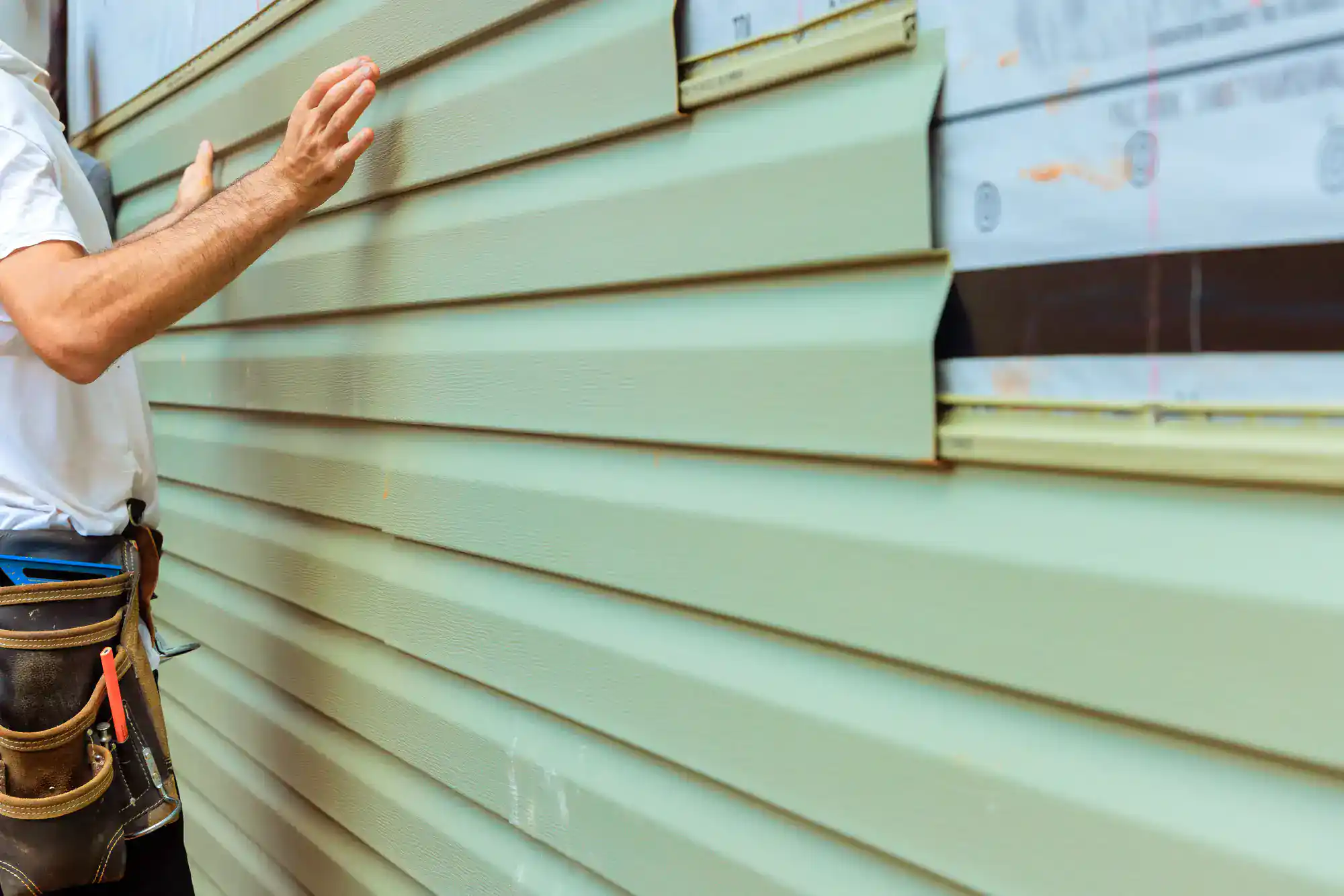
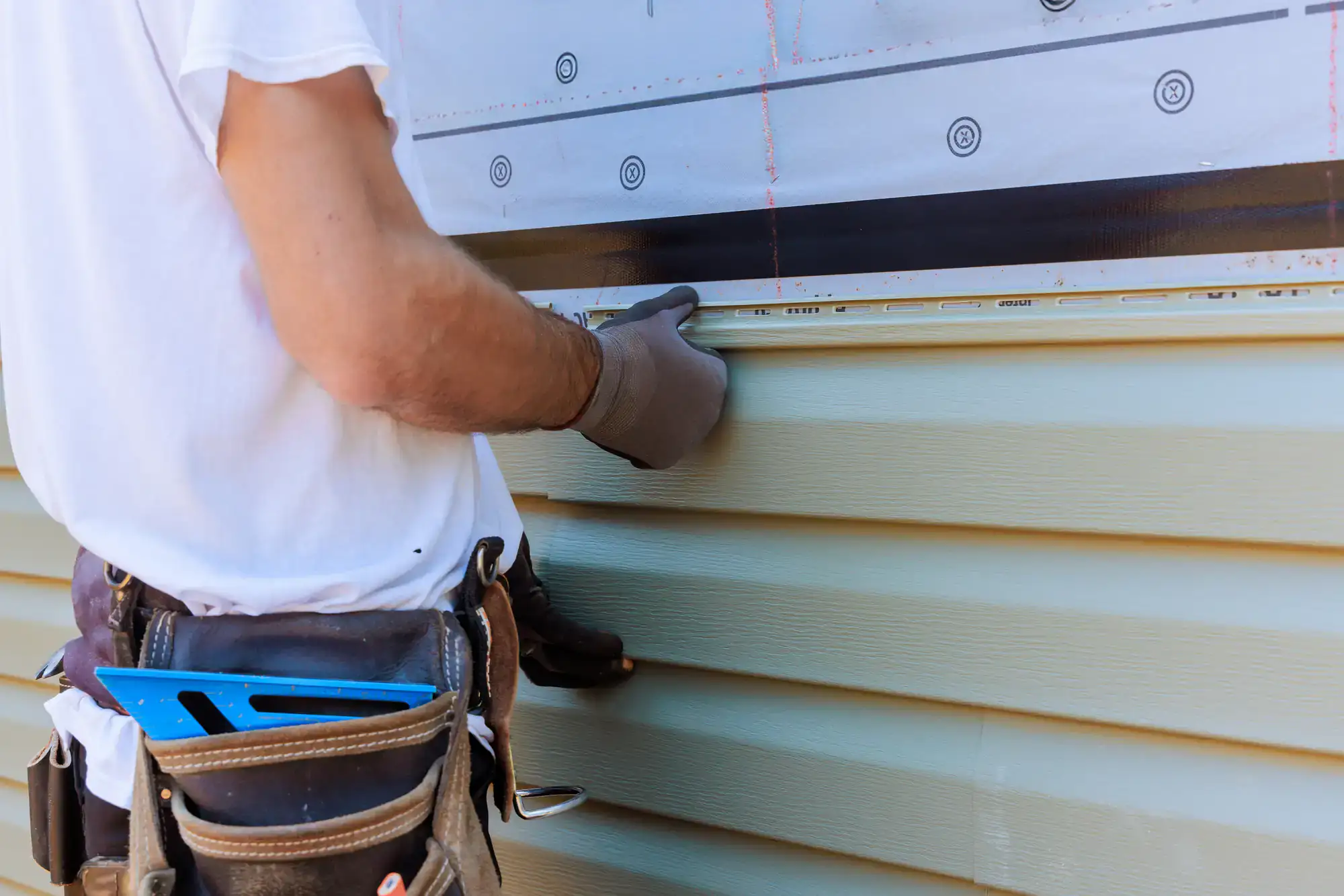
Once you’re ready to move forward, we order your materials and schedule the installation. Most single-family homes in Babylon take 7-10 days to complete, depending on size and complexity. We remove your old siding carefully to avoid damaging your home’s structure, then install proper moisture barriers and flashing before the first new panel goes up.
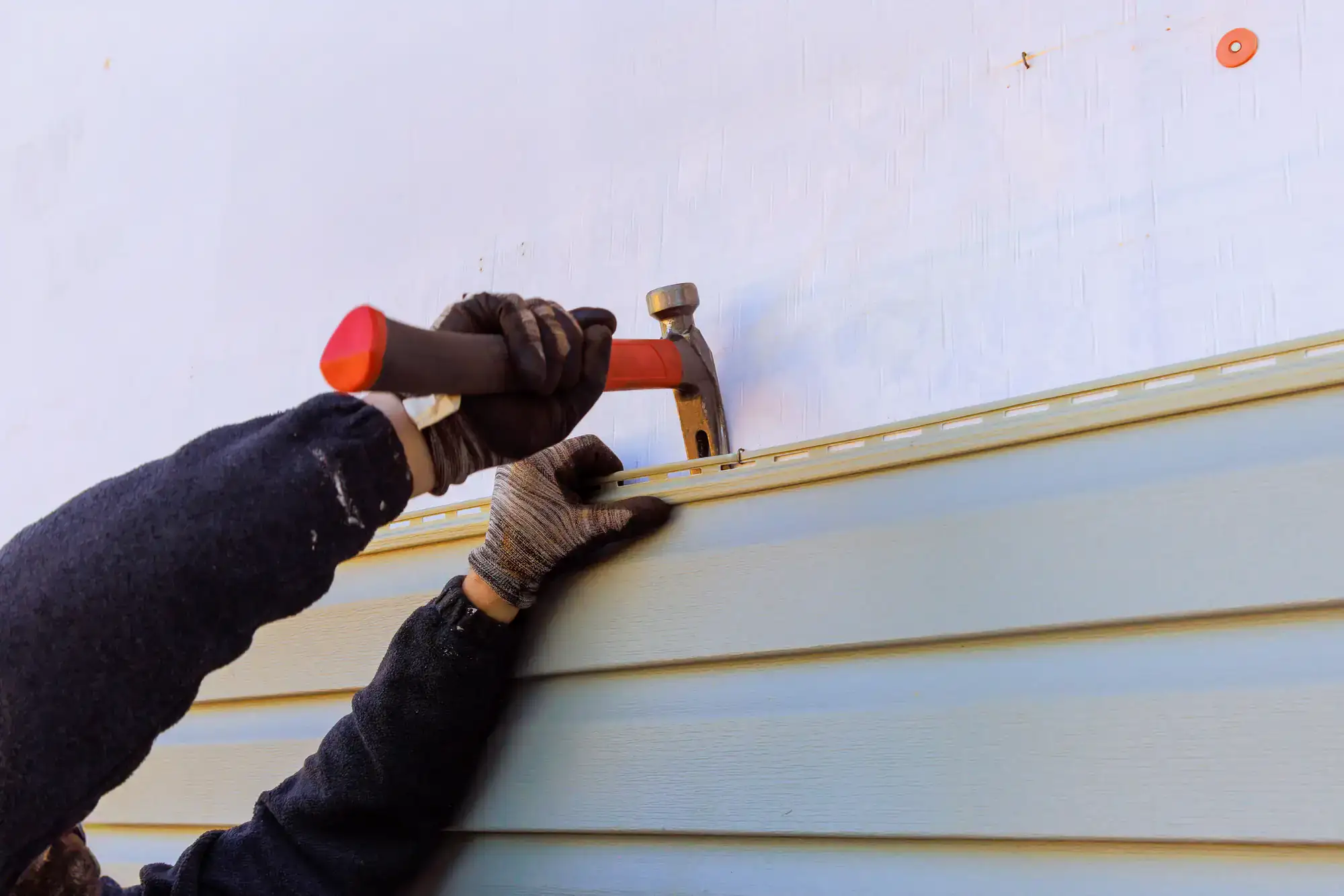
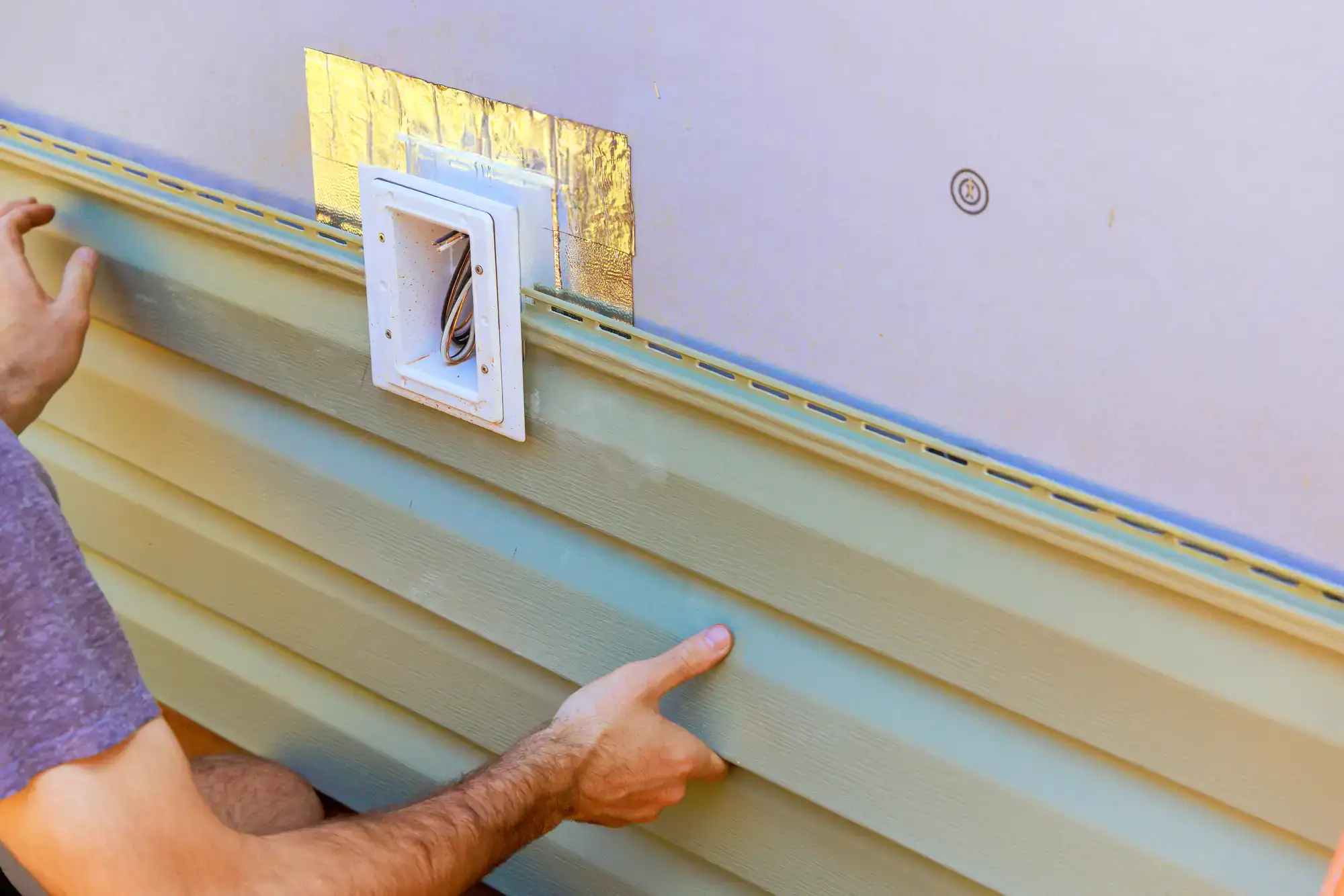
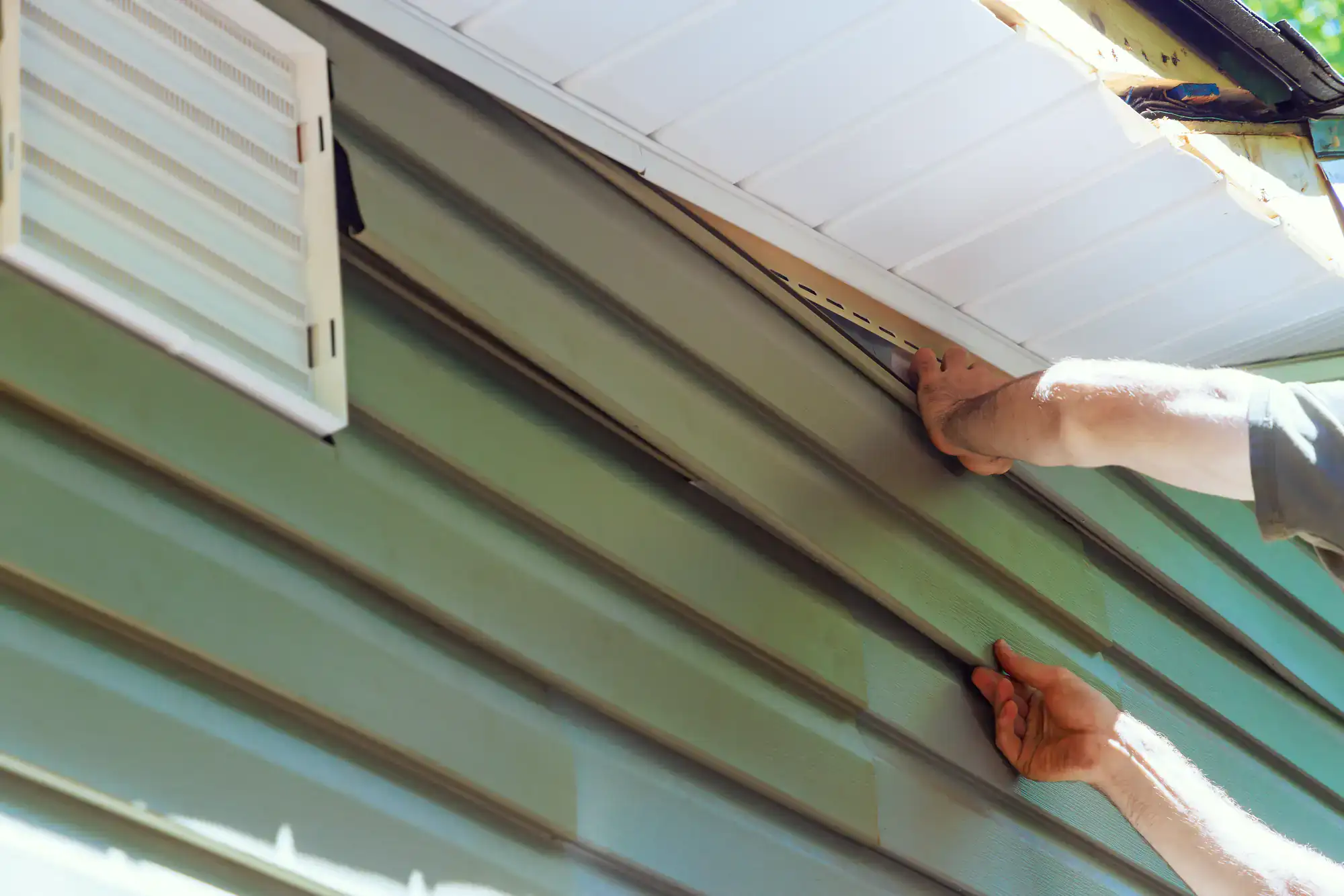
Each panel gets fastened according to manufacturer specs—not too tight, not too loose, with room for expansion and contraction. We seal every seam, install J-channels around windows and doors, and make sure water flows away from your home instead of behind your siding. When we’re finished, we walk the property with you to make sure everything meets your expectations, then we haul away all the old materials and clean up completely.
Ready to get started?
You’re not just getting new panels on your walls. You’re getting a complete exterior upgrade designed for Babylon’s climate. That means proper moisture barriers that keep water out of your wall cavities. It means insulated backing that creates a thermal break between outside temperatures and your interior. And it means materials that won’t fade, crack, or warp after a few Long Island summers.
Homeowners in Babylon are choosing fiber cement and insulated vinyl because both materials deliver real ROI. Fiber cement offers 80-89% return on investment and can boost your resale value by $15,000-$30,000 or more when you replace outdated, damaged siding. Insulated vinyl costs less upfront but still delivers 74-80% ROI while cutting your energy bills immediately.
Color matters too. The old beiges and whites are being replaced by sophisticated grays, ocean blues, and coastal-inspired tones that look modern without being trendy. Darker colors like charcoal and deep navy are popular in Babylon because they hide dirt and salt residue better than lighter shades. We’ll show you samples that work with your home’s style and your neighborhood’s character.
And you might qualify for rebates. PSEG offers $500-$1,000 for ENERGY STAR-rated siding installations. Federal tax credits cover up to 30% of material costs for energy-efficient upgrades. Some insurance companies reduce premiums by 5-15% when you install impact-rated siding. We’ll help you understand what’s available.
It depends entirely on the material and how well it’s installed. Cheap vinyl siding might last 15-20 years before it starts cracking, fading badly, or pulling away from the house. Quality vinyl with proper installation lasts 25-30 years in coastal conditions. Fiber cement lasts 30-40 years because it doesn’t absorb moisture, won’t rot, and resists impact damage better than vinyl.
The real issue in Babylon isn’t just time—it’s what the environment does to your siding. Salt air accelerates deterioration. UV exposure from summer sun fades color and makes vinyl brittle. Temperature swings cause expansion and contraction that loosen fasteners if panels weren’t installed with proper spacing. And storms test every weak point in your installation.
That’s why installation quality matters as much as material choice. Panels that are fastened too tightly will buckle when temperatures rise. Missing or improper flashing lets water get behind your siding and into your walls. Skipped moisture barriers mean you’re trapping humidity against your sheathing. When we install siding in Babylon, we’re accounting for all of that—not just slapping up panels as fast as possible.
Vinyl costs less upfront and requires zero maintenance. It won’t rot, resists moisture, and comes in dozens of colors that go all the way through the material—so scratches don’t show a different color underneath. Quality insulated vinyl also improves your home’s energy efficiency by adding a thermal backing that reduces heat transfer. The downside is that vinyl can crack on impact, fade over time in direct sun, and doesn’t have the same premium look as fiber cement.
Fiber cement costs more initially but lasts longer and looks more like real wood. It’s made from cement, sand, and cellulose fibers, so it’s extremely durable—it won’t rot, warp, or get eaten by insects. It holds paint better than vinyl, which means you can repaint it if you want to change colors later. And it performs better in extreme weather, including high winds and hail. The tradeoff is that fiber cement is heavier, takes longer to install, and needs repainting every 10-15 years to maintain its appearance.
For most Babylon homeowners, the decision comes down to budget and priorities. If you want the lowest maintenance option and solid performance at a reasonable price, insulated vinyl makes sense. If you’re planning to stay in your home long-term and want the most durable, premium-looking option, fiber cement is worth the investment.
Most homeowners in Babylon see energy cost reductions of 10-20% annually after installing insulated siding, but the exact amount depends on your current siding condition, your home’s insulation, and how much air leakage you have right now. If your existing siding is old, damaged, or poorly installed, you’re probably losing a lot of conditioned air through gaps, cracks, and areas where panels have pulled away from the house.
Insulated siding adds a continuous layer of foam backing that creates a thermal break between outside temperatures and your interior walls. That means less heat escapes in winter and less hot air gets in during summer. Your HVAC system doesn’t have to work as hard to maintain comfortable temperatures, which directly reduces your monthly utility bills. For a typical Babylon home, that can translate to $600-$1,200 in annual savings.
The payback period varies, but many homeowners recover the energy-efficiency portion of their investment within 5-8 years just from lower utility bills. And that doesn’t account for other benefits like reduced maintenance costs, increased home value, and potential insurance discounts. If energy efficiency is a priority, look for ENERGY STAR-rated materials and make sure your contractor is installing proper moisture barriers and sealing all penetrations—that’s where a lot of air leakage happens.
Sometimes, but it’s harder than most homeowners expect—and it’s one of the most common problems we see with insurance claims after storm damage. Siding manufacturers change colors, textures, and profiles regularly. Even if we can identify your exact product, there’s no guarantee the manufacturer still makes it. And even if they do, new panels won’t match the weathered, faded appearance of siding that’s been on your house for 10-15 years.
That color mismatch is especially noticeable on south- and west-facing walls that get the most sun exposure in Babylon. Your existing siding has been bleached by UV rays and dulled by salt air. New panels will look brighter, cleaner, and obviously different. Some homeowners try to blend the new section by installing it on a less visible wall, but that only works if the damage is limited to a small area.
The better solution—and what insurance companies are increasingly recommending—is replacing all the siding on affected walls or the entire house. Yes, it costs more upfront. But you get consistent color, better weather protection, improved energy efficiency, and you’re not stuck with a patchwork exterior that hurts your home’s curb appeal and resale value. If you’re filing an insurance claim, we can document why full replacement makes more sense than trying to match discontinued materials.
If the damage is limited to a few panels and your siding is relatively new, repairs might make sense. But if your siding is more than 15 years old, showing widespread fading or cracking, or if you’re seeing multiple problem areas, you’re probably better off replacing it. Here’s why: old siding fails gradually, not all at once. Those few damaged panels you can see are usually just the most obvious symptoms of a bigger problem.
Check for signs that your siding is at the end of its life. Are panels warped, loose, or pulling away from the house? Do you see cracks, holes, or areas where the color has faded dramatically? Is there rot or soft spots in the sheathing underneath? Are your energy bills higher than they should be? If you’re answering yes to multiple questions, repairs are just delaying the inevitable—and possibly letting water damage get worse behind your walls.
The other issue is that repairs rarely look good. Even if we can find matching panels, the repair area will stand out because the new material won’t have the same weathered appearance as the rest of your siding. You’ll spend money on a fix that’s temporary and obvious. Most Babylon homeowners who start with repairs end up replacing their siding within 2-3 years anyway. If your siding is old and showing multiple issues, replacement gives you better long-term value, improved energy efficiency, and a consistent appearance that actually boosts your home’s curb appeal.
Start with licensing and insurance. Every contractor working on your home should be licensed in New York and carry both liability insurance and workers’ compensation. If someone gets hurt on your property and the contractor isn’t properly insured, you could be liable. Ask for proof before you sign anything, and verify it independently—don’t just take their word for it.
Next, look at their experience with your specific material and your local climate. Installing siding in Babylon’s coastal environment isn’t the same as installing it inland. You need contractors who understand how salt air affects materials, how to flash and seal against driving rain, and how to fasten panels so they withstand high winds without buckling during temperature swings. Ask how long they’ve been working in Suffolk County and whether they’re familiar with local building codes.
Get detailed, written estimates from at least three contractors. The estimate should break down materials, labor, timeline, and warranty coverage—both for the products and the installation work. Be skeptical of quotes that are significantly lower than others; that usually means they’re cutting corners on materials, rushing the installation, or planning to upsell you later. And pay attention to how contractors communicate. Do they show up on time? Do they answer your questions clearly? Do they pressure you to sign immediately, or do they give you time to make an informed decision? Those details tell you a lot about how they’ll handle your project.
Other Services we provide in Babylon