
Hear from Our Customers
You’re not just getting new shingles. You’re getting a roof that handles what Suffolk County throws at it—wind-driven rain from nor’easters, ice dams in February, and summer heat that bakes cheap materials into brittle failures.
A proper roof replacement in East Quogue means you stop worrying every time the forecast shows a coastal storm. It means your insurance company sees a roof that meets code and handles claims without fighting you. It means better energy bills because heat isn’t escaping through worn-out materials.
Most of our clients call after storm damage or when they’re selling a high-value property and need the roof to match the rest of the home. Either way, the outcome is the same: a roof that works, looks right, and doesn’t need attention again for 20+ years. That’s what you’re paying for.
We’ve been handling roof replacements across Suffolk County for more than 35 years. We’re a family-run company, and every project gets direct oversight from someone with our last name on the truck.
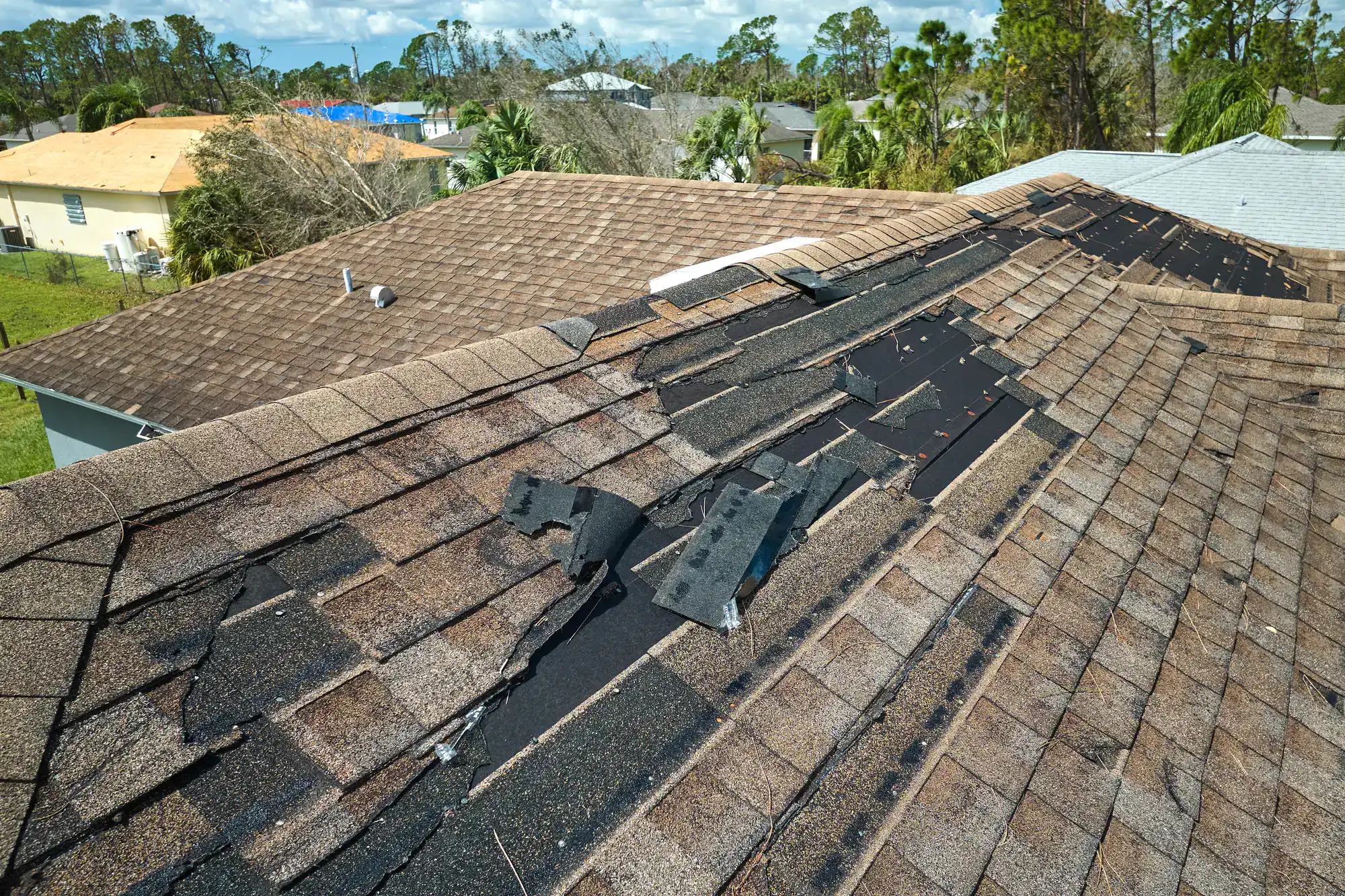
East Quogue homes sit right in the path of coastal storms. We’ve repaired roofs after Hurricane Sandy, replaced sections torn up by nor’easters, and re-roofed second homes that sit empty half the year but still need to hold up. We know what works here because we’ve seen what fails.
You’re not getting a crew that disappears after the deposit clears. You’re getting licensed, insured contractors who’ve worked on more than 2,000 roofs in this area and understand what Suffolk County weather does to materials over time.
It starts with an inspection. We come out, look at what you’ve got, check for damage you might not see from the ground, and give you a clear estimate. No surprises, no upselling you on things you don’t need.
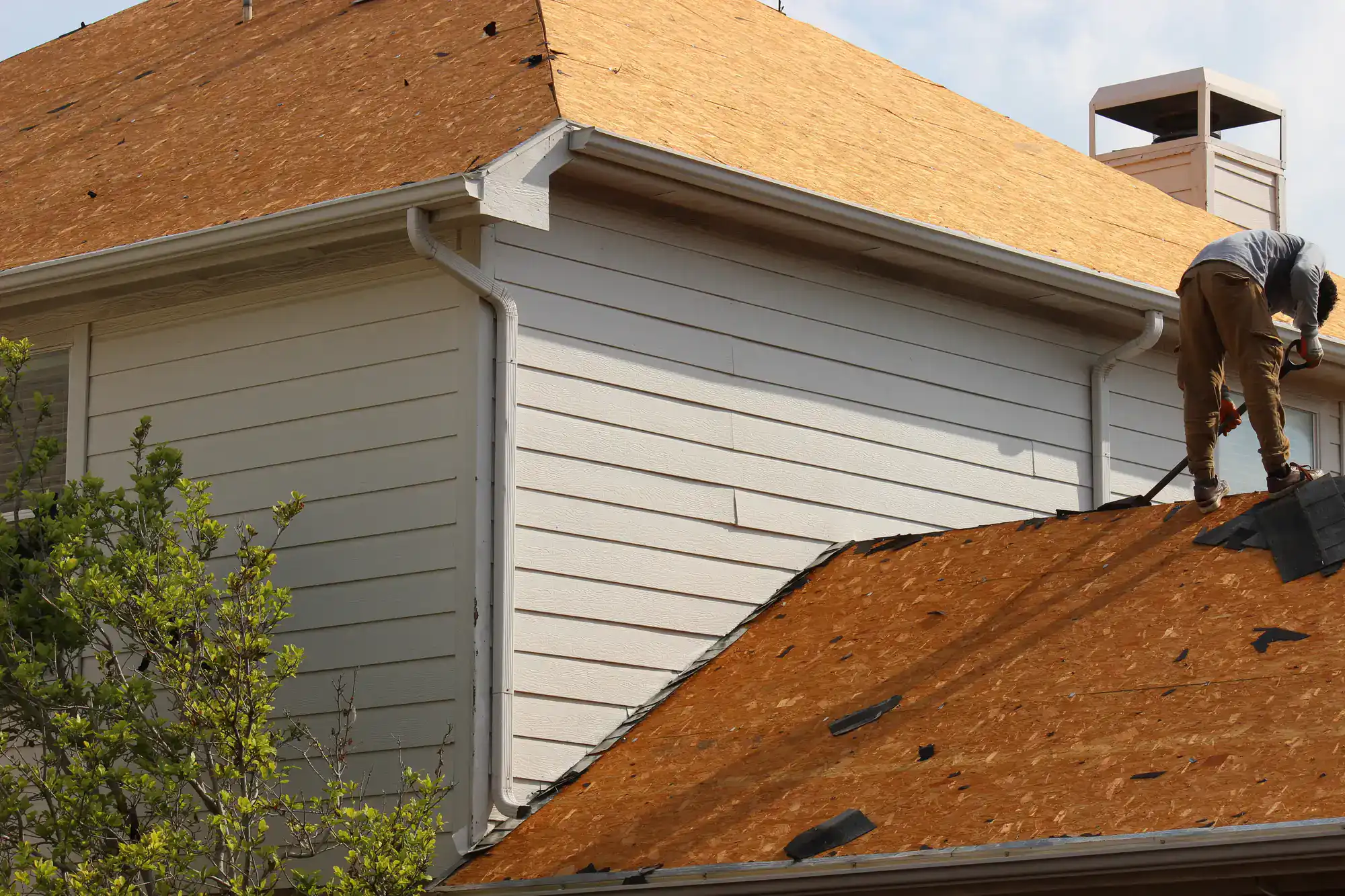
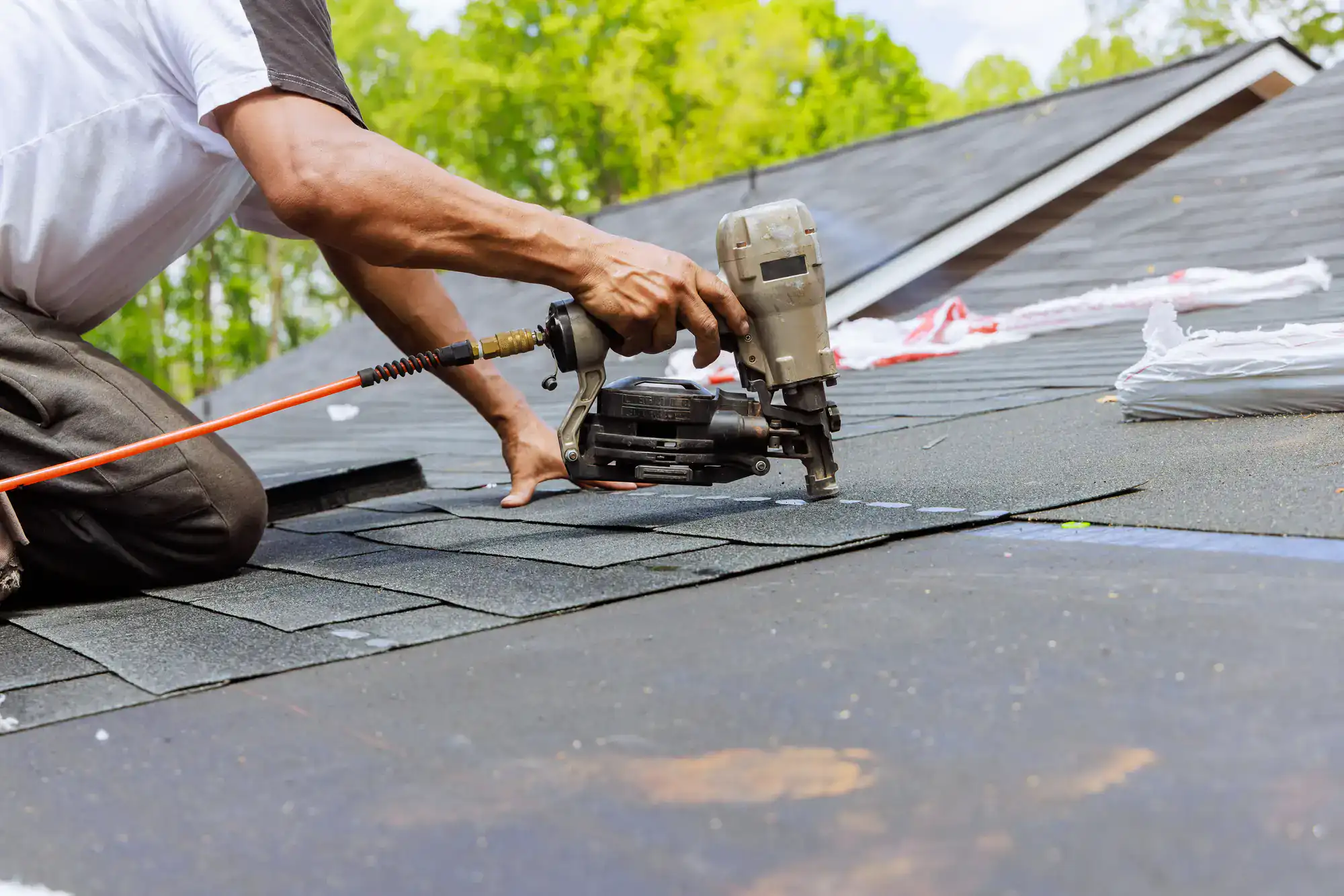
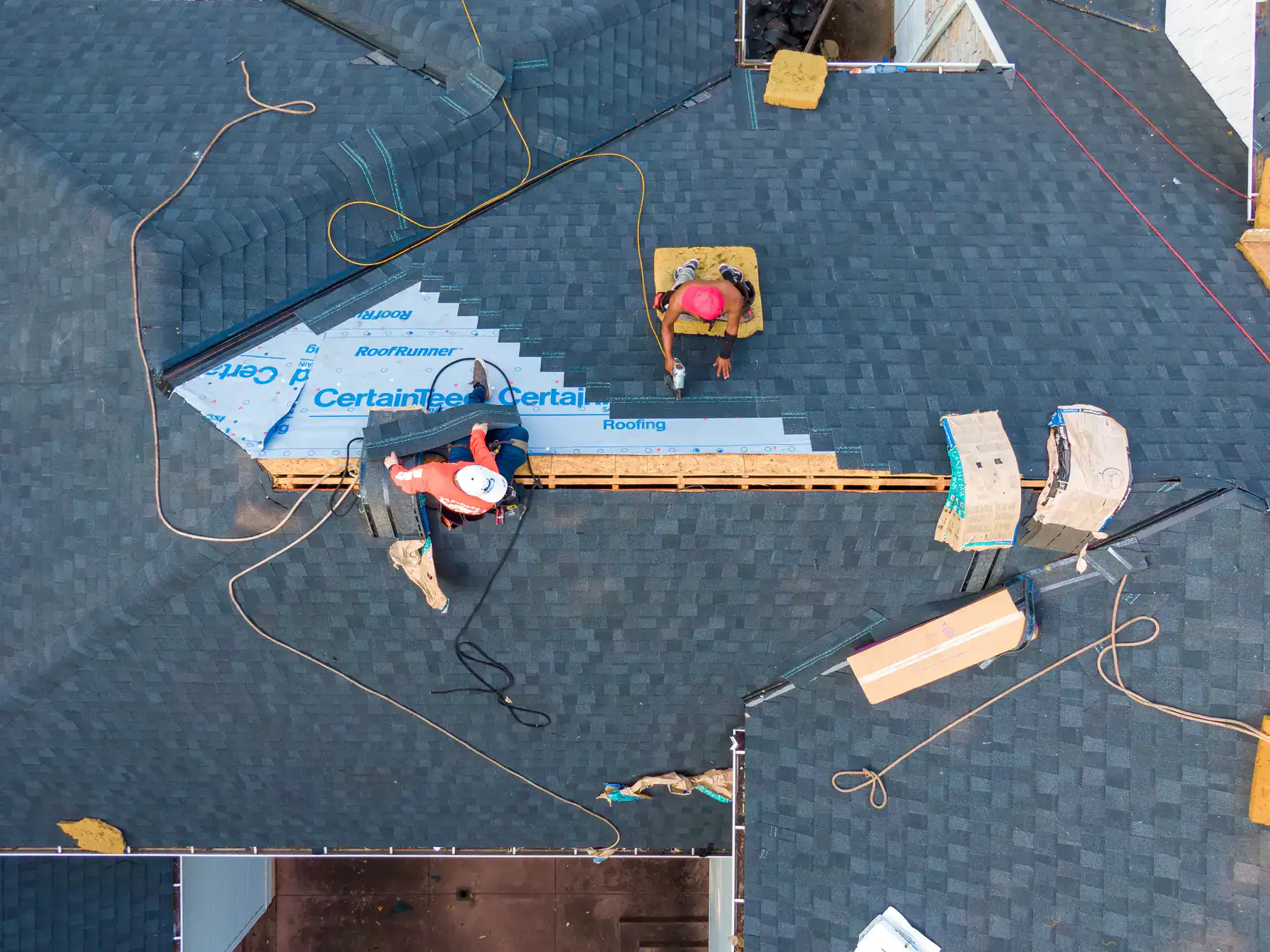
Once you’re ready to move forward, we schedule the work during weather that cooperates—usually spring through early fall. Most complete roof replacements take one to two days once we start. We tear off the old materials, inspect the decking for rot or damage, replace anything that’s compromised, then install your new roof using materials rated for coastal wind and weather.
We handle the permits. We coordinate with your insurance if there’s a claim involved. And when we’re done, we walk the property with you to make sure every shingle is where it should be and every piece of debris is gone. You’ll get warranty paperwork for both our labor and the manufacturer’s materials, and if something goes wrong down the line, we come back and fix it.
Ready to get started?
A complete roof replacement in East Quogue isn’t just swapping shingles. You’re getting a full system: new underlayment, proper ventilation, ice and water shield in vulnerable areas, and flashing around chimneys, vents, and skylights that actually seals.
We use materials chosen specifically for Suffolk County conditions. That means wind-resistant shingles rated for coastal storms, metal roofing options that shed snow and ice, and EPDM or rubber roofing for flat sections that won’t crack under freeze-thaw cycles. If you’ve got a concrete garage or a section with low pitch, we’ll match the right material to the job.
The average cost to replace a roof on a standard-sized home here runs between $9,000 and $18,000, depending on size, pitch, and material. We’ll give you an exact number after we see your property. And if you’re dealing with storm damage, we’ll work directly with your insurance to document everything and make sure your claim covers what it should. Most wind damage claims in this area come after nor’easters and hurricanes, and we’ve handled enough of them to know what adjusters need to see.
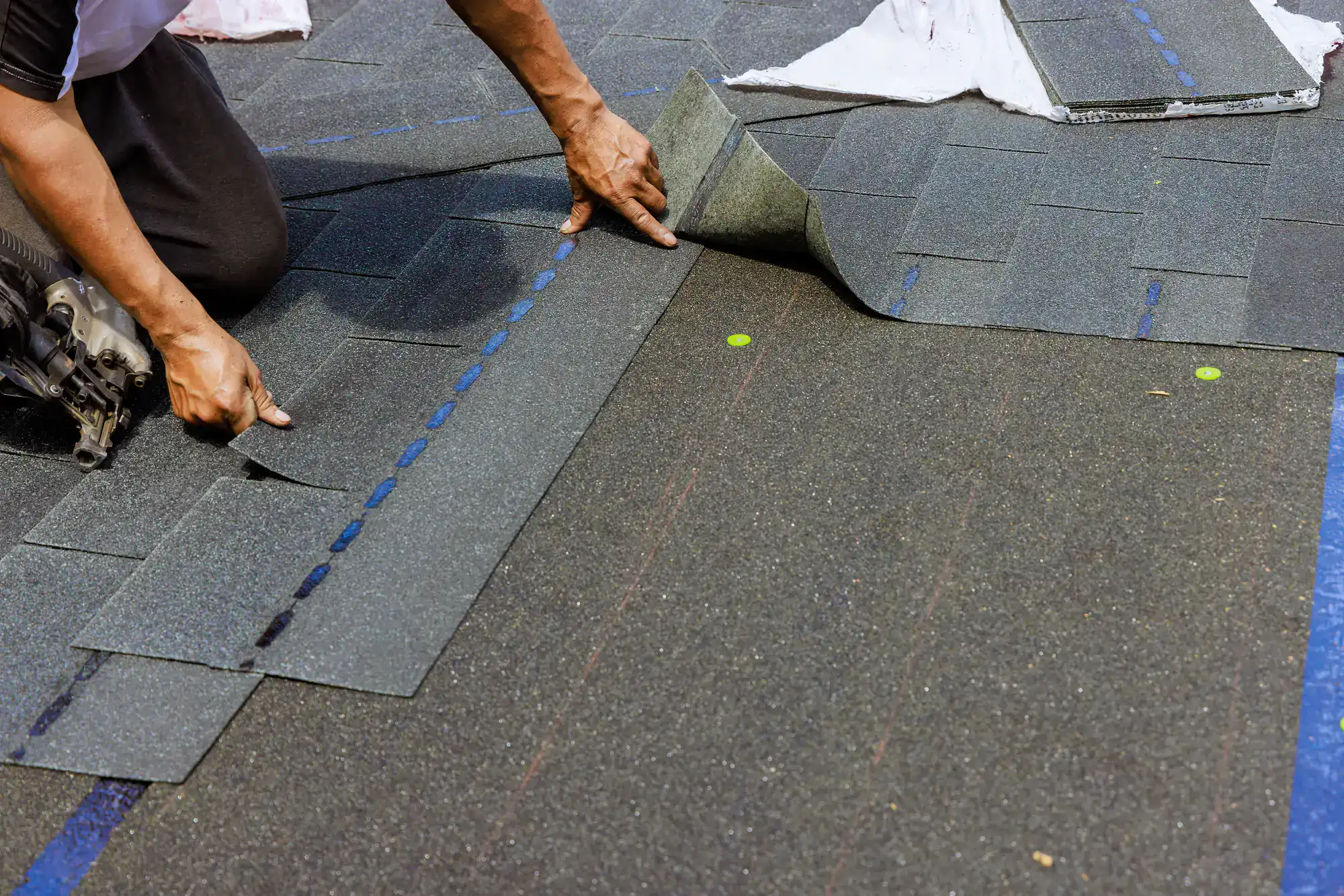
For a standard-sized home in East Quogue, you’re looking at $9,000 to $18,000 for a complete roof replacement. That range depends on your roof’s size, pitch, how many stories your home has, and what material you choose.
Asphalt shingle roofs sit on the lower end. Metal roofing costs more upfront but lasts longer and handles coastal weather better. If you’ve got a flat section or a garage that needs EPDM or rubber roofing, that’s priced separately based on square footage.
We give you a detailed estimate after inspecting your property. No ballpark guesses, no “it depends” without explaining what it depends on. And if insurance is covering part of the cost because of storm damage, we’ll work with your adjuster to make sure the claim reflects the actual scope of work.
Most complete roof replacements take one to two days once we start. Smaller homes or simpler layouts might be done in a day. Larger homes with multiple levels, steep pitch, or complex flashing details might stretch into a second day.
Weather matters. We don’t install roofs in the rain or when high winds are forecast, because materials won’t seal properly and it’s not safe for the crew. Spring through early fall gives us the most consistent conditions, though we can work into late fall if temperatures cooperate.
Tear-off happens first—usually takes a few hours. Then we inspect the decking, replace any rotted sections, install underlayment and ice shield, and lay your new shingles or metal panels. Cleanup is part of the job, and we use magnets to pick up stray nails so your driveway isn’t a hazard afterward.
Curling or missing shingles are the obvious ones. If you’re seeing bare spots or shingles in your yard after a storm, that’s a problem. But there are less obvious signs too: granules collecting in your gutters, dark streaks or stains on your ceiling inside, or daylight visible through the roof boards in your attic.
Age is another factor. Most asphalt shingle roofs last 20 to 25 years in Suffolk County if they’re installed right. If yours is pushing 20 and you’re starting to see wear, it’s worth getting an inspection before a nor’easter makes the decision for you.
Ice dams in winter are a red flag. If water is backing up under your shingles because of poor ventilation or worn materials, you’re going to have leaks and rot. And if your insurance adjuster has flagged your roof after a storm, don’t wait—damage gets worse, and claims have deadlines.
Yes. We work directly with homeowners and their insurance companies after storm damage. That means documenting the damage with photos, providing a detailed scope of work for the adjuster, and making sure the claim covers everything that needs to be replaced—not just a patch job.
Wind damage claims are common in East Quogue after nor’easters and hurricanes. Insurance companies want to see proof that the damage was caused by a covered event, and they want it documented fast. We know what adjusters need, and we’ve handled enough claims to walk you through the process without the runaround.
If your claim gets approved, we’ll coordinate the work around your insurance timeline. If it gets denied or lowballed, we’ll provide the documentation you need to appeal. We’re not public adjusters, but we’ve been doing this long enough to know when a claim should cover more than the insurance company’s first offer.
Asphalt shingles work if you choose wind-resistant options rated for coastal storms. Look for shingles rated for 110+ mph winds—standard shingles won’t hold up when a nor’easter comes through. They’re the most affordable option and last 20 to 25 years if installed correctly.
Metal roofing is better for longevity and storm resistance. It sheds snow and ice, doesn’t absorb water, and handles high winds without lifting. It costs more upfront, but you’re looking at 40+ years of life with almost no maintenance. A lot of second homeowners in East Quogue go with metal because they’re not here year-round to deal with repairs.
For flat sections or low-pitch areas, EPDM rubber roofing is the standard. It handles freeze-thaw cycles better than older materials like tar and gravel, and it doesn’t crack or blister under summer heat. Whatever material you choose, proper installation matters more than the product itself—cheap shingles installed right will outlast expensive materials installed wrong.
We can, but it’s not ideal. Asphalt shingles need warmth to seal properly—the adhesive strips bond when temperatures hit 40°F and above. If we install in cold weather, the shingles won’t seal until spring, which leaves them vulnerable to wind damage in the meantime.
Metal roofing is more forgiving in cold weather since it’s mechanically fastened and doesn’t rely on adhesive. If you’ve got an emergency—storm damage, a leak that’s causing interior damage, or a section that’s completely failed—we can do temporary repairs or install metal to get you through winter, then address the rest when temperatures cooperate.
Most roof replacements in Suffolk County happen between May and October for a reason. The materials work better, the crew works faster, and you’re not gambling on weather delays. If you’re planning a replacement, schedule it for spring or summer. If you’ve got an emergency in January, call us—we’ll figure out the best short-term fix and plan the full replacement for better conditions.
Other Services we provide in East Quogue