
Hear from Our Customers
Your siding takes a beating out here. Salt crystals settle into every surface. Wind-driven rain finds gaps you didn’t know existed. Standard vinyl turns brittle in half the time it would inland.
Coastal-grade vinyl siding installation in Ocean Beach, NY means materials rated for wind pressure and salt exposure. It means fasteners that won’t corrode after three seasons. It means proper ventilation behind every panel so moisture doesn’t trap and rot your sheathing.
You get 20 to 40 years of performance instead of constant repairs. Your heating and cooling bills drop because air isn’t leaking through warped seams. You stop repainting, stop patching, and stop wondering if the next storm will peel sections off your house.
We’ve worked on Suffolk County homes for over 35 years. We’ve replaced siding after Hurricane Sandy. We’ve repaired wind damage from nor’easters that ripped through Ocean Beach every winter. We know what coastal weather does to homes because we’ve seen it firsthand on more than 2,000 properties.
Every job gets oversight from our family, not random subcontractors. Our crews are licensed, trained on coastal installation techniques, and equipped with materials that actually hold up to Atlantic exposure. If something goes wrong with our work, we come back and fix it at no charge.
We start with an inspection of your current siding and sheathing. If there’s moisture damage underneath, we find it before new panels go up. You get a written estimate that breaks down materials, labor, and timeline—no surprises.
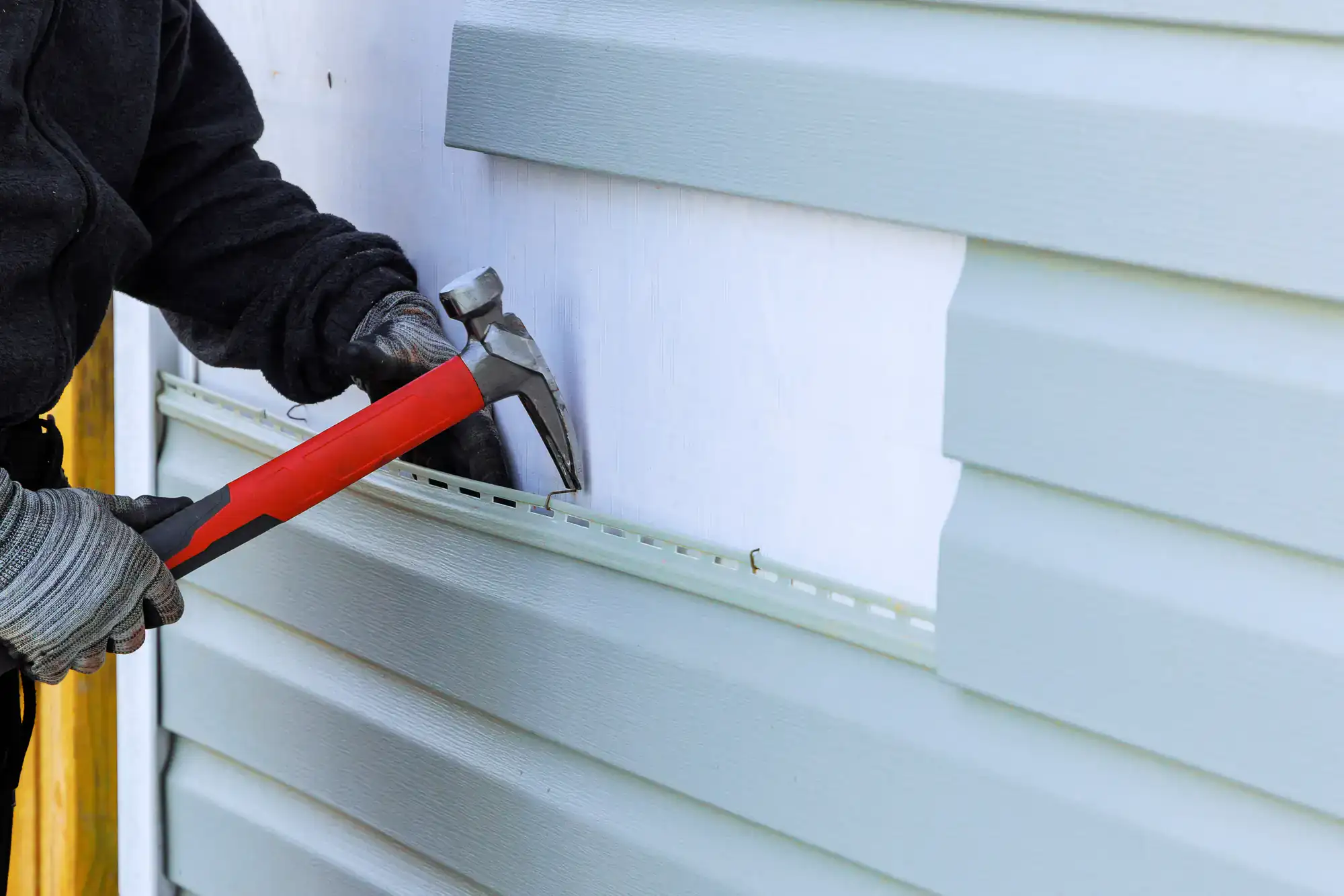
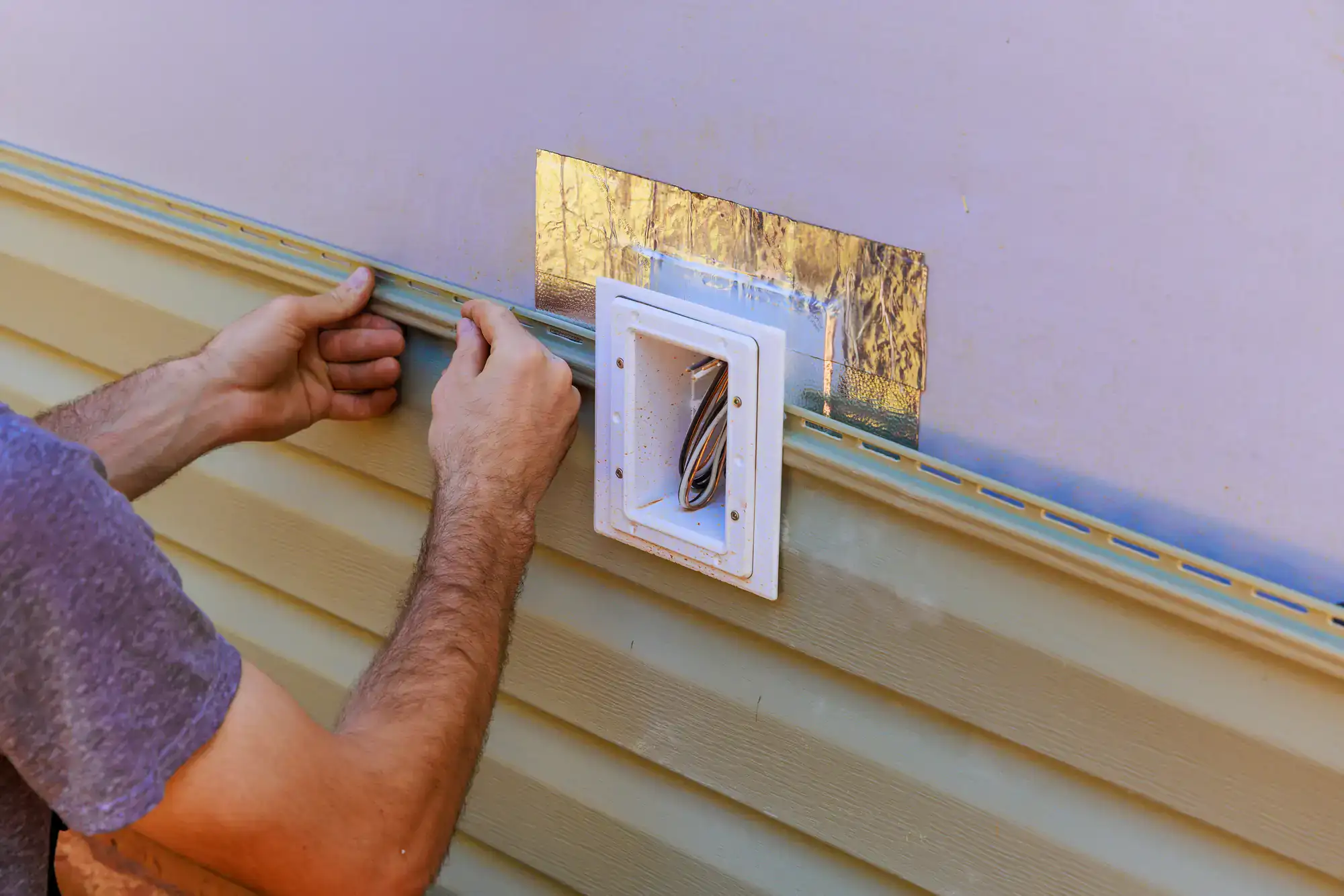
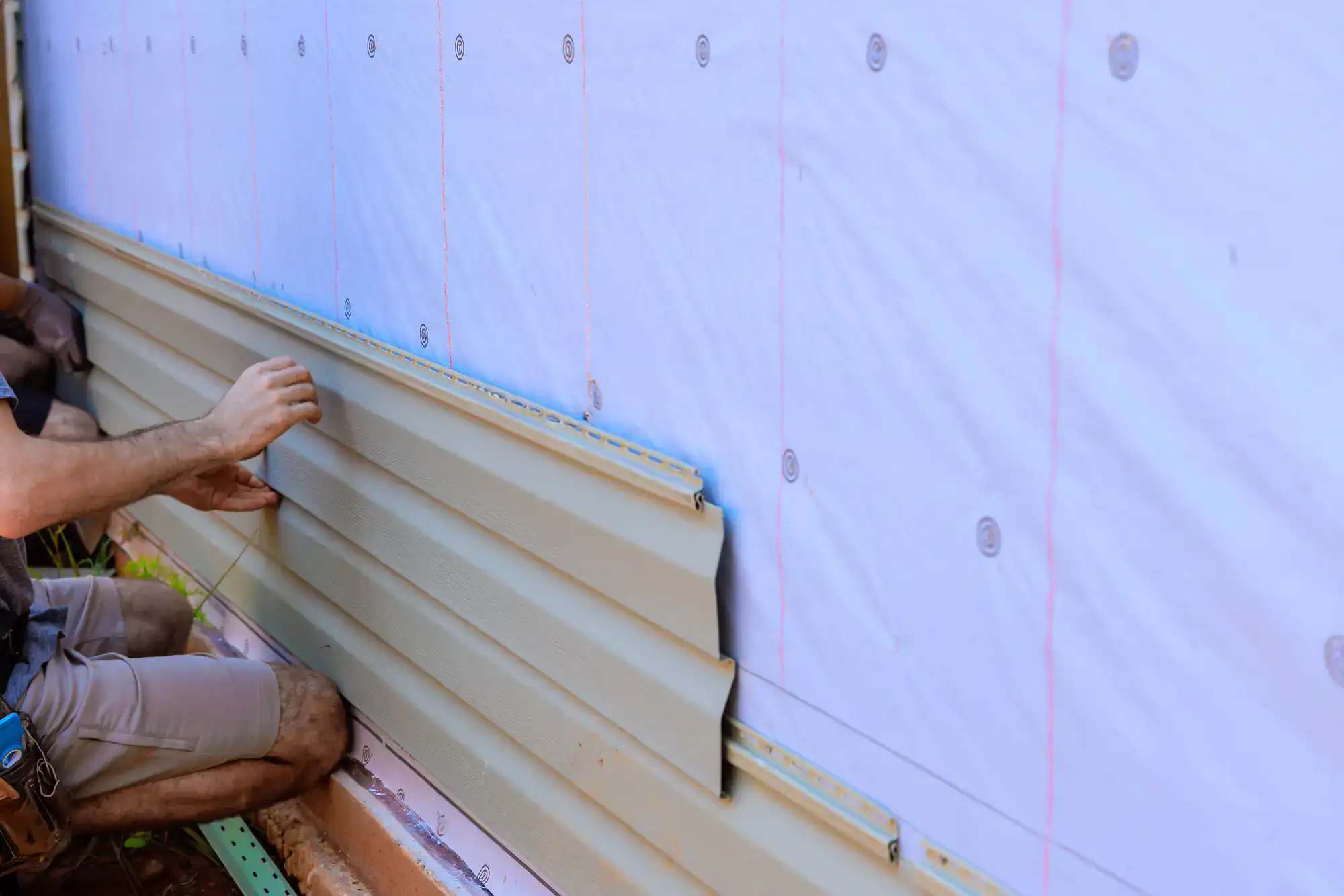
Once you approve, we order coastal-rated vinyl with UV protection and wind resistance specs that match Ocean Beach conditions. Installation starts with removing old siding and checking for rot or structural issues. We repair what needs fixing, install proper moisture barriers, then hang each panel with correct nail slot engagement so it can expand and contract without buckling.
The job typically takes a few days depending on your home’s size. We clean up completely, haul away old materials, and walk you through care instructions. You’re left with siding that sheds water, resists salt buildup, and holds its color through years of sun and spray.
Ready to get started?
You’re not just getting new panels slapped over old problems. Vinyl siding installation in Ocean Beach, NY includes full removal of existing siding, inspection and repair of underlying sheathing, and installation of weather-resistant barriers designed for coastal moisture.
We use vinyl with published wind ratings—critical when you’re facing gusts that regularly hit 50+ mph during storms. Fasteners are corrosion-resistant because standard nails rust out in salt air within a few years. Color technology includes advanced UV inhibitors so your siding doesn’t fade to a chalky mess after five seasons of Atlantic sun.
Ocean Beach sits in an extreme flood risk zone with 95% of properties facing severe flooding potential over the next 30 years. Proper siding installation means panels that can handle storm surge without trapping water behind them. It means ventilation that lets your home dry out after weather events instead of growing mold inside your walls.
Standard vinyl siding lasts 20 to 40 years depending on the grade and how it’s installed. But here’s the catch—Ocean Beach isn’t a standard environment. Salt air makes vinyl brittle faster than it would even 10 miles inland. Ten-year-old siding here can perform like twenty-year-old material in other locations.
That’s why material selection matters. Coastal-grade vinyl with UV stabilizers and impact resistance holds up better to salt spray, wind-borne debris, and temperature swings. Proper installation is just as critical—panels need room to move with temperature changes or they’ll ripple and lose wind resistance.
If you’re replacing siding that’s cracked, faded, or pulling away from the house, you’re likely looking at material that wasn’t rated for this environment. Upgrading to coastal-specific vinyl with professional installation gives you the full lifespan instead of half.
For a standard 2,000 square foot home, vinyl siding installation in Ocean Beach, NY typically runs between $6,150 and $15,900. That includes materials, labor, removal of old siding, and disposal. The range depends on the vinyl grade you choose, how much underlying repair is needed, and whether you’re adding insulation.
Basic vinyl runs $5 to $10 per square foot installed. Insulated or premium-grade vinyl with better color retention and impact resistance costs more upfront but saves you money long-term through energy efficiency and fewer replacements. If we find rot or water damage during removal, repair costs get added—but you’ll know before we proceed.
Ocean Beach homes face unique challenges that can affect cost. Coastal wind ratings, corrosion-resistant fasteners, and proper moisture barriers aren’t optional extras here—they’re requirements for installation that actually lasts. Cutting corners to save $2,000 now usually means spending $15,000 on storm damage repairs later.
Yes, if your current siding has gaps, cracks, or poor insulation underneath. Homeowners commonly see energy bill drops after replacing outdated siding, especially when adding insulated vinyl. Studies show insulated siding can cut heating and cooling costs by 10 to 15%, sometimes more in climates with temperature extremes.
Ocean Beach gets sharp temperature swings—cold nor’easters in winter, humid heat in summer. Old siding with air leaks forces your HVAC system to work overtime. New vinyl with proper sealing and insulation creates a thermal barrier that keeps conditioned air inside.
Insulated vinyl siding can also qualify for federal energy efficiency tax credits up to 30% of material costs, capped at $1,200 per year. That’s not guaranteed for every product, so ask us specifically about qualifying materials if you want to claim the credit. Either way, the energy savings add up over the 20+ year lifespan of the siding.
Look for cracks, warping, or sections pulling away from the house—those are obvious signs. But coastal homes also show subtler damage. Check for fading that’s uneven or chalky residue when you run your hand across panels. That’s UV breakdown, and it means the material is losing structural integrity, not just color.
Moisture is the bigger concern. If you see mold or mildew growing on siding that should shed water, it’s trapping moisture. Peeling paint on trim around siding edges indicates water is getting behind panels. Inside your home, water stains on walls or ceilings near exterior walls mean siding isn’t doing its job.
Storm damage is common here but not always visible. After a nor’easter or hurricane, walk your property and look for loose panels, dents from debris, or areas where wind lifted sections. Even small damage lets water infiltrate, and a $500 problem becomes a $15,000 disaster once rot spreads through sheathing and framing.
It does if you use the right material and install it correctly. Cheap vinyl wasn’t designed for coastal exposure. It cracks in cold snaps, fades fast under constant sun and salt, and loses wind resistance when panels can’t move properly. That’s what gives vinyl a bad reputation in beach communities.
Coastal-rated vinyl is a different product. It includes impact modifiers so panels don’t shatter when hit by wind-borne debris. UV inhibitors prevent the color from bleaching out or turning chalky after a few seasons. Proper thickness and wind ratings mean panels stay attached during storms instead of peeling off in sheets.
Installation technique matters just as much. Panels need correct nail slot engagement so they can expand and contract with temperature changes without buckling. Corrosion-resistant fasteners won’t rust out in salt air. Moisture barriers behind the siding let your home dry out after storms instead of trapping water that rots your walls. Ocean Beach’s extreme flood risk and constant salt exposure require installation that accounts for both.
Most homes take three to seven days depending on size, complexity, and how much underlying repair is needed. A straightforward 2,000 square foot house with minimal rot or damage can be done in three to four days. Larger homes or properties with extensive water damage take longer because we’re not just replacing siding—we’re fixing what’s underneath.
Weather affects the timeline, especially in Ocean Beach. We don’t install during heavy rain or high winds because moisture barriers and panels need to go up in dry conditions. If a storm rolls through mid-project, we pause and secure everything until conditions improve.
You’ll see progress daily. Day one is removal and inspection. Days two and three involve repairs and moisture barrier installation. Final days are panel installation and trim work. We clean up completely and haul away old materials—you’re not left with a dumpster in your driveway for weeks. The goal is quality work done efficiently so you’re protected before the next coastal storm hits.
Other Services we provide in Ocean Beach