
Hear from Our Customers
Your heating and cooling costs drop when your exterior stops letting temperature through. Insulated vinyl siding creates a thermal barrier that keeps conditioned air inside, cutting energy waste by 10-15% in most Suffolk County homes.
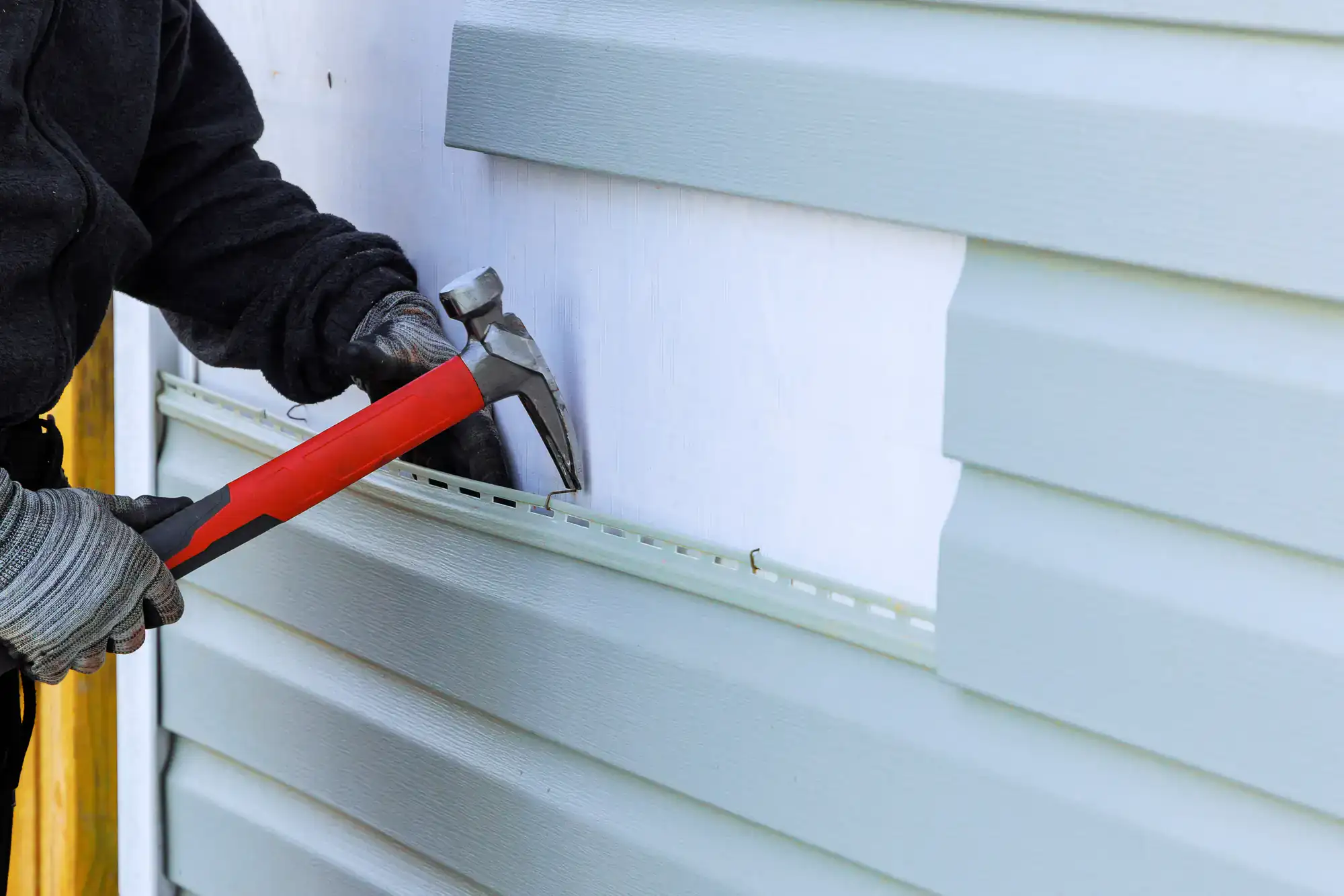
You stop spending weekends scraping, painting, or patching. Vinyl doesn’t rot, warp, or attract insects like wood does. It handles freeze-thaw cycles without cracking and resists salt air corrosion that eats through other materials along the coast.
Wind resistance matters here. Quality vinyl siding withstands gusts up to 110 mph—the kind of punishment nor’easters bring to Mastic every winter. When installation is done right, your siding stays put through storms that rip off poorly secured panels down the block.
We’ve been handling vinyl siding installation in Mastic, NY and across Suffolk County for over 35 years. We’re a family operation—not a franchise, not a national chain. That means the people who quote your job are the same ones overseeing the installation.
We’ve completed more than 2,000 roofing and siding projects on Long Island. We know what Hurricane Sandy did to homes here. We’ve seen what happens when contractors cut corners or use materials that can’t handle coastal conditions.
Your home gets the same attention we’d give our own. Every panel placement, every trim detail, every flashing point gets checked because our family name is attached to the work.
You schedule a consultation where we assess your home’s current condition, measure the exterior, and discuss material options. We’re looking at substrate condition, moisture issues, and any structural concerns that need addressing before new siding goes up.
You receive a detailed estimate breaking down materials, labor, timeline, and warranty coverage. No surprise charges. No pressure tactics. Just clear numbers so you can make an informed decision.
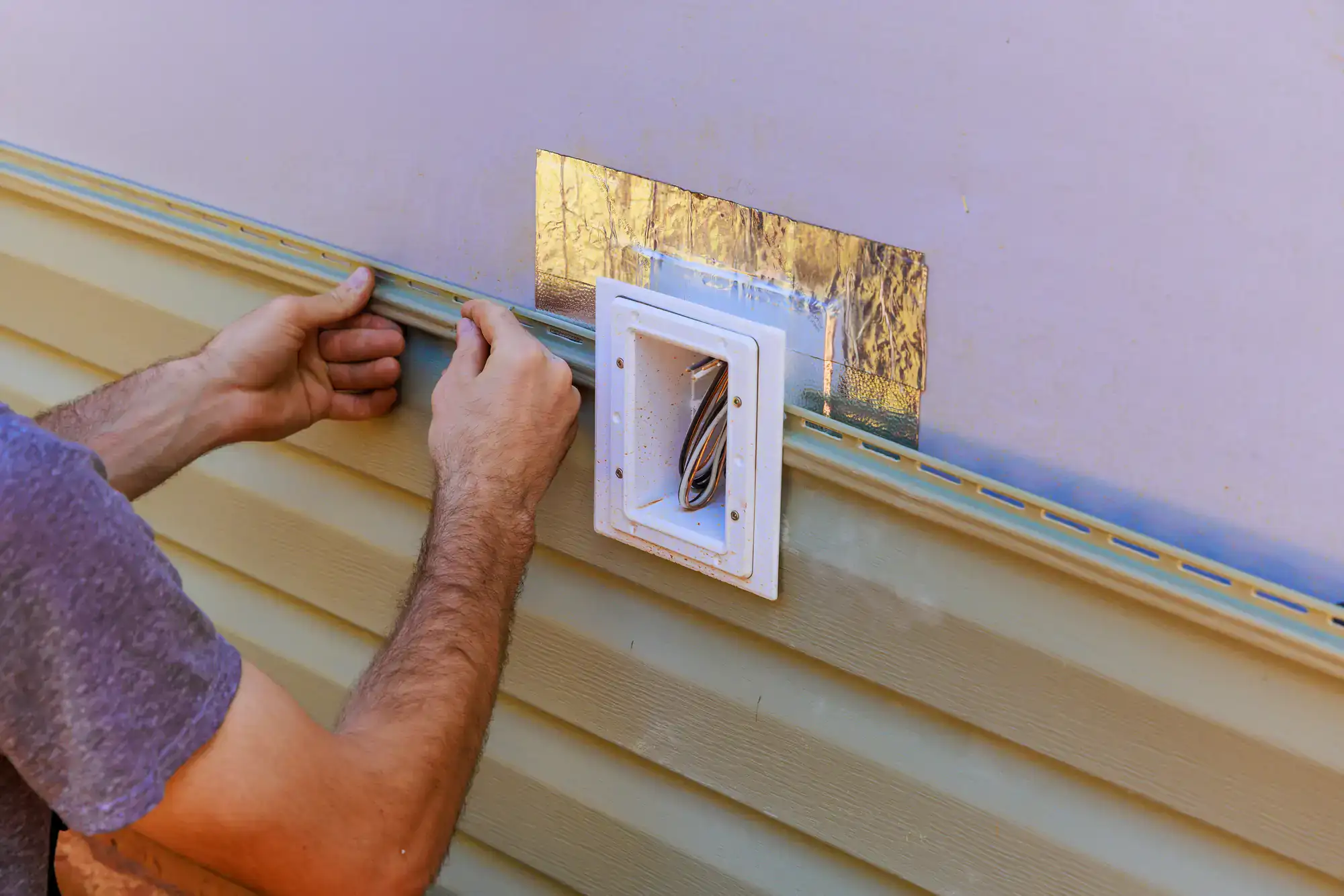
Once you approve, we order materials and schedule installation around your timeline. Our crew preps your home by removing old siding, repairing any damaged sheathing, and installing moisture barriers. Then panels go up section by section, with trim and finishing details completed last.
We do a final walkthrough with you, checking every detail and answering any questions about care or warranty coverage. You get documentation for your records and direct contact information if anything comes up down the road.
Ready to get started?
You’re getting premium vinyl siding materials designed for coastal climates—products with SolarDefense technology that reflect heat and resist fading under Long Island’s summer sun. These aren’t builder-grade panels. They’re backed by fully transferable lifetime warranties that protect your investment.
Installation includes proper moisture barriers and house wrap that prevent water intrusion behind your siding. This matters in Mastic where horizontal rain during storms can find every gap in poorly installed systems. We’re sealing your home envelope correctly.
Insulated vinyl siding options add R-value that meets New York’s tightening energy codes while qualifying you for federal Energy Efficient Home Improvement Credits through 2032. That’s real money back at tax time on top of monthly utility savings.
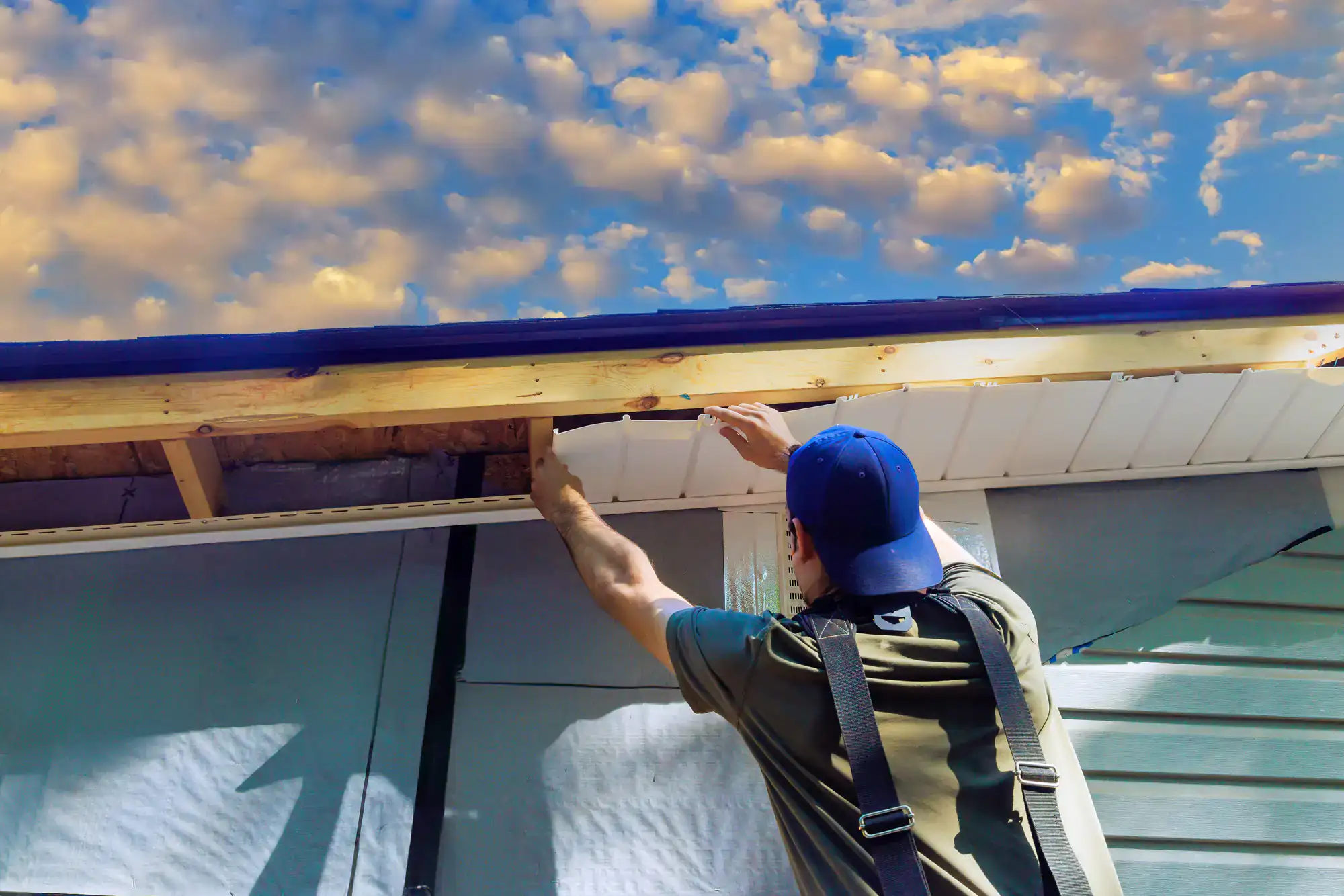
You’re also getting trim work, soffit and fascia coordination, and proper flashing around windows and doors. These details separate installations that last decades from ones that start failing in five years. Suffolk County’s weather doesn’t forgive sloppy work.
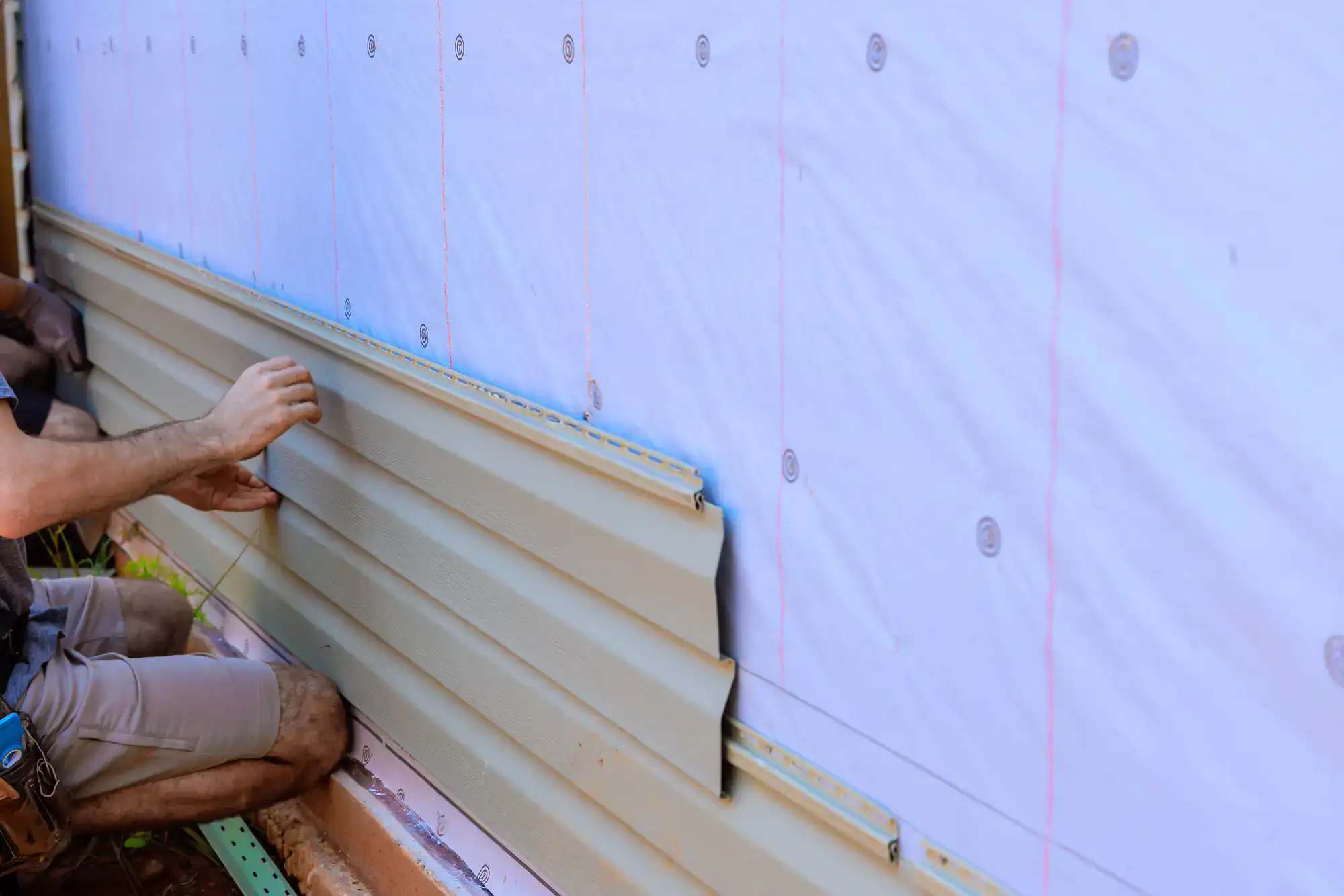
Most vinyl siding installation projects in Mastic run between $8,000 and $24,000 depending on your home’s square footage, material selection, and complexity. A typical 1,500 square foot ranch costs around $12,000-$15,000 for mid-grade vinyl with proper insulation and trim.
Premium insulated vinyl adds $1-$4 per square foot but cuts your energy costs enough to pay for itself within 7-10 years in Suffolk County’s climate. Standard vinyl costs less upfront but doesn’t provide the same thermal protection.
Two-story homes, complex architectural details, and extensive trim replacement increase labor costs. Homes needing sheathing repair or moisture remediation before installation add to the total. We provide itemized estimates so you see exactly where your money goes—no hidden fees or surprise charges after work starts.
Quality vinyl siding lasts 30-40 years in coastal Suffolk County conditions when installed correctly. Cheaper products or poor installation cut that lifespan to 15-20 years before you’re dealing with warping, cracking, or moisture intrusion.
Long Island’s climate is tough on exterior materials. You’ve got freeze-thaw cycles in winter, intense UV exposure in summer, salt air year-round, and storm winds that test every fastener. Vinyl handles these conditions better than wood or fiber cement because it doesn’t absorb moisture, won’t rot, and flexes with temperature changes instead of cracking.
The key is proper installation. Panels need room to expand and contract with temperature swings—nail them too tight and they’ll buckle in summer heat. Skip moisture barriers and you’ll have water damage behind perfectly good siding. Use the wrong fasteners and coastal corrosion loosens panels within a decade. That’s why contractor selection matters as much as material quality.
Insulated vinyl siding cuts heating and cooling costs by 10-15% in most Suffolk County homes by adding R-value to your exterior walls. That translates to $200-$400 annual savings for typical Mastic households, depending on your current insulation and HVAC efficiency.
Standard vinyl provides minimal insulation value—it’s mostly a weather barrier. Insulated vinyl includes rigid foam backing that adds R-2 to R-5 to your wall assembly. That might not sound like much, but it eliminates thermal bridging through studs and reduces air infiltration that accounts for 25-40% of heating and cooling loss in older Long Island homes.
You’ll notice the difference most during temperature extremes. Winter heating bills drop because less warmth escapes through walls. Summer cooling costs decrease because less heat penetrates inside. Your HVAC system runs shorter cycles, which extends equipment life. The investment pays for itself through energy savings while making your home more comfortable year-round.
Look for vinyl siding rated for 110+ mph wind resistance with UV inhibitors and impact resistance for coastal Suffolk County installations. Mastic brand products (no relation to the town) feature proprietary formulations that handle salt air, moisture, and temperature extremes better than standard vinyl.
Thickness matters—premium vinyl runs .044 to .046 inches thick versus .040 for builder grade. That extra material resists impact damage from storm debris and holds up better to thermal expansion and contraction. Thicker panels also resist warping under Long Island’s summer heat.
Color technology has improved dramatically. SolarDefense and similar reflective technologies prevent dark colors from absorbing excessive heat that causes warping and fading. You can choose deep charcoals and navy blues that would have been impractical a decade ago. Lighter colors still perform best in direct sun exposure, but you’ve got real options now.
Insulated vinyl adds structural rigidity that helps panels resist wind uplift during storms. The foam backing also dampens sound, which matters if you’re near Sunrise Highway or other high-traffic areas in Mastic.
Verify the contractor has at least 10 years of Suffolk County installation experience, current insurance, and references from recent local projects you can actually see. Anyone can claim expertise—you need proof they understand coastal installation requirements and Long Island building codes.
Ask about their installation process specifically. How do they handle moisture barriers? What fastener spacing do they use? How do they account for thermal expansion? Contractors who can’t answer these questions in detail either don’t know or don’t care. Both are problems.
Get itemized written estimates from at least three vinyl siding companies in Mastic. Compare not just total cost but material specifications, warranty coverage, and what prep work is included. The lowest bid often means corners get cut somewhere—usually in prep work or material quality that you won’t notice until problems develop years later.
Check if they’re certified installers for the products they’re proposing. Manufacturers like Mastic require training for contractors to offer full warranty coverage. Uncertified installation can void your material warranty, leaving you unprotected if defects appear.
Vinyl siding installation in Mastic works fine in winter as long as temperatures stay above 40°F during installation. Vinyl becomes brittle below that threshold and can crack when cut or nailed. Most manufacturers void warranties for installation below minimum temperature specifications.
Winter installation actually offers advantages for Suffolk County homeowners. Contractor schedules are less packed, so you get more flexibility on timing and often more attention to detail. Material costs sometimes drop during slow season. And you’re not waiting until spring when everyone else is calling for estimates.
Our crew stores materials in heated space before installation so panels aren’t cold-brittle when they go up. Cuts and fastening require extra care in cooler temperatures. As experienced vinyl siding contractors in Mastic, we know these adjustments and plan accordingly.
Late fall and early spring are ideal windows—temperatures are moderate, humidity is lower than summer, and you’re getting your home weatherproofed before the next harsh season hits. Just avoid scheduling during active nor’easters or when temperatures are forecast to drop below 40°F for extended periods.
Other Services we provide in Mastic