
Hear from Our Customers
You’re looking at 30 to 50 years of protection when vinyl siding is installed right. That’s decades without repainting, scraping, or watching your exterior fall apart after every coastal storm.
The difference shows up in your energy bills first. Insulated vinyl siding cuts heating and cooling costs by up to 20% because it creates a real thermal barrier—not just a cosmetic update. In Orient’s climate, where you’re running heat six months and AC the rest, that adds up.
Then there’s what happens when the next hurricane warning hits. Properly installed vinyl siding resists impact from windborne debris and handles the kind of punishment that tears off inferior materials. Homeowners with quality vinyl consistently report less storm damage than their neighbors. That’s not marketing—that’s what happens when materials and installation both meet the standard your coastal location demands.
We’ve spent decades working in Suffolk County, which means we know what Orient’s coastal environment does to exterior materials. Salt air isn’t just corrosive—it’s relentless. Freeze-thaw cycles crack inferior products. And when storms roll through, you find out real fast whether your contractor knew what they were doing.
We’re a family-run operation, fully licensed and insured. Every project gets personal oversight because that’s how we’ve built our reputation here. You’re not getting a crew that learned siding installation somewhere else and hopes it translates—you’re getting people who’ve handled Orient’s specific challenges for years.
The homes here average $1.7 million. You didn’t invest that kind of money to hand your exterior over to someone learning on the job.
We start with an assessment of your current exterior. That means checking for moisture damage, structural issues, and any underlying problems that need addressing before new siding goes up. Covering up problems doesn’t solve them—it makes them worse.
Next, we walk you through material options. Insulated vs. traditional vinyl, color choices that hold up to UV exposure, and profiles that match Orient’s architectural styles. You’ll know exactly what you’re getting and why it matters for your specific property.
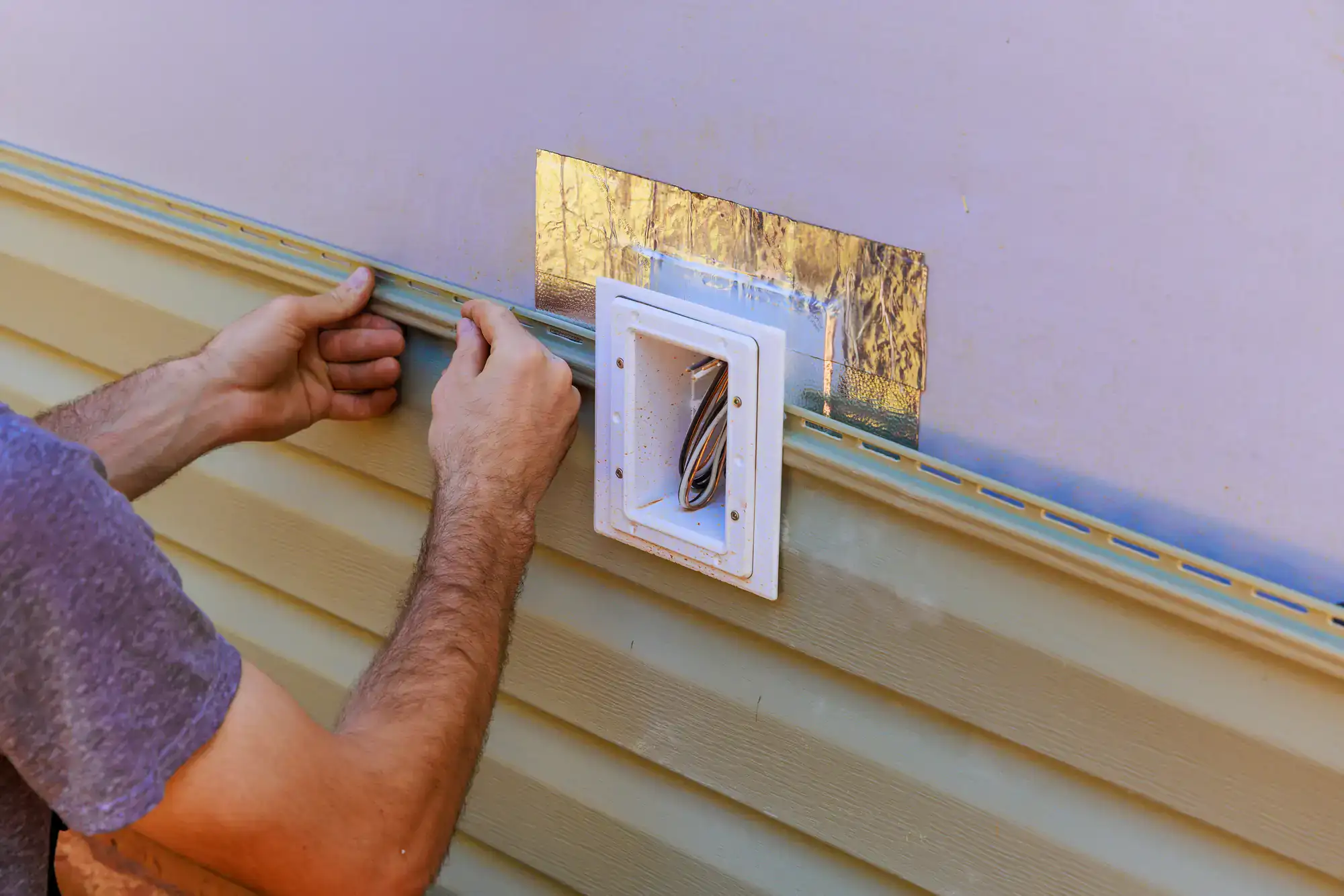
Installation follows Suffolk County building standards, which exist for good reason in a coastal zone. Proper moisture barriers, correct fastening techniques, and attention to expansion gaps all matter when your siding needs to handle temperature swings and wind loads. We handle permits, inspections, and the details that separate quality work from liability.
Cleanup happens daily, and the final walkthrough doesn’t end until you’re clear on maintenance (minimal) and warranty coverage. You’ll have our contact information, but if we did the job right, you won’t need it for decades.
Ready to get started?
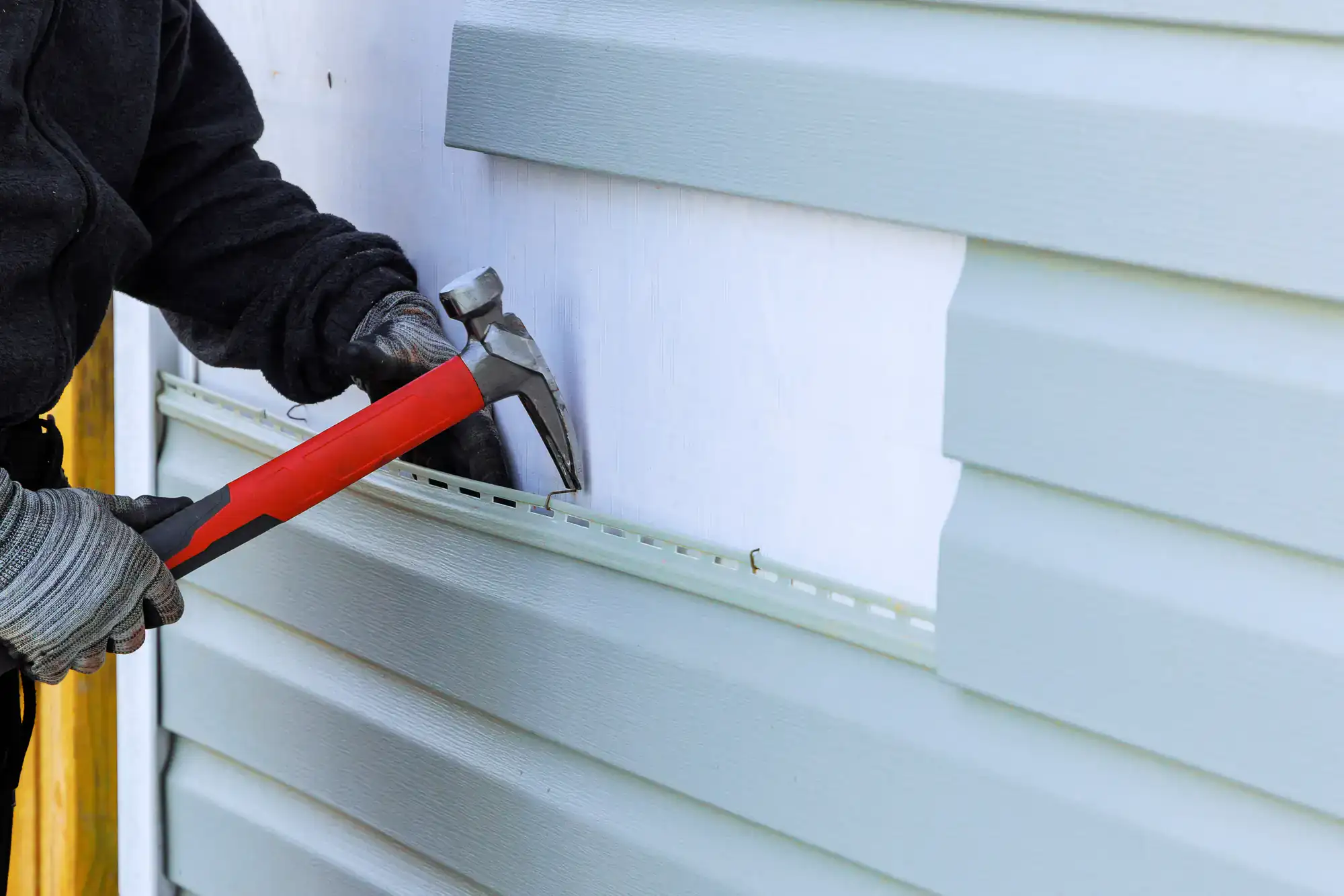
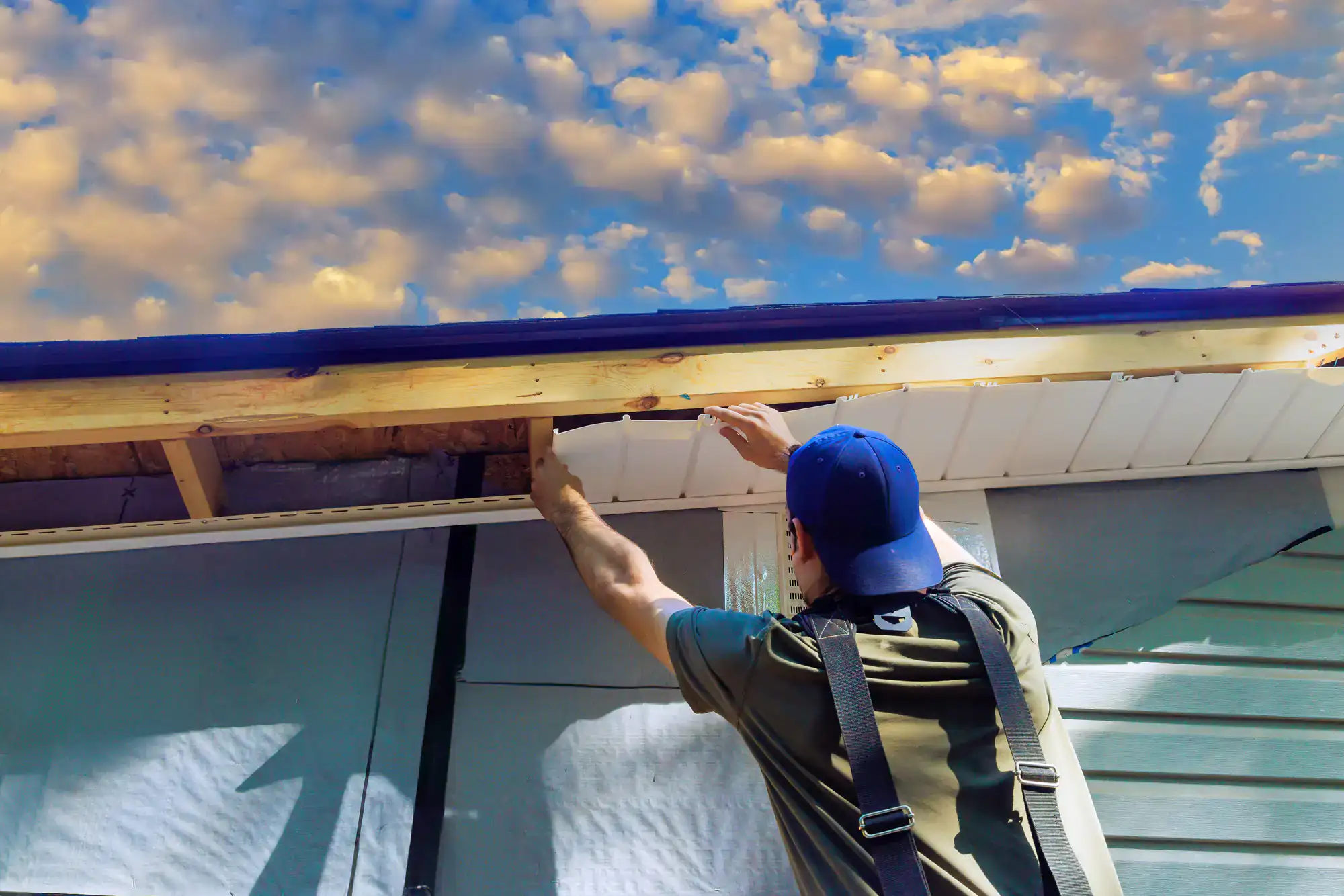
You’re getting a complete exterior upgrade, not just new panels slapped over old problems. That includes removing existing siding, inspecting and repairing sheathing, installing proper moisture barriers, and then fitting your new vinyl with the precision coastal conditions require.
Orient properties face unique challenges. With 34% of homes at severe flood risk and every property exposed to extreme wind events, your installation needs to account for water intrusion points, wind uplift resistance, and the kind of impact protection that keeps your home intact during storms. We use materials rated for these conditions—not whatever’s cheapest.
Color retention matters in coastal sun exposure. The vinyl we install uses UV-resistant formulations that prevent the fading and chalking you see on cheaper products after a few seasons. Darker colors are now viable thanks to reflective pigment technology that manages surface temperatures, giving you aesthetic options that weren’t practical before.
You’ll also see the energy efficiency difference. Insulated vinyl increases R-values from 0.61 to between 2.0 and 3.0, creating a thermal barrier that reduces air infiltration and moisture problems. In Orient’s humid coastal environment, that’s not a luxury—it’s essential for protecting your investment and keeping your interior comfortable.
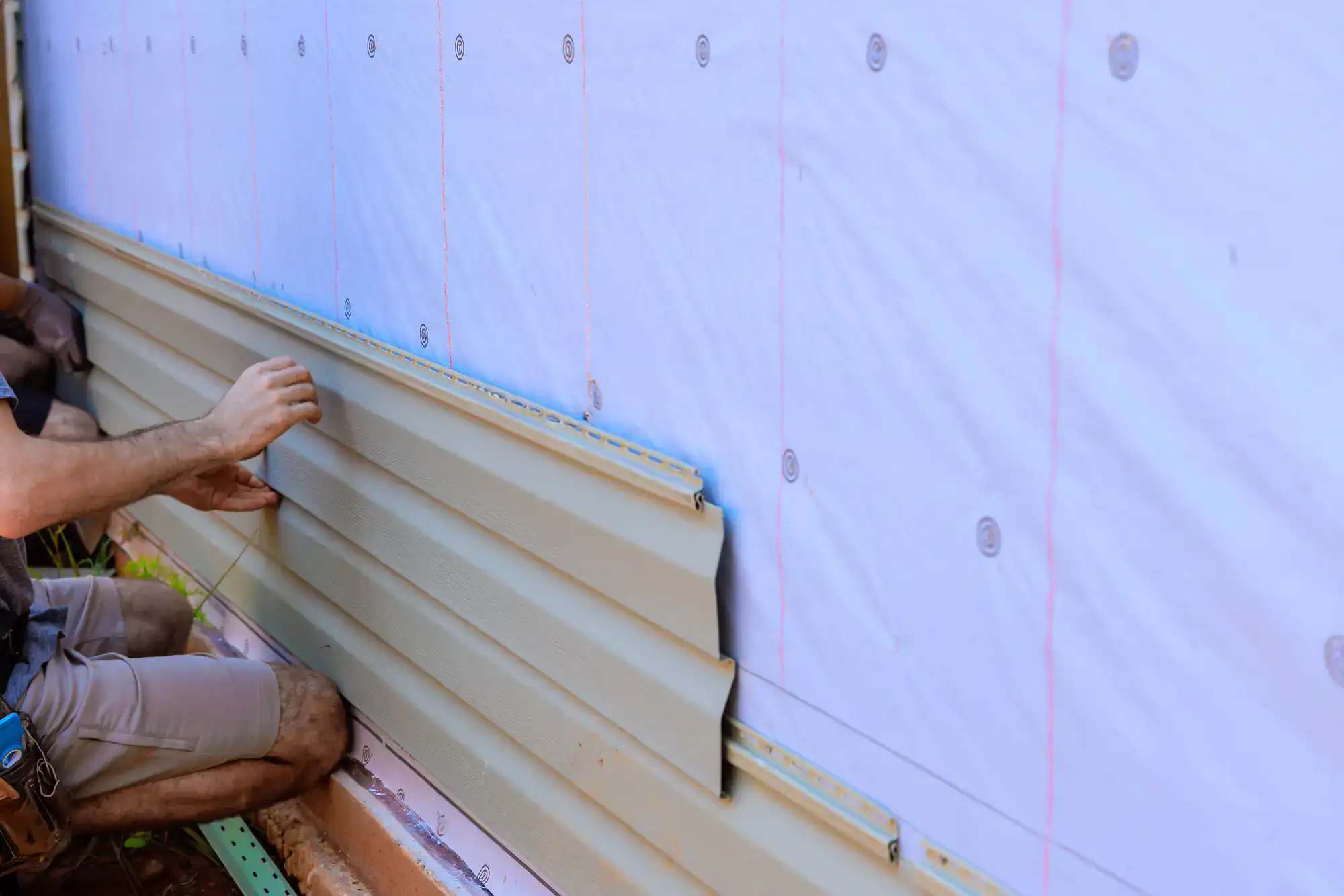
Quality vinyl siding lasts 30 to 50 years in coastal environments when it’s installed correctly. That longevity depends on using materials formulated for salt air exposure and UV resistance, plus installation techniques that account for wind loads and moisture management.
Orient’s location means your siding faces salt spray, nor’easters, temperature swings from below freezing to summer heat, and constant humidity. Vinyl handles all of that without rotting, warping, or requiring the maintenance that wood siding demands. You’re not repainting every few years or replacing boards that split during freeze-thaw cycles.
The key is proper installation. Vinyl needs room to expand and contract with temperature changes—coastal areas see bigger swings than inland locations. Fasteners placed wrong or panels fitted too tight will buckle or pull loose. When the work is done right, you’re looking at decades of protection with nothing more than occasional cleaning.
Insulated vinyl has a foam backing permanently attached to each panel, increasing the R-value from 0.61 to between 2.0 and 3.0. That thermal barrier cuts your heating and cooling costs by up to 20% because it reduces air infiltration and heat transfer through your exterior walls.
The insulation also adds impact resistance. Hail, windborne debris, and the kind of punishment coastal storms deliver—insulated vinyl handles it better than traditional vinyl. Homeowners consistently report less damage after severe weather events. That’s not just about avoiding repair costs; it’s about your home staying protected when your neighbors are filing insurance claims.
In Orient’s climate, the moisture resistance matters too. The tight fit of insulated siding reduces the air gaps where humid coastal air can penetrate and cause problems inside your walls. You’re getting better energy efficiency, superior storm protection, and improved moisture management in one upgrade. The cost difference pays for itself in energy savings and longevity.
Check for a Suffolk County license and comprehensive insurance coverage first. Coastal installation requires knowledge of local building codes that address wind resistance, moisture barriers, and the specific challenges salt air creates. A contractor licensed here has demonstrated that baseline competency.
Ask about their experience with Orient properties specifically. Coastal installation isn’t the same as inland work—expansion gaps need adjustment for temperature and humidity swings, fastening techniques change for wind load requirements, and moisture management becomes critical. You want someone who’s handled these conditions repeatedly, not someone applying generic techniques.
Look at their process for underlying issues. Any quality contractor inspects sheathing, addresses moisture damage before new siding goes up, and installs proper barriers. If they’re ready to cover your existing exterior without checking what’s underneath, walk away. You’re also looking for transparency about materials—what products they use, why those products work in coastal environments, and what warranties apply. Vague answers mean they’re not equipped for the job your home requires.
Vinyl siding replacement recoups 80.2% of project costs when you sell, according to current remodeling impact data. In Orient’s market, where median home values hit $1.7 million, that percentage represents substantial value retention on your investment.
Buyers notice curb appeal immediately, and they’re increasingly educated about energy efficiency and maintenance requirements. New vinyl siding signals that your exterior is protected for decades, energy costs will be lower, and they won’t face painting or repair expenses. That’s valuable in a competitive market where homes take 66 days to sell.
The real value shows up in two ways: you avoid the price reduction that comes with dated or damaged siding, and you attract buyers looking for move-in ready properties. Homes with obvious exterior issues sit longer and sell for less. Quality vinyl siding removes that obstacle and positions your property as well-maintained. In Orient’s price range, that distinction matters to the buyers you want.
Annual cleaning is the primary maintenance vinyl siding needs, even in coastal locations. Salt spray and airborne particles accumulate on any exterior surface, but vinyl doesn’t absorb them—you’re just washing off surface residue, not treating corrosion or rot.
Use a garden hose and soft brush with mild detergent. Start at the bottom and work up to avoid streaking, then rinse thoroughly. That’s it. You’re not scraping, sanding, priming, or painting. You’re not replacing rotted sections or treating mold growth. The cleaning takes a few hours once a year and keeps your siding looking new.
Check caulking around windows and doors periodically. Coastal weather can break down sealants faster than inland conditions, and maintaining those seals prevents moisture intrusion. Inspect after major storms for any impact damage, though quality vinyl installation resists the kind of damage that affects other materials. Compared to wood siding’s constant maintenance demands or the repainting fiber cement requires, vinyl’s upkeep is minimal—which is exactly why it dominates exterior choices in coastal regions.
Orient faces 100% severe wind risk and 34% flood risk, plus the constant exposure to salt air that corrodes metal and rots wood. Vinyl siding is engineered specifically for these conditions—it won’t rust, rot, or deteriorate from moisture exposure.
Wind resistance comes from proper installation techniques that account for uplift forces and impact from debris. Quality vinyl is rated for hurricane-force winds when installed to manufacturer specifications with correct fastening patterns. The material itself flexes slightly under impact rather than cracking like rigid materials, which is why homeowners see less storm damage compared to fiber cement or engineered wood.
Salt air affects everything on Long Island’s coast, but vinyl’s composition doesn’t react to salt exposure. You won’t see the corrosion that attacks metal elements or the accelerated deterioration that salt causes in wood products. Temperature swings from winter freezes to summer heat cause expansion and contraction—vinyl is designed for that movement when panels are installed with proper spacing. The combination of wind resistance, moisture immunity, and salt air tolerance makes vinyl the practical choice for Orient’s coastal environment.
Other Services we provide in Orient