
Hear from Our Customers
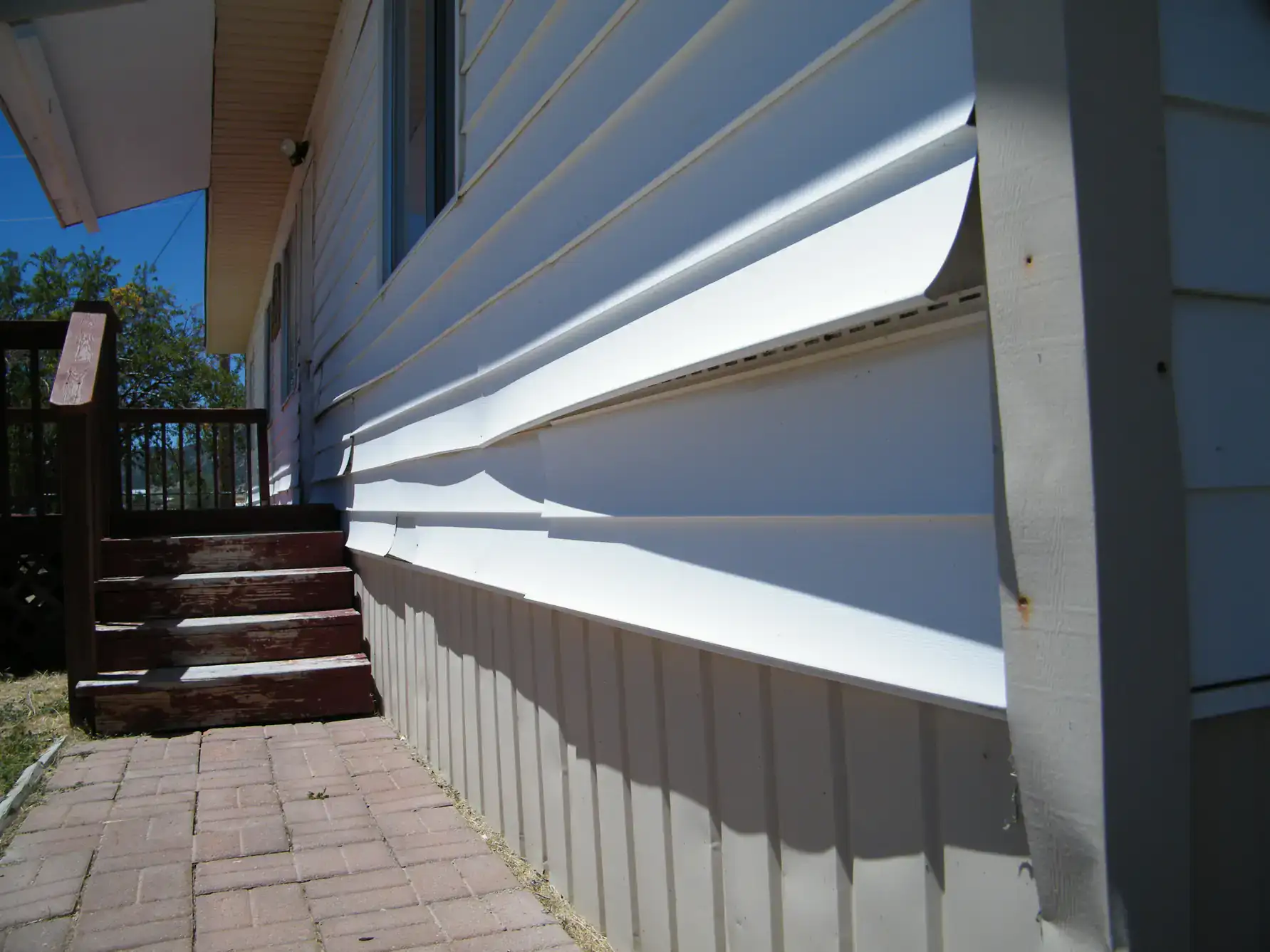
That crack in your vinyl siding isn’t just ugly. It’s a direct path for water to reach your sheathing, insulation, and framing.
In Coram’s climate, you’re dealing with salty air that corrodes fasteners, nor’easters that rip panels loose, and freeze-thaw cycles that turn small gaps into major problems. Every storm tests your siding. Every temperature swing makes existing damage worse.
A $500 siding repair today stops a $15,000 structural repair six months from now. You also stop mold growth before it starts, keep your energy bills from climbing, and maintain your home’s value. Most importantly, you get peace of mind that your home is actually protected—not just patched.
SkyLuxe Construction Inc serves homeowners throughout Coram and Suffolk County. We’re local, which means we understand what Long Island weather does to siding.
We’ve seen what happens when repairs are done wrong—or not done at all. We’ve fixed plenty of DIY patches that made things worse. We know which materials hold up to coastal conditions and which ones fail in two years.
Our team handles vinyl siding repair, cedar siding repair, aluminum siding repair, and wood shingle siding repair. We also work with fiber cement and composite materials. If it’s on your house, we know how to fix it properly.
First, we inspect your siding—not just the obvious damage, but the areas around it. Water doesn’t always show up where it enters. We check for rot, mold, loose fasteners, and failed caulking.
Then we give you a detailed assessment. You’ll know what needs repair, what needs replacement, and what can wait. We explain why each repair matters and what happens if you skip it.
Once you approve the plan, we order materials that match your existing siding. For emergency situations, we can do temporary weatherproofing the same day. Permanent repairs happen as soon as materials arrive—usually within days.
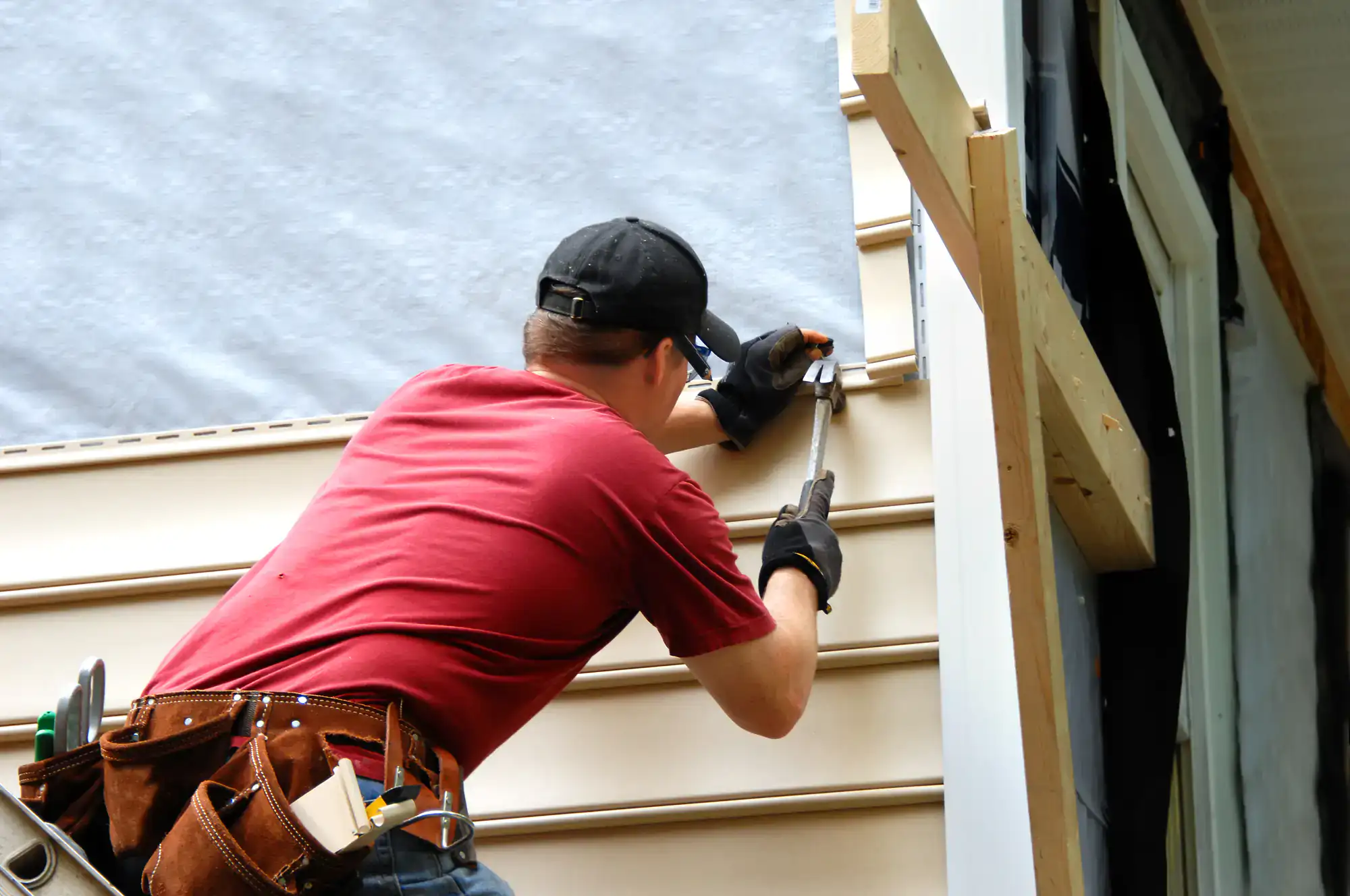
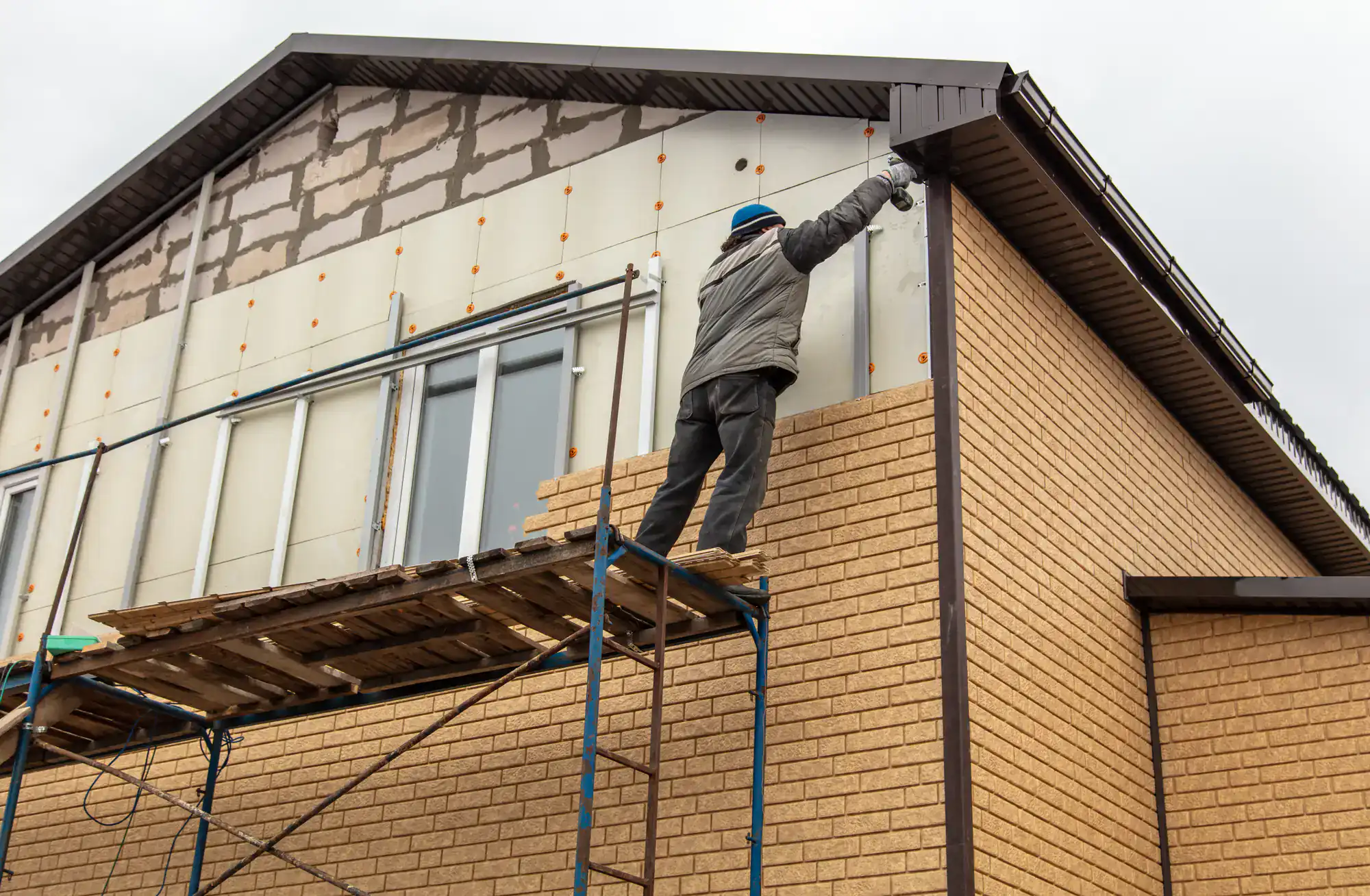
The actual repair involves removing damaged sections, addressing any underlying issues like rot or moisture damage, and installing new materials. We don’t just slap a patch over the problem. We fix what’s underneath, too.
Ready to get started?
We handle all types of siding damage common to Coram homes. Storm damage from high winds, hail impacts, and fallen branches. Rot from water infiltration, especially around windows, doors, and trim. Cracks from temperature swings and age. Holes from woodpeckers, impacts, or failed fasteners.
For vinyl siding repair in Coram, NY, we replace cracked or warped panels, fix loose sections, and address color fading issues. Vinyl expands and contracts with temperature changes, so proper installation matters. We use the right fastening techniques to prevent future buckling.
Cedar siding repair and wood shingle siding repair require different approaches. Wood rot is common in Long Island’s humid climate. We remove rotted sections, treat the area, and install new wood that matches your existing siding. We also address woodpecker damage, which is surprisingly common in Suffolk County.
Aluminum siding repair often involves fixing dents, replacing bent panels, and addressing corrosion from salt air. Aluminum siding trim repair is particularly important around windows and doors where water typically enters.
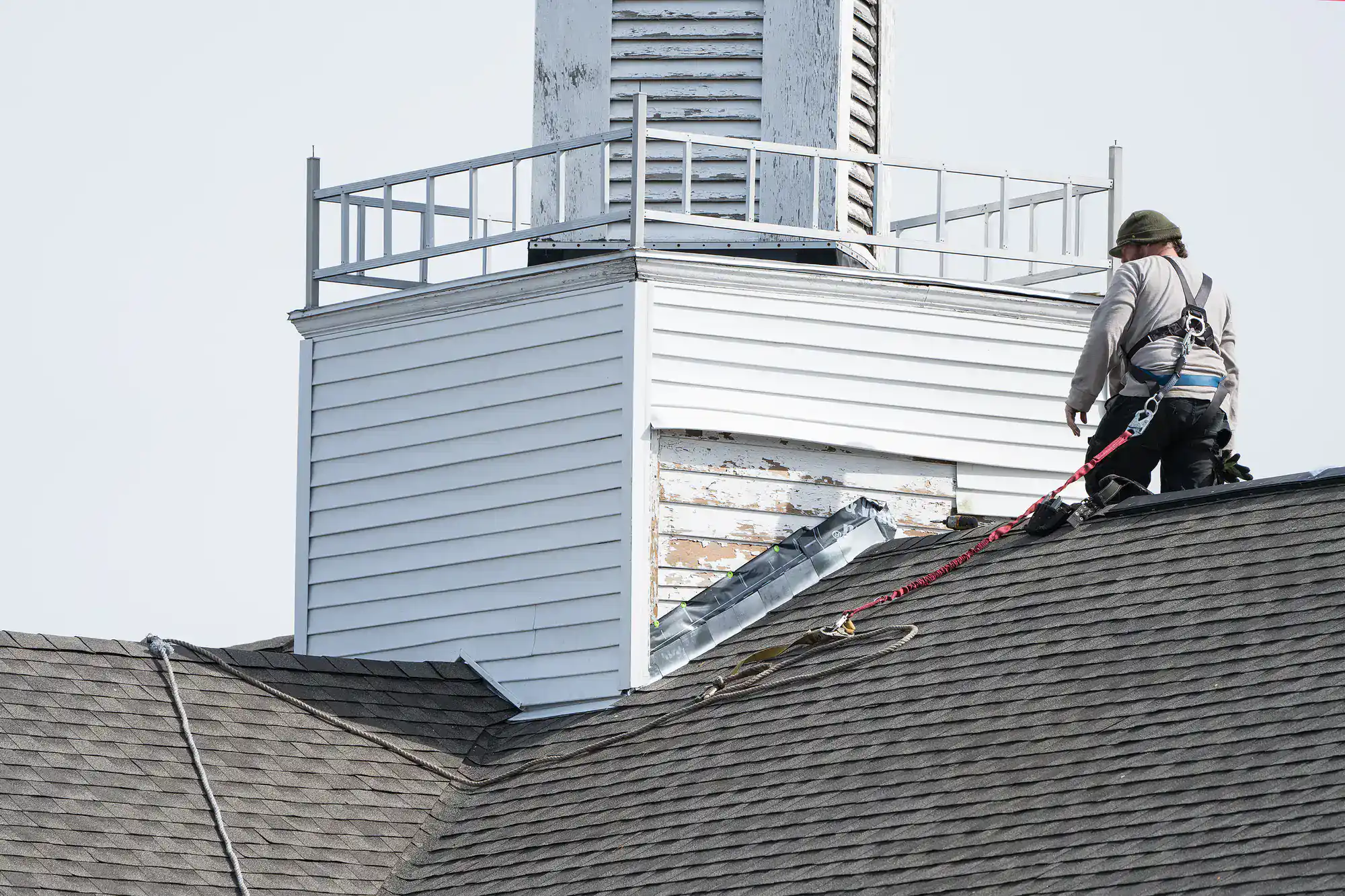
We also handle siding and flashing repair, siding chimney repair, and situations where siding is leaking behind the visible damage. These repairs often involve more than just the siding itself—we fix the water management system that failed.
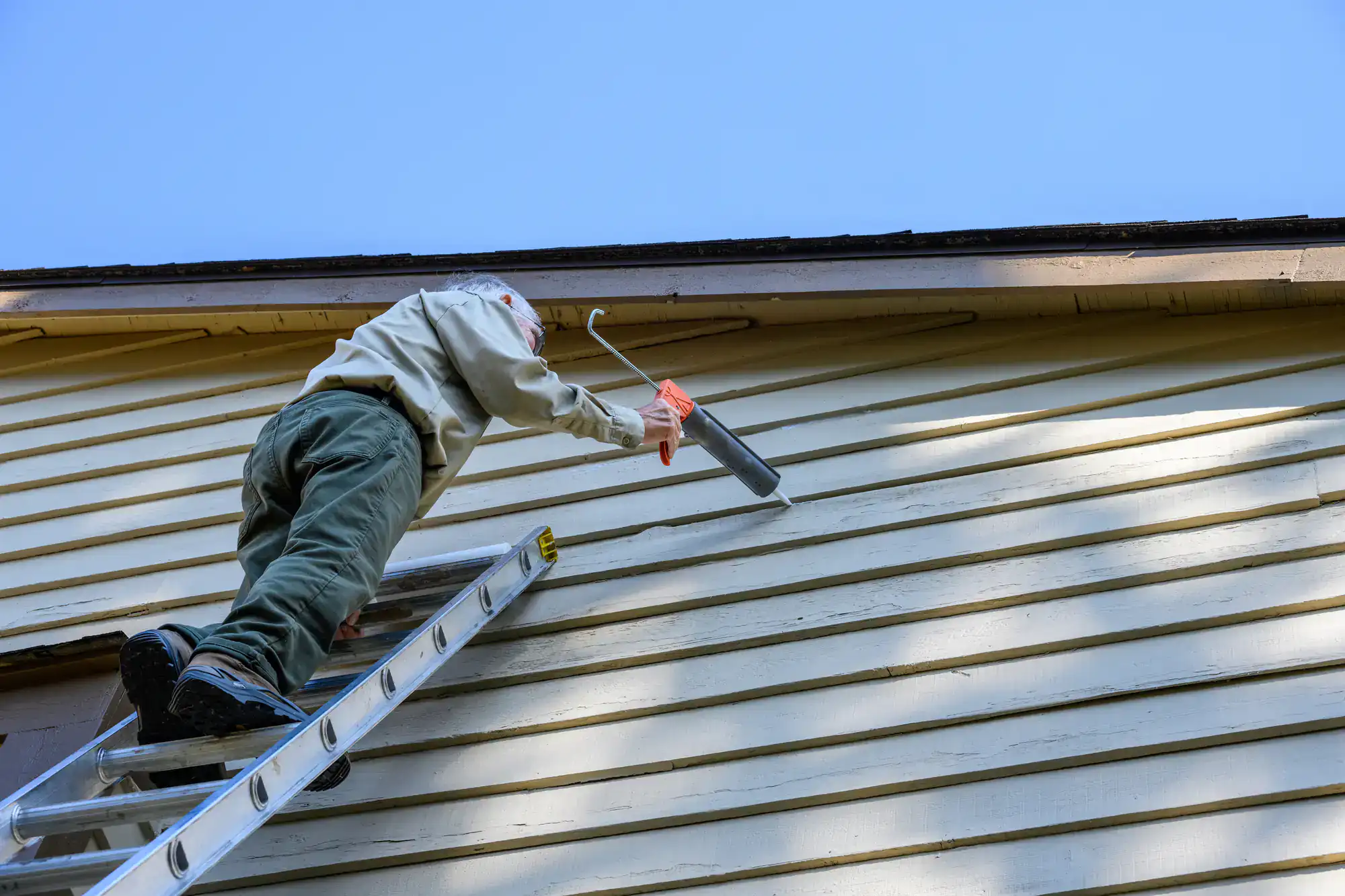
Most siding repairs in Coram run between $300 and $1,500, depending on material type, damage extent, and accessibility. Simple fixes like patching holes in vinyl siding or vinyl siding trim repair typically cost $300 to $600. More involved repairs—like fixing siding rot, replacing multiple damaged panels, or addressing structural issues underneath—run $800 to $1,500 or more.
Material matters. Vinyl is usually the least expensive to repair. Wood and cedar cost more because of material costs and labor intensity. Aluminum falls somewhere in the middle. Fiber cement is on the higher end.
The real cost comparison isn’t repair vs. repair—it’s repair now vs. structural damage later. Water infiltration doesn’t stop on its own. A $500 repair today prevents thousands in mold remediation, sheathing replacement, and interior repairs down the line. Most homeowners who wait end up paying far more.
Insurance typically covers siding damage from storms, hail, fire, or sudden accidents—but not wear and tear or maintenance neglect. The key is documentation. Insurance adjusters need proof that a covered event caused the damage.
We help with that process. We document damage thoroughly, take detailed photos, and provide professional assessments that carry weight with insurance companies. We use industry-standard software that adjusters recognize and trust.
Here’s what matters: file your claim quickly after storm damage occurs. The longer you wait, the harder it is to prove the damage came from a specific event rather than gradual deterioration. Get professional documentation before making temporary repairs. And understand that insurance companies want repairs completed fast to prevent secondary damage claims—which works in your favor if you act promptly.
You can patch it yourself. Whether you should is a different question. Quick DIY patches often create bigger problems that cost more to fix properly.
Here’s why: visible siding damage usually indicates underlying issues. That crack didn’t appear randomly—something caused it. Water might already be behind your siding. Fasteners might be failing. The house might be settling. A patch covers the symptom but doesn’t address the cause.
Professional siding repair in Coram, NY involves inspecting beyond the obvious damage. We check for rot, moisture infiltration, failed flashing, and structural issues. We know where water typically enters and what warning signs to look for. We also know how to match existing materials and install repairs so they don’t fail in the next storm. If you patch it yourself and miss underlying damage, you’re just delaying—and often worsening—the real problem.
Repair makes sense when damage is localized—a few cracked panels, a section damaged by a fallen branch, isolated rot around a window. Replacement makes sense when damage is widespread, the siding system is near the end of its lifespan, or you’re finding new problems after every storm.
Warning signs that point toward replacement: water stains on interior walls, peeling paint inside your house, musty odors, or visible rot in multiple areas. If you’re repairing the same sections repeatedly, the system is failing. If every inspection reveals new problem areas, you’re fighting a losing battle.
Age matters too. Vinyl siding lasts 20-40 years depending on quality and installation. Wood siding lasts 20-40 years with proper maintenance. Aluminum lasts 25-40 years. If your siding is approaching the end of its expected lifespan and showing multiple issues, replacement often makes more financial sense than ongoing repairs.
We’ll tell you honestly which option makes sense for your situation. We’re not interested in upselling you on replacement if repair will actually solve your problem.
Most siding repairs take one to three days once materials arrive. Simple repairs—like fixing a few cracked vinyl panels or patching small holes—often finish in a single day. More complex repairs involving rot, structural issues, or hard-to-match materials take two to three days.
The timeline depends on several factors. Material availability is the biggest one. If we need to special-order siding to match your existing color and style, that adds time. Common vinyl colors we can usually source within days. Discontinued colors or specialty materials take longer.
Weather affects scheduling too. We can’t install siding in heavy rain or extreme cold. Long Island’s peak storm season runs late summer into fall, which is also our busiest time. Booking before the rush helps avoid weather delays.
For emergency situations—like storm damage that’s actively letting water in—we can do temporary weatherproofing the same day you call. That stops further damage while we order materials and schedule permanent repairs. Speed matters when water is infiltrating your walls.
We repair all common siding materials found on Long Island homes. Vinyl siding repair is our most frequent job—fixing cracked panels, replacing warped sections, and addressing installation failures. We handle vinyl siding trim repair around windows, doors, and corners where damage often starts.
Wood and cedar siding repair requires different expertise. We address rot, woodpecker damage, split boards, and failed finishes. Cedar siding repair for woodpecker damage is particularly common in Suffolk County. We remove damaged sections, treat the area, and install new wood that matches your existing siding.
Aluminum siding repair involves fixing dents, replacing corroded sections, and addressing fastener failures. Salt air accelerates aluminum corrosion, especially on older installations. We also handle aluminum siding trim repair where panels meet corners and openings.
Wood shingle siding repair, fiber cement repair, and composite material repairs round out our capabilities. Each material has specific requirements for proper repair. We use techniques and materials appropriate for your siding type and Long Island’s coastal climate. The goal isn’t just fixing what’s broken—it’s making sure the repair lasts.
Other Services we provide in Coram