
Hear from Our Customers
Your siding stops leaking. The drafts disappear. Your heating bill drops because your insulation is actually doing its job again.
That hole from the ladder? Gone. The cracked panel from last winter’s ice? Replaced and sealed. The loose trim that’s been flapping in the wind for six months? Nailed down tight with proper flashing so water can’t sneak behind it.
You’re not wondering if it’ll hold up during the next nor’easter. You’re not staring at that eyesore every time you pull into the driveway. The repair blends in, the color matches, and unless someone knows exactly where to look, they’d never guess anything was wrong. Most siding repairs in Mattituck take one to two days depending on the damage, and when we leave, you’ve got a warranty on the work and materials—not a Band-Aid that’ll fail in a year.
SkyLuxe Construction is a family operation that’s handled over 2,000 exterior projects across Suffolk County. We’re not a national franchise with rotating crews. Same family, same standards, same phone number for 35 years.
We know what North Fork weather does to siding. The salt air eats through cheap caulk. The wind from a coastal storm can rip off panels that weren’t fastened right. The freeze-thaw cycle splits wood siding that wasn’t primed correctly. We’ve repaired the damage from Hurricane Sandy, countless nor’easters, and those random summer storms that drop three inches of rain in an hour.
When you call us for siding repair in Mattituck, NY, you’re getting someone who’s seen your exact problem before and knows how to fix it so it doesn’t come back.
First, we come out and look at the damage. No charge for the inspection. We’ll tell you what’s broken, what caused it, and what it’ll take to fix it right. If there’s hidden rot or water damage behind the siding, we’ll find it now—not halfway through the job.
You get a written estimate that breaks down materials and labor. We’re not vague about costs. If we find something unexpected once the old siding comes off, we call you before we do anything extra.
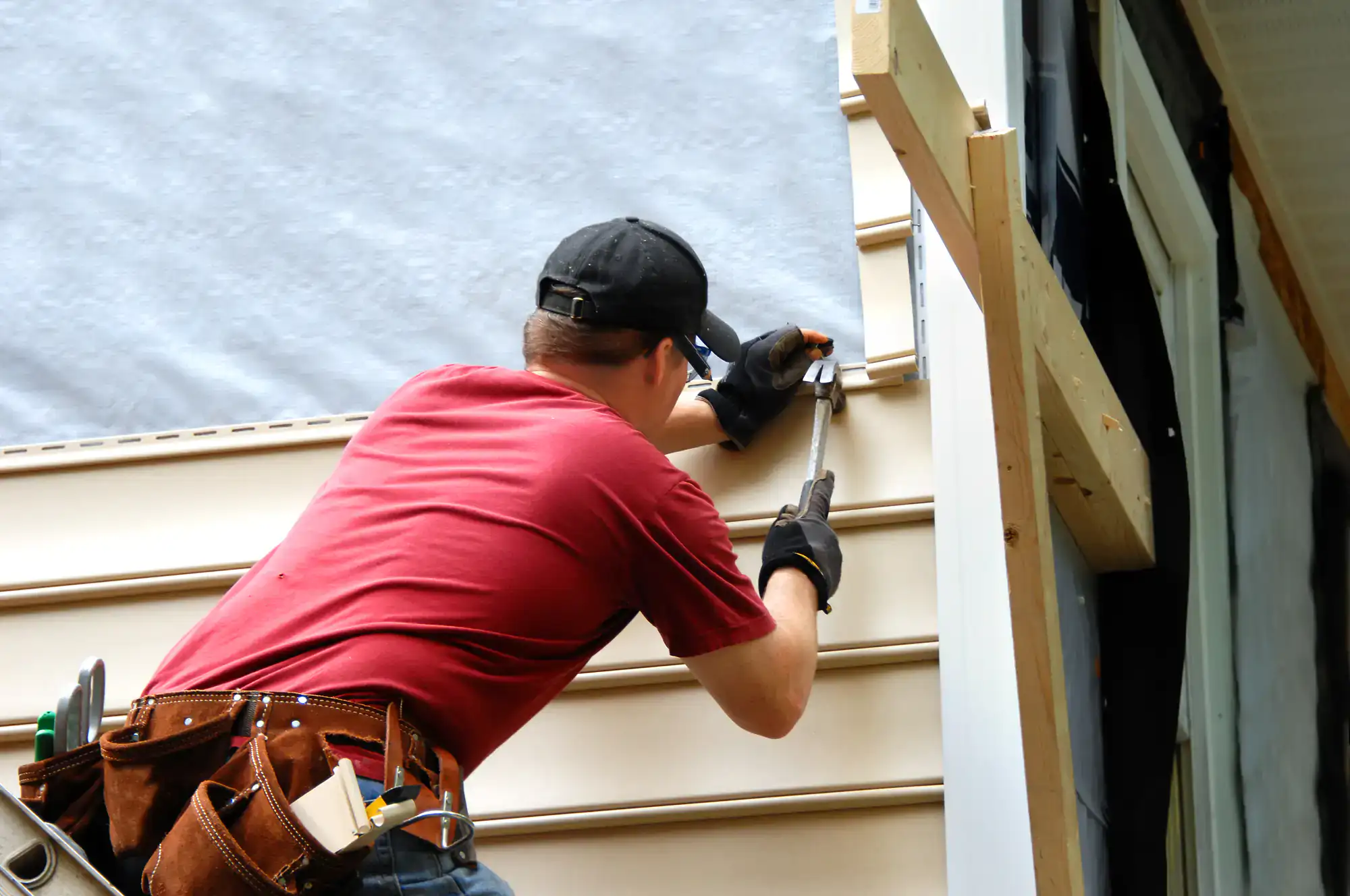
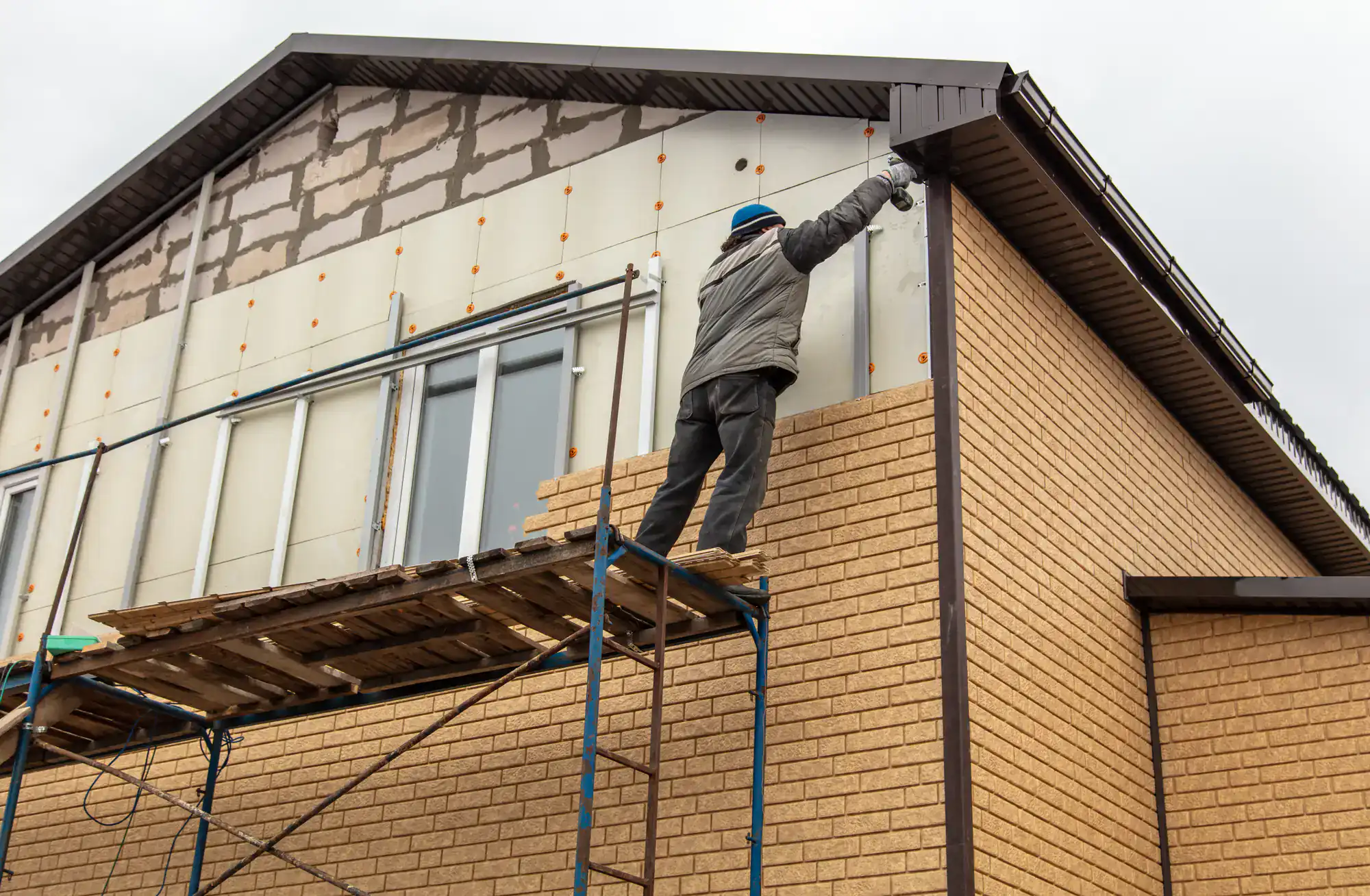
Most repairs start with carefully removing the damaged section without wrecking the surrounding panels. Then we check the sheathing and moisture barrier underneath. If that’s compromised, we fix it. Then we install the new siding, match the color and texture as close as possible, seal all the edges and seams, and make sure the flashing is doing its job. We clean up the site completely—no nails in your driveway, no scrap siding in your bushes. You get a walkthrough at the end so you can see exactly what we did.
Ready to get started?
We repair vinyl siding, cedar siding, aluminum siding, and fiber cement. That includes fixing loose siding, patching holes in vinyl siding, replacing cracked panels, repairing siding rot, fixing trim and flashing, and handling storm damage repairs.
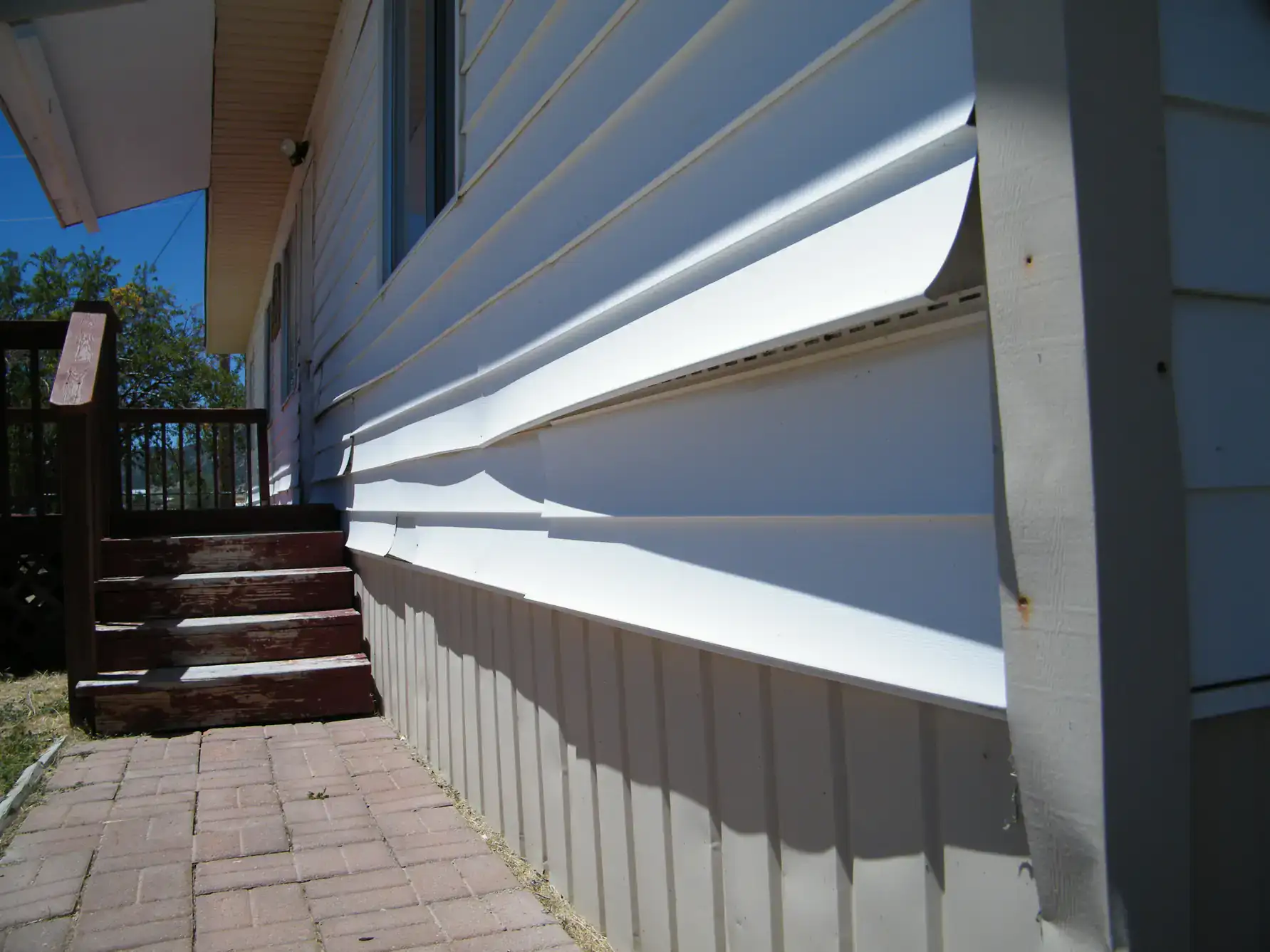
Mattituck homes face specific challenges. The coastal storms hit hard here on the North Fork, and the salt air accelerates wear on metal components. We’ve fixed plenty of cedar siding with woodpecker damage—it’s common in this area, and the repair involves cutting out the damaged section, treating the wood, and matching the stain. For vinyl siding trim repair, we make sure the J-channel and corner posts are sealed correctly because that’s where most leaks start.
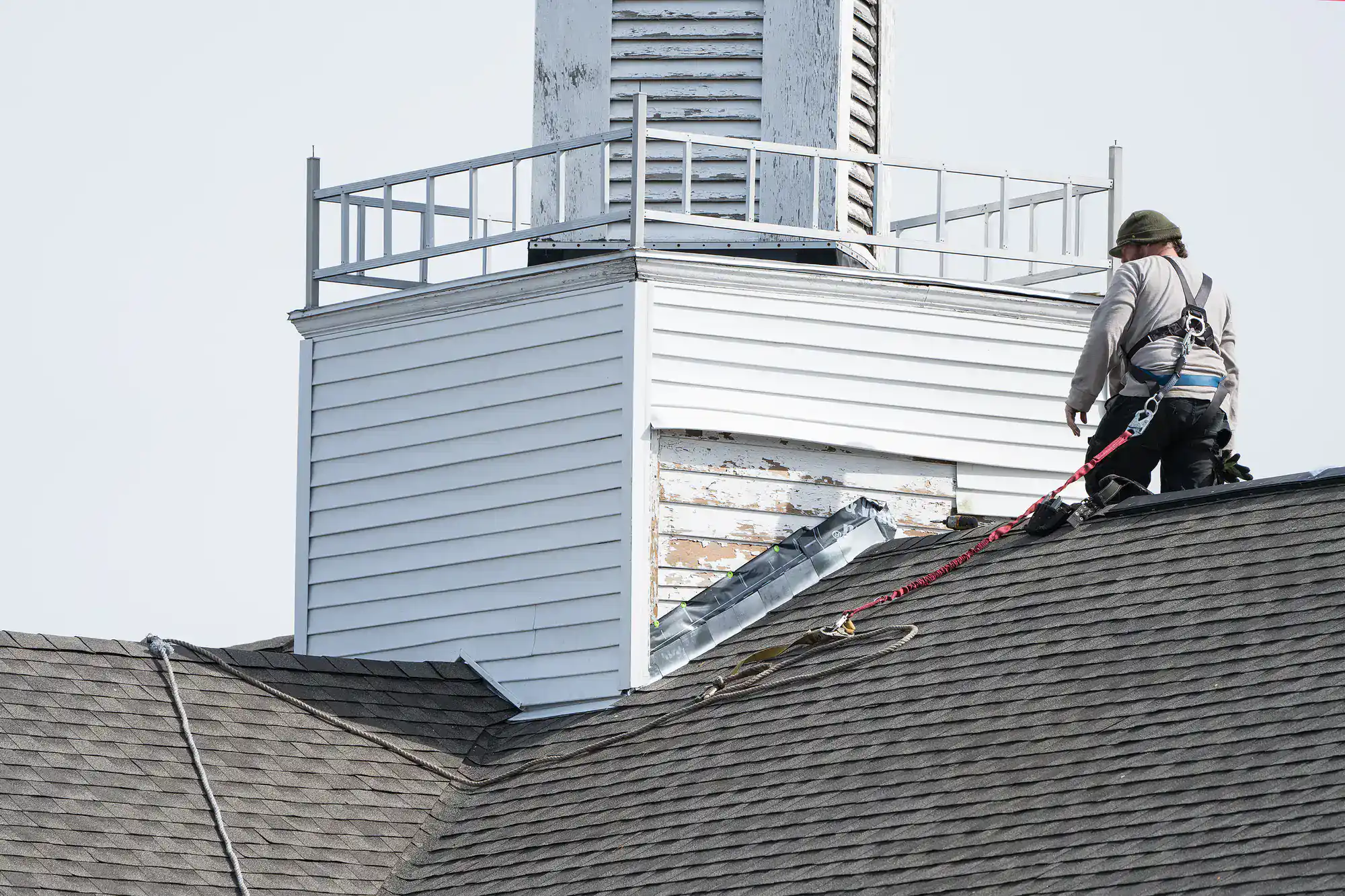
If you’ve got siding leaking around your chimney, that’s usually a flashing problem, not the siding itself. We handle siding and chimney flashing repair as part of the job because you can’t fix one without addressing the other. Same goes for window trim—if water’s getting in, we’re tracking down the source and fixing it permanently, not just covering it up.
The goal is a repair that lasts as long as the rest of your siding. We’re not interested in seeing you again in two years for the same problem.
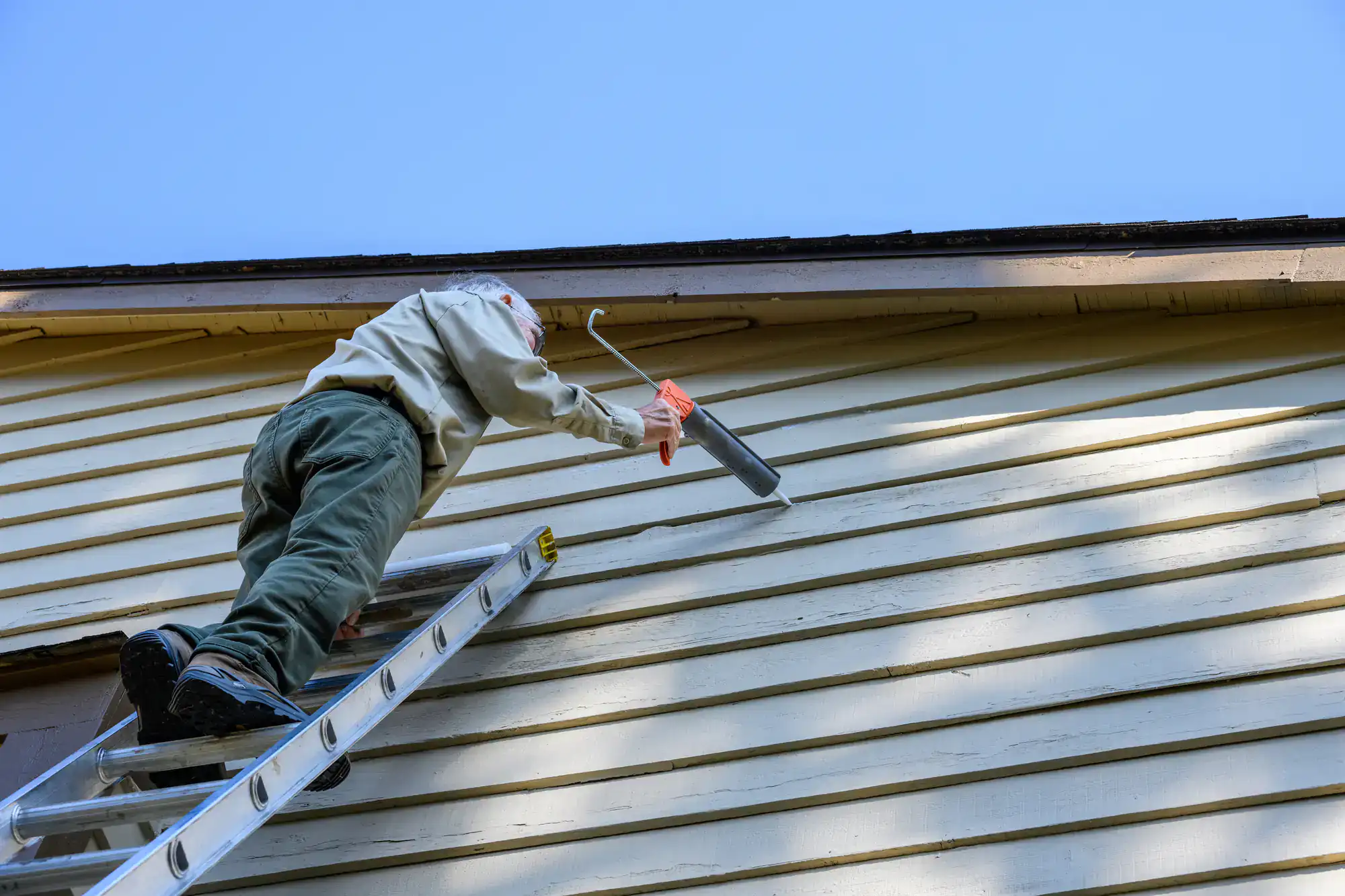
Most homeowners spend between $400 and $1,500 for typical siding repairs, depending on the material, the extent of the damage, and how accessible the area is. A small vinyl siding patch might run $400 to $600. Replacing several damaged cedar boards with rot repair underneath could hit $1,200 to $1,800.
The cost to fix a hole in vinyl siding is usually on the lower end if it’s just a panel replacement. But if there’s water damage behind it, you’re looking at sheathing repair and possibly insulation replacement, which adds to the bill. We give you a written estimate after the inspection so there’s no guessing.
Storm damage siding repair costs can vary a lot. If your insurance is covering it, we can work with your adjuster to document everything. If you’re paying out of pocket, we’ll prioritize the repairs that prevent further damage first—like sealing up areas where water can get into your walls.
Usually, yes. Vinyl siding is the easiest because manufacturers keep the same profiles and colors in production for years. We keep a range of common colors and styles in stock, and if yours is discontinued, we can usually find a close match from current lines.
Cedar siding repair is trickier because wood grain and weathering make every board unique. We’ll match the width, thickness, and profile, then stain or paint it to blend with the surrounding boards. It won’t be invisible up close, but from ten feet away, most people won’t notice.
Aluminum siding is the hardest to match because it fades over time and older colors aren’t always available. Sometimes the best option is to replace a full section or repaint the repaired area and the surrounding panels so everything looks consistent. We’ll walk you through the options during the estimate so you know what to expect before we start.
Most repairs are done in one day. Small jobs—like fixing a few loose panels or patching a hole—might only take a few hours. Larger repairs involving rot, multiple damaged sections, or flashing work can take two days.
Weather affects the timeline. We can’t install siding in heavy rain or when it’s below freezing because the materials won’t seal properly and caulk won’t cure. If a storm’s coming, we’ll either finish fast or secure the area and come back when conditions are right.
We don’t drag jobs out. Once we start, we finish. The only time a repair takes longer than expected is if we pull off the damaged siding and find structural problems underneath that weren’t visible during the inspection. When that happens, we stop, show you what we found, explain what it’ll take to fix it, and get your approval before moving forward.
Wind is the biggest culprit. Coastal storms and nor’easters hit the North Fork hard, and if your siding wasn’t installed with the right fasteners or spacing, panels can lift or rip off completely. We see this most often with older vinyl siding installations where corners weren’t reinforced.
Water is the second issue. Siding leaking around windows, doors, and chimneys usually means the flashing failed or was never installed correctly. Once water gets behind your siding, it rots the sheathing and studs. By the time you notice a stain on your interior wall, the damage is often extensive.
Woodpeckers cause cedar siding damage because they’re looking for insects in the wood. If you’ve got carpenter bees or ants, the birds will drill holes to get at them. The fix involves treating the pest problem, repairing the siding, and sometimes installing deterrents. Regular inspections catch small problems before they turn into expensive repairs. Walk around your house twice a year and look for loose panels, cracks, gaps in the caulk, or any area where the siding doesn’t sit flush against the wall.
Yes. We’ve worked with most of the major insurance carriers that cover homes in Suffolk County, and we know what documentation they need. After a storm, call your insurance company first to open a claim, then call us to inspect the damage.
We’ll take photos, measurements, and notes that match what adjusters look for. If the adjuster misses damage or underestimates the repair scope, we’ll walk them through it on-site. We’ve been doing this long enough to know what’s covered and what’s not, so we can give you a realistic expectation before you get too far into the process.
One thing to watch for: some policies on Long Island have wind exclusions or separate deductibles for hurricane damage. If you’re near the coast, your standard homeowners policy might not cover as much as you think. We can’t give you insurance advice, but we can tell you what the actual repair will cost so you know if it makes sense to file a claim or pay out of pocket. Some repairs fall below the deductible, and in those cases, going through insurance just creates paperwork without saving you money.
If the damage is isolated to one area and the rest of your siding is in decent shape, repair it. If you’re dealing with multiple problem spots, widespread fading, or the siding is over 30 years old, replacement starts to make more sense financially.
Vinyl siding lasts 20 to 40 years depending on quality and installation. Cedar siding can last 30 to 50 years if it’s maintained. Aluminum siding lasts 40 years or more but dents easily and can’t always be matched for repairs. If your siding is near the end of its lifespan and you’re spending money on frequent repairs, you’re better off replacing it.
Energy bills are another factor. Older siding doesn’t insulate as well, and if you’re seeing higher heating costs, it might be because your exterior envelope isn’t doing its job. New siding with proper insulation can cut energy costs noticeably. We’ll give you an honest assessment during the inspection. If repair makes sense, we’ll tell you. If replacement is the smarter move, we’ll explain why and give you a quote for both so you can decide.
Other Services we provide in Mattituck