
Hear from Our Customers
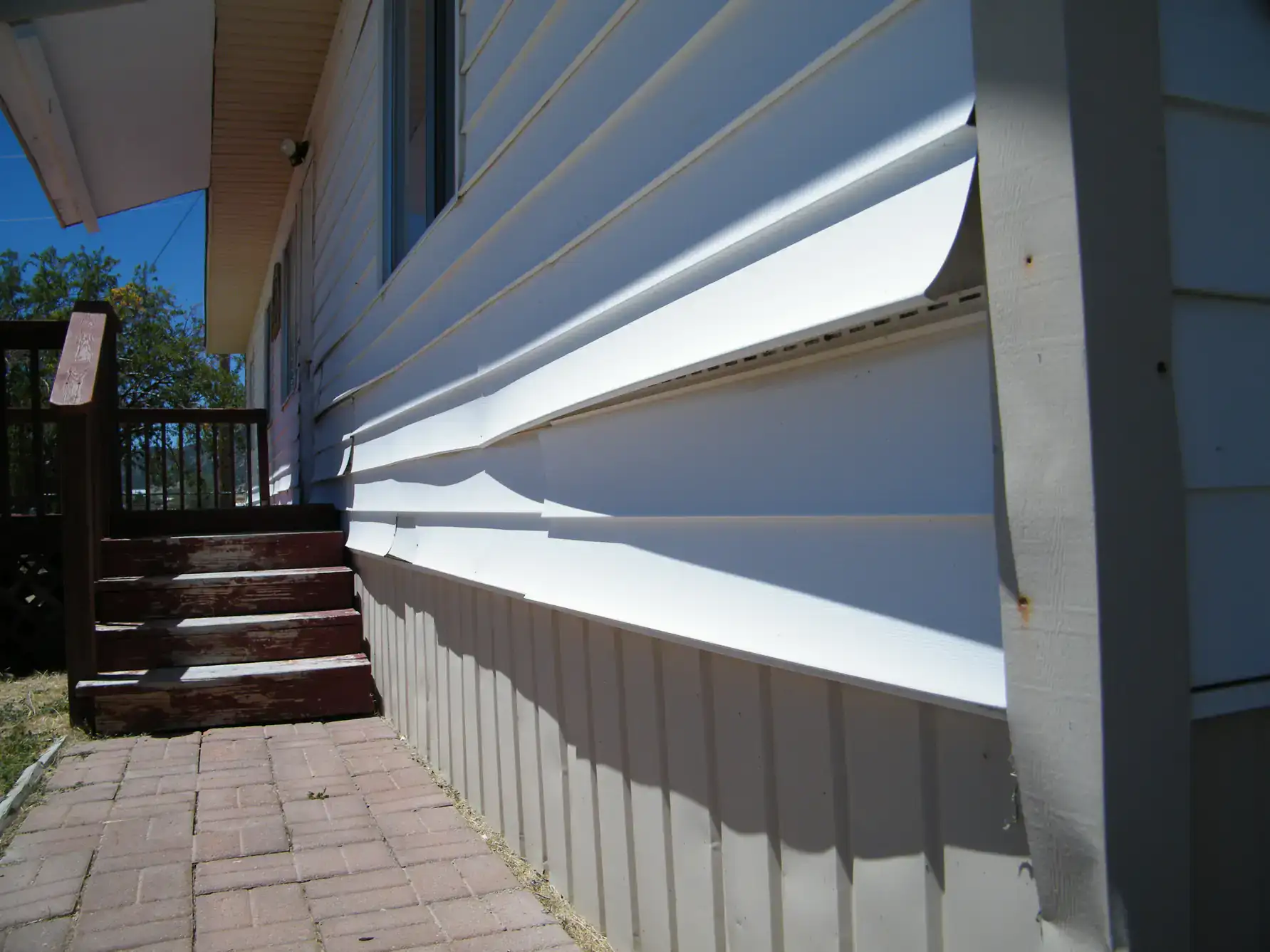
When your siding is properly repaired, your home stays dry. That’s the baseline. But you also stop losing conditioned air through gaps and cracks, which means your HVAC system isn’t working overtime to keep up.
Your energy bills drop. Not dramatically overnight, but enough that you’ll notice over a heating season or summer. And if you’re planning to sell in the next few years, intact siding without visible damage or mismatched patches makes a real difference in how buyers perceive your home’s condition.
Most importantly, you stop worrying every time it rains. No more checking the walls for moisture. No more wondering if that small crack is letting water travel behind your siding where you can’t see it. Damaged siding repair in East Islip, NY isn’t just about curb appeal—it’s about protecting what you’ve invested in.
SkyLuxe Construction is a family-run operation based in Suffolk County. We’ve seen what coastal weather does to homes in East Islip—the salt air, the nor’easters, the humidity that sits heavy through summer. It all takes a toll on siding, especially as homes age past the 20-year mark.
We’re not the biggest contractor on Long Island, and we’re fine with that. What matters to us is showing up when we say we will, diagnosing the actual problem instead of upselling you on a full replacement you don’t need, and making sure the repair blends in so well you forget where the damage was. Our team has decades of combined experience with vinyl siding repair, wood shingle siding repair, aluminum siding trim repair, and everything in between.
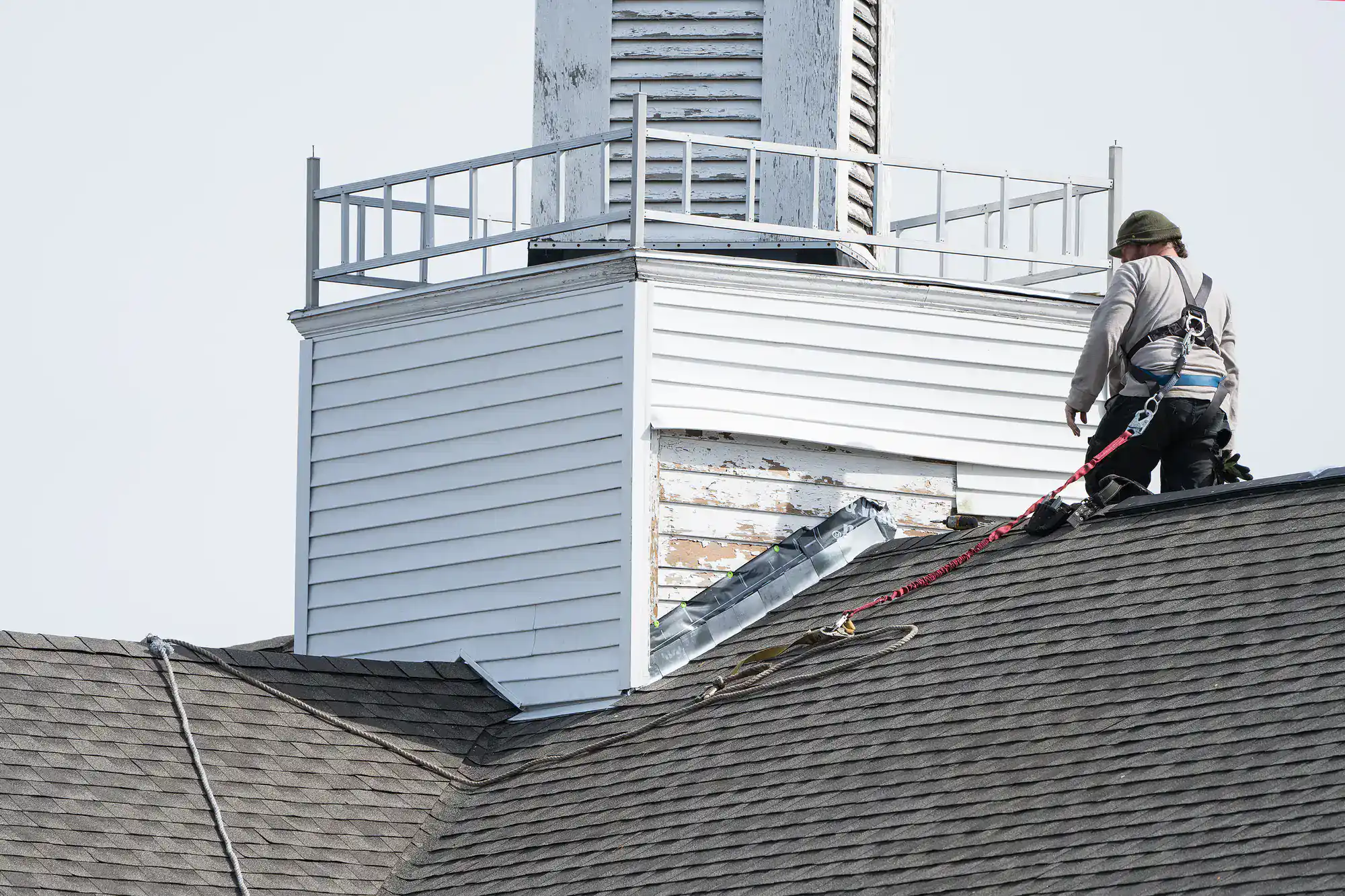
First, we come out and actually look at your siding. Not just the obvious damage, but the areas around it, the flashing, the seams, the trim. Water doesn’t always show up where it’s getting in, so we check for soft spots, discoloration, and any signs that moisture has been traveling behind the surface.
Once we know what’s going on, we’ll tell you whether you need a repair or if the damage has spread enough that a section needs replacing. We’ll also let you know if we can match your existing siding or if you’re looking at a visible patch. Honesty up front saves everyone time.
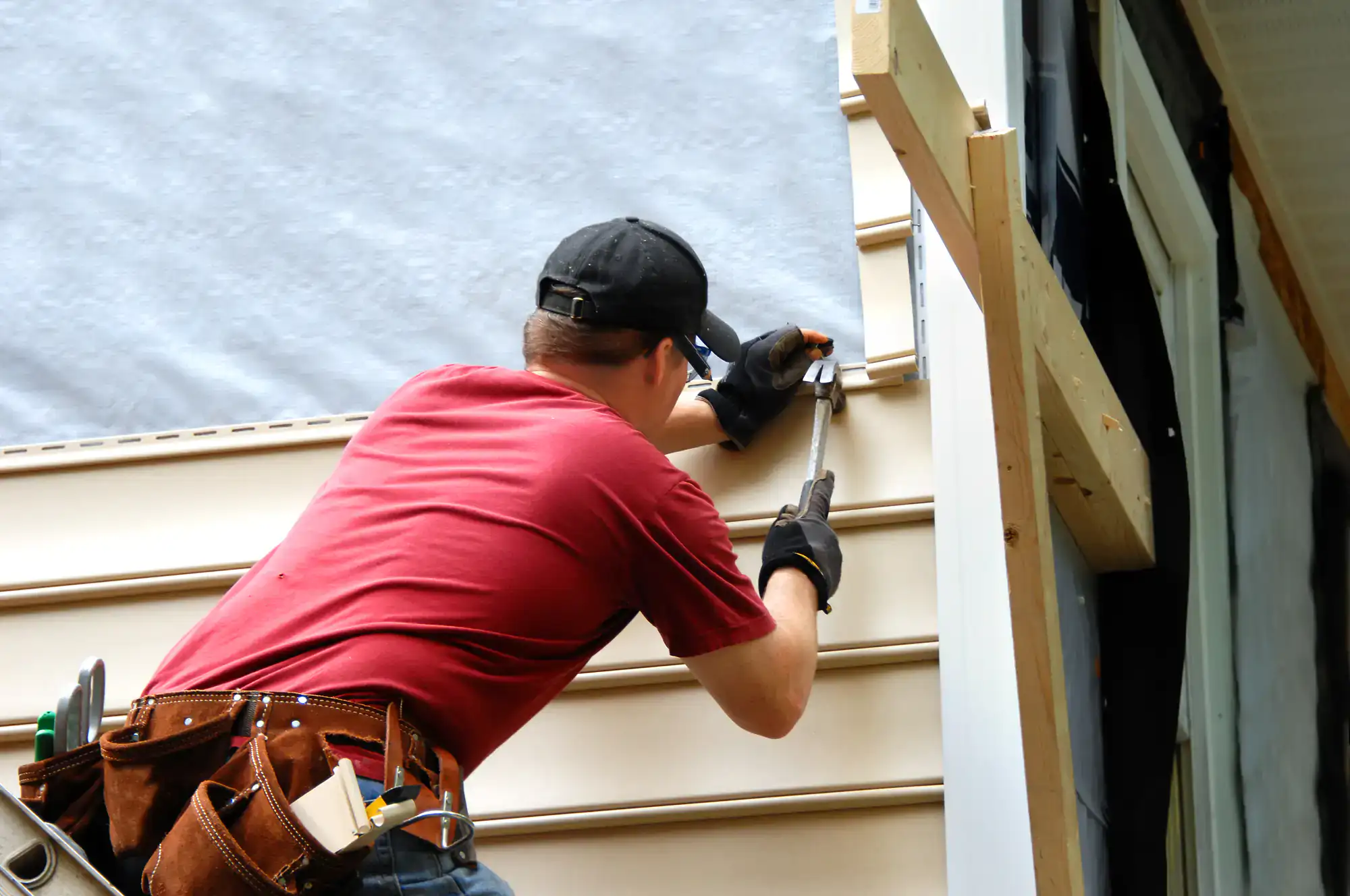
The repair itself depends on what we’re fixing. For cracked siding repair or small holes, we can often patch and seal in a few hours. For siding leaking issues or rot, we’re removing damaged sections, checking the sheathing and insulation behind it, replacing what’s compromised, and installing new siding that matches your home. We clean up when we’re done. You shouldn’t have to deal with debris in your yard for days after we leave.
Ready to get started?
Every siding repair service in East Islip, NY starts with an inspection. We’re looking at the damage you called about, but also checking surrounding areas for issues you might not have noticed yet. Coastal homes here deal with a lot—wind-driven rain, salt exposure, temperature swings that cause materials to expand and contract. All of that accelerates wear.
If you’ve got a hole in vinyl siding from storm debris or an errant baseball, we’ll patch or replace the affected panel and make sure the seams are sealed. If you’re dealing with rot in wood shingle siding or cedar, we’re cutting out the compromised material and treating the area before installing new shingles that match your existing profile. For aluminum siding trim repair, we’re re-securing loose sections, sealing gaps, and addressing any dents or separation that’s letting water behind your siding.
We also handle the less obvious stuff—flashing around windows and doors, caulking that’s dried out and cracked, and any areas where your siding meets brick, stone, or roofline. Those transition points are where leaks start. Fixing them now prevents bigger problems later. Most repairs in East Islip fall between $300 and $1,500 depending on material and extent of damage, though larger projects involving structural repairs or multiple sections can run higher.
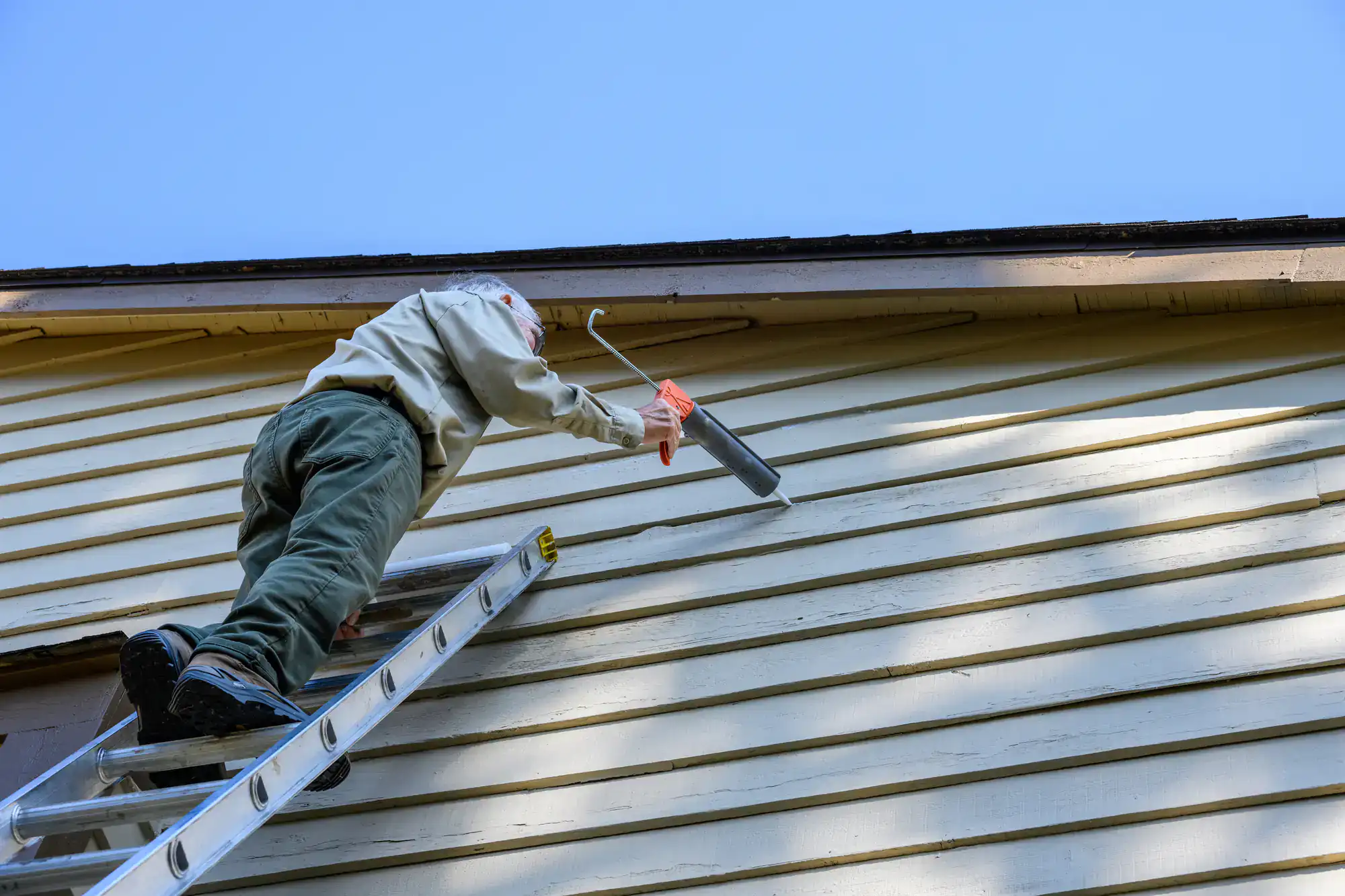
Most siding repairs in East Islip run between $300 and $1,500 depending on what’s damaged and what material we’re working with. A simple fix like patching holes in vinyl siding or reattaching a few loose panels sits on the lower end. If you’re dealing with rot, water damage behind the siding, or need multiple sections replaced, you’re looking at the higher end of that range or beyond.
Material matters too. Vinyl is generally the most affordable to repair. Wood shingle siding repair and cedar siding repair cost more because the material itself is pricier and the labor is more detailed. Aluminum siding sits somewhere in the middle. We’ll give you an honest estimate after we see what’s going on. No surprises, no upselling you on work you don’t need.
In most cases, yes—but it depends on your siding type, age, and whether it’s still manufactured. Vinyl siding is usually the easiest to match because manufacturers keep consistent profiles and colors in production for years. If your siding is older or discontinued, we’ll do our best to find the closest match or source salvaged material if that’s an option.
Wood siding can almost always be matched if we’re working with standard profiles like clapboard or shingles. We’ll match the width, thickness, and grain as closely as possible, then finish it to blend with your existing siding. Aluminum and steel siding can be trickier if it’s an older style, but we’ve been doing this long enough to know where to look.
If a perfect match isn’t possible, we’ll tell you up front and talk through your options—whether that’s repairing a less visible area, replacing a full wall section for consistency, or accepting a slight variation that most people won’t notice unless they’re looking for it.
Siding leaks don’t always announce themselves with obvious water stains. Sometimes the first sign is a spike in your energy bill because your insulation is damp and not doing its job. You might notice cold drafts near walls or outlets, or feel humidity in rooms that shouldn’t be humid. Peeling paint on interior walls, especially near windows or corners, is another red flag.
Outside, look for warped or buckled siding, discoloration, or sections that look darker than the rest—that’s often moisture trapped behind the surface. If you’ve got wood siding, check for soft spots or areas that feel spongy when you press on them. Mold or mildew growing on the siding itself, especially in shaded areas, can also indicate water is getting where it shouldn’t.
If you’re seeing any of these signs, it’s worth having someone take a look. Water damage doesn’t get better on its own, and the longer it sits, the more expensive the fix becomes. We can track down where the water is getting in and what it’s affecting behind your siding.
Small repairs—like fixing a cracked panel, sealing a gap, or patching a hole—usually take a few hours. We can often handle those in a single visit. If you’re dealing with rot, storm damage, or need multiple sections replaced, you’re looking at a day or two depending on the scope and whether we need to address sheathing or insulation behind the siding.
Weather plays a role too. We can’t install siding in heavy rain or when temperatures drop too low for materials to seal properly. If we’re working with caulk or adhesive, it needs time to cure. We’ll give you a realistic timeline when we assess the job, and we’ll let you know if anything changes.
For emergency repairs—like after a storm when your siding is compromised and water is getting in—we prioritize getting your home sealed up fast, even if the final cosmetic work happens a day or two later. Stopping the damage is always the first step.
If the damage is isolated to one area and the rest of your siding is in decent shape, repair makes sense. You’re spending less, the work is faster, and you’re extending the life of your existing siding without the disruption of a full replacement. That’s the right call for most storm damage, small cracks, holes, or sections affected by rot.
If your siding is old, you’re seeing damage in multiple areas, or you’ve already repaired it a few times and problems keep popping up, replacement starts to make more sense. At a certain point, you’re putting money into a system that’s at the end of its lifespan. Replacing it means you’re done dealing with repairs for the next 20 to 30 years, your energy efficiency improves, and you’re not worrying about hidden water damage spreading behind siding that’s failing in multiple spots.
We’ll tell you which situation you’re in. If repair is the smarter move, we’ll say so. If you’re better off replacing, we’ll explain why. You’ll know what you’re dealing with either way.
Yes. Storm damage is one of the most common reasons homeowners in East Islip call us. Nor’easters, high winds, and hurricane-season weather can crack siding, tear off panels, or drive debris into your home’s exterior. We’ve seen it all—dents from hail, holes from branches, entire sections ripped off by wind.
We typically respond within 12 to 24 hours for emergency calls, sometimes faster if your home is actively taking on water. The first priority is getting your house sealed so no more damage happens while we’re waiting on materials or for weather to clear. Then we handle the full repair—replacing damaged sections, checking for any hidden issues behind the siding, and making sure everything is secure and watertight.
If you’re filing an insurance claim, we can work with your adjuster and provide documentation of the damage and the repair work. We’ve done this enough times to know what insurers need, and we’ll make that process as straightforward as possible for you.
Other Services we provide in East Islip