
Hear from Our Customers
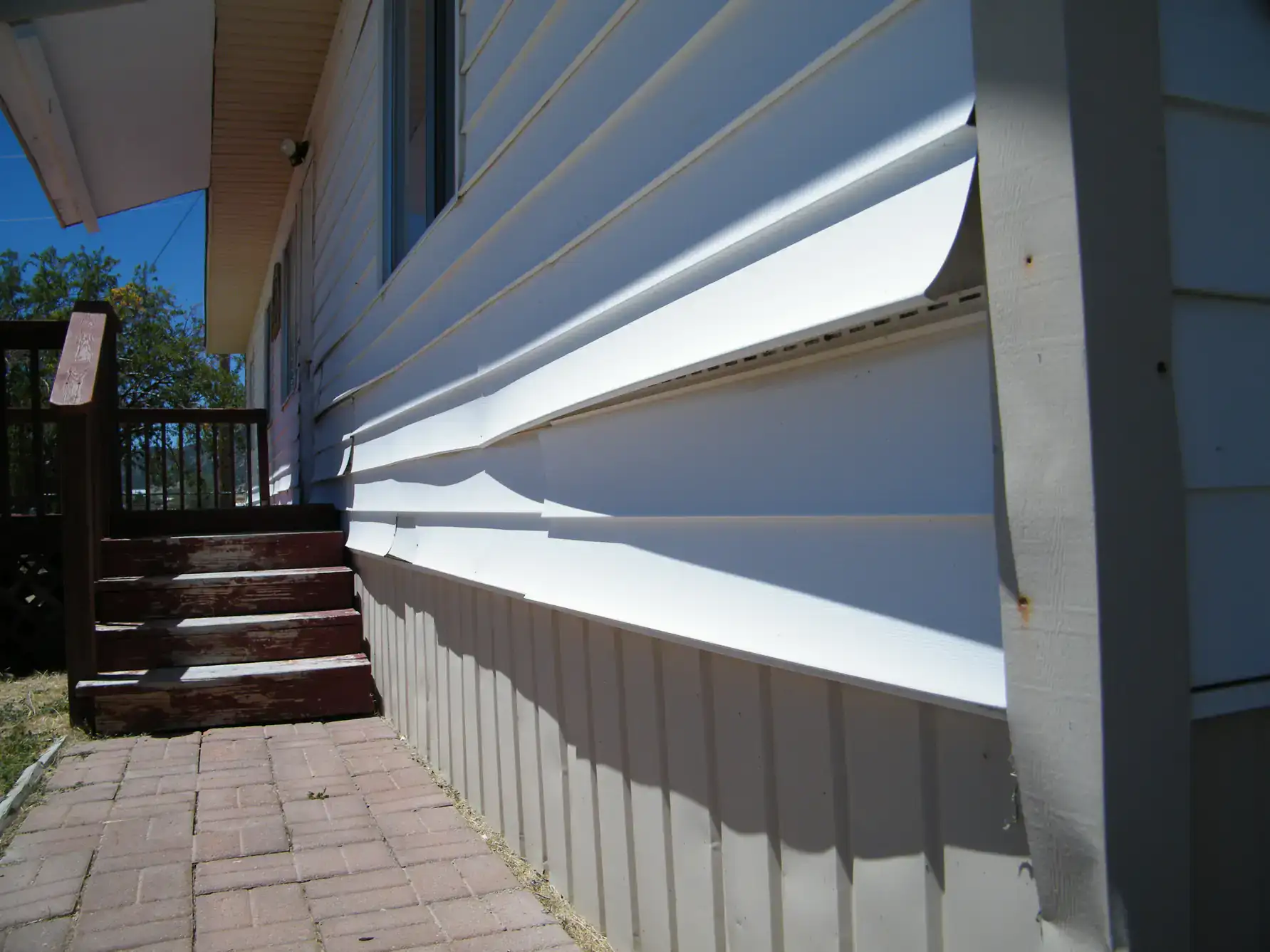
You’re not calling about siding because everything’s fine. Something’s cracked, loose, leaking, or worse. Maybe it happened during last month’s storm, or maybe you’ve been watching that one panel buckle for two years and finally decided enough’s enough.
Here’s what matters: when we finish a siding repair in Greenlawn, NY, you’re not wondering if it’ll hold. You’re not dealing with callbacks or patch jobs that fail by next season. The damaged section gets removed, the underlying structure gets checked for rot or moisture damage, and the replacement goes in to match your existing siding—whether that’s vinyl, wood, fiber cement, or aluminum.
Your home stops leaking. Your energy bills stop climbing because air isn’t sneaking through gaps. And if you’re planning to sell in the next few years, your exterior doesn’t become a negotiation point with buyers who see worn siding and immediately start calculating repair costs into their offers.
We work across Suffolk County, and we’ve seen what nor’easters, summer humidity, and salt air do to siding over time. Greenlawn homes deal with heavy tree coverage, which means more debris buildup in corners and seams where moisture sits and causes problems.
We’re a family-run operation, which means when you call, you’re talking to someone who’s actually going to show up at your house. No subcontractors we’ve never met. No project managers who disappear after the estimate.
We’ve been handling exterior repairs long enough to know the difference between a quick patch and a real fix. And we know that most people calling about siding repair in Greenlawn, NY aren’t looking for the cheapest option—they’re looking for someone who’ll do it right so they don’t have to deal with it again next year.
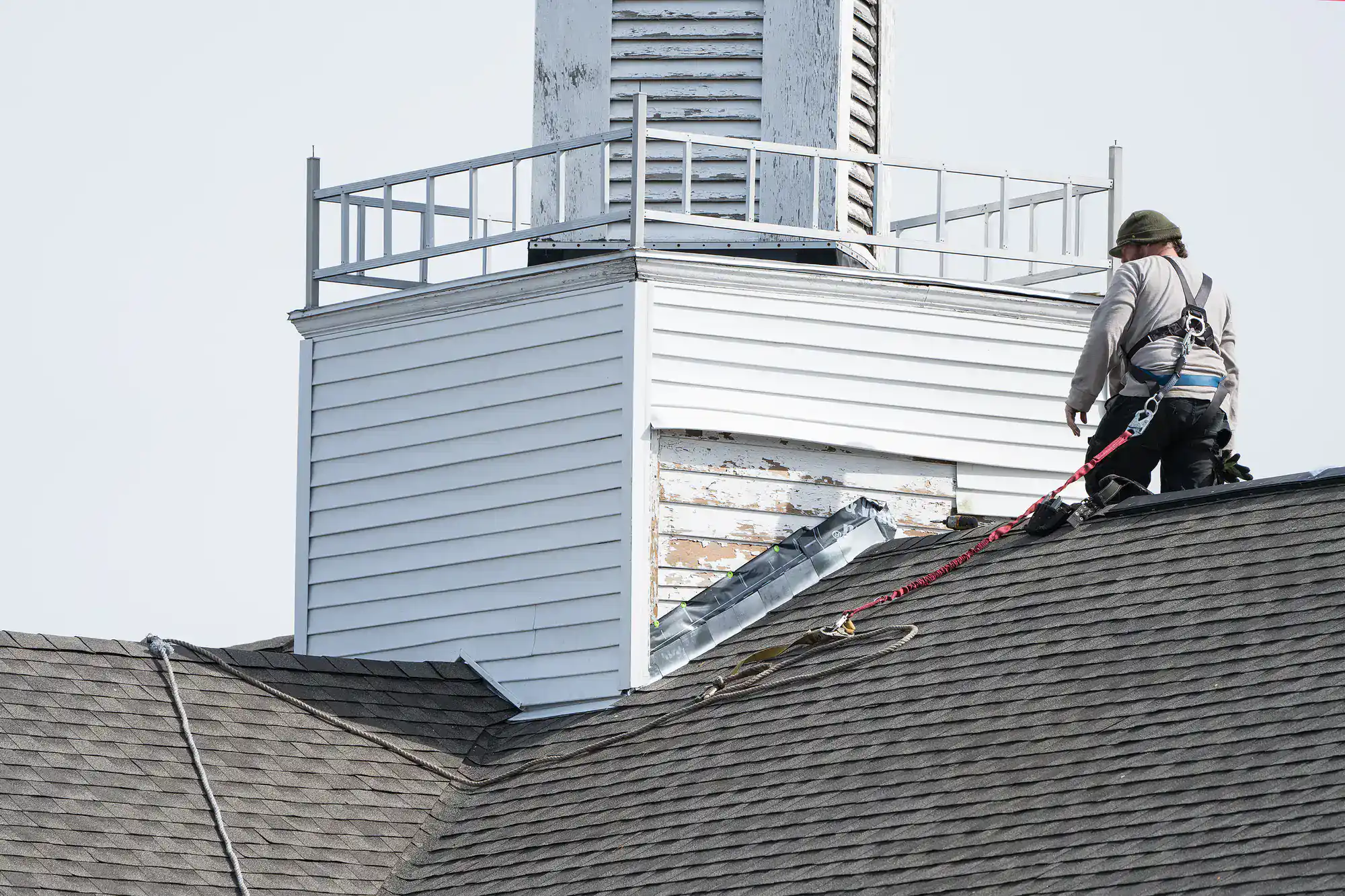
First, we come out and look at the damage. Not just the obvious stuff—the cracked panel or the hole—but what’s happening behind it. Because if water’s been getting in, there’s a good chance the sheathing or insulation is compromised too. We check for soft spots, staining, or rot that’ll cause problems down the road if it’s not addressed now.
Then we give you a written estimate that breaks down what needs to happen and what it costs. If you’ve got a small repair—maybe fixing a hole in vinyl siding or replacing a few pieces of aluminum trim—we’ll tell you that. If the damage is more extensive and you’re looking at rot repair or flashing work around your chimney, we’ll explain why that matters and what happens if you skip it.
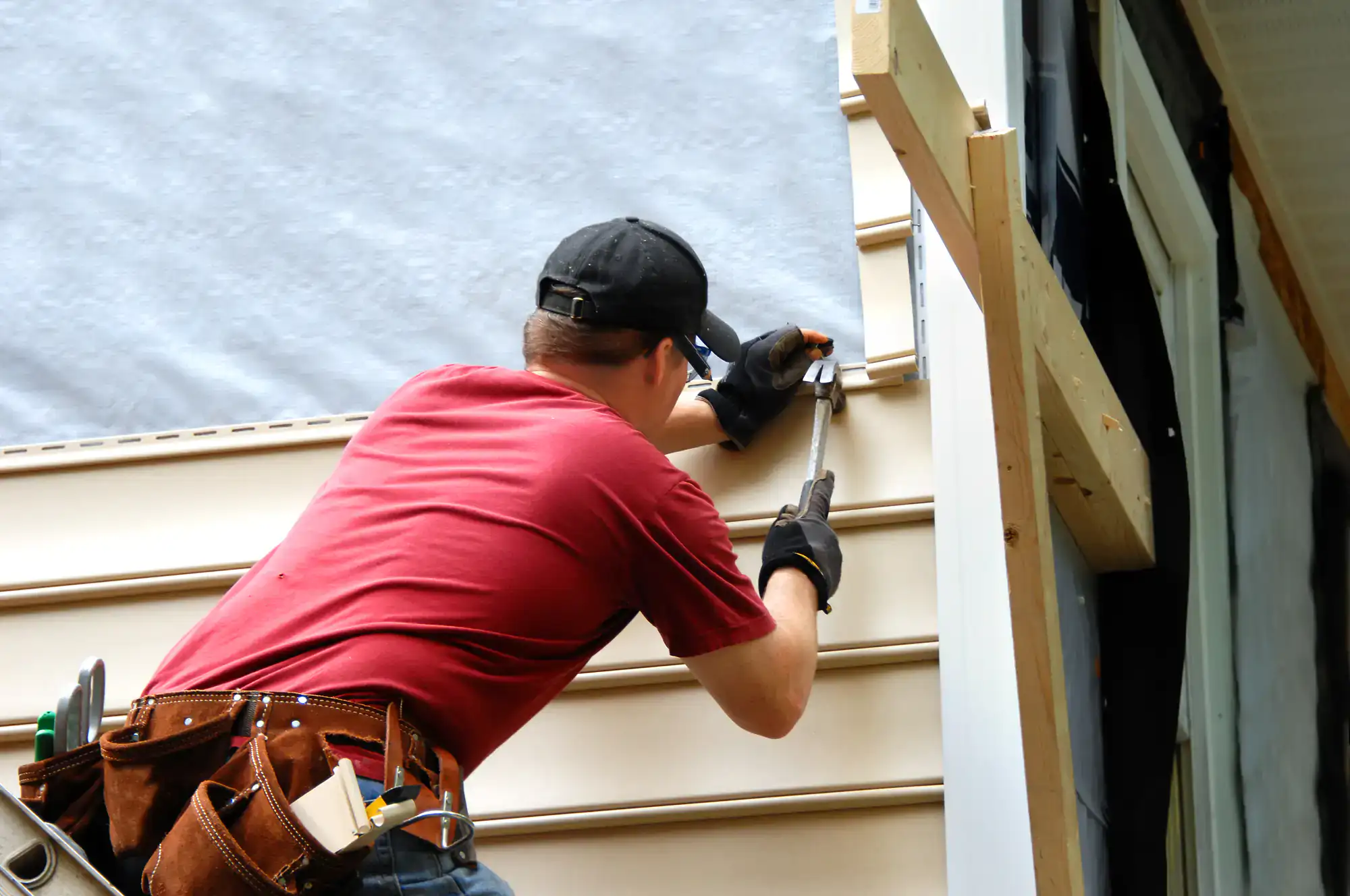
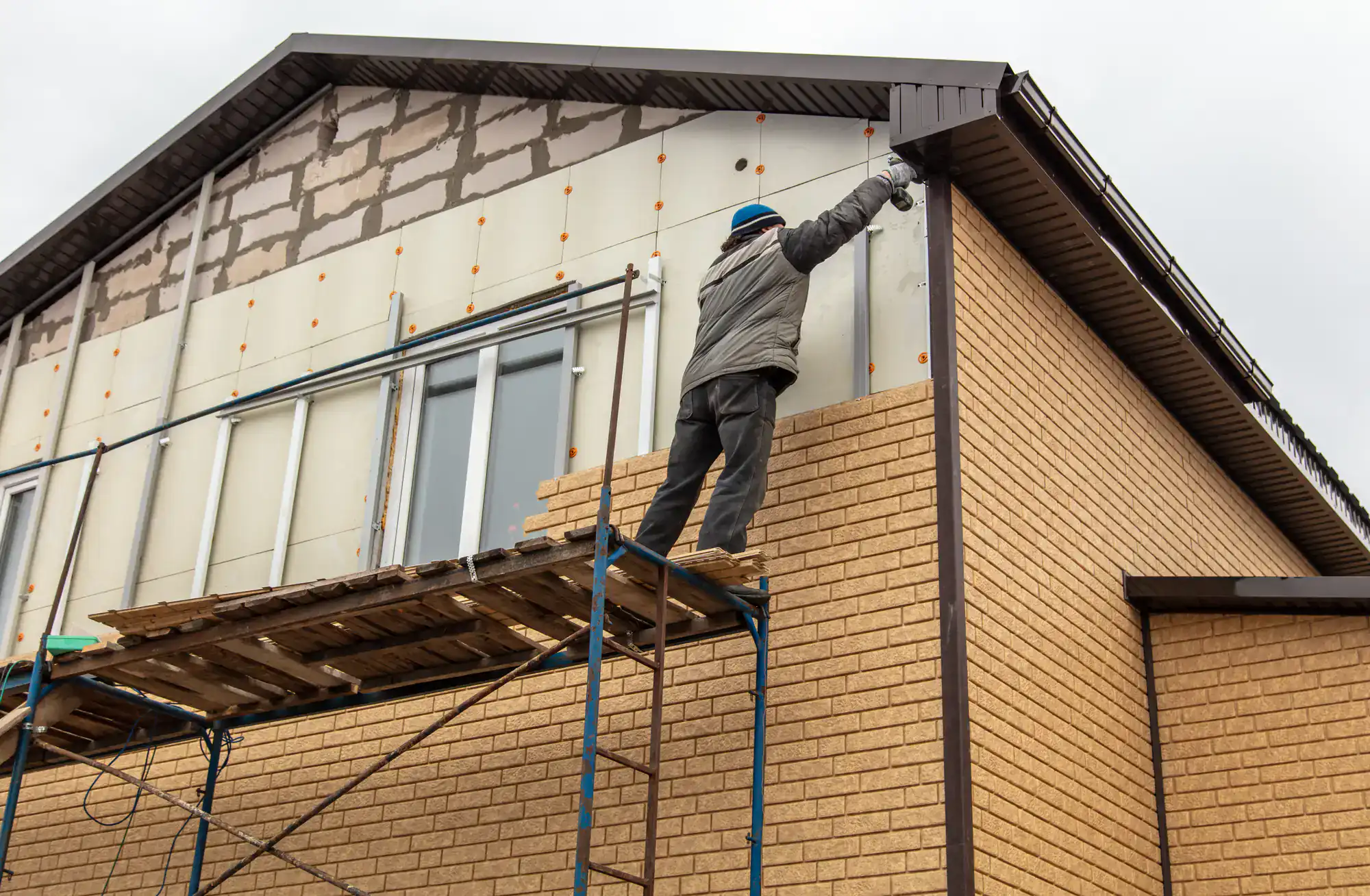
Once you approve the work, we order materials that match your existing siding. Color, texture, profile—it all matters if you want the repair to blend in. We pull off the damaged sections, address any underlying issues, and install the new siding with proper fastening and sealing. Then we clean up, haul off the old material, and walk you through what we did.
The whole process typically takes a day or two for most repairs, depending on scope. Emergency repairs—like active leaks or storm damage—get prioritized so you’re not waiting a month while water seeps into your walls.
Ready to get started?
We handle vinyl siding repair, wood siding repair, fiber cement, and aluminum—basically whatever’s on your house. That includes fixing loose siding that’s pulling away from the wall, patching holes in vinyl siding from impacts or woodpecker damage, replacing rotted wood sections, and repairing siding trim that’s cracked or separating.
If your siding is leaking, we trace the source. Sometimes it’s obvious—a crack or missing panel. Other times it’s a flashing issue where the siding meets your roof, chimney, or windows. We fix both the symptom and the cause, because sealing a crack without addressing the flashing just means you’ll be calling someone again in six months.
For Greenlawn homes, we also see a lot of damage where tree branches scrape against siding during storms or where gutters overflow and dump water directly onto siding joints. Both create long-term problems if the siding isn’t properly sealed and the drainage isn’t corrected. We handle that too—not because we’re trying to upsell you, but because fixing siding without fixing what caused the damage in the first place doesn’t solve anything.
Siding repair cost in Greenlawn, NY depends on material, extent of damage, and whether there’s underlying rot or structural work needed. Small repairs might run a few hundred dollars. Larger sections with rot remediation cost more. We’ll tell you upfront what you’re looking at so you can make an informed decision.
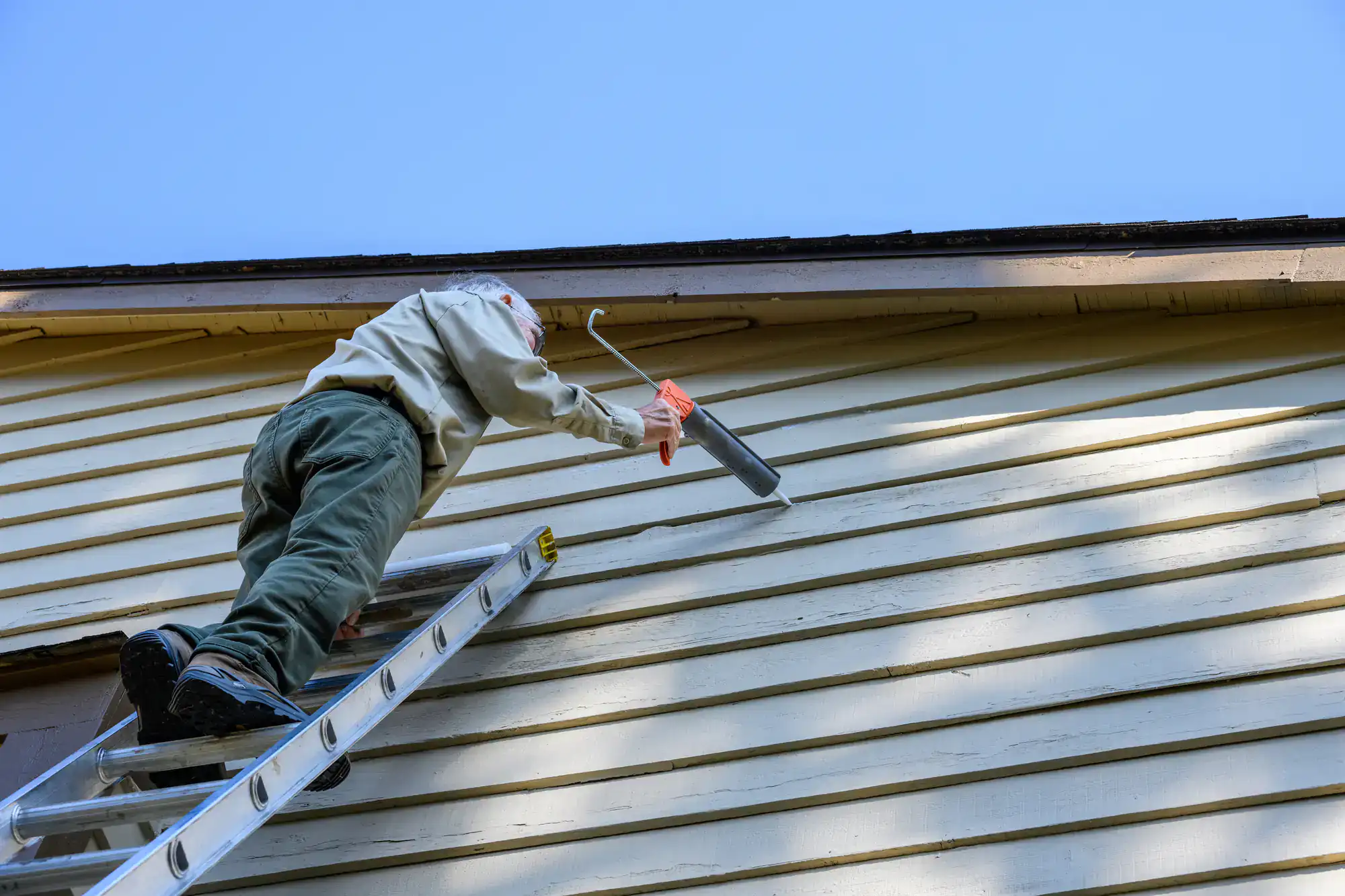
It depends on what’s damaged and what’s behind it. A simple vinyl siding repair—replacing a few cracked panels with no underlying damage—might cost $300 to $600. If you’re dealing with wood rot, water damage to sheathing, or extensive sections that need replacement, you’re looking at $1,000 to $3,000 or more.
Material matters too. Vinyl is generally the least expensive to repair. Wood siding costs more because it requires more labor to match, cut, and seal properly. Fiber cement and aluminum fall somewhere in between.
The real cost driver is what we find when we pull off the damaged siding. If the structure underneath is dry and intact, the repair is straightforward. If there’s rot, mold, or compromised insulation, that has to be addressed first or you’re just covering up a problem that’ll get worse. We’ll give you a detailed written estimate after we inspect so there’s no guessing.
In most cases, yes—but it depends on the age and type of your siding. Vinyl siding is usually the easiest to match because manufacturers keep consistent product lines and color codes. If your siding is relatively recent, we can often get an exact match. If it’s older or discontinued, we source the closest match available.
Wood siding can be matched by profile and species, then painted or stained to blend. Cedar, pine, and engineered wood all have different characteristics, and we make sure the replacement pieces are cut and finished to match the surrounding area.
Aluminum and fiber cement are similar to vinyl—if the product line is still available, matching is straightforward. If it’s been discontinued, we find the closest alternative and make sure the texture and color are as close as possible.
One thing to keep in mind: even with a perfect material match, older siding that’s been weathered for years may look slightly different next to a brand-new piece. That fades over time as the new section weathers. Most people don’t notice it unless they’re standing right next to it.
Most siding repairs take one to two days, depending on the size and complexity. A small repair—fixing a hole in vinyl siding or replacing a few loose panels—can often be done in a few hours. Larger repairs involving multiple sections, rot remediation, or flashing work take longer.
Weather plays a role too, especially in Greenlawn where rain and humidity can delay certain steps. We won’t install siding in heavy rain or when temperatures are too low for adhesives and sealants to cure properly. That’s not us being picky—it’s about making sure the repair actually lasts.
If you’ve got an emergency—like a storm ripped off siding and your interior is exposed—we prioritize that and get out as quickly as possible to tarp or temporarily seal the area, then schedule the full repair. We’re not going to leave you with an open wall while we wait for materials to arrive.
For non-urgent repairs, we’ll schedule the work based on material lead times and weather windows. You’ll know the timeline upfront so you can plan accordingly.
Siding leaks usually happen at seams, joints, or where siding meets other materials like windows, doors, chimneys, or rooflines. Water finds the path of least resistance, and if flashing is missing, damaged, or improperly installed, it gets behind the siding and into your walls.
Cracks in the siding itself can also let water in, especially if the crack runs vertically or if it’s located near a seam. Wind-driven rain during storms pushes water into gaps that wouldn’t normally be a problem in light rain.
To fix a leaking siding issue in Greenlawn, NY, we first identify where the water is entering. That means pulling back sections of siding to inspect the flashing, sheathing, and seams. If the flashing is the problem, we replace or add it where it’s missing. If the siding itself is cracked or the seams aren’t properly overlapped, we replace those sections and reseal them.
Sometimes the leak isn’t even from the siding—it’s from a gutter that’s overflowing and dumping water directly onto the siding joints. In those cases, fixing the siding without addressing the gutter just means the problem will come back. We’ll point that out if we see it so you can decide how you want to handle it.
We handle both. Surface damage—cracks, holes, loose panels—is straightforward. But if water’s been getting behind your siding for a while, there’s a good chance you’ve got rot in the sheathing, studs, or trim boards. That has to be fixed before new siding goes on, or you’re just covering up a structural problem.
Wood rot repair involves cutting out the damaged sections of sheathing or framing, treating the surrounding wood to prevent further decay, and replacing it with new material. Then we add a moisture barrier if one wasn’t there or if the old one failed. Only after that’s done do we install the new siding.
Skipping the rot repair might save money in the short term, but it means the new siding won’t have solid backing, and the rot will continue to spread. Eventually, you’re looking at much bigger repairs—or even structural issues that affect your home’s integrity.
In Greenlawn, rot is common in areas with heavy tree coverage where debris traps moisture against the siding, and in spots where gutters overflow or downspouts dump water too close to the foundation. We see it all the time, and we fix it right so it doesn’t come back.
We repair aluminum siding too. It’s less common than vinyl now, but plenty of Greenlawn homes still have it, especially older properties. Aluminum is durable, but it dents easily from impacts—tree branches, hail, baseballs—and the finish can corrode over time, especially with salt air exposure on Long Island.
Aluminum siding trim repair is one of the most common requests we get. The trim around windows and corners takes the most abuse and often needs replacement before the field panels do. We can match the profile and either paint it to match your existing color or source pre-finished trim if your color is still available.
For dented panels, sometimes we can carefully work the dent out if it’s shallow and the finish isn’t cracked. If the panel is creased or the finish is damaged, replacement is the better option. Aluminum siding repair on a house typically costs less than wood but more than vinyl because the material is more expensive and requires more precision during installation.
One advantage of aluminum: it doesn’t rot. So if we’re replacing damaged sections, we’re usually not dealing with the underlying moisture issues that come with wood siding repairs. That keeps the scope—and the cost—more predictable.
Other Services we provide in Greenlawn