
Hear from Our Customers
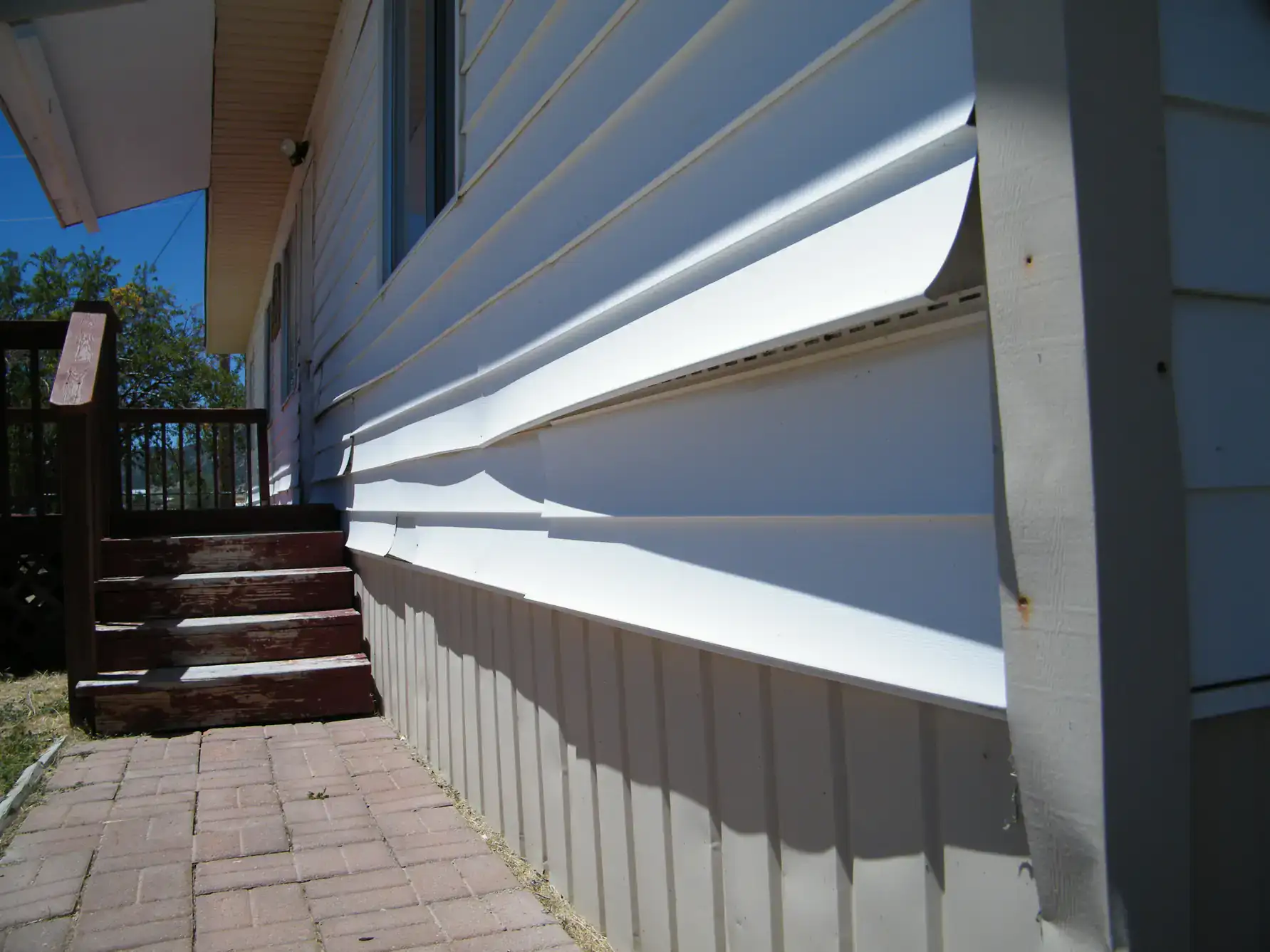
When your siding cracks or pulls away from the house, water doesn’t wait. It finds its way behind the panels, into the sheathing, and eventually into your walls. What starts as a small gap becomes stained ceilings, warped framing, and repair bills that climb fast.
Fixing damaged siding in Cutchogue means understanding what Long Island weather does to homes. The coastal wind drives rain sideways into every weak point. Winter freeze-thaw cycles loosen fasteners. Summer sun bakes older vinyl until it splits.
You need repairs that match your material, fit your home’s age, and hold up against the next storm. That’s vinyl siding repair done with the right fasteners, proper flashing, and materials chosen for Suffolk County conditions. When the work’s done, your siding sits tight, sheds water correctly, and stops being a problem you worry about every time it rains.
We’ve spent over 35 years working on Suffolk County homes at SkyLuxe Construction. We’ve handled more than 2,000 exterior projects across the North Fork, and we know what happens to siding when it faces coastal weather year after year.
Most homes in Cutchogue were built in the 1950s and 1960s. That means aging siding systems that weren’t designed for today’s storm patterns. We’ve repaired everything from original wood shingles to vinyl installed decades ago, and we understand how each material fails and what it takes to fix it properly.
Our family runs this business, and we show up to every job. You’re not getting random subcontractors—you’re getting licensed, trained technicians who know how to match materials, install flashing correctly, and make repairs that last through nor’easters and hurricane-season winds.
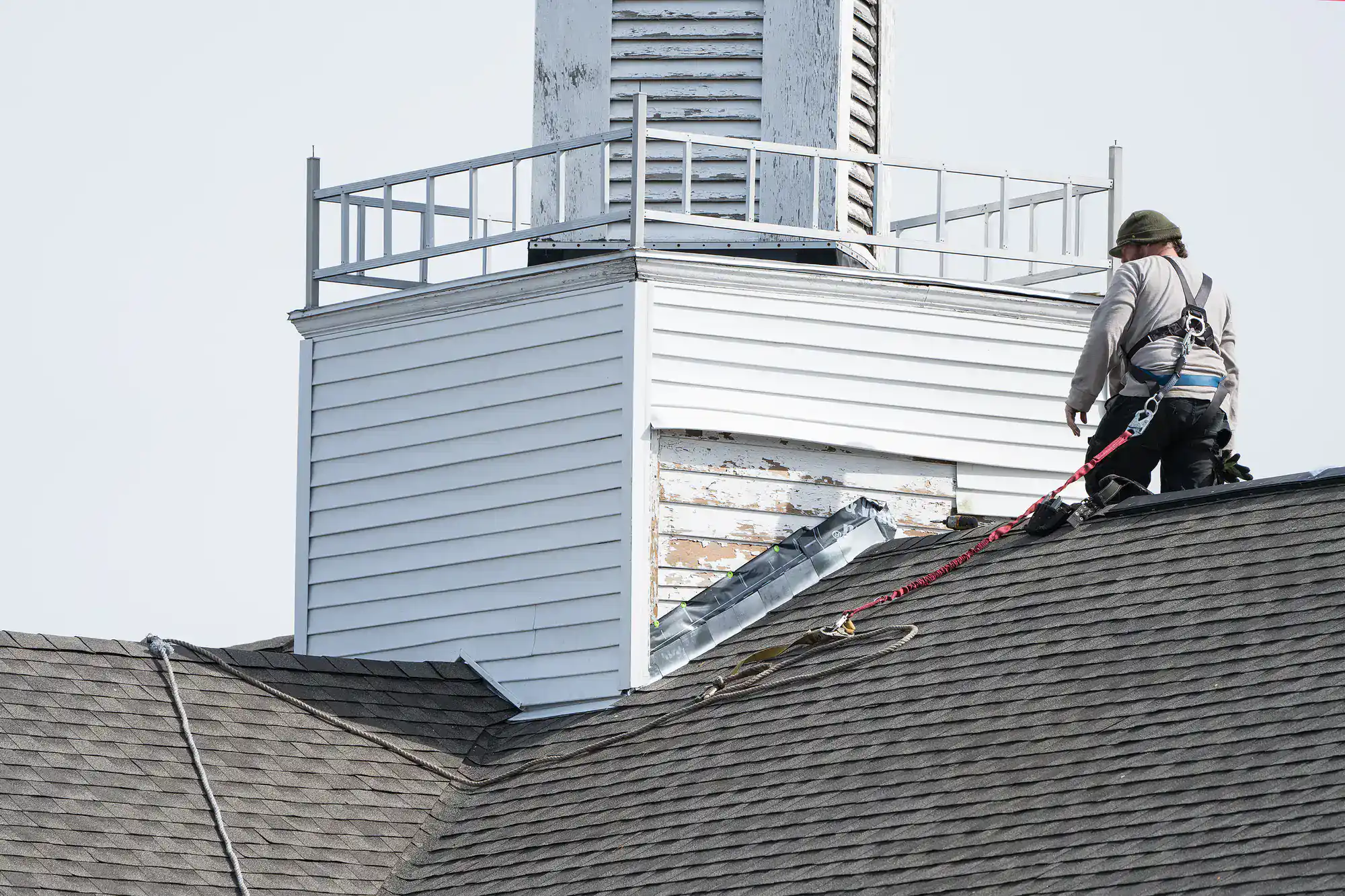
First, we come out and look at the damage. Not just the obvious cracks or loose panels—we check behind the siding to see if water’s already gotten in. We look at flashing around windows and doors. We check corners, seams, and anywhere two materials meet. You need to know what you’re actually dealing with before anyone starts pulling panels off.
Then we give you a clear estimate. We tell you what needs fixing now, what can wait, and what it costs. No vague ranges or surprise charges later.
Once you approve the work, we schedule it fast. Most siding repairs in Cutchogue take one to two days. Simple fixes—a few cracked panels or a section of loose trim—get done in hours. Bigger jobs, like repairing rot or replacing entire walls, take longer, but we give you a realistic timeline upfront.
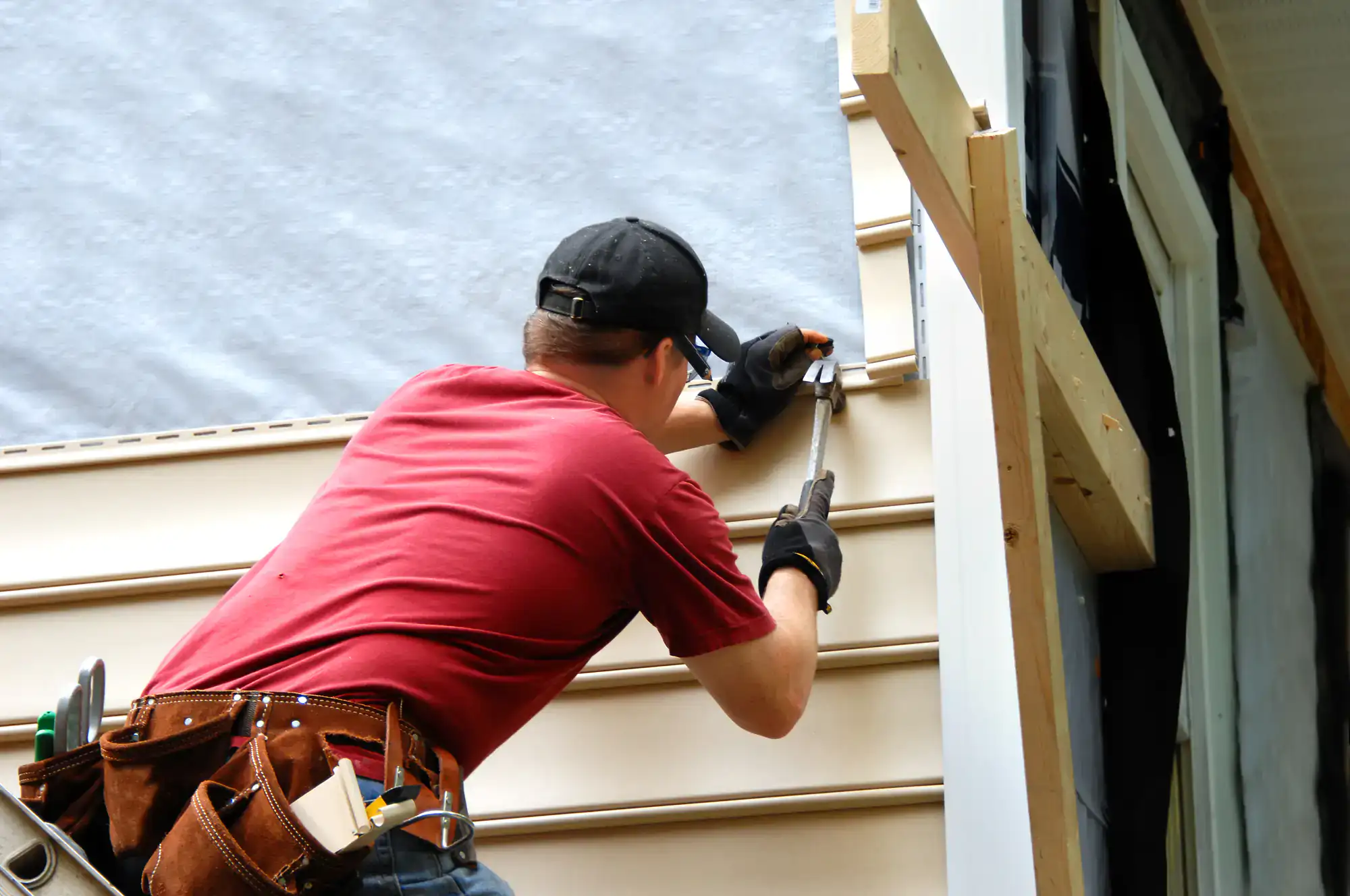
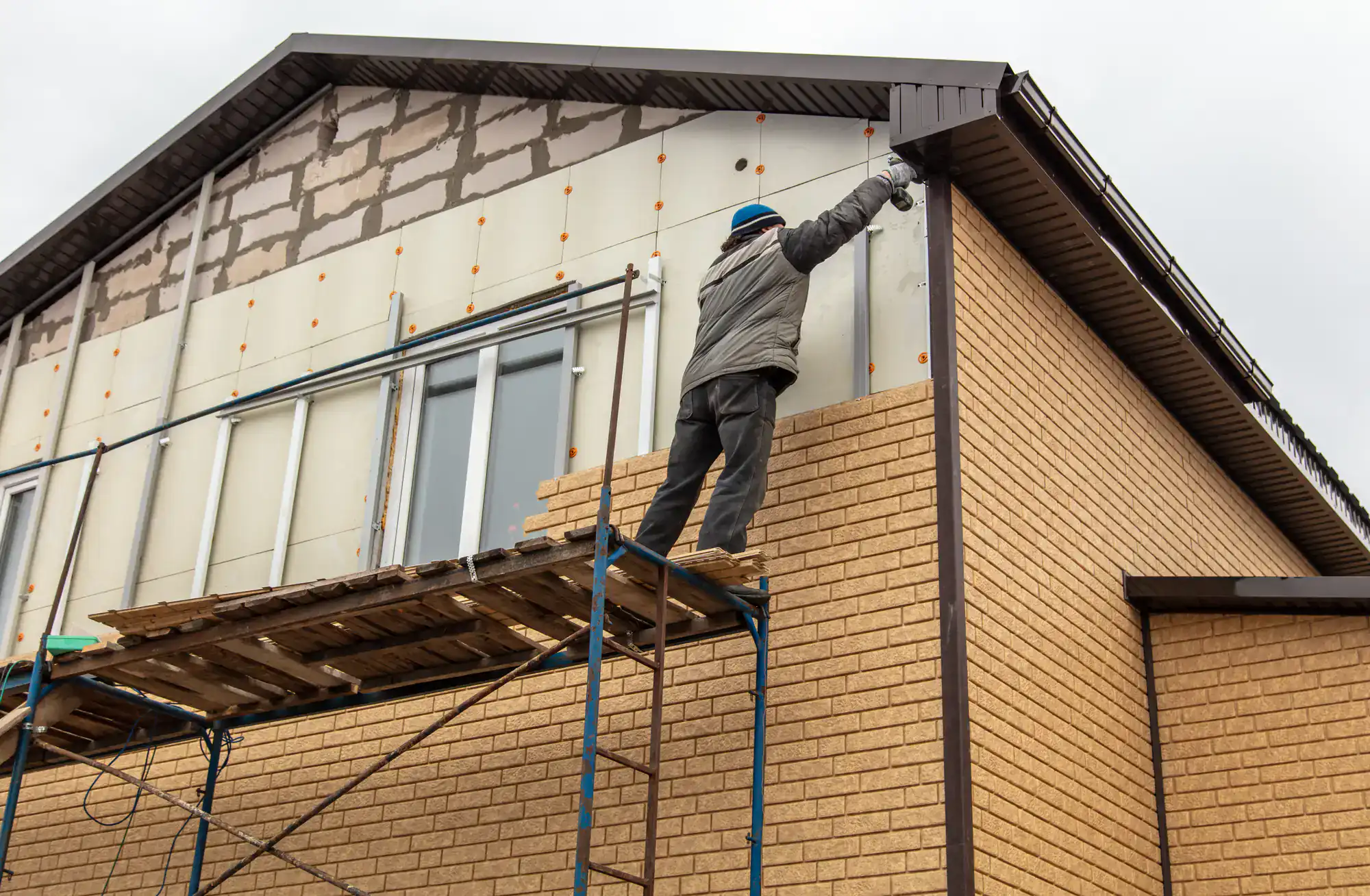
We show up with the right materials already loaded. We protect your landscaping and anything near the work area. We remove damaged sections, check the sheathing and framing underneath, replace what’s compromised, and install new siding that matches your existing material. Then we clean up completely. No nails in the driveway, no scrap piles left behind.
Ready to get started?
Vinyl siding repair is the most common call we get. Cracks from hail, holes from impacts, and panels that pulled loose during windstorms. We also handle vinyl siding trim repair when corners split or J-channels come loose around windows.
Wood shingle siding repair is different. Shingles rot from the bottom up, especially on north-facing walls that stay damp. Cedar siding repair for woodpecker damage is another frequent issue here—birds drill holes looking for insects, and those holes let water straight into your walls.
Aluminum siding on older Cutchogue homes develops dents and corrosion. Aluminum siding trim repair often means replacing fascia and corner caps that have pulled away or corroded through. We stock materials that match original profiles so repairs blend in.
Siding rot repair goes deeper. When water sits behind panels long enough, it rots the sheathing and sometimes the studs. We cut out compromised wood, treat the framing, install new sheathing, and then put the siding back. It’s not a quick patch, but it stops the rot from spreading.
Storm damage is its own category. High winds rip panels completely off. Driving rain finds every gap. We’ve repaired hundreds of homes after nor’easters and tropical storms, and we know how to prioritize fixes that prevent further water infiltration while we wait for materials or insurance approvals.
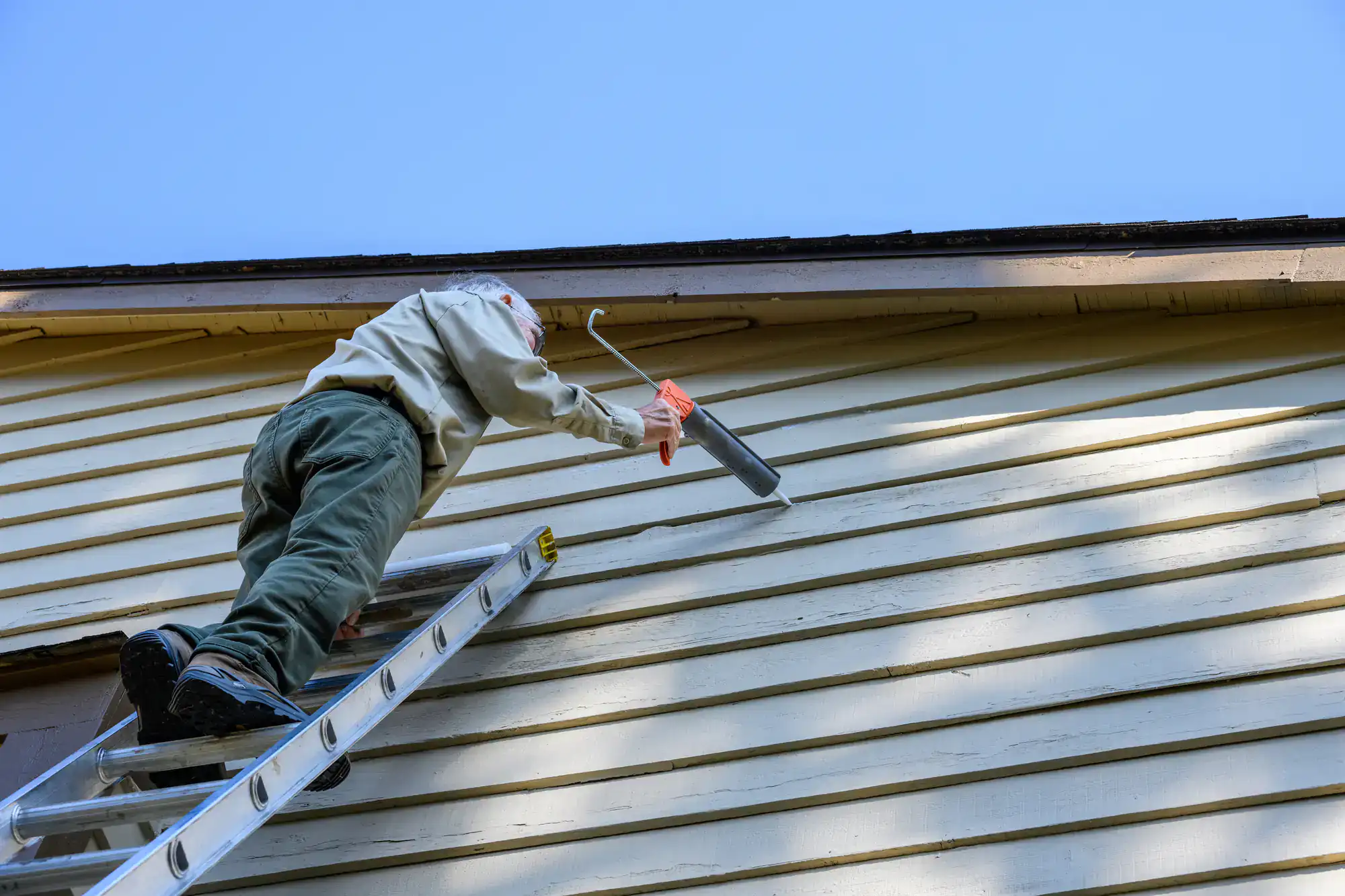
Most siding repairs in Cutchogue run between $1,200 and $5,000, depending on how much damage there is and what material you have. A few cracked vinyl panels might cost $800 to $1,500. Repairing a full wall with rot damage behind it can hit $4,000 or more.
The biggest cost driver is what’s happening behind the siding. If water got into the sheathing or framing, that has to be fixed before new siding goes on. Skipping that step just hides the problem until it gets worse.
Material also matters. Vinyl is usually the least expensive to repair because it’s easy to match and install. Wood shingles cost more because they require more labor. Aluminum and fiber cement fall somewhere in between. We give you an exact price after we see the damage—no guessing, no ranges that turn into surprises later.
Most of the time, yes. We stock common profiles and colors for vinyl, and we have suppliers who carry discontinued styles for older homes. If your siding is 20+ years old and the manufacturer stopped making that exact profile, we find the closest match and blend it into a less visible area if needed.
Wood shingles are easier to match because they’re cut to order. Cedar siding repair means getting new shingles that match the exposure and thickness of your existing ones. They’ll look newer at first, but they weather to match within a season or two.
Aluminum siding is trickier. Older aluminum fades and oxidizes, so even a perfect color match looks different next to 40-year-old panels. We do our best to match profile and color, and sometimes we’ll suggest repainting the repaired section to blend it in. It depends on how visible the repair area is and what you’re comfortable with.
Simple repairs—fixing a few cracked panels or reattaching loose trim—usually take a few hours. We can often get those done in a single morning.
Bigger jobs, like replacing an entire wall section or repairing rot damage, take one to two days. That includes removing the damaged siding, fixing any underlying issues with sheathing or framing, installing new materials, and cleaning up.
Weather affects the timeline. We don’t install siding in heavy rain or when temperatures drop below freezing, because adhesives and caulks won’t cure properly. If we’re in the middle of a job and a storm rolls in, we’ll weatherproof the work area and come back when conditions are right. Rushing a siding repair in bad weather just creates more problems later.
It depends on what caused the damage. Most homeowners insurance policies cover siding repairs if the damage came from a storm, hail, fire, or sudden impact—like a tree branch hitting your house during high winds.
Insurance usually won’t cover damage from normal wear and tear, gradual rot, or deferred maintenance. If your siding is failing because it’s 30 years old and hasn’t been maintained, that’s on you. But if a nor’easter ripped panels off last month, your policy should cover it.
We’ve worked with dozens of insurance adjusters in Suffolk County. We can document the damage, provide a detailed estimate, and explain what needs fixing and why. Some adjusters try to lowball claims by saying you only need a patch when you really need a full section replaced. We’ll back you up with photos and explanations that show what actually has to be done to fix it right.
Then we’re fixing more than just siding. Water behind the panels means the sheathing is probably wet, and if it’s been wet for a while, it’s likely rotted or moldy. Studs can rot too, especially around windows and doors where water tends to collect.
We pull off the damaged siding and inspect everything underneath. If the sheathing is soft or discolored, it gets replaced. If studs are compromised, we sister in new framing or replace the damaged sections entirely. Then we install proper flashing and weatherproofing before the new siding goes on.
This is why catching siding damage early matters. A $1,500 repair turns into a $5,000 job once water gets into the walls. The longer you wait, the more expensive it gets. If you’re seeing water stains on interior walls, ceilings, or around windows, don’t wait—that’s water that’s already been sitting in your walls long enough to soak through. Call us before it spreads further.
Yes. If a storm just ripped panels off your house and rain is getting in, we’ll come out and secure the opening as fast as we can. That usually means tarping the area or installing temporary panels to stop water infiltration until we can schedule the full repair.
Emergency siding repair in Cutchogue spikes after big storms—everyone calls at once. We prioritize jobs where water is actively getting into the house. If your siding is damaged but the house is still weathertight, you might wait a few days while we handle the urgent calls first.
We keep materials in stock specifically for storm season. When a nor’easter or tropical system is coming, we prep ahead so we’re ready to move fast once it passes. The faster we can get your house sealed up, the less damage water does inside your walls.
Other Services we provide in Cutchogue