
Hear from Our Customers
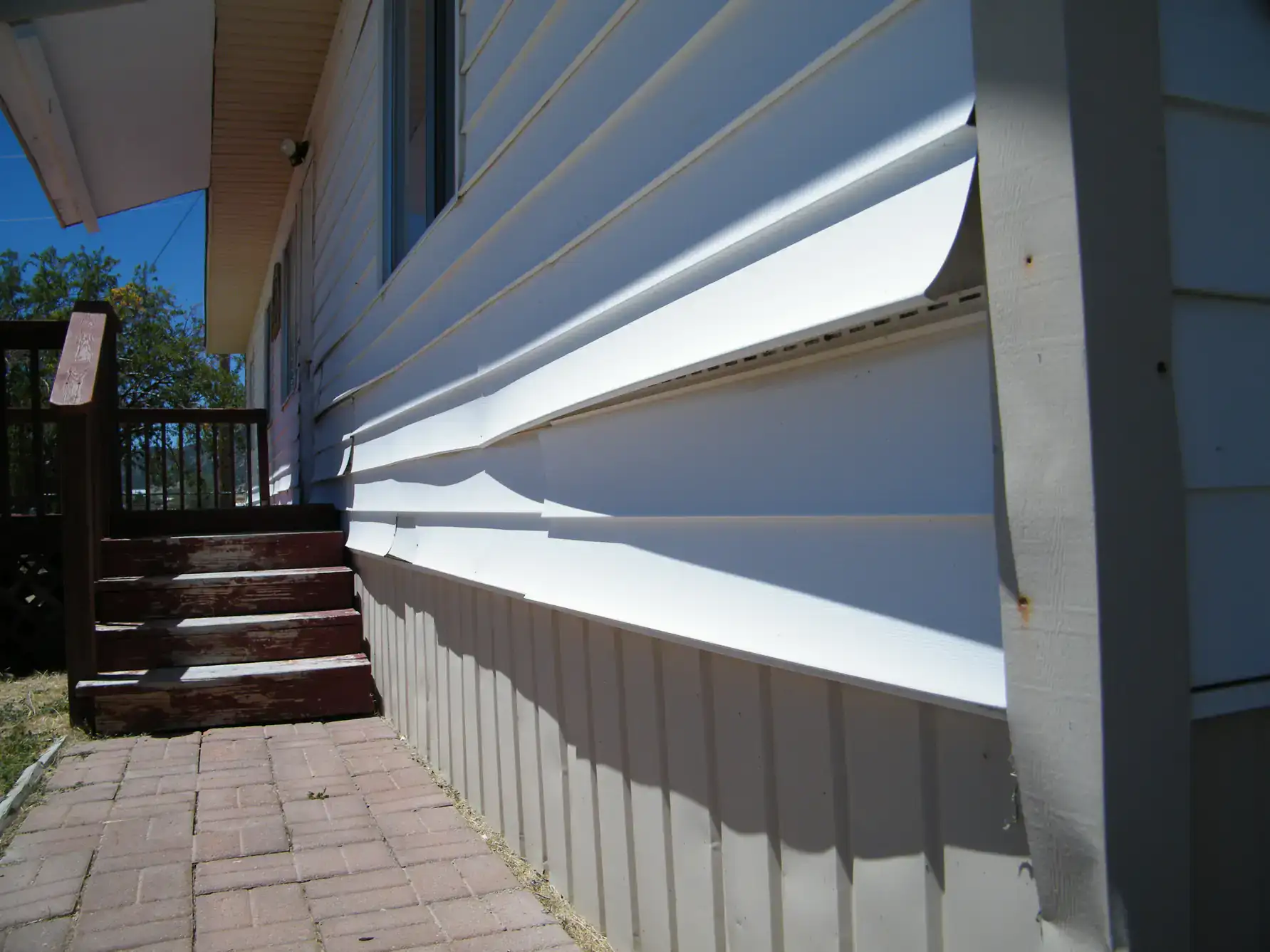
That crack in your vinyl siding isn’t just ugly. It’s an open door for water, and once moisture gets behind your siding, you’re looking at rot, mold, and insulation problems that multiply your repair costs fast.
Professional siding repair in Lindenhurst stops that cycle. We match your existing materials, seal every gap, and make sure the fix actually lasts through Suffolk County’s coastal storms and freeze-thaw cycles. You get a home that looks clean again and walls that stay dry when the next storm hits.
Most repairs finish in a day or two. You’re not dealing with weeks of disruption or crews that disappear between visits. We show up, assess the damage honestly, and handle everything from small vinyl siding trim repair to full panel replacement—whatever your home actually needs, not what’s easiest to sell you.
SkyLuxe Construction has spent decades fixing siding damage across Suffolk County. We’re a family-run business, and we’ve worked through enough Long Island storms to know exactly what salt air, heavy rain, and temperature swings do to exterior materials.
Lindenhurst homes face the same coastal challenges as the rest of Suffolk County—constant moisture exposure, wind-driven rain, and that August 2024 flooding that dumped over nine inches in 24 hours. Those conditions age siding faster than almost anywhere else, which is why we source materials designed specifically for this climate and install them to handle what’s coming next.
You’re not getting a crew that learned siding repair from YouTube. You’re getting licensed professionals who understand how to fix damaged siding so it actually holds up.
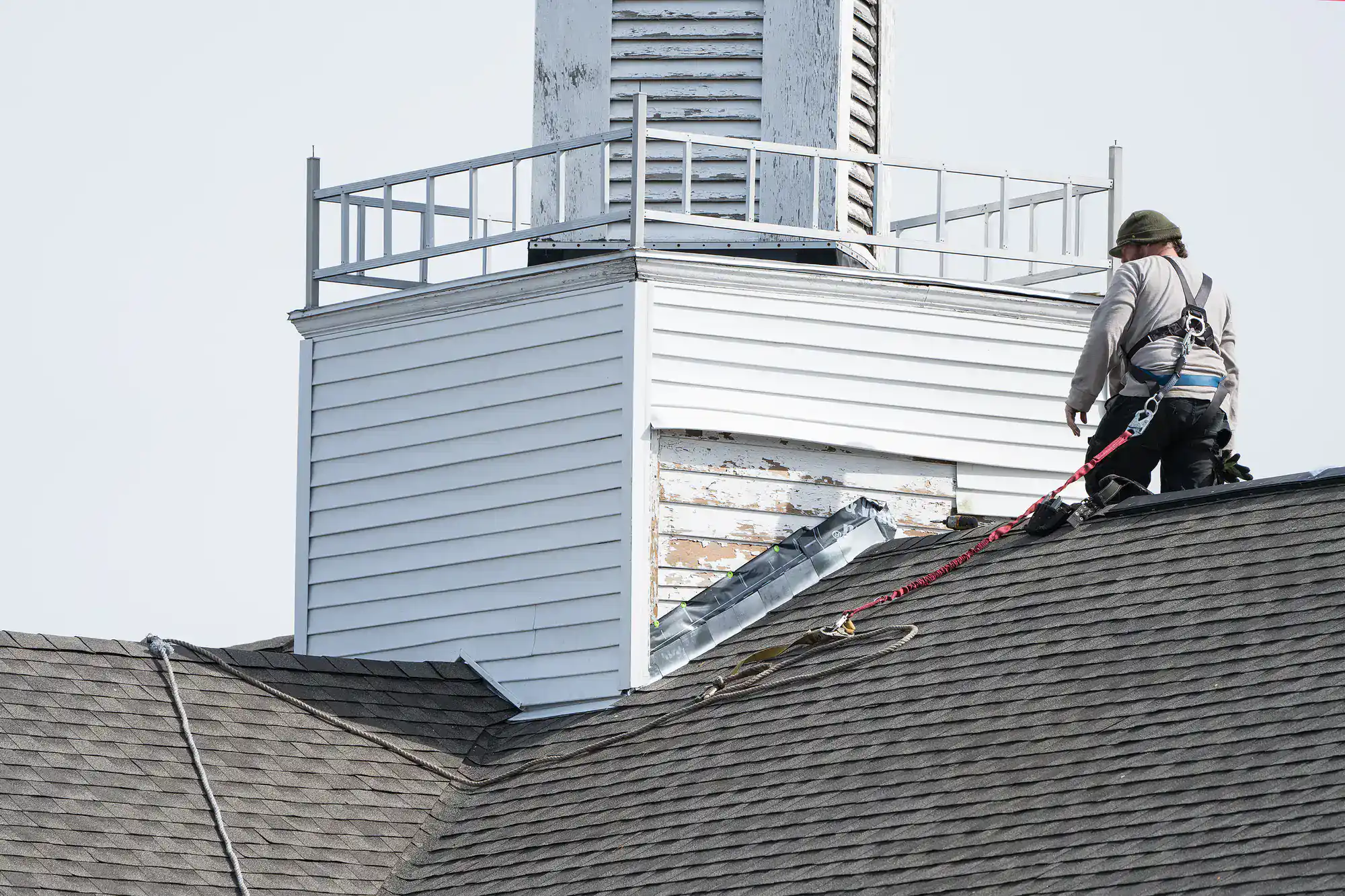
First, we come out and look at the damage. Not just the obvious cracks or loose panels—we check behind and around the problem area to see if water’s already gotten in. That assessment tells you what you’re actually dealing with, not what we hope it is.
Next, we source matching materials. Siding fades over time, so new pieces can stand out dramatically against your existing installation. We maintain supplier relationships specifically to find materials that blend better, and if your siding’s discontinued, we’ll track down the closest match available.
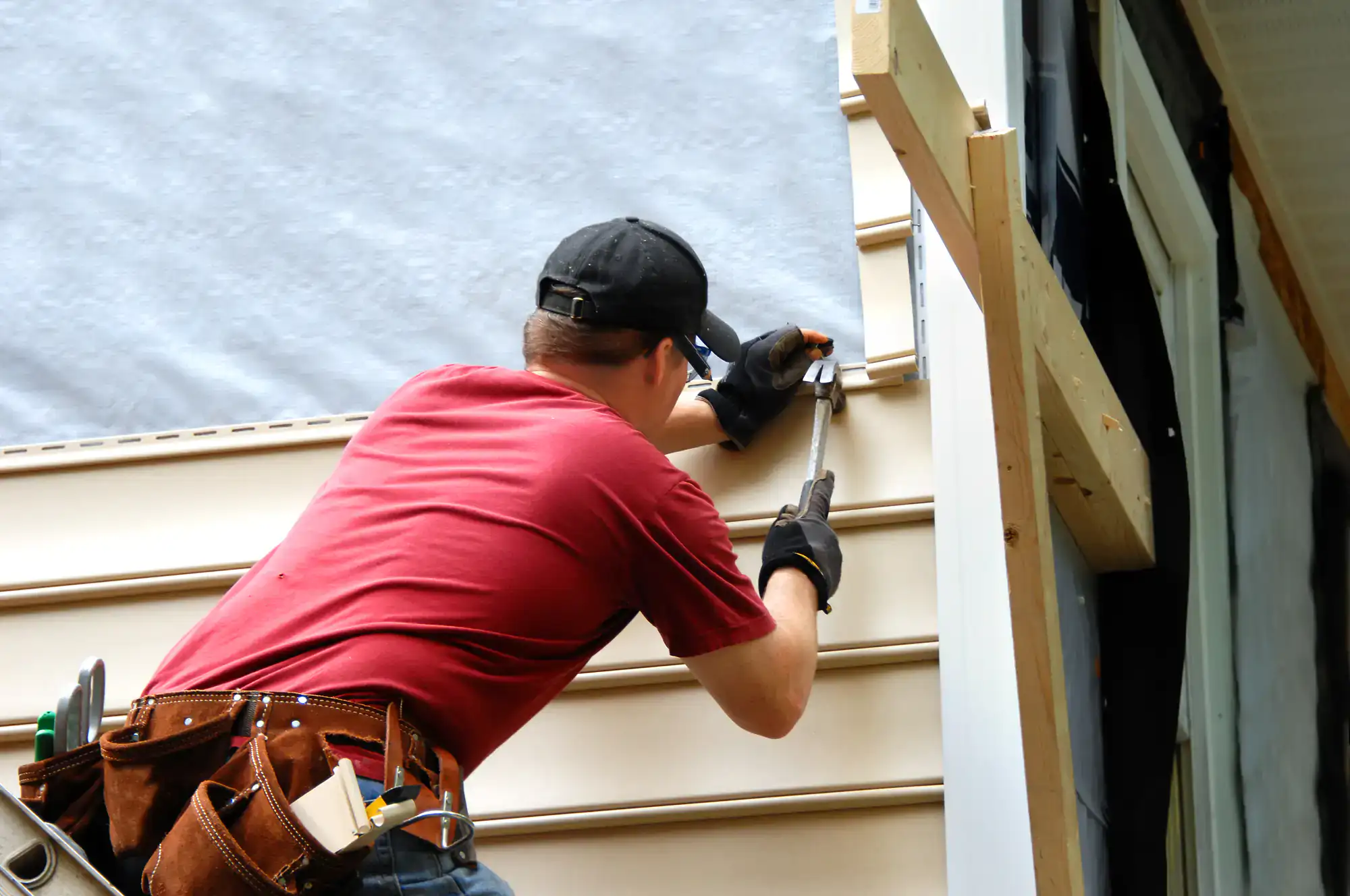
Then we make the repair. We remove damaged sections, check the underlying structure for rot or moisture damage, replace anything that’s compromised, and install new siding that’s sealed properly against future water infiltration. If we find problems beyond the original scope, we tell you before we fix them—no surprise bills.
Most vinyl siding repairs finish in one day. Larger jobs or cedar siding repair might take two. Either way, you know the timeline upfront, and we clean up completely when we’re done.
Ready to get started?
Storm damage is the big one in Lindenhurst. Wind gets under loose panels and peels entire sections away. Hail cracks vinyl. Flying debris punches holes that need patching fast. We handle all of it—from fixing one cracked panel to replacing whole walls after severe weather.
Siding rot repair is another frequent call. Wood siding and trim absorb moisture over time, especially around windows, doors, and corner boards. Once rot starts, it spreads quickly. We cut out compromised wood, treat the area, and install new materials that match your existing siding profile.
Then there’s the small stuff that turns into big problems: fixing loose siding before wind tears it off, patching holes in vinyl siding from lawn equipment or woodpecker damage, repairing aluminum siding trim that’s pulled away from the house, and addressing siding leaking around flashing and chimneys. These repairs usually cost a few hundred dollars now or several thousand later when water damage spreads.
Lindenhurst’s coastal location means your siding takes more abuse than homes inland. Salt air corrodes fasteners. Temperature swings expand and contract materials hundreds of times per year. That’s why we don’t just slap a patch on and leave—we fix the underlying cause so the same problem doesn’t come back next season.
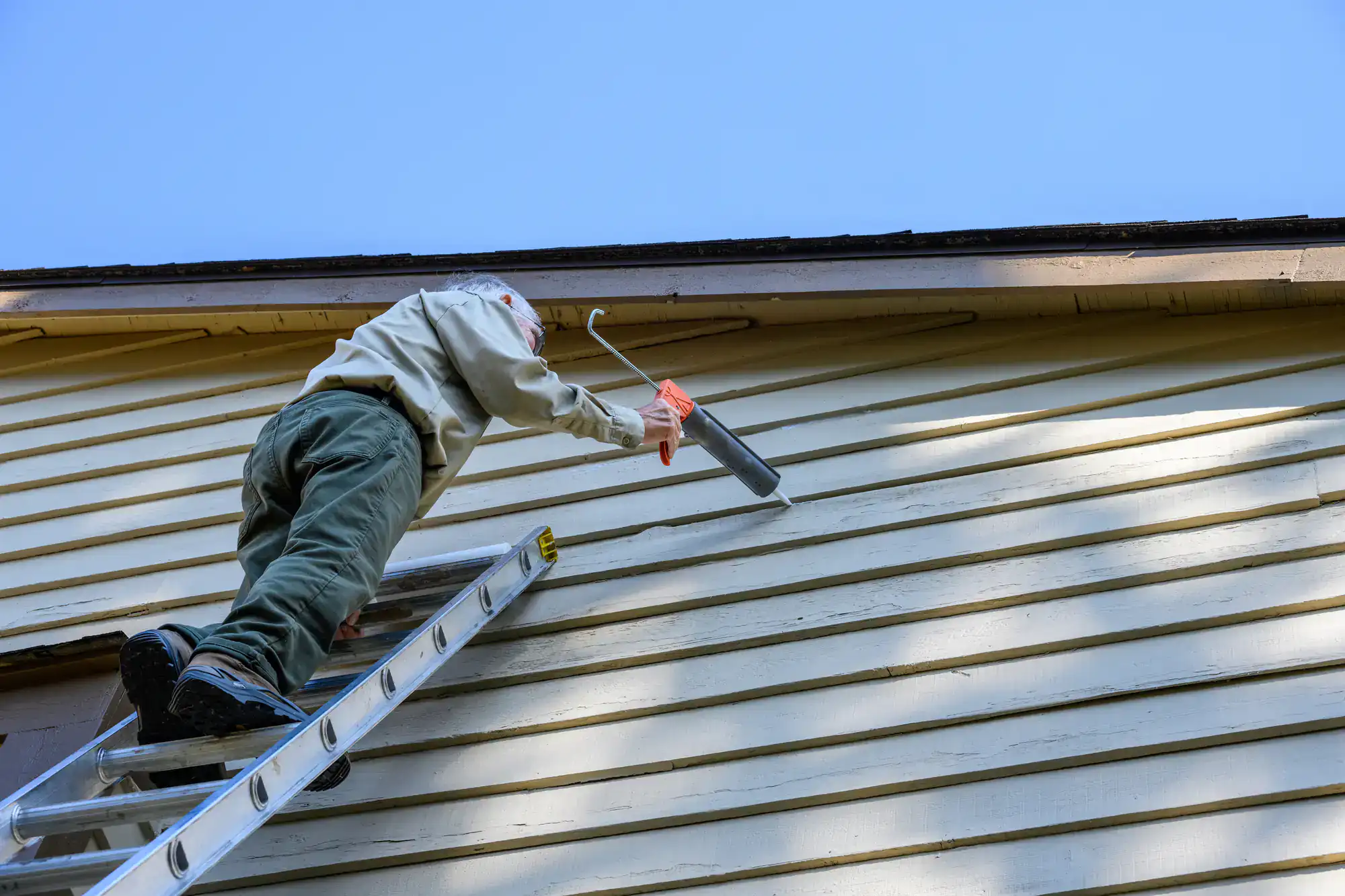
Minor repairs like fixing small cracks or replacing a few damaged panels typically run $200 to $600. That covers the service call, materials, and labor for straightforward fixes that don’t involve underlying structural issues.
Larger repairs—like fixing extensive storm damage, replacing multiple sections, or addressing siding rot that’s spread to sheathing—can cost $1,000 to $3,000 depending on how much material needs replacement and what we find behind the damaged siding. If water’s been getting in for a while, you might need sheathing or insulation work too, which adds to the total.
The real cost question is what happens if you wait. A $400 repair now can easily become a $4,000 problem once water infiltration causes rot, mold, or structural damage. We’ve seen it dozens of times—homeowners put off a simple fix, then call us after the next storm makes everything worse. Getting an honest assessment early saves you money.
Usually, yes—but it takes effort. Siding fades and weathers over time, so brand-new material often looks noticeably different against your existing installation even when it’s technically the same color.
We maintain relationships with suppliers specifically to source materials that blend better with aged siding. Sometimes that means finding discontinued styles or older inventory that’s closer to your current fade level. Other times we can install new panels in less visible areas and move your existing (but still good) siding to the repair spot where it’ll match better.
For older homes where the original siding isn’t made anymore, we find the closest modern equivalent and discuss your options honestly. Sometimes a perfect match isn’t possible, and you need to decide whether a close match works or if you’d rather replace a full wall section for consistency. We’ll show you samples and explain what to expect before we start the work.
Most vinyl siding repairs finish in one day. We show up in the morning, remove the damaged sections, check for underlying issues, install new materials, seal everything properly, and clean up before we leave. You’re not dealing with a multi-week project for standard repairs.
Larger jobs take longer. If we’re replacing entire wall sections, repairing extensive storm damage, or fixing cedar siding that requires custom work, expect two to three days. Weather can extend timelines too—we’re not installing siding in heavy rain or when temperatures drop below manufacturer specifications, because that compromises the installation quality.
Emergency repairs happen faster. If you’ve got a hole in your siding that’s letting water into your walls, we can often get out the same day for temporary weatherproofing, then schedule the permanent repair within a few days once materials arrive. Speed matters when you’re trying to prevent water damage from spreading.
It depends on what caused the damage and what your policy covers. Storm damage—wind, hail, falling trees—is typically covered under most homeowner policies. Gradual wear and tear, rot from deferred maintenance, or damage from insects usually isn’t.
Here’s the math that matters: if your repair costs $2,000 but your deductible is $1,500, you’re only getting $500 from insurance. Filing a claim for minimal payout can raise your rates for years, so sometimes paying out of pocket makes more financial sense. We can provide a detailed estimate that helps you make that calculation before you call your insurance company.
When you do file a claim, professional documentation strengthens your case significantly. Insurance adjusters take contractor estimates seriously because we know what storm damage actually looks like versus normal aging. We can work directly with your adjuster, provide photos and measurements, and explain exactly what needs repair and why. That documentation often means the difference between a claim that gets approved and one that gets denied.
We stop and show you. If we pull off damaged siding and find rot in the sheathing, moisture in the insulation, or structural issues that weren’t visible during the initial assessment, we document it, explain what we’re looking at, and give you a price for fixing it before we do any additional work.
This happens more often than homeowners expect, especially with older damage that’s been hidden behind siding for months or years. Water doesn’t stay in one place—it travels along studs, soaks into insulation, and causes problems far from the original entry point. Finding that damage early is actually good news, because it means you’re catching it before it spreads further.
You always have options. Sometimes the additional work needs to happen immediately to prevent worse damage. Other times you can address it later if budget’s tight. We’ll explain what’s urgent and what can wait, but we won’t hide problems or patch over structural issues just to finish the job faster. You deserve to know what’s actually going on with your home.
Yes. Vinyl’s the most common material we repair in Lindenhurst, but we regularly work on aluminum siding, cedar siding, wood shingle siding, and fiber cement too. Each material has different repair requirements, and we’ve got the experience to handle all of them correctly.
Aluminum siding repair often involves straightening dents, replacing damaged panels, and fixing trim that’s pulled away from the house. Aluminum doesn’t rot, but it dents easily and the finish can corrode in coastal environments. We can sometimes repair minor dents without replacement, which saves you money.
Cedar siding repair is more involved. Wood absorbs moisture, so we’re checking carefully for rot, treating the underlying structure, and making sure new cedar is properly primed and sealed before installation. Cedar also requires matching grain patterns and stain colors, which takes more time than vinyl but produces better results when done right. If you’ve got woodpecker damage—common with cedar—we fix the holes and can install deterrents to prevent future damage.
Other Services we provide in Lindenhurst