Summary:
How Suffolk County's climate affects cedar shake roofs
Cedar is an organic material. That’s what makes it beautiful, but it also means it responds to everything happening around it—moisture, temperature, UV exposure, all of it.
In Suffolk County, NY, you’re dealing with a coastal climate that stays humid most of the year. That moisture doesn’t just sit on the surface of your shakes. It gets into the wood, and when it doesn’t have a chance to dry out completely, that’s when problems start. Add salt air from living near the water, and you’ve got conditions that accelerate wear faster than you’d see in drier parts of the country.
Your roof expands when it’s hot and humid, contracts when it’s cold and dry. Those cycles put stress on the wood over time, especially around fasteners and edges where shakes overlap.
Why moss and algae grow on wood shingle roofing in humid climates
Moss needs three things to thrive: moisture, shade, and something organic to grow on. Your cedar roof checks all those boxes, especially if you’ve got trees nearby or sections that don’t get much direct sunlight.
When moss takes hold, it doesn’t just sit there looking green. It acts like a sponge, holding water against the wood long after the rain stops. That constant moisture is what leads to rot. You’ll see it start in the gaps between shakes where water pools, or on the north-facing sections that stay damp longer.
Algae shows up as dark streaks or patches. It’s not as destructive as moss, but it’s a sign that moisture is sticking around too long. Both moss and algae spread through spores, so once you’ve got a small patch, it’ll keep expanding if you don’t address it.
The humidity in Suffolk County, NY means your roof stays damp more days of the year than it would in drier climates. That extra moisture time is all moss needs to establish itself. Once it’s growing, it lifts the edges of your shakes slightly as it expands, which creates even more places for water to get in.
You’ll typically see moss growth start in shaded areas first—under tree branches, on sections facing away from prevailing winds, anywhere that doesn’t get good air circulation. If your property has a lot of tree cover, you’re at higher risk. The organic debris that falls from those trees—leaves, pine needles, small twigs—creates the perfect environment for moss to take hold.
What rot looks like and why cedar shake repair becomes necessary
Rot doesn’t announce itself with a leak right away. By the time water’s coming through your ceiling, you’ve already got significant damage happening in the roof structure.
Early signs are more subtle. The wood starts feeling soft or spongy when you press on it. You might notice shakes that are darker than the rest, or areas where the wood looks like it’s starting to crumble at the edges. Sometimes you’ll see white or brown fungal growth on the surface, which is a clear indicator that moisture has been present long enough for decay to set in.
Cedar naturally resists rot better than many other woods, but it’s not immune. When the wood stays wet for extended periods—whether from trapped moisture under debris, poor drainage, or moss holding water against the surface—the natural oils that protect it start breaking down. That’s when fungi move in and start decomposing the wood fibers.
In Suffolk County’s humid climate, the risk is higher because your roof doesn’t get those long dry periods that would naturally kill off fungal growth. Summer humidity keeps moisture levels elevated even on days when it’s not raining. Winter brings snow that melts and refreezes, creating ice dams that force water up under shakes.
The areas most vulnerable to rot are where water tends to collect or drain slowly: valleys where two roof planes meet, around chimneys and skylights, along the edges where gutters attach, and anywhere debris accumulates. If you’ve got a section of roof that’s shaded and doesn’t dry out quickly after rain, that’s another high-risk area.
Once rot starts, it spreads. The damaged wood becomes weaker and more porous, which means it absorbs even more water, which accelerates the decay. Left alone, rotted shakes will eventually need cedar shake repair or complete replacement, and if the rot has spread to the underlayment or roof deck, you’re looking at a much more extensive roofing repair project.
Cedar roof maintenance schedule for New York homes
There’s conflicting information out there about how often cedar roofs need maintenance. Some sources say annually, others say every five years. The reality? It depends on your specific situation—your roof’s age, how much shade you have, how much debris accumulates, and how humid your particular microclimate is.
For most Suffolk County, NY homes, a good baseline is a professional inspection twice a year—once in spring after winter weather is done, and once in fall before the heavy weather season starts. Between those inspections, you should be doing your own visual checks, especially after major storms.
Every two to four years, your roof will need more intensive maintenance: cleaning, treatments, and any necessary repairs. This is where residential roofing services make the biggest difference, because experienced contractors know what to look for and how to treat cedar without damaging it.
Signs your cedar roof needs professional attention
You don’t need to climb on your roof to spot most problems. From the ground with binoculars, or from a ladder at the edge, you can see enough to know if something needs attention.
Look for shakes that are curling at the edges or cupping in the middle. Check for any that are cracked, split, or missing entirely. Dark stains or discoloration can indicate moisture problems. Green patches are moss. If you see any shakes that look like they’re lifting or not lying flat, that’s a sign that fasteners may have failed or the wood has warped.
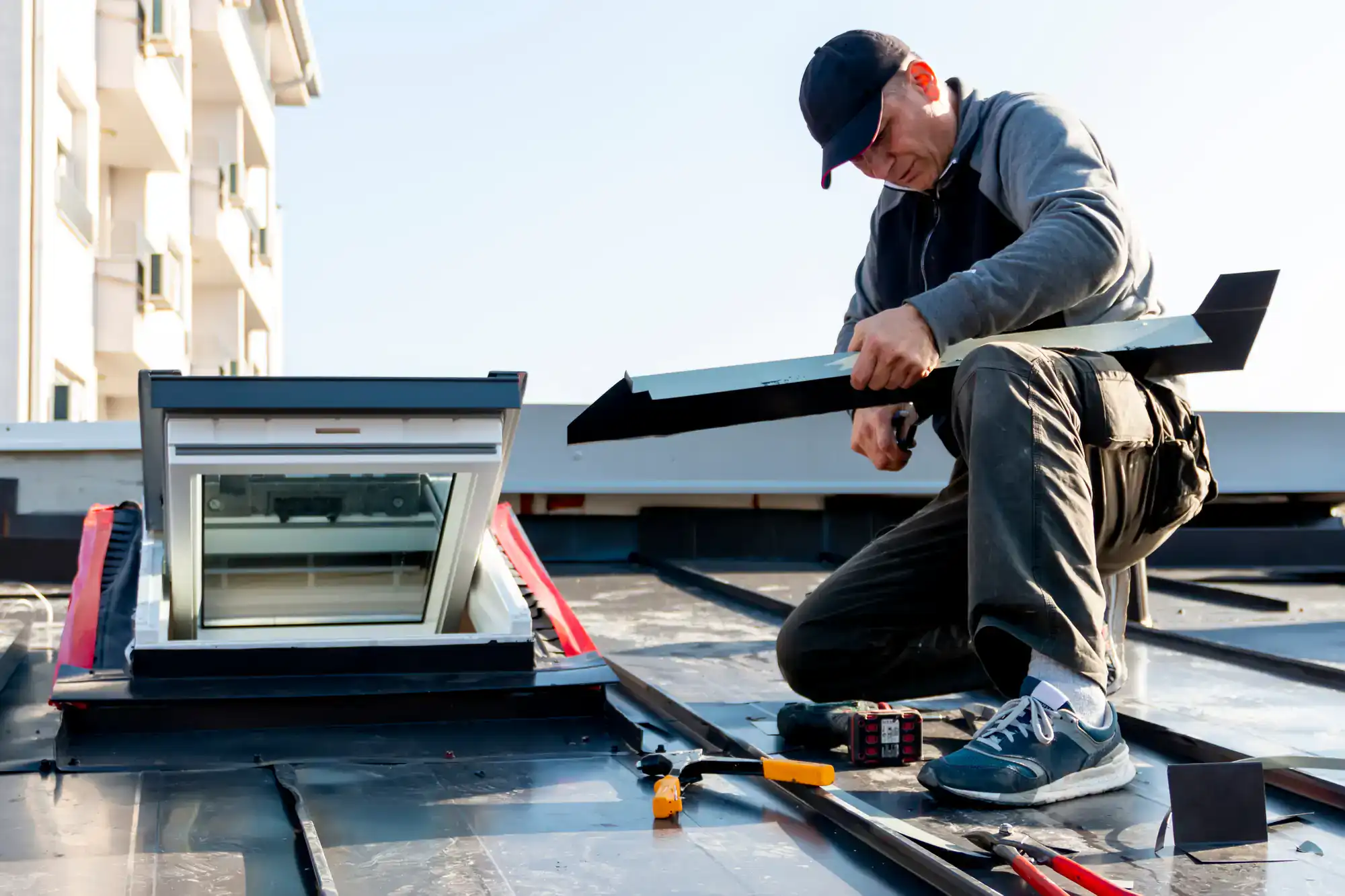
Pay attention to areas where different roof planes meet, around chimneys, skylights, and vents. These are the most common spots for problems to develop because they’re where water naturally concentrates. Check your gutters too—if they’re full of wood pieces or excessive debris, that’s telling you something about your roof’s condition.
Inside your attic, look for any signs of water intrusion: stains on the underside of the roof deck, wet or compressed insulation, daylight coming through anywhere it shouldn’t, or a musty smell that indicates moisture. These interior signs often show up before you’ll see obvious damage from outside.
After storms, do a walk-around. High winds can lift shakes, heavy rain can expose weak spots, and falling branches can cause direct damage. The sooner you catch storm damage, the less likely it is to turn into a bigger roofing repair issue. Most insurance policies have time limits for filing claims, so documenting damage quickly matters.
If you spot any of these issues during your inspection, that’s when you call in residential roofing services that work with cedar specifically. Not every roofing company has experience with wood shingle roofing, and the techniques that work for asphalt shingles can actually damage cedar. You want someone who understands the material and knows how it behaves in Suffolk County’s climate.
Cleaning and treatment strategies that extend roof lifespan
Cleaning isn’t just about appearance. It’s about removing the organic material and growth that hold moisture against your roof and create conditions for decay.
Professional cedar roof cleaning typically happens every five to seven years, though you might need it more frequently if you have heavy tree cover or your roof stays shaded. The key is using the right method. High-pressure washing can strip away the soft wood fibers and damage the surface, actually making your roof more vulnerable to moisture and decay. The better approach is soft-bristle brushing combined with appropriate cleaning solutions, followed by a low-pressure rinse.
Between professional cleanings, you should be clearing debris yourself. Leaves, pine needles, and twigs trap moisture and create the perfect environment for moss and algae. A few times a year, especially in fall after leaves drop and in spring after winter debris accumulates, get up there with a leaf blower or soft brush and clear everything off. Don’t use metal tools that can gouge the wood.
Protective treatments are what extend your roof’s life from 20 years to 30 or 40. These include preservatives that replace the natural oils cedar loses over time, water repellents that help moisture shed off instead of soaking in, and treatments that inhibit moss and algae growth. Some homeowners also choose fire-retardant treatments, which is worth considering given how dry cedar can get in summer.
The frequency of treatments depends on the product used and your roof’s exposure, but generally you’re looking at every one to three years. Residential roofing services experienced with cedar can assess your specific situation and recommend the right schedule. They’ll also know which products work best in humid coastal climates versus what might be recommended for drier regions.
Zinc or copper strips installed along the ridge can help prevent moss growth on the sections below them. When it rains, small amounts of metal ions wash down the roof, creating an environment where moss struggles to establish. These strips aren’t a complete solution on their own, but they’re a useful tool as part of a broader maintenance strategy.
Protecting your cedar shake investment in Suffolk County, NY
Your cedar shake roof is one of the most distinctive features of your home, and with the right care, it’ll protect your house and maintain its beauty for decades. The key is understanding that Suffolk County’s humid coastal climate requires a proactive approach—waiting until you see obvious problems means you’re already behind.
Regular inspections catch small issues before they become expensive roofing repair projects. Consistent cleaning removes the conditions that lead to moss and rot. Proper treatments preserve the wood and extend its lifespan. It’s not complicated, but it does require attention and working with contractors who actually understand wood shingle roofing in New York’s climate.
If you’re not sure where your roof stands right now or what it needs, that’s where we come in. We’ve worked with cedar roofs throughout Suffolk County, NY long enough to know exactly what holds up in this climate and what fails. We can assess your roof’s current condition, recommend a maintenance plan that makes sense for your specific situation, and handle the work with the kind of attention to detail that comes from generations of construction experience.