Summary:
Missing or Damaged Shingles After Suffolk County Storms
Suffolk County’s coastal location makes it a target for powerful nor’easters, hurricanes, and sudden summer squalls. These weather events create high winds that can lift, crack, or completely remove shingles from your roof.
After any major storm, walk around your property and look up at your roofline. Missing shingles are obvious, but damaged ones might be harder to spot from the ground. Look for shingles that appear curled at the edges, cracked down the middle, or sitting at odd angles.
Don’t wait to address missing or damaged shingles. Each compromised shingle exposes your roof’s protective underlayment to rain and UV rays, causing rapid deterioration. Once the underlayment fails, water penetrates directly into your roof deck and home interior.
How Wind Damage Affects Different Shingle Types in Suffolk County
Suffolk County homes feature various roofing materials, each responding differently to wind damage. Understanding your roof type helps you identify potential problems more effectively.
Asphalt shingles, the most common choice in Suffolk County, become vulnerable when winds exceed 60 mph. The adhesive strips that hold shingles in place can fail, causing them to lift and eventually tear away. You’ll often find these shingles in your yard or gutters after a storm.
Architectural shingles offer better wind resistance but aren’t immune to damage. These thicker, multi-layered shingles can develop stress cracks where they bend during high winds. While they might not blow off entirely, these cracks create pathways for water infiltration that can cause serious problems.
Cedar shake roofs, popular in some Suffolk County neighborhoods, face unique challenges. Individual shakes can split along the grain during wind events, creating gaps that allow water penetration. The natural expansion and contraction of wood also makes cedar shakes more susceptible to loosening over time.
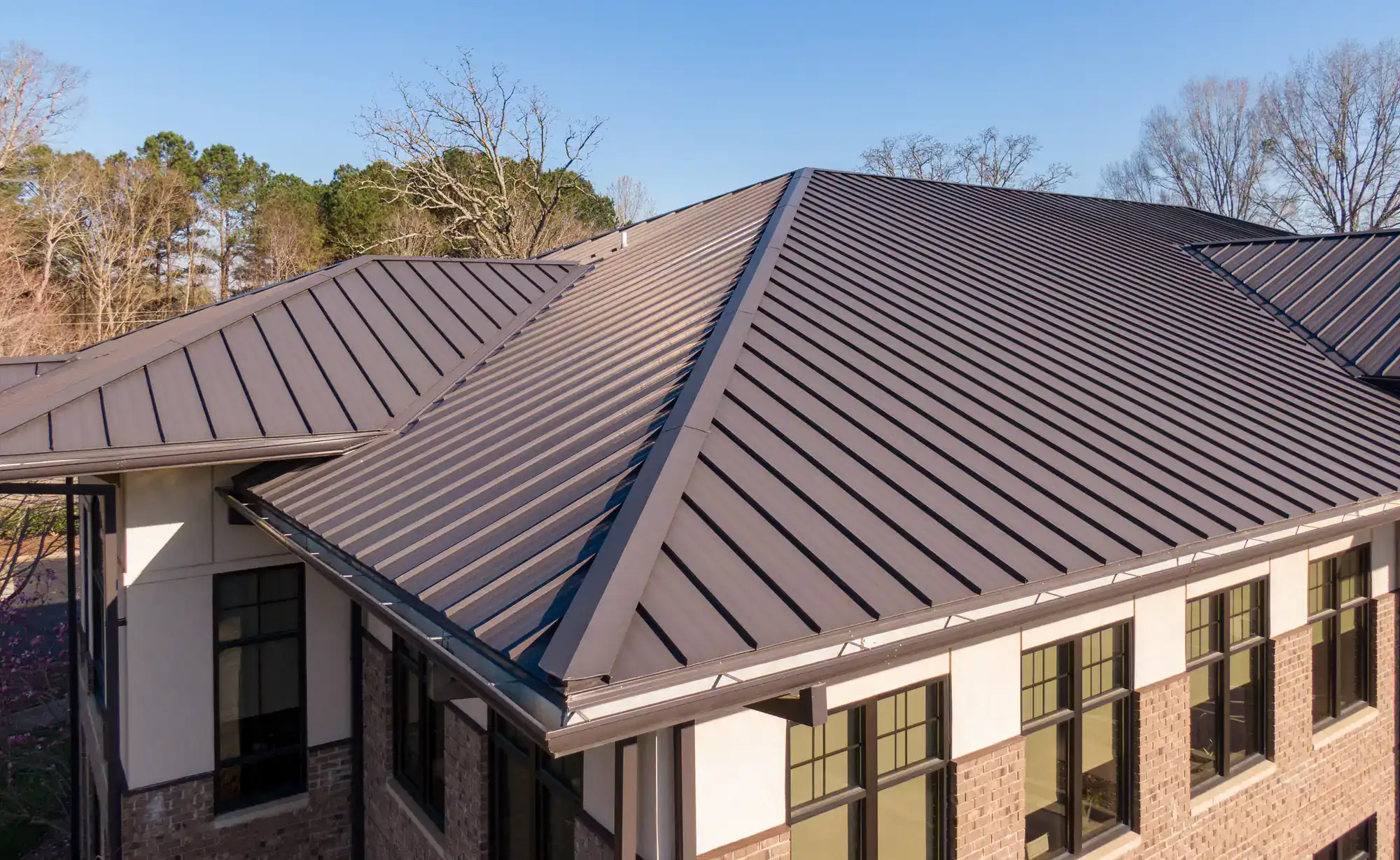
Metal roofing systems, while generally more wind-resistant, can suffer from fastener failure or panel separation during extreme weather. The constant flexing during high winds can work screws loose, creating small holes that lead to leaks.
Regular post-storm inspections become crucial regardless of your roofing material. What looks like minor damage from the ground might represent significant structural compromise that requires immediate professional attention to prevent costly repairs down the road.
When Shingle Granule Loss Signals Serious Problems
Granule loss from asphalt shingles is one of the most overlooked warning signs of roof problems in Suffolk County homes. These small, sand-like particles protect your shingles from UV damage and provide fire resistance. When you start finding significant amounts of granules in your gutters or downspouts, your roof is telling you something important.
New roofs typically shed some granules during the first year as loose particles wash away. However, excessive granule loss on an established roof indicates accelerated aging, often caused by Suffolk County’s harsh weather conditions. Hail damage, extreme temperature fluctuations, and prolonged UV exposure all contribute to granule loss.
Areas of your roof that lose granules become vulnerable to rapid deterioration. Without this protective layer, the asphalt mat underneath begins breaking down, leading to cracks, curling, and eventual water infiltration. You might notice these areas appearing darker or discolored compared to surrounding shingles.
Pay particular attention to granule accumulation after storms. If you find large quantities of granules in your gutters following a weather event, it could indicate hail damage even if you didn’t notice hail during the storm. Small hailstones can cause significant granule loss without creating obvious impact marks.
Don’t ignore this warning sign. Shingles that have lost their granule protection will fail much faster than expected, potentially requiring premature roof replacement if not addressed promptly. Professional inspection can determine whether granule loss represents normal aging or indicates underlying damage requiring immediate repair.
The key is distinguishing between normal granule shedding and problematic loss. If you’re seeing granules regularly, not just after storms or during seasonal cleaning, it’s time to have your roof professionally evaluated before small problems become expensive emergencies.
Water Stains and Interior Leak Signs in Suffolk County Homes
Water stains on your ceiling or walls are never a good sign, but in Suffolk County’s wet climate, they’re often the first indication of serious roof problems. These stains typically appear as brown or yellow discoloration, sometimes with a darker ring around the edges.
The tricky thing about water stains is that they don’t always appear directly below the leak source. Water can travel along rafters, insulation, or other structural elements before dripping into your living space. A stain in your living room might actually originate from a leak in a completely different area of your roof.
Fresh water stains feel damp to the touch and may have a musty odor. Older stains appear dry but indicate previous water intrusion that could have caused hidden damage to your home’s structure.
Understanding Water Damage Patterns from Suffolk County Weather
Suffolk County’s unique weather patterns create specific types of water intrusion that you should recognize. Understanding these patterns helps you identify the likely source of leaks and communicate effectively with roofing professionals.
Ice dam leaks typically occur during winter months and create water stains along exterior walls, particularly in areas where your roof meets the wall. These leaks happen when melting snow refreezes at roof edges, creating dams that force water under shingles. The resulting stains often appear in a linear pattern following the roofline.
Storm-driven rain can penetrate even small roof openings when accompanied by high winds. These leaks often create scattered water stains that might not follow obvious patterns. Wind-driven rain can force water through normal roof joints that would otherwise shed water effectively.
Coastal humidity and salt air in Suffolk County can accelerate the deterioration of your roofing materials, creating small openings that allow consistent, low-level water infiltration. This type of leak creates gradual staining that might be dismissed as minor discoloration until the damage becomes extensive.
Condensation problems, while not technically leaks, can create water stains that mimic roof leaks. Poor attic ventilation combined with Suffolk County’s humid summers can cause moisture to condense on roof decking and drip into living spaces. These stains typically appear during hot, humid weather and might disappear during drier conditions.
Flash flooding and heavy rainfall events can overwhelm your gutters and downspouts, causing water to back up under roof edges. This creates water stains along exterior walls and might be accompanied by water intrusion around windows and doors.
Recognizing these different water damage patterns helps you provide valuable information to roofing professionals, leading to faster diagnosis and more effective repairs that address the root cause rather than just the symptoms.
Hidden Signs of Water Damage Suffolk County Homeowners Miss
Many Suffolk County homeowners focus on obvious water stains while missing subtler signs of water damage that can indicate serious roofing problems. These hidden indicators often provide earlier warning than visible stains, allowing for intervention before major damage occurs.
Musty odors in your attic or upper floors often indicate water infiltration even when no visible stains are present. This smell typically comes from mold growth on damp insulation or wooden structural elements. In Suffolk County’s humid climate, even small amounts of water intrusion can create ideal conditions for mold development that threatens your family’s health.
Peeling paint or wallpaper near the ceiling line can indicate moisture infiltration from above. Water doesn’t always create obvious stains immediately; instead, it can cause gradual moisture buildup that affects paint adhesion and wallpaper integrity. This is particularly common in Suffolk County homes where coastal humidity compounds the problem.
Warped or sagging ceiling tiles provide another subtle indicator of water problems. Even small amounts of moisture can cause ceiling materials to lose their structural integrity, creating visible warping or sagging before obvious water stains appear.
Increased energy bills might seem unrelated to roofing problems, but water-damaged insulation loses its effectiveness dramatically. If your heating or cooling costs have increased without obvious explanation, water infiltration might have compromised your attic insulation’s performance, costing you money every month.
Rust stains on metal fixtures or nails in your attic indicate moisture exposure. Even if you don’t see active water intrusion, the presence of rust suggests ongoing humidity problems that could lead to structural damage over time if not addressed.
Efflorescence, or white chalky deposits on masonry surfaces, indicates water movement through building materials. While not always roof-related, these deposits around chimney areas or where your roof meets masonry walls can indicate flashing problems or other roof-related water intrusion that needs professional attention.
Protecting Your Suffolk County Home with Prompt Roof Repair
Recognizing these five critical warning signs—missing or damaged shingles, granule loss, water stains, sagging areas, and interior moisture indicators—can save you thousands of dollars in emergency repairs. The key is acting quickly when you notice any of these indicators rather than waiting for problems to worsen and potentially threaten your home’s structural integrity.
Suffolk County’s challenging weather conditions mean that minor roof issues can escalate rapidly into major problems that affect your family’s safety and your home’s value. Professional inspection and repair protect both your investment and your peace of mind during the next storm season.
For reliable roof repair services that understand Suffolk County’s unique challenges, contact SkyLuxe Construction Inc. We combine decades of local expertise with quality materials designed to withstand Long Island’s demanding weather conditions, ensuring your repairs last.