Summary:
Why Full Exterior Restoration Makes Sense for Suffolk County Homes
Let’s talk about what your home’s exterior actually faces here in Suffolk County. We’re not dealing with mild, predictable weather—we’re on the front lines of Atlantic coastal conditions that test every component of your home’s protective envelope.
Since 1930, 45 hurricanes have impacted Suffolk County. That’s not ancient history—that’s a consistent pattern of severe weather events that will continue. Add in our 25-40 inches of annual snowfall, constant salt exposure from ocean proximity, and freeze-thaw cycles that expand and contract materials hundreds of times per year, and you’ve got conditions that age exterior components faster than almost anywhere else in the country.
The August 2024 flooding wasn’t an anomaly—it was classified as a 1-in-1000-year event that exceeded records set during Hurricane Ida. But here’s the thing about “1-in-1000-year” events: climate patterns are changing, and what used to be rare is becoming more frequent. Your home’s exterior needs to be ready for these increasingly intense weather patterns.
When we evaluate homes for full exterior restoration, we’re not just looking at individual components—we’re assessing how well your entire protective system can handle the specific challenges of coastal Long Island living. A roof that would last 25 years in Arizona might only give you 18-20 years here because of our unique environmental stressors.
The Hidden Cost of Piecemeal Repairs
Here’s a scenario we see constantly: a homeowner replaces their roof for $15,000, thinking they’ve solved their exterior problems. Two years later, they realize their aging siding is allowing moisture infiltration that’s compromising the new roof’s performance. Now they’re replacing siding for another $20,000, but the installation process requires removing sections of the relatively new roof, risking damage and voiding warranties.
The total cost? $35,000-plus, spread over multiple years of construction disruption, with compromised performance in between.
Compare that to a coordinated full exterior restoration: $30,000 completed in a single timeline, with every component installed in the proper sequence, working together from day one. The math isn’t complicated—the piecemeal approach costs more in both money and peace of mind.
But the financial waste is only part of the story. There’s also the opportunity cost of living with a partially protected home. During those two years between the roof replacement and the siding project, you’re still losing energy through inefficient siding. You’re still dealing with moisture issues. You’re still watching your home value lag behind comparable properties with complete, updated exteriors.
We’ve seen emergency repairs turn into full restoration projects after homeowners waited too long. That $15,000 roof replacement becomes a $40,000 restoration when water damage from failing siding compromises the roof deck and interior structure. Prevention through comprehensive restoration isn’t just smart—it’s significantly more affordable than crisis management.
The Proper Installation Sequence Matters
One of the biggest mistakes we see is homeowners or inexperienced contractors tackling exterior projects in the wrong order. There’s actually a specific sequence that ensures optimal performance and prevents damage: roof first, then windows, followed by siding, and finally gutters.
Why does this matter? Because some components overlap. Siding sections need to be secured under roof shingles. Roof flashing requires siding removal for proper installation. If you replace siding first and then tackle the roof, the roofing crew will inevitably damage your new siding. If you install gutters before siding, the siding installation will require gutter removal and reinstallation—double the labor, double the cost, and increased risk of improper reinstallation.
When we manage a full exterior restoration, we control the entire sequence. Our crews understand how each component integrates with the others. We’re not coordinating between separate contractors who may or may not communicate effectively—we’re executing a unified plan that ensures every element is installed in the right order, at the right time, with proper integration.
This coordinated approach also prevents the common problem of new components being damaged by old, failing systems. We’ve seen beautiful new siding ruined by old gutters that couldn’t handle rainfall, allowing water to cascade down and stain or damage the fresh installation. We’ve seen new roofs compromised by moisture infiltrating through aging siding. When everything is replaced together, these compatibility issues disappear.
The SkyLuxe Approach to Complete Exterior Renovation
Think of your home’s exterior like a symphony orchestra—every instrument needs to be in tune and playing together for the performance to work. A virtuoso violinist can’t save a performance if the rest of the orchestra is out of sync. Your home’s exterior works the same way.
Our synchronized protection system approach means we evaluate and address your roof, siding, gutters, and chimney as interconnected components, not isolated projects. We look at how water flows from your roof through your gutter system. We examine how your siding integrates with roof flashing to prevent moisture infiltration. We assess whether your chimney’s condition could compromise your new roof’s longevity.
This comprehensive perspective allows us to identify vulnerabilities that single-trade contractors often miss. A roofing specialist might not notice that your siding’s deterioration is allowing moisture behind the roof’s edge flashing. A siding contractor might not realize that your gutters are undersized for your roof’s square footage, which will eventually damage the new siding they’re installing.
When we coordinate the entire restoration, we ensure that every component is sized, specified, and installed to work together. Your gutters are matched to your roof’s water volume. Your siding’s moisture barrier integrates properly with your roof’s water management system. Your chimney’s flashing is installed during the roofing process, not as an afterthought that requires cutting into a finished roof.
The result isn’t just aesthetic cohesion—it’s functional integration that maximizes the lifespan and performance of every component. Your investment doesn’t just look better; it protects better and lasts longer.
Coastal Climate Expertise
Suffolk County’s coastal location creates exterior challenges that require specialized knowledge and materials. The salt air that makes our beaches beautiful is corrosive to standard building materials. The moisture-laden winds that blow in from the Atlantic penetrate every gap and seam. The freeze-thaw cycles that come with our winters expand and contract materials in ways that accelerate aging.
We don’t use the same materials and techniques that work in inland locations. We specify professional-grade sealants formulated specifically to handle salt exposure. We use roofing materials with enhanced wind resistance ratings because we know Suffolk County faces sustained winds that exceed standard building code assumptions. We install siding with moisture management systems designed for high-humidity coastal environments.
Our decades of experience working exclusively in Suffolk County mean we understand the specific failure patterns that affect homes in different microclimates throughout the area. Homes near the water face different challenges than homes a few miles inland. Properties with significant tree coverage have different moisture management needs than those in open areas.
This local expertise translates into material selections and installation techniques that are optimized for your specific location and exposure. We’re not applying generic best practices—we’re implementing solutions proven effective through decades of performance in Suffolk County’s unique conditions.
When insurance companies recognize the value of impact-resistant roofing in our area, it’s because they understand the statistical reality of coastal storm exposure. We help homeowners navigate these considerations, ensuring that your exterior restoration not only protects your home but also potentially reduces your insurance costs.
Customized Solutions for Every Home
We’ve never met two identical homes, and we’ve never provided two identical solutions. Every property has unique architectural features, exposure patterns, existing condition issues, and homeowner priorities that require customized approaches.
Some homeowners prioritize maximum energy efficiency and want premium insulated siding paired with reflective roofing materials. Others focus on low-maintenance durability and prefer fiber cement siding with architectural shingles rated for extended lifespans. Some need to match specific architectural styles to maintain neighborhood character or historical accuracy.
Our consultation process starts with understanding your goals, concerns, and budget parameters. We then conduct a thorough assessment of your home’s current condition, identifying not just obvious issues but also underlying problems that could compromise a new installation. We look at ventilation adequacy, structural integrity, moisture damage, and compatibility with existing systems that aren’t being replaced.
Based on this comprehensive evaluation, we develop a customized restoration plan that addresses your specific needs. We present material options with honest assessments of the performance, maintenance, and cost differences. We explain the trade-offs between different approaches so you can make informed decisions that align with your priorities.
This isn’t a one-size-fits-all process where we try to sell every homeowner the same package. It’s a collaborative consultation where we apply our expertise to your unique situation, creating a solution that makes sense for your home, your family, and your budget.
Components of Full Exterior Restoration
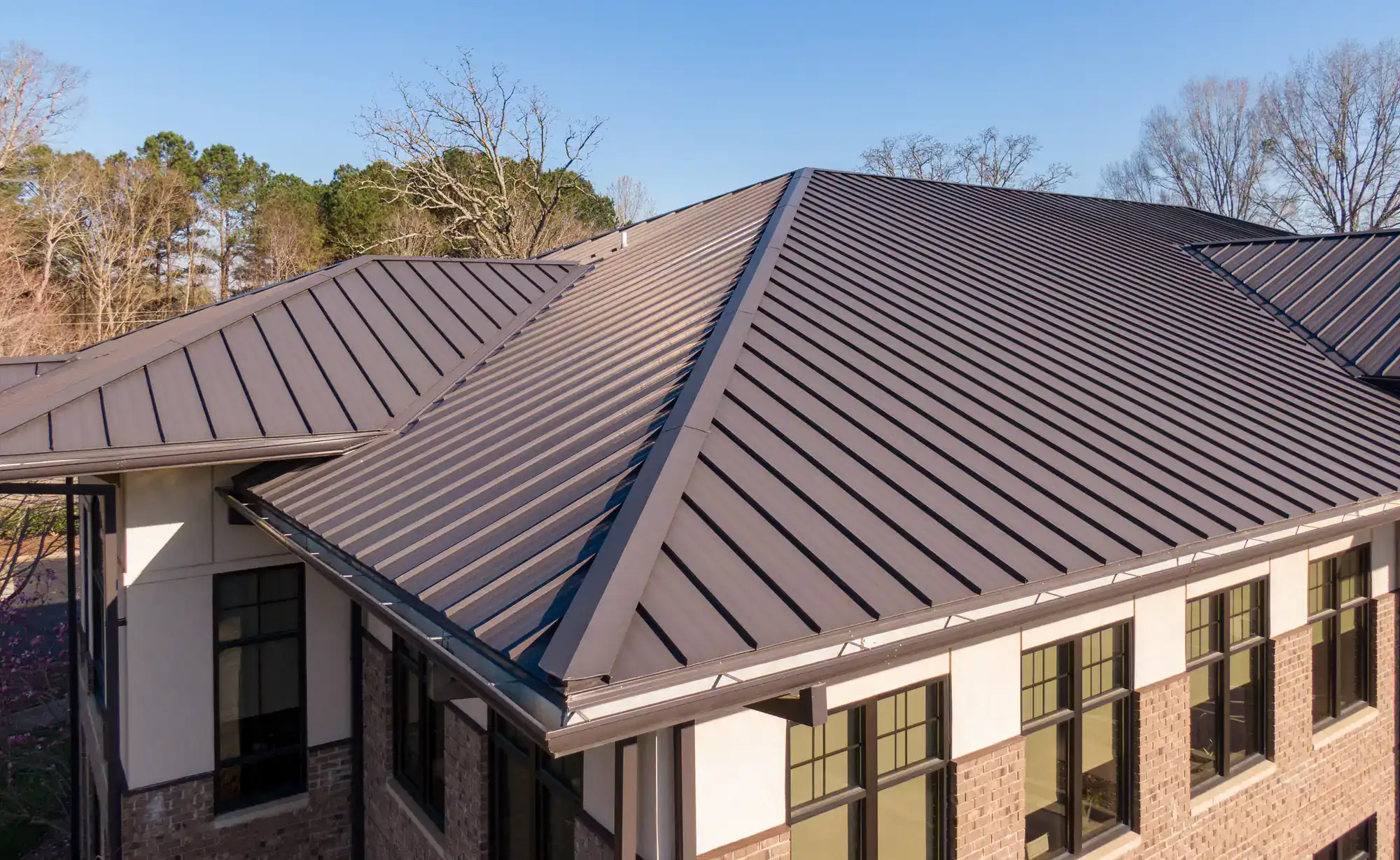
Your roof is the primary defense against Suffolk County’s weather extremes, and modern roofing systems offer dramatic improvements over materials from even 10-15 years ago. Today’s architectural shingles provide enhanced wind resistance, impact protection, and energy efficiency that older three-tab shingles simply can’t match.
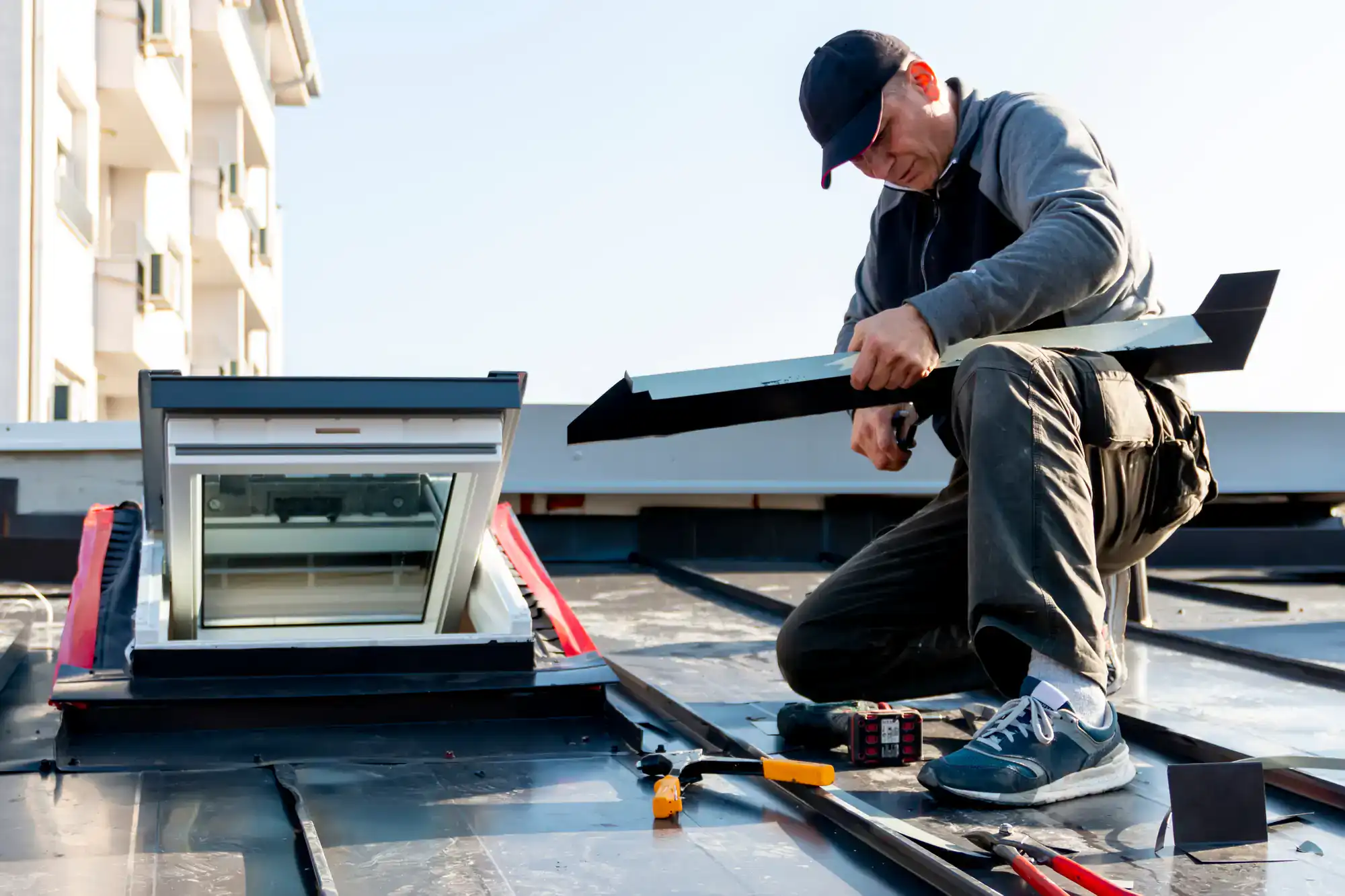
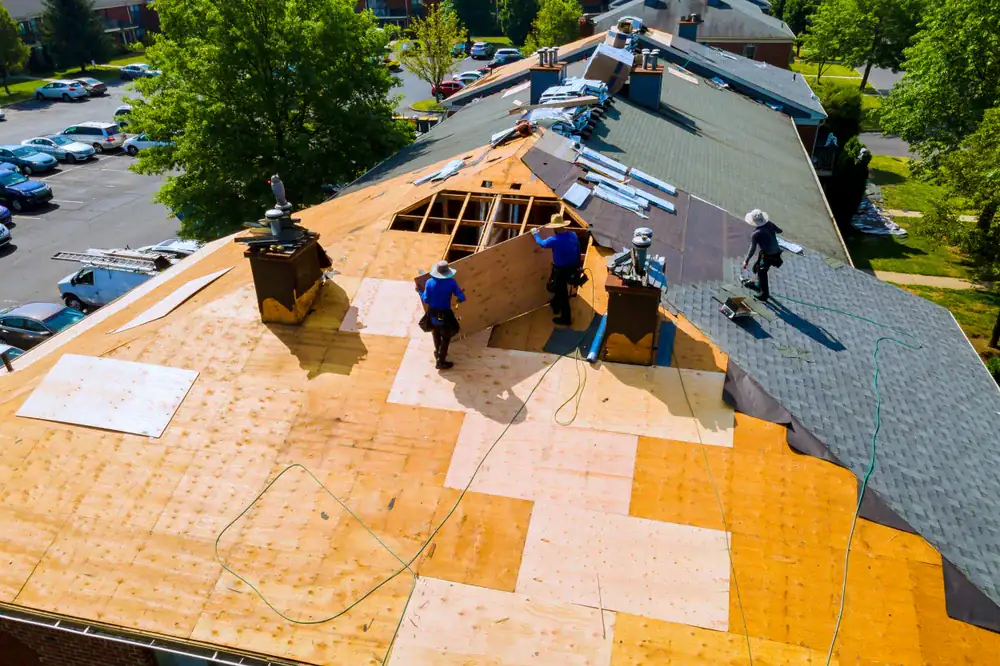
When we replace your roof as part of a full exterior restoration, we’re not just swapping old shingles for new ones. We’re evaluating and upgrading the entire roofing system—decking, underlayment, ventilation, flashing, and surface materials. We look for hidden damage from previous leaks or inadequate ventilation. We assess whether your attic ventilation meets current standards for preventing ice dams and extending shingle life.
Modern roofing underlayments provide secondary water barriers that dramatically improve leak resistance. Synthetic underlayments outperform traditional felt paper in durability and water resistance, especially in our coastal climate. Proper ventilation systems prevent the heat and moisture buildup that ages shingles prematurely and drives up cooling costs.
We also evaluate whether your roof’s current design creates water management problems. Sometimes minor design modifications—adding cricket diverters behind chimneys, improving valley configurations, or enhancing edge water management—can prevent the chronic leak issues that plagued the old roof.
The energy efficiency improvements from modern roofing systems can reduce cooling costs by up to 25% through reflective technology and improved ventilation. In Suffolk County’s climate, where we run air conditioning from May through September, these savings add up quickly. Over a roof’s 20-25 year lifespan, the energy savings can offset a significant portion of the installation cost.