Hear from Our Customers

When your cedar roof is installed right, you’re looking at 30 to 50 years of protection. That’s decades without worrying about leaks, storm damage, or costly emergency repairs.
Cedar roofing isn’t just about looks—though the natural grain and weathered patina do make your home stand out in East Quogue. It’s about choosing a material that actually gets better with age, naturally resists insects, and provides insulation that keeps your energy bills reasonable.
You get peace of mind knowing your roof can handle whatever Long Island weather throws at it. From nor’easters to summer storms, properly installed cedar shakes and shingles create a barrier that protects everything underneath.
We’ve been serving Suffolk County homeowners for years, specializing in exterior improvements that matter. We understand East Quogue’s coastal conditions and building requirements better than contractors from outside the area.
Every cedar roof project starts with understanding what you actually need—not what sounds good in a sales pitch. Our team knows which cedar materials work best for coastal properties and how to install them so they last.
When you’re investing in premium roofing, you want contractors who’ve done this work locally, understand the permits, and can show you completed projects in your neighborhood.

First, you get an honest assessment of your current roof and clear recommendations for cedar options—whether that’s Western Red Cedar shakes, shingles, or fire-treated materials. No pressure, just information you need to make the right choice.
The installation starts with proper preparation. Old materials come off, decking gets inspected and repaired if needed, and proper underlayment goes down. This foundation work determines how long your cedar roof will last.
Cedar installation requires specific techniques—proper spacing for expansion, correct nailing patterns, and understanding how different cuts of cedar behave. Each shake or shingle gets placed individually, creating the overlapping protection that makes cedar roofing so effective. The final result is a roof that’s built to handle Suffolk County weather for decades.

Ready to get started?
You have options when it comes to cedar roofing materials. Western Red Cedar remains the gold standard—naturally resistant to decay and insects, with excellent insulation properties. Hand-split cedar shakes offer the most rustic appearance, while tapersawn shakes provide more uniform thickness.
Cedar shingles work well for homes where you want cedar’s benefits with a more refined look. Fire-treated options give you cedar’s natural beauty with enhanced safety—important for insurance considerations in some areas.
For East Quogue properties, material selection depends on your home’s style, local building codes, and personal preferences. Synthetic cedar alternatives exist, but they don’t offer the same longevity or natural properties as real cedar. The choice ultimately comes down to what matters most for your specific situation and long-term goals.

A properly installed cedar roof typically lasts 30 to 50 years in Suffolk County’s coastal climate. The lifespan depends on several factors: the grade of cedar used, installation quality, and maintenance.
Western Red Cedar performs exceptionally well here because it naturally resists the moisture and salt air that can damage other roofing materials. Regular maintenance—like clearing debris and treating any damaged shakes—can extend the life even further.
The key is proper installation from the start. Cedar needs to be installed with correct spacing, proper ventilation, and appropriate flashing details. When these fundamentals are right, you’re looking at decades of reliable protection.
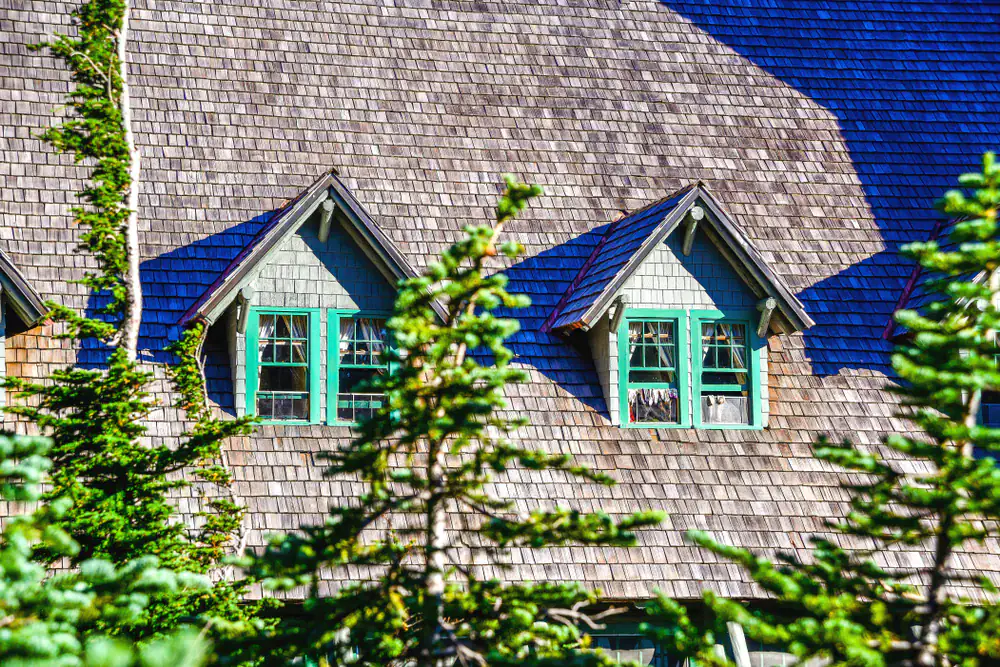
Cedar shakes are split from the wood, creating irregular, rustic surfaces with varying thicknesses. This gives them a more textured, natural appearance but also means they’re typically thicker and provide slightly better insulation.
Cedar shingles are sawn smooth on both sides, creating uniform thickness and a more refined look. They lie flatter against the roof deck and work well for homes where you want cedar’s benefits with cleaner lines.
Both options perform well in East Quogue’s climate. Shakes tend to cost slightly more due to the hand-splitting process, while shingles offer more predictable installation and a tidier appearance. The choice often comes down to your home’s architectural style and personal preference.
Cedar roofs need some maintenance, but it’s not as intensive as many people think. The main requirements are keeping gutters clean, removing debris that can trap moisture, and replacing any damaged shakes or shingles promptly.
Most cedar maintenance involves visual inspections after major storms and clearing organic debris like leaves or moss. Cedar naturally resists rot and insects, so you’re not dealing with constant treatments or repairs.
Professional inspection every few years helps catch small issues before they become expensive problems. This might involve replacing a few damaged pieces or cleaning areas where debris has accumulated. Regular maintenance keeps your cedar roof performing well for its full lifespan.
For Suffolk County homes, cedar roofing often pays for itself through energy savings, longevity, and property value increases. Cedar’s natural insulation properties can reduce heating and cooling costs, especially important with Long Island’s energy prices.
The durability factor matters here. While cedar costs more upfront than asphalt, you’re looking at 30-50 years of protection versus 15-20 years for standard shingles. Over time, the cost per year often works out favorably.
Property value is another consideration. Cedar roofing is considered a premium feature that appeals to buyers, particularly in East Quogue’s market where home aesthetics and quality matter. The investment typically returns well when it’s time to sell.
Cedar roofing should not be installed over existing shingles. Cedar needs proper ventilation underneath to perform correctly, and installing over old materials prevents this airflow.
The weight consideration is also important. Cedar shakes and shingles are heavier than asphalt, and adding them on top of existing layers can exceed your roof structure’s load capacity. This creates potential safety issues and building code violations.
Proper cedar installation starts with a clean deck. This allows for inspection of the underlying structure, installation of appropriate underlayment, and ensures the cedar has the ventilation it needs to last its full lifespan. The extra cost of tear-off is worth it for the long-term performance you get.
Cedar roof replacement in East Quogue typically requires a building permit from the Town of Southampton. The permit process involves submitting plans showing the roofing materials, installation methods, and ensuring compliance with local building codes.
Suffolk County has specific requirements for coastal properties, including wind resistance ratings and fire safety considerations. Fire-treated cedar may be required in some areas, depending on your property’s location and local regulations.
Working with local contractors familiar with East Quogue’s permit process saves time and ensures compliance. We understand which documentation is needed, how long approvals typically take, and can handle the permit application as part of your roofing project. This local knowledge prevents delays and ensures your cedar roof meets all applicable codes.
Other Services we provide in East Quogue
Ready to improve your home with SkyLuxe Construction? Give us a call or fill out a FREE online quote form – take your first step towards a beautifully transformed home.

Specializing in roofing, siding, chimney, and gutter services, SkyLuxe Construction is committed to delivering top-tier home transformations in Suffolk County, NY.
Company