Hear from Our Customers

When your cedar roof is properly installed, you’re looking at 30 to 50 years of protection from Suffolk County’s brutal weather. That’s not marketing speak—that’s what happens when western red cedar’s natural oils meet expert installation techniques that account for our unique climate challenges.
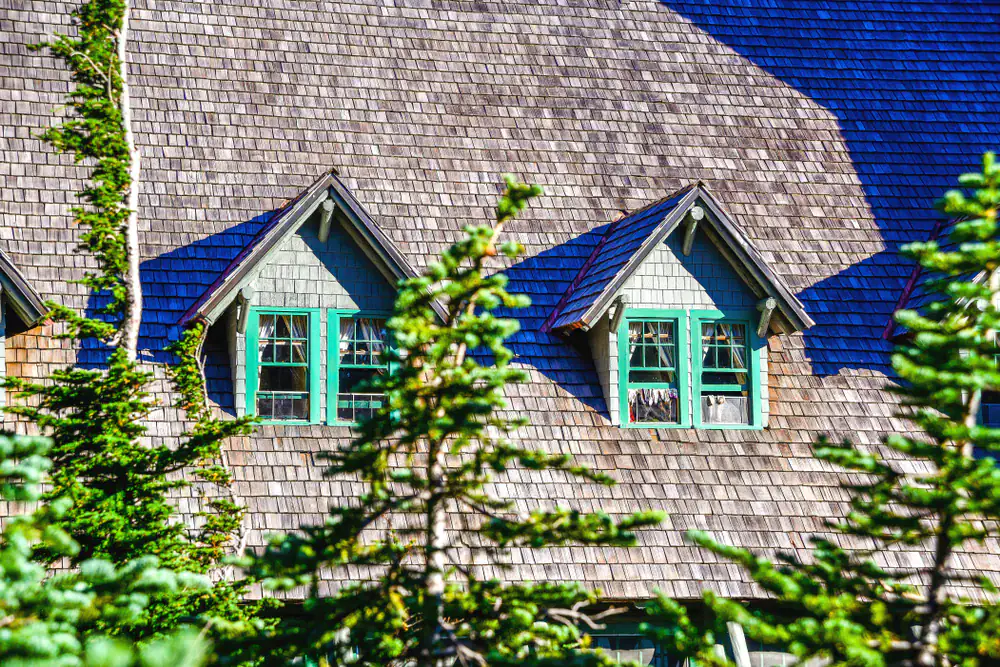
Your energy bills drop because cedar provides natural insulation that keeps your home comfortable year-round. The rich wood tones age into that coveted silvery-gray patina that makes your neighbors ask who did your roof.
Most importantly, you stop worrying about the next nor’easter or summer storm. Cedar shakes resist winds up to 245 mph—the kind of protection that matters when you live where hurricanes have hit 45 times since 1930.
We’re not just another roofing company that happens to work in Islip. We’re your neighbors who’ve spent decades learning exactly how Suffolk County weather affects different roofing materials and why some installations fail here while others last for generations.
We’ve seen what nor’easters do to poorly installed flashing. We know how the salt air that travels inland accelerates the deterioration of fasteners and protective coatings throughout Suffolk County. We understand the difference between storm damage from a typical summer thunderstorm and the destruction that comes from a hurricane.
That local knowledge matters when you’re investing in a premium roofing material like cedar. Our family-run business combines traditional craftsmanship with modern installation techniques, ensuring your cedar roof performs exactly as it should in our challenging climate.

We start with a detailed assessment of your existing roof structure and your home’s specific needs. Cedar roofing requires proper slope—ideally 4:12 pitch or greater—and we’ll evaluate whether your roof is suitable for this premium material.
Next comes material selection. We’ll walk you through the differences between cedar shingles and hand-split shakes, explain the three quality grades available, and help you choose the option that fits your budget and aesthetic goals. We source western red cedar and can provide fire-treated options for added protection.
Installation follows strict protocols we’ve developed specifically for Long Island conditions. We use stainless steel or hot-dipped galvanized fasteners that won’t corrode in our coastal environment. Breathable underlayment prevents moisture buildup, and our flashing techniques account for the driving rain that comes with our storms. Every installation includes proper ventilation and weatherproofing that’s designed to handle whatever Suffolk County weather throws at your roof.

Ready to get started?
Your cedar roofing project includes everything needed for Long Island installation. We handle the complete tear-off of your existing roof, proper disposal of old materials, and installation of new decking if needed. You get premium western red cedar shakes or shingles, appropriate underlayment for our climate, and all necessary flashing and trim work.
In Islip and throughout Suffolk County, we see specific patterns of roof failure that other contractors miss. Ice dam formation along the north sides of homes, wind uplift damage on exposed corners, and accelerated wear where salt air concentrations are higher. Our installations address these local challenges with reinforced attachment methods and strategic placement of additional protection.
The investment makes sense when you consider the numbers. Cedar roofing can last 30 to 50 years with proper maintenance, compared to 15 to 20 years for standard asphalt shingles. The natural insulation properties reduce your energy costs year-round, and the dramatic improvement in curb appeal typically increases home values significantly—especially important in Islip’s competitive real estate market.

Cedar roofing costs between $18,000 and $28,500 for a typical 3,000 square foot roof in the Islip area, including materials and professional installation. The price varies based on the grade of cedar you choose, your roof’s complexity, and current material costs.
Common-grade cedar is the most affordable but has a shorter lifespan due to potential splitting and warping. Select-grade offers better durability at a mid-range price point. Premium straight-grain cedar costs 30-50% more but provides the longest lifespan and best weather resistance for Suffolk County conditions.
Keep in mind that cedar roofing is an investment that typically pays for itself over time through energy savings, reduced maintenance costs, and increased home value. Most Islip homeowners find the premium cost worthwhile when they factor in the 30-50 year lifespan compared to standard roofing materials that need replacement every 15-20 years.
Properly installed cedar roofs in Suffolk County typically last 30 to 50 years, with some premium installations lasting even longer. The key factors are using quality materials, expert installation techniques designed for our local climate, and regular maintenance.
Suffolk County’s challenging weather—including hurricanes, nor’easters, and salt air exposure—actually makes cedar an excellent choice because of its natural resistance to moisture, insects, and UV damage. The natural oils in western red cedar help the material weather our storms better than many synthetic alternatives.
However, longevity depends on proper installation. Cedar shakes and shingles must be installed with appropriate fasteners that won’t corrode in our coastal environment, proper ventilation to prevent moisture buildup, and flashing techniques that handle the driving rain common in our storms. When these details are done correctly, cedar roofing provides decades of reliable protection.
Cedar shakes are hand-split, creating a thicker, more rustic appearance with natural variations in texture and thickness. They’re typically 3/4 to 1 1/4 inches thick and provide superior wind resistance—up to 245 mph for quality shakes. This makes them excellent for Suffolk County’s hurricane-prone climate.
Cedar shingles are machine-cut to uniform thickness and dimensions, creating a cleaner, more refined appearance. They’re thinner than shakes, typically 3/8 to 3/4 inches thick, and cost less while still providing excellent weather protection and natural insulation properties.
Both options work well in Islip’s climate, but shakes offer better storm resistance for homes in more exposed locations. Shingles are often preferred for colonial and traditional home styles where a more uniform appearance is desired. The choice usually comes down to your aesthetic preferences, budget, and the level of storm protection you want for your specific location.
Cedar roofs need periodic maintenance to reach their full lifespan potential in Suffolk County’s challenging climate. Annual inspections are essential to check for cracked, curled, or missing pieces, especially after major storms. We recommend professional inspections twice yearly—once before winter and once after.
Debris removal is critical in our area because leaves, branches, and organic matter trap moisture against the cedar, accelerating wear and potentially causing rot. This is especially important given our tree coverage and frequent storms that deposit debris on roofs.
The salt air that affects all of Suffolk County requires attention to metal components like flashing, gutters, and fasteners. These should be inspected regularly for corrosion and replaced with marine-grade materials when necessary. Some homeowners choose to apply cedar treatments every 3-5 years to maintain color and enhance weather resistance, though this isn’t always necessary with quality western red cedar properly installed.
Modern cedar roofing can be treated with fire retardants to meet safety standards and building codes throughout Suffolk County. Fire-treated cedar shakes and shingles are available and provide the same aesthetic benefits and weather resistance as untreated cedar while meeting fire safety requirements.
The treatment process involves pressure-impregnating the cedar with fire-retardant chemicals before installation. This doesn’t affect the appearance or natural weathering characteristics of the cedar, but it significantly improves fire resistance. Many insurance companies offer discounts for fire-treated cedar roofing.
In Islip and throughout Suffolk County, building codes and insurance requirements vary by location and property type. We handle all permit applications and ensure your cedar roofing installation meets local fire safety requirements. The combination of fire treatment and proper installation techniques provides both the natural beauty of cedar and the fire protection needed for modern homes.
Cedar roofing offers superior performance in Suffolk County’s climate compared to most synthetic alternatives. The natural oils in western red cedar provide inherent resistance to moisture, insects, and UV damage—challenges that are particularly severe in our coastal environment with salt air exposure and intense summer sun.
Cedar’s natural insulation properties are difficult to replicate with synthetic materials. This translates to real energy savings year-round, which matters given Long Island’s high utility costs. Cedar also handles temperature extremes better than many synthetics, which can become brittle in winter cold or soften in summer heat.
The aesthetic value is unmatched. Cedar ages naturally to a beautiful silvery-gray patina that synthetic materials can’t replicate convincingly. This natural weathering process actually enhances the material’s character over time, while synthetic alternatives often show wear and fading. For Islip homeowners focused on long-term value and curb appeal, authentic cedar provides benefits that justify the investment over synthetic alternatives.
Other Services we provide in Islip
Ready to improve your home with SkyLuxe Construction? Give us a call or fill out a FREE online quote form – take your first step towards a beautifully transformed home.

Specializing in roofing, siding, chimney, and gutter services, SkyLuxe Construction is committed to delivering top-tier home transformations in Suffolk County, NY.
Company