Hear from Our Customers

Your roof stops being a worry. Cedar’s natural oils resist moisture, insects, and decay while providing superior insulation that cuts your energy bills.
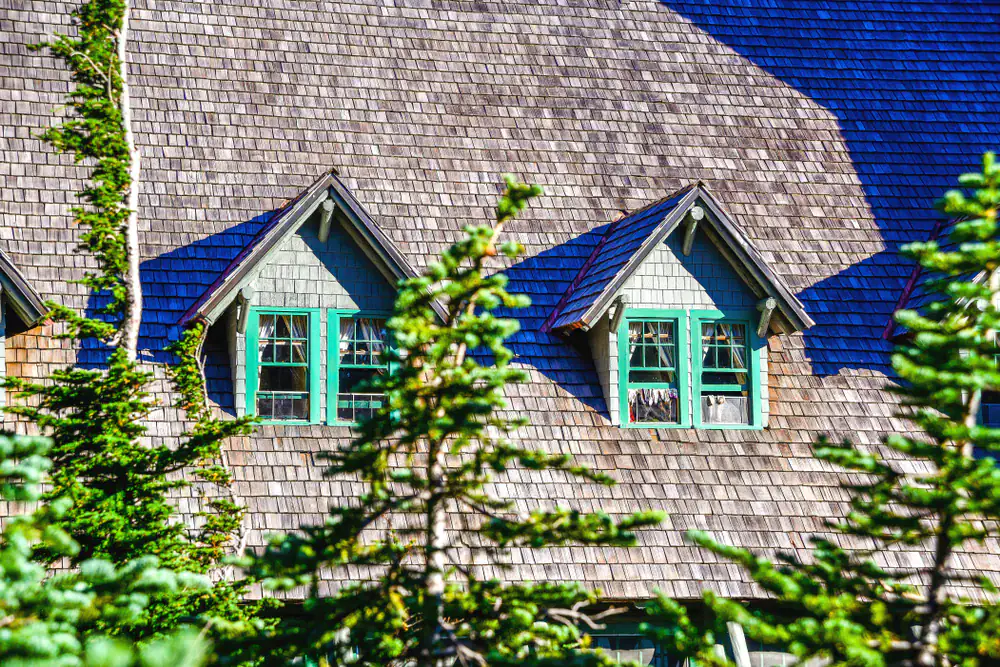
The rustic beauty ages gracefully, developing a distinguished silver-gray patina that adds character to your home. Unlike synthetic materials, cedar breathes naturally, preventing trapped moisture that leads to rot and mold issues common with other roofing materials.
You get decades of protection with a roof that actually improves your property value instead of just covering it.
We’ve been installing cedar roofs across Suffolk County for years, understanding exactly how Long Island’s weather affects different roofing materials. We’re licensed, insured, and focused exclusively on residential exterior improvements.
We know Poquott’s building requirements and work with homeowners who want quality craftsmanship, not quick fixes. Our team understands that your roof is a long-term investment, not just another home improvement project.
Every installation comes with transparent pricing, clear timelines, and the kind of local expertise you can’t get from fly-by-night contractors.

First, we inspect your existing roof structure and assess what needs repair or reinforcement. Cedar requires proper ventilation and underlayment, so we address these fundamentals before any shingles go on.
We remove old roofing materials down to the decking, replace any damaged wood, and install proper moisture barriers designed for cedar installations. Then comes the cedar itself – we hand-select premium Western Red Cedar shakes or shingles, installing them with proper spacing for natural expansion and drainage.
The final step involves ridge caps, flashing details, and a thorough cleanup. You get a detailed walkthrough showing exactly what we’ve done and what to expect as your cedar roof weathers naturally over time.

Ready to get started?
Every cedar roof installation includes premium Western Red Cedar materials, proper underlayment systems, and ventilation designed for Long Island’s climate. We handle permits, inspections, and coordinate with local building departments in Poquott.
You get options for different cedar grades – from hand-split shakes that create deep shadow lines to precision-cut shingles for a more uniform appearance. Fire-treated cedar is available for areas with specific safety requirements.
Suffolk County homes face unique challenges from coastal weather, salt air, and temperature swings. Our installations account for these conditions with proper flashing, ventilation, and fastening systems that prevent the common problems that plague cedar roofs installed by inexperienced contractors.

A properly installed cedar roof typically lasts 30-50 years in Suffolk County’s climate, often outlasting asphalt shingles by decades. The key is professional installation with proper ventilation and moisture management.
Cedar’s natural oils provide inherent protection against insects and decay, but Long Island’s coastal environment requires specific installation techniques. We use corrosion-resistant fasteners, proper spacing for expansion, and ventilation systems designed for our humid summers and wet winters.
Regular maintenance like clearing debris and occasional treatments can extend your cedar roof’s life even further, making it one of the most cost-effective roofing investments over time.
Cedar shakes are hand-split, creating irregular surfaces with deep shadow lines and a more rustic appearance. Cedar shingles are machine-cut for uniform thickness and a cleaner, more refined look.
Shakes provide slightly better insulation due to their irregular surfaces creating more air pockets, but shingles offer more consistent weather protection and are easier to maintain. Both use the same premium Western Red Cedar, so durability is comparable.
Your choice often comes down to the architectural style of your Poquott home and personal preference. Colonial and traditional homes often look stunning with shakes, while contemporary designs might benefit from the clean lines of cedar shingles.
Cedar roofs need minimal but specific maintenance to perform their best in Long Island’s climate. The main requirement is keeping gutters clean and ensuring proper drainage to prevent standing water.
You should clear debris like leaves and branches that can trap moisture, especially after storms. Occasional power washing can remove algae or mildew, though this isn’t usually necessary with proper ventilation. Some homeowners choose periodic treatments to maintain color or enhance weather resistance.
The biggest maintenance mistake is neglecting small issues like loose shingles or damaged flashing. These minor problems can lead to major repairs if ignored, but they’re easily fixed when caught early during routine inspections.
Cedar roofing has higher upfront costs than asphalt shingles but lower lifetime costs than most premium materials. You’re investing in decades of performance rather than replacing cheaper materials every 15-20 years.
The natural insulation properties reduce energy costs year-round, and cedar’s longevity means fewer replacements over your home’s lifetime. When you factor in energy savings, durability, and property value increases, cedar often costs less per year than cheaper alternatives.
Installation costs vary based on your roof’s complexity, but we provide transparent pricing with no hidden fees. Most Poquott homeowners find the investment worthwhile when they see how cedar transforms their home’s appearance and performance.
We don’t recommend installing cedar over existing roofing materials, though it’s technically possible in some situations. Cedar performs best when installed on a clean, properly prepared deck with appropriate ventilation.
Existing shingles can hide structural problems, create uneven surfaces, and trap moisture that leads to premature cedar failure. The added weight might also exceed your roof’s load capacity, especially with heavier shake installations.
We strip down to the decking, inspect and repair the structure, then install cedar with proper underlayment and ventilation. This approach costs more initially but ensures your cedar roof performs as designed for decades, making it the better long-term investment.
Properly installed cedar roofing performs exceptionally well in Long Island storms when installed with appropriate fastening and flashing systems. Cedar’s flexibility allows it to move with wind loads without cracking like brittle materials.
The key is professional installation using corrosion-resistant fasteners and proper overlap patterns. We install cedar with Suffolk County’s weather patterns in mind, using techniques that prevent wind uplift and water infiltration during severe storms.
Cedar’s natural weight and interlocking design actually provide excellent wind resistance. While no roofing material is completely storm-proof, cedar roofs regularly outperform lighter materials in high winds when properly installed by experienced contractors who understand local conditions.
Other Services we provide in Poquott
Ready to improve your home with SkyLuxe Construction? Give us a call or fill out a FREE online quote form – take your first step towards a beautifully transformed home.

Specializing in roofing, siding, chimney, and gutter services, SkyLuxe Construction is committed to delivering top-tier home transformations in Suffolk County, NY.
Company