Hear from Our Customers

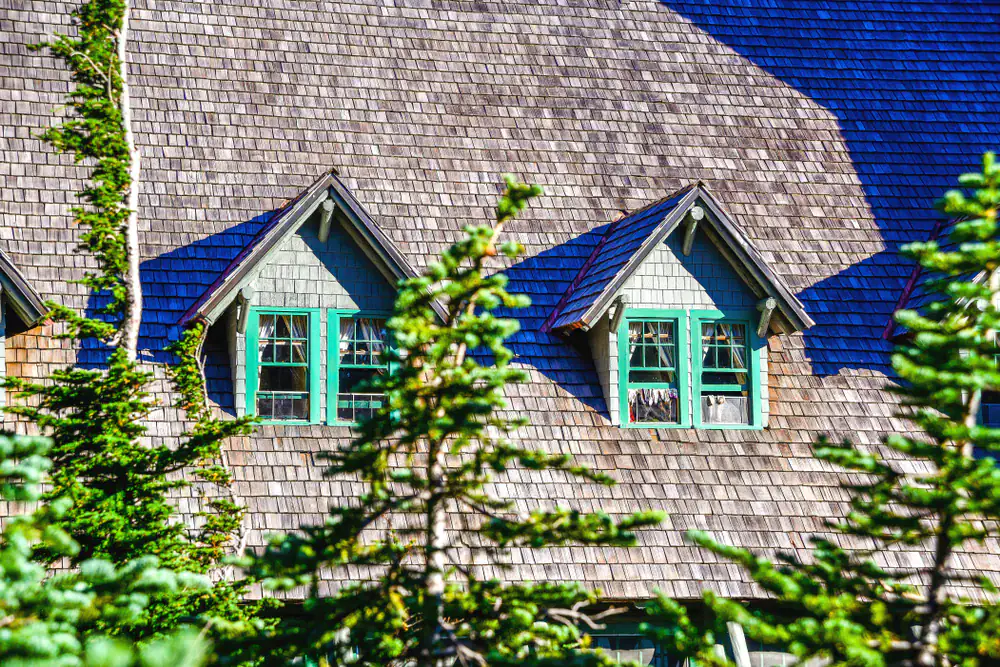
You get a roof that looks better and lasts longer than anything synthetic can match. Cedar shakes and shingles naturally insulate your home, cutting your energy bills while handling whatever weather hits the East End.
The real payoff comes in year fifteen when your neighbors are replacing their second asphalt roof and you’re still enjoying the rich, weathered look that only gets better with time. Cedar roofing adds genuine value to your property—not just the kind appraisers notice, but the kind you see every time you pull into your driveway.
Your home gets the protection it needs with materials that actually breathe, preventing the moisture problems that plague other roofing systems in our humid climate.
We’ve been installing cedar roofing systems across Suffolk County for years, and we’ve learned what works in our coastal environment. We’re not general contractors who dabble in roofing—we’re exterior specialists who understand how cedar performs in Quiogue’s salt air and seasonal weather.
Every cedar roof we install uses properly graded Western Red Cedar, and we only work with suppliers who understand the difference between construction-grade and premium roofing cedar. You’re dealing with contractors who know the local building codes, carry full licensing and insurance, and have the project photos to prove our work.
We’ve seen too many cedar jobs done wrong by contractors who treated it like asphalt. That’s not how cedar works, and it’s not how we work.

We start with a thorough inspection of your existing roof structure to ensure it can properly support cedar’s weight and address any underlying issues before installation begins. No surprises halfway through the job.
Next comes the preparation phase where we install proper underlayment and ventilation systems designed specifically for cedar roofing. This isn’t optional—it’s what keeps your cedar performing for decades instead of years.
The installation itself follows manufacturer specifications for your specific cedar product, whether you’re choosing hand-split shakes, tapersawn shakes, or cedar shingles. We maintain proper spacing, use the right fasteners, and ensure each course is installed to handle wind uplift and water penetration.
Final inspection covers everything from ridge cap installation to gutter integration, and we walk you through the maintenance schedule that keeps your cedar roof looking and performing its best.

Ready to get started?
Your cedar roofing system includes premium Western Red Cedar sourced from sustainable forests, with options for hand-split cedar shakes, tapersawn cedar shakes, or cedar shingles depending on your aesthetic preferences and budget. We also offer fire-treated cedar options that meet local fire safety requirements while maintaining cedar’s natural beauty.
Every installation includes proper underlayment, ridge and hip caps, and all necessary flashing materials designed for cedar’s expansion and contraction cycles. In Quiogue’s coastal environment, we use corrosion-resistant fasteners and ensure proper ventilation to prevent moisture buildup that can shorten cedar’s lifespan.
You also get our guidance on maintenance schedules and treatment options that keep your cedar roof performing at its best. We’re not the kind of contractors who disappear after installation—we’re here for the long-term care your cedar roof deserves.

A properly installed cedar roof typically lasts 25-30 years in Long Island’s coastal environment, often outlasting two cycles of asphalt roofing. The key is professional installation with proper ventilation and using the right grade of Western Red Cedar.
Cedar’s natural oils provide built-in resistance to moisture and insects, but our humid summers and salt air require specific installation techniques. We use breathable underlayment and ensure adequate ventilation to prevent moisture buildup that can shorten any roof’s lifespan.
With basic maintenance like periodic cleaning and minor repairs, many cedar roofs in our area perform well beyond the 30-year mark while maintaining their distinctive appearance.
Cedar shakes are thicker, hand-split pieces that create a more rustic, textured appearance with irregular edges and varying thickness. They’re typically 3/4 to 1-1/4 inches thick and provide excellent insulation and weather resistance.
Cedar shingles are machine-cut to uniform thickness (usually 3/8 to 5/8 inches) with straight, clean edges that create a more refined, traditional look. They’re easier to install and generally cost less than shakes while still providing cedar’s natural benefits.
Both options perform well in our climate, so the choice usually comes down to your preferred aesthetic and budget. Shakes offer more texture and rustic charm, while shingles provide a cleaner, more uniform appearance.
Fire-treated cedar shingles aren’t required by local building codes in Quiogue, but they may be required by your insurance company depending on your policy and proximity to other structures. We recommend checking with your insurance provider before making your final material selection.
Fire-treated cedar undergoes a pressure treatment process that gives it a Class B fire rating while maintaining cedar’s natural appearance and performance characteristics. The treatment adds to the cost but provides peace of mind and may qualify you for insurance discounts.
If fire treatment isn’t required, standard Western Red Cedar still offers natural fire resistance superior to many synthetic materials, especially when properly maintained and kept clear of debris.
Cedar roofs need periodic inspection and cleaning, typically once or twice per year depending on your specific environment and tree coverage. This involves removing debris, checking for loose or damaged shakes, and ensuring gutters drain properly.
Every 3-5 years, you may want to apply a cedar treatment to maintain color and enhance weather resistance, though many homeowners prefer cedar’s natural weathering to silver-gray. Any damaged or missing pieces should be replaced promptly to prevent water infiltration.
The maintenance isn’t complicated, but it is important. We provide detailed care instructions with every installation and can handle ongoing maintenance if you prefer professional service.
Cedar roofing performs exceptionally well in severe weather when properly installed with appropriate fasteners and underlayment. Cedar’s flexibility allows it to move with wind without cracking, and its natural oils resist moisture penetration during heavy rains.
For coastal areas like Quiogue, we use corrosion-resistant fasteners and ensure proper installation spacing to handle wind uplift. Cedar’s natural grain structure actually makes it more resistant to hail damage than many synthetic alternatives.
The key is professional installation that accounts for local weather patterns. We’ve seen cedar roofs survive major storms that damaged other roofing materials in the same neighborhoods.
Cedar roofing typically costs 2-3 times more than asphalt initially, but the long-term value equation is different. While asphalt might need replacement twice in the time cedar lasts once, cedar also adds more to your property value and provides better insulation.
The exact cost depends on your roof size, complexity, cedar grade, and current market conditions. We provide detailed estimates that break down material and labor costs so you can make an informed decision based on your budget and long-term plans.
Many homeowners find that cedar’s combination of longevity, energy savings, and property value increase makes the initial investment worthwhile, especially if they’re planning to stay in their home long-term.
Other Services we provide in Quiogue
Ready to improve your home with SkyLuxe Construction? Give us a call or fill out a FREE online quote form – take your first step towards a beautifully transformed home.

Specializing in roofing, siding, chimney, and gutter services, SkyLuxe Construction is committed to delivering top-tier home transformations in Suffolk County, NY.
Company