Hear from Our Customers

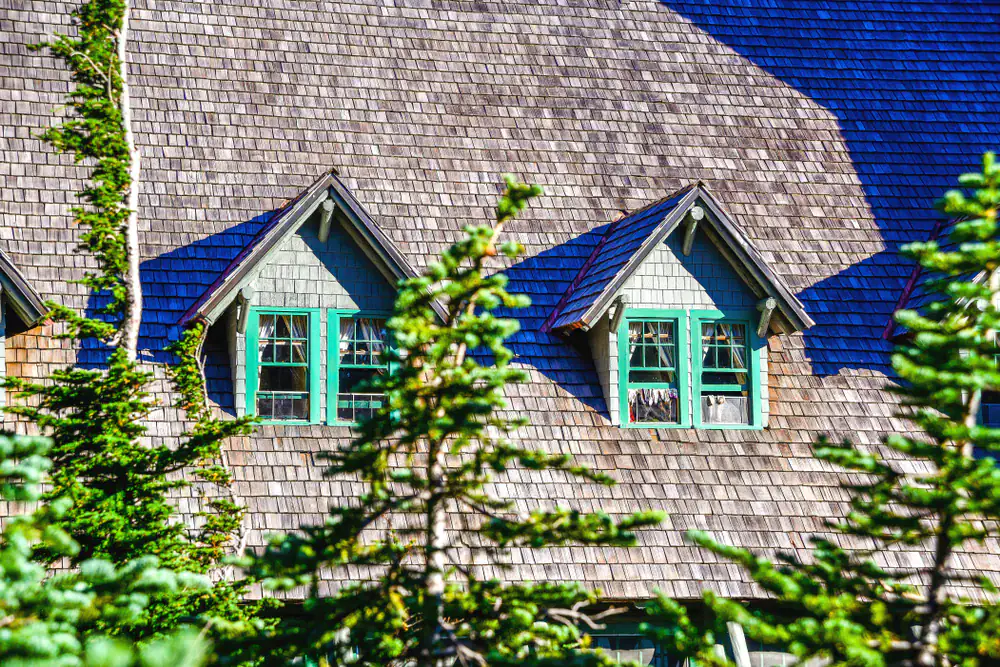
You’re looking at a roof that handles everything Long Island weather throws at it. Cedar roofing isn’t just beautiful—it’s built to last 30+ years while actually improving your home’s energy efficiency.
When properly installed, cedar shakes and shingles create natural insulation that keeps your home cooler in summer and warmer in winter. That translates to lower energy bills month after month.
The real payoff comes when you see how cedar roofing transforms your property value. In Sag Harbor’s premium market, authentic cedar roofing signals quality and craftsmanship that discerning buyers recognize immediately.
We’ve been serving Suffolk County homeowners as a full-service exterior improvement specialist focused on residential work. We understand the unique challenges of coastal Long Island weather and local building requirements.
What sets us apart is our focus on quality over quantity. We’re not trying to be the cheapest option—we’re the reliable choice for homeowners who want their cedar roof installed right the first time.
You can verify our licensing, check our local project portfolio, and speak with Suffolk County neighbors who’ve worked with us. That’s the kind of transparency you should expect from any contractor working on your home.

First, we assess your existing roof structure and discuss your cedar options—Western Red Cedar shakes, shingles, tapersawn, or hand-split varieties. Fire-treated options are available for areas with specific safety requirements.
Next comes material selection and ordering. We source premium Western Red Cedar and coordinate delivery timing with your project schedule. No surprises, no delays waiting for materials.
Installation begins with proper preparation of the roof deck, followed by systematic installation of your cedar roofing system. Each shake or shingle is positioned for optimal weather protection and longevity. Final inspection ensures everything meets both local codes and our quality standards.

Ready to get started?
Your cedar roofing project includes premium Western Red Cedar materials sourced for durability and appearance. Fire-treated cedar shingles are available for enhanced safety compliance in Suffolk County.
Installation covers complete roof deck preparation, proper underlayment, and systematic cedar shake or shingle placement. Each piece is positioned for maximum weather resistance against Long Island’s coastal conditions.
Sag Harbor’s premium housing market demands attention to detail that shows. Your cedar roof installation includes ridge caps, valleys, and flashing details that protect your investment while maintaining the authentic cedar aesthetic that enhances property value in this desirable Suffolk County location.

A properly installed cedar roof typically lasts 30-40 years in Long Island’s coastal climate, often outlasting asphalt shingles by decades. The key factors are quality installation, proper ventilation, and regular maintenance.
Cedar’s natural oils provide inherent weather resistance, but Long Island’s salt air and seasonal weather patterns require specific installation techniques. Proper spacing between shakes allows for natural expansion and contraction, while correct underlayment prevents moisture issues.
With periodic cleaning and minor repairs, your cedar roof will weather naturally to an attractive silver-gray patina while maintaining its structural integrity throughout its lifespan.
Fire-treated cedar shingles aren’t universally required in Sag Harbor, but local building codes and insurance requirements vary by specific location and property type. Many homeowners choose fire-treated options for added safety and potential insurance benefits.
Fire-treated cedar undergoes pressure treatment with fire-retardant chemicals that significantly reduce combustibility while maintaining cedar’s natural appearance and weather resistance. The treatment doesn’t affect installation methods or longevity.
Your contractor should verify current local requirements during the planning phase. Fire-treated cedar typically costs 15-20% more than untreated options, but many Suffolk County homeowners consider it worthwhile for peace of mind and potential insurance discounts.
Cedar shakes are split from cedar blocks, creating a more rustic, textured appearance with natural variations in thickness. Cedar shingles are sawn to uniform thickness, providing a cleaner, more refined look.
Shakes offer slightly better insulation due to their irregular thickness and create deeper shadow lines that many homeowners prefer for traditional or rustic architectural styles. Shingles provide more consistent weather protection and work better for complex roof geometries.
Both options use Western Red Cedar and provide excellent longevity. Your choice typically comes down to aesthetic preference and architectural style. Tapersawn shakes split the difference, offering shake texture with more uniform dimensions than traditional hand-split shakes.
Cedar roofs require annual inspection and cleaning, plus minor repairs as needed. Most maintenance involves removing debris, cleaning gutters, and addressing any loose or damaged shakes or shingles promptly.
Annual cleaning prevents moss and algae growth that can trap moisture against the cedar. This typically involves gentle pressure washing or soft brushing, depending on the roof’s condition and age. Professional inspection helps catch small issues before they become expensive problems.
Every 10-15 years, you might need to replace individual shakes or shingles due to normal weathering. This selective replacement is straightforward and much less expensive than full roof replacement, making cedar roofing cost-effective over its lifespan.
Modern synthetic cedar shakes have improved significantly but still don’t perfectly replicate real Western Red Cedar’s natural variation and aging characteristics. High-quality synthetics can fool casual observation but lack cedar’s authentic texture and weathering patterns.
Real cedar develops a natural silver-gray patina over time that synthetic materials struggle to replicate convincingly. Cedar’s natural oils also provide subtle color variations and grain patterns that synthetic alternatives can’t match.
However, synthetic options offer advantages like consistent fire ratings, reduced maintenance, and longer warranties. For Sag Harbor’s premium market, most homeowners prefer authentic Western Red Cedar for its genuine appearance and proven performance in coastal conditions.
Cedar roof installation in Suffolk County typically ranges from $12-18 per square foot installed, depending on cedar type, roof complexity, and current material costs. Fire-treated cedar adds 15-20% to material costs.
Hand-split cedar shakes cost more than machine-sawn shingles, while tapersawn shakes fall between the two. Complex rooflines with multiple valleys, dormers, or steep pitches increase labor costs due to additional cutting and fitting requirements.
Quality installation is crucial for cedar roofing longevity, so choosing based solely on lowest price often leads to problems later. Get detailed written estimates that specify cedar grade, installation methods, and warranty coverage to make accurate comparisons between contractors.
Other Services we provide in Sag Harbor
Ready to improve your home with SkyLuxe Construction? Give us a call or fill out a FREE online quote form – take your first step towards a beautifully transformed home.

Specializing in roofing, siding, chimney, and gutter services, SkyLuxe Construction is committed to delivering top-tier home transformations in Suffolk County, NY.
Company