
Hear from Our Customers
Insulated siding makes your home up to 20% warmer in winter and cooler in summer. That’s not marketing speak—it’s thermal transfer reduction that shows up in your utility bills. When HVAC systems don’t have to compensate for air infiltration through cracked or warped siding, they run less. You pay less.
Storm-resistant materials matter here. Salt air accelerates deterioration faster than most homeowners realize. Microscopic salt particles act like sandpaper on inferior siding, breaking down protective coatings and creating entry points for moisture. The right materials resist corrosion, repel water, and hold up against nor’easters that tear loose panels off homes every year.
Fiber cement and insulated vinyl offer 80-89% ROI. Many Bellport homes see resale price increases of $15,000-$30,000 after new siding installation. You’re not just protecting your home—you’re adding measurable value to it.
SkyLuxe Construction Inc is a family-run residential construction company serving Suffolk County with decades of exterior renovation experience. We hold all necessary licenses and certifications required in Suffolk County, and we carry comprehensive insurance that protects both our team and your property.
We’ve completed hundreds of siding projects across Bellport and surrounding coastal communities. We know what fails here—and why. Wood siding that wasn’t properly sealed. Fasteners that corroded in salt air. Materials that looked great in the showroom but couldn’t handle Long Island humidity.
You’re not hiring a crew that learned about coastal construction from a manual. You’re working with contractors who’ve seen what happens when installations cut corners, and who’ve built our reputation on doing it right the first time.
First, we assess your current siding condition and identify any underlying moisture damage or structural issues that need addressing before new material goes up. Skipping this step is how problems get buried under new siding—only to resurface later.
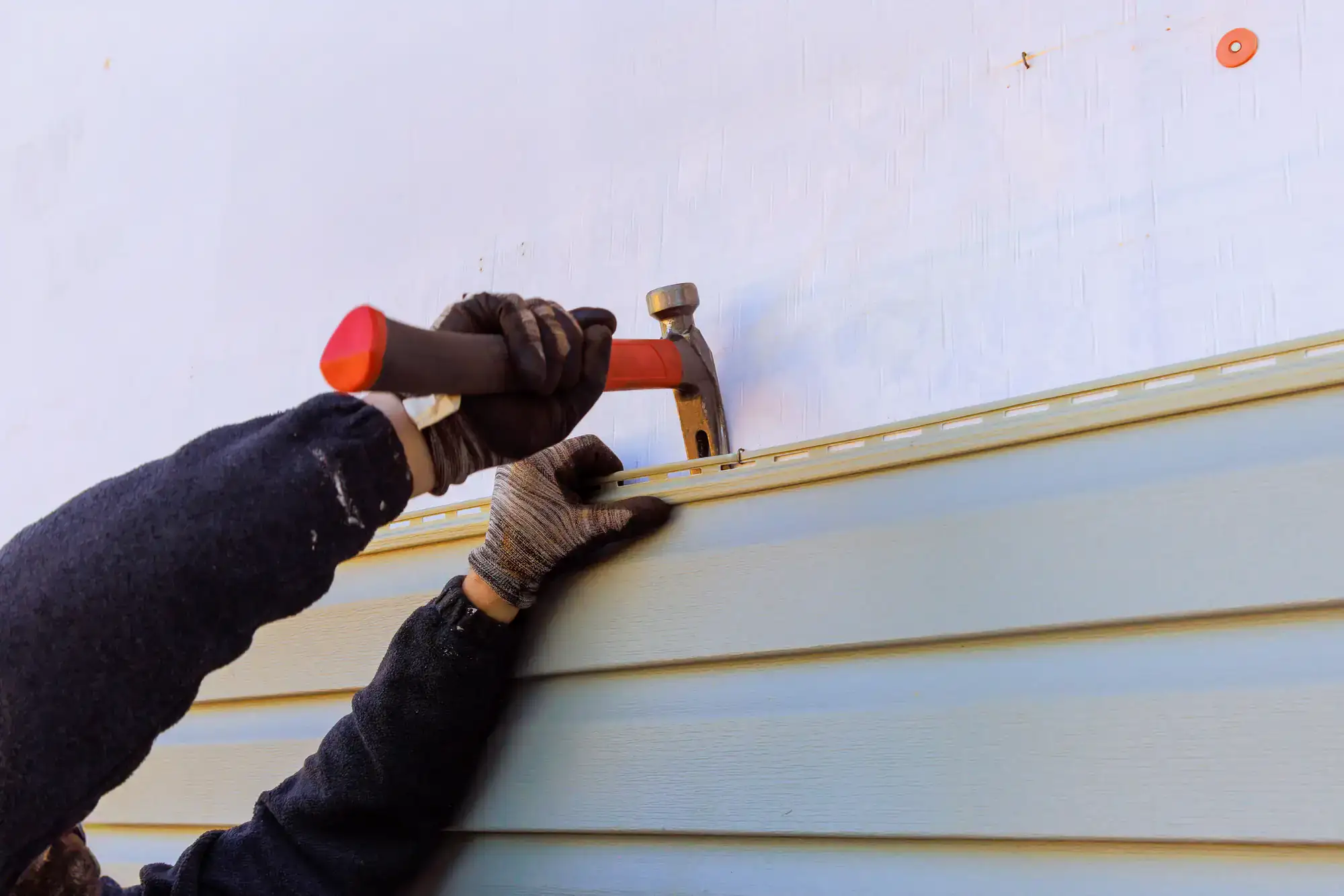
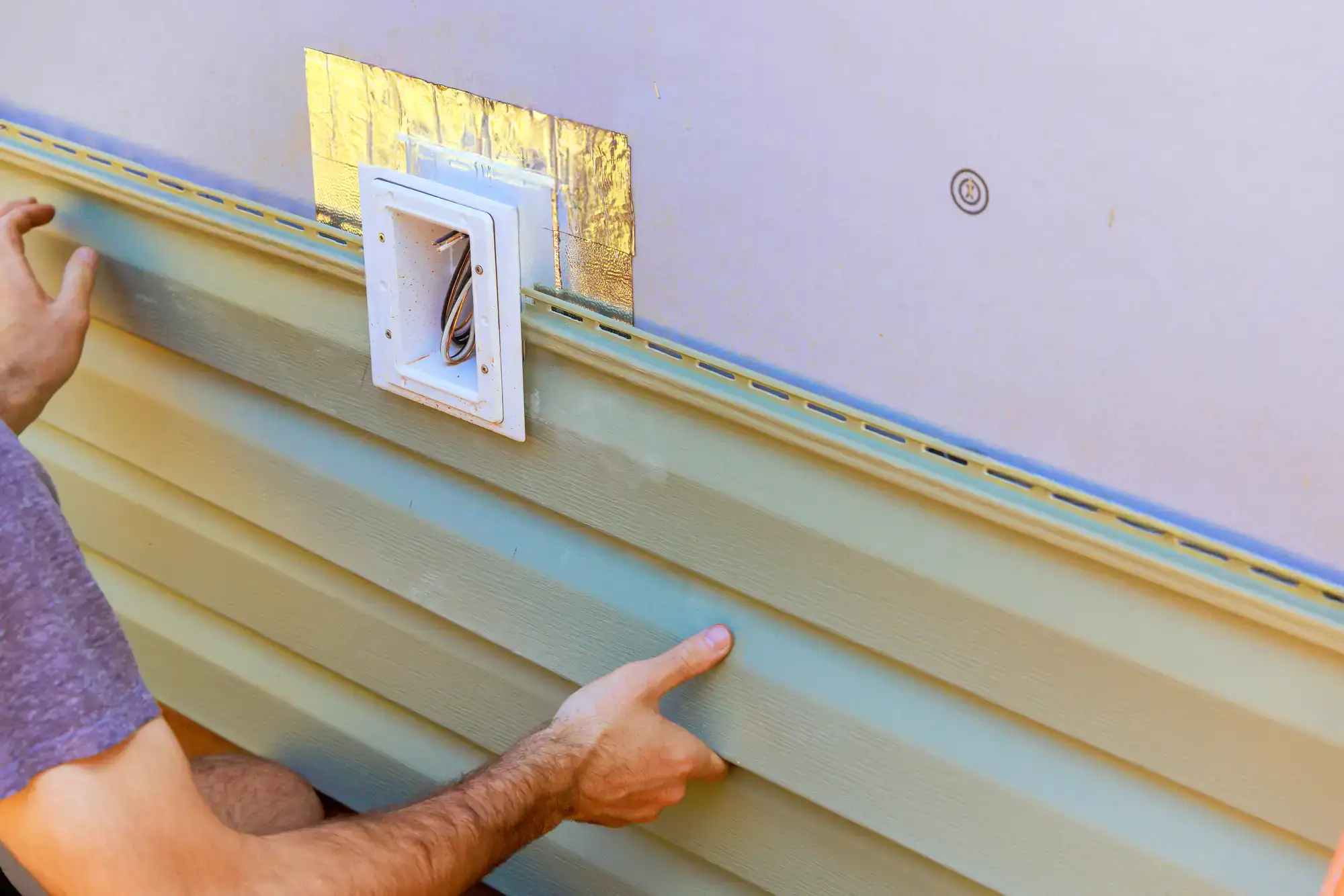
Next, we remove old siding carefully to avoid damaging your home’s structure. We inspect sheathing, replace any compromised sections, and install proper moisture barriers. This foundation work determines how long your new siding lasts. Coastal homes need extra attention to water intrusion points around windows, doors, and trim.
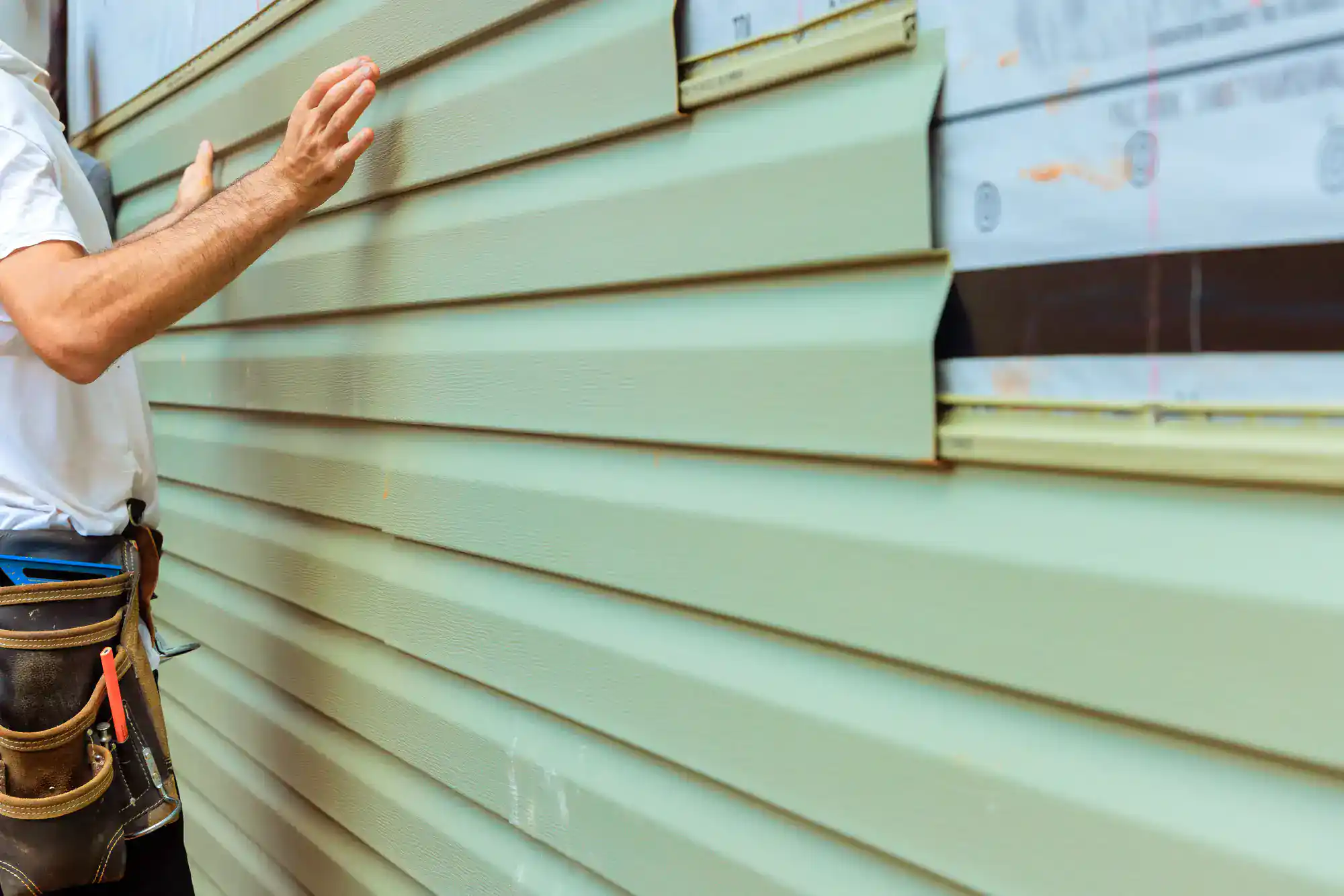
Installation follows manufacturer specifications exactly—proper fastener spacing, correct overlap, appropriate expansion gaps. We don’t rush. Insulated vinyl requires precise technique to maintain its thermal performance. Fiber cement demands specific cutting and fastening methods to prevent cracking.
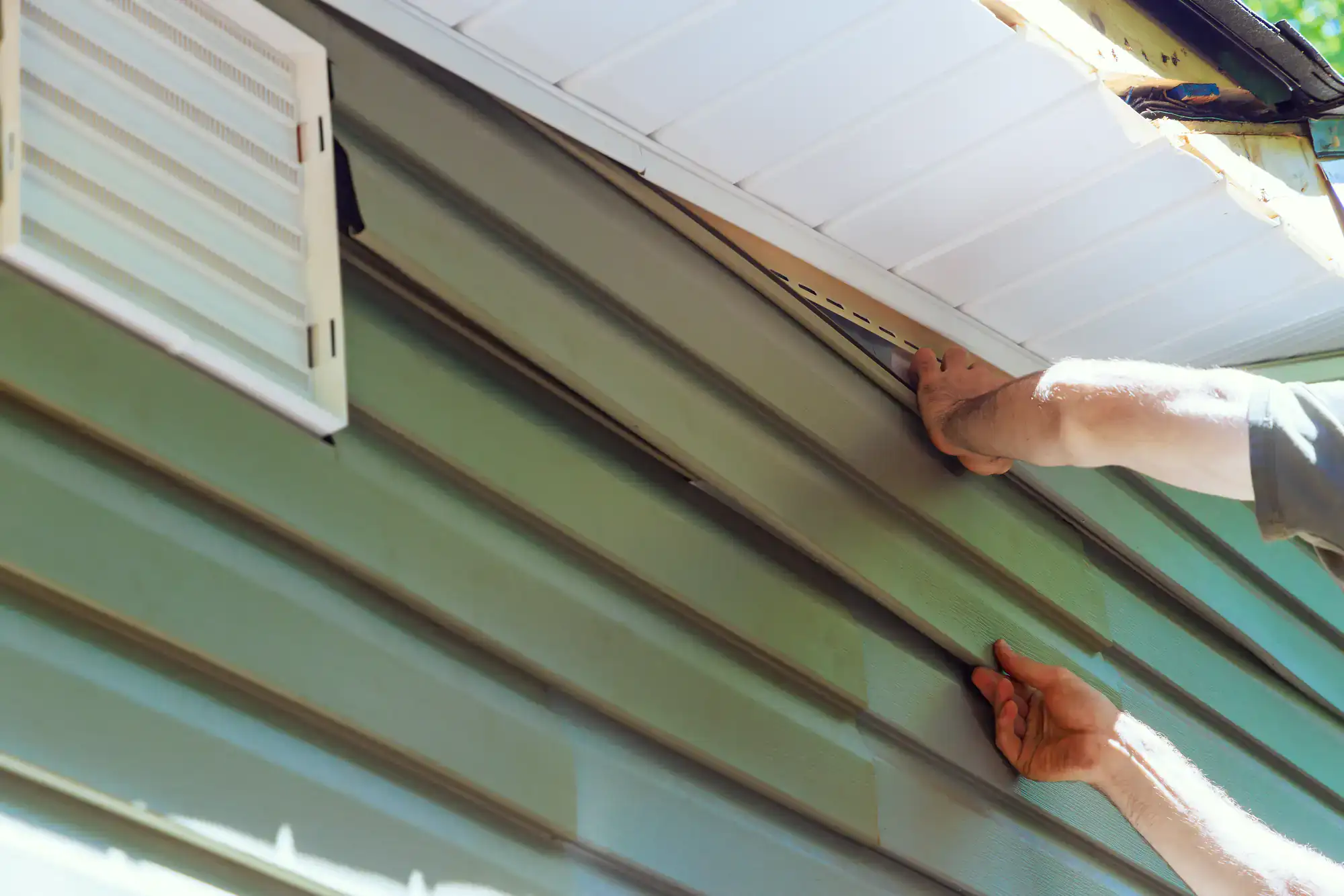
Final inspection covers every panel, every seam, every transition point. We check for proper drainage, secure fastening, and clean finished appearance. You get a walkthrough that explains what we did and what to expect from your new siding over the next 20-30 years.
Ready to get started?
Fiber cement handles salt exposure better than almost any other material. It won’t rot, warp, or attract insects. It’s fire-resistant and holds paint longer than wood. Expect 30-50 years of performance with minimal maintenance—no annual sealing or frequent repainting.
Insulated vinyl offers the best energy efficiency upgrade for the cost. The foam backing creates a thermal barrier that older homes desperately need. It’s moisture-resistant, won’t corrode in salt air, and comes with fade-resistant color options that look sharp for decades. Maintenance is essentially nonexistent.
Both materials resist the specific challenges Bellport homes face: high humidity, salt spray, strong winds, and temperature swings. Dark colors like slate gray and deep navy are trending in 2026, delivering modern curb appeal while maintaining heat resistance. We source coastal-grade materials designed for Long Island’s environment—not generic products that work fine in Arizona but fail here in five years.
Storm damage from nor’easters is the most frequent issue we see. Proper installation means panels stay secure when winds hit 60+ mph. Driving rain doesn’t find weak spots. Your home stays protected when neighbors are calling for emergency repairs.
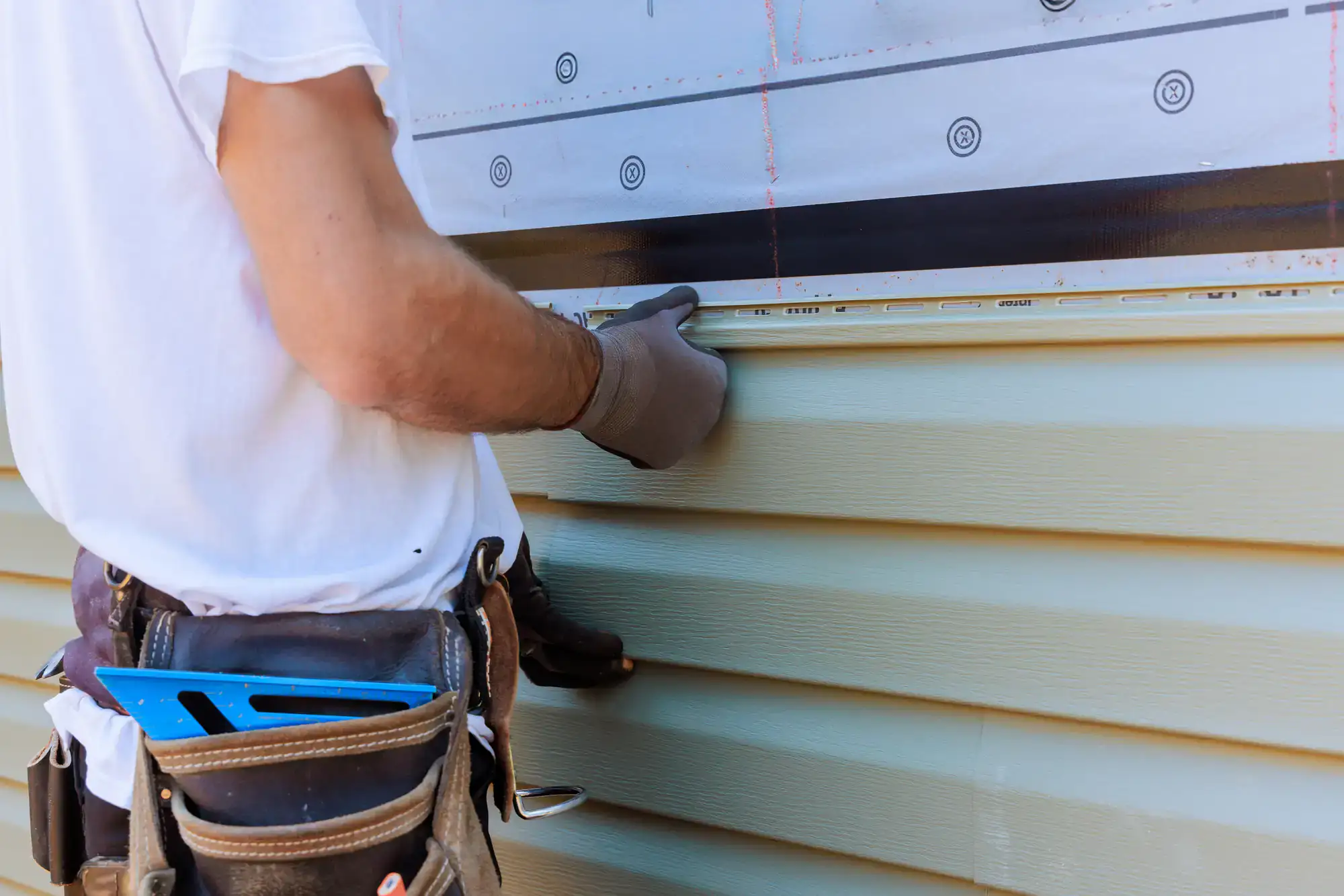
Most residential siding installation projects in Bellport take 5-10 days depending on home size and material choice. A standard 2,000 square foot home with vinyl siding usually wraps up in about a week. Fiber cement takes slightly longer because it requires more precise cutting and fastening.
Weather delays happen—we won’t install in heavy rain or high winds because moisture trapped behind new siding causes long-term problems. We’d rather pause for a day than compromise your installation quality.
Prep work adds time if we find underlying damage during removal. Rotted sheathing or compromised framing needs repair before new siding goes up. We’ll walk you through any additional work before proceeding, with clear pricing and timeline adjustments.
Fiber cement costs roughly 50-75% more upfront than quality insulated vinyl. For a typical Bellport home, vinyl might run $12,000-$18,000 while fiber cement lands in the $18,000-$28,000 range. That gap narrows when you factor in longevity and maintenance.
Fiber cement lasts 30-50 years with almost no maintenance beyond occasional cleaning. Vinyl lasts 20-30 years and requires even less upkeep. Both deliver strong ROI—fiber cement at 80-88%, vinyl at 74-80%. Many homeowners see $15,000-$30,000 added to resale value regardless of which material they choose.
Your decision should factor in how long you plan to stay in the home and what aesthetic you want. Fiber cement offers more texture options and a look closer to real wood. Vinyl provides excellent performance at a lower entry cost. Both handle coastal conditions well when properly installed.
Insulated siding can cut heating and cooling costs by 15-20% in older Bellport homes with poor exterior insulation. The foam backing creates a continuous thermal barrier that reduces air infiltration—one of the biggest energy drains in houses built before modern insulation standards.
Your actual savings depend on your current siding condition and your home’s overall insulation quality. Homes with cracked wood siding or loose panels see the most dramatic improvement. HVAC systems work less when they’re not constantly compensating for outdoor air leaking in through exterior walls.
Most homeowners notice the difference within the first month—more consistent indoor temperatures, fewer drafts near exterior walls, and lower utility bills. Over 10-15 years, energy savings can offset a significant portion of your installation cost. It’s not the only reason to replace siding, but it’s a measurable benefit that compounds over time.
Widespread fading, warping, or cracking across multiple sections usually means replacement makes more sense than patching. If more than 30% of your siding shows damage, repair costs start approaching replacement costs—and you’re left with a patchwork of old and new materials that don’t match.
Moisture behind siding is the red flag that demands immediate attention. Soft spots when you press on panels, visible mold or mildew, or peeling paint despite recent repainting all indicate water intrusion. Once moisture gets behind siding, it damages sheathing and framing. That problem only gets worse and more expensive.
Energy bills creeping up despite no change in usage patterns often trace back to failing siding that’s allowing air infiltration. Coastal exposure accelerates deterioration—salt air works constantly against exterior materials. A professional inspection identifies whether targeted repairs buy you a few more years or whether you’re throwing money at a losing battle.
Fiber cement and insulated vinyl both excel in coastal environments. Fiber cement is essentially impervious to salt corrosion—it won’t rust, rot, or deteriorate from salt exposure. It maintains its structural integrity and appearance for decades with minimal maintenance. The material is engineered specifically to handle moisture and harsh weather.
Insulated vinyl resists salt damage equally well and offers better thermal performance. The foam backing adds an insulation layer that fiber cement lacks unless you add separate insulation behind it. Vinyl won’t corrode, won’t attract insects, and won’t support mold growth. Color is molded through the material, so scratches don’t expose a different color underneath.
Wood siding struggles in Bellport unless you’re committed to frequent sealing and repainting—we’re talking every 3-5 years minimum. Salt accelerates wood deterioration significantly. Aluminum dents easily and can corrode at fastener points. Steel siding rusts when the protective coating gets scratched. For coastal homes, fiber cement and vinyl are the clear winners for longevity and low maintenance.
Yes, Suffolk County requires building permits for siding replacement projects. The permit process ensures installations meet local building codes and includes inspection to verify proper installation techniques and materials. This protects you—it confirms the work meets standards designed for Long Island’s climate and weather conditions.
We handle permit applications as part of our service. The process typically takes 1-2 weeks for approval. Cost varies based on project scope but usually runs a few hundred dollars. It’s a small percentage of total project cost and absolutely worth it for the protection it provides.
Some homeowners consider skipping permits to save time or money. That’s a mistake. Unpermitted work can complicate insurance claims if storm damage occurs, reduce resale value when buyers discover it during inspections, and leave you liable if the installation doesn’t meet code. We pull permits as standard practice—it’s part of doing the job right.
Other Services we provide in Bellport