
Hear from Our Customers
You’re not just covering walls. You’re protecting your biggest asset from weather that never stops testing it.
The right siding installation in East Hampton, NY keeps moisture out, cuts your energy bills, and maintains curb appeal without demanding your weekends. Salt air won’t corrode it. Summer humidity won’t warp it. Winter storms won’t crack it.
Fiber cement lasts 30 to 50 years with minimal maintenance—mainly repainting every 10 to 15 years. Insulated vinyl keeps your home comfortable while reflecting heat in summer. Cedar offers natural water resistance and authentic beauty if you’re willing to maintain it.
Your home stops losing conditioned air through gaps and cracks. Your exterior holds up to what Long Island throws at it. And when it’s time to sell, buyers recognize quality siding immediately—fiber cement alone recoups 70-76% of its cost at resale.
We’ve served East Hampton homeowners for more than 10 years. We’re a family-owned business, fully licensed and insured, and we know exactly what coastal conditions do to exterior materials.
We don’t cut corners on installation. Marine-grade fasteners, proper moisture barriers, and techniques that account for Long Island’s weather patterns—that’s standard on every job we do. Our crews undergo regular training on the latest methods, and every project gets personal oversight from start to finish.
You’re not dealing with a rotating door of subcontractors. You’re working with our skilled craftsmen who understand that East Hampton homes require more than basic installation. The homes here average $2.5 million, and your siding needs to match that standard.
First, we assess your current siding and identify any underlying issues—rot, moisture damage, structural concerns. If your home has problems beneath the surface, new siding won’t fix them. We address those first.
Next, we walk you through material options based on your home’s architecture, your maintenance preferences, and your budget. Fiber cement if you want maximum durability with minimal upkeep. Vinyl if you’re prioritizing low maintenance and energy efficiency. Cedar if you love the authentic look and don’t mind periodic sealing.
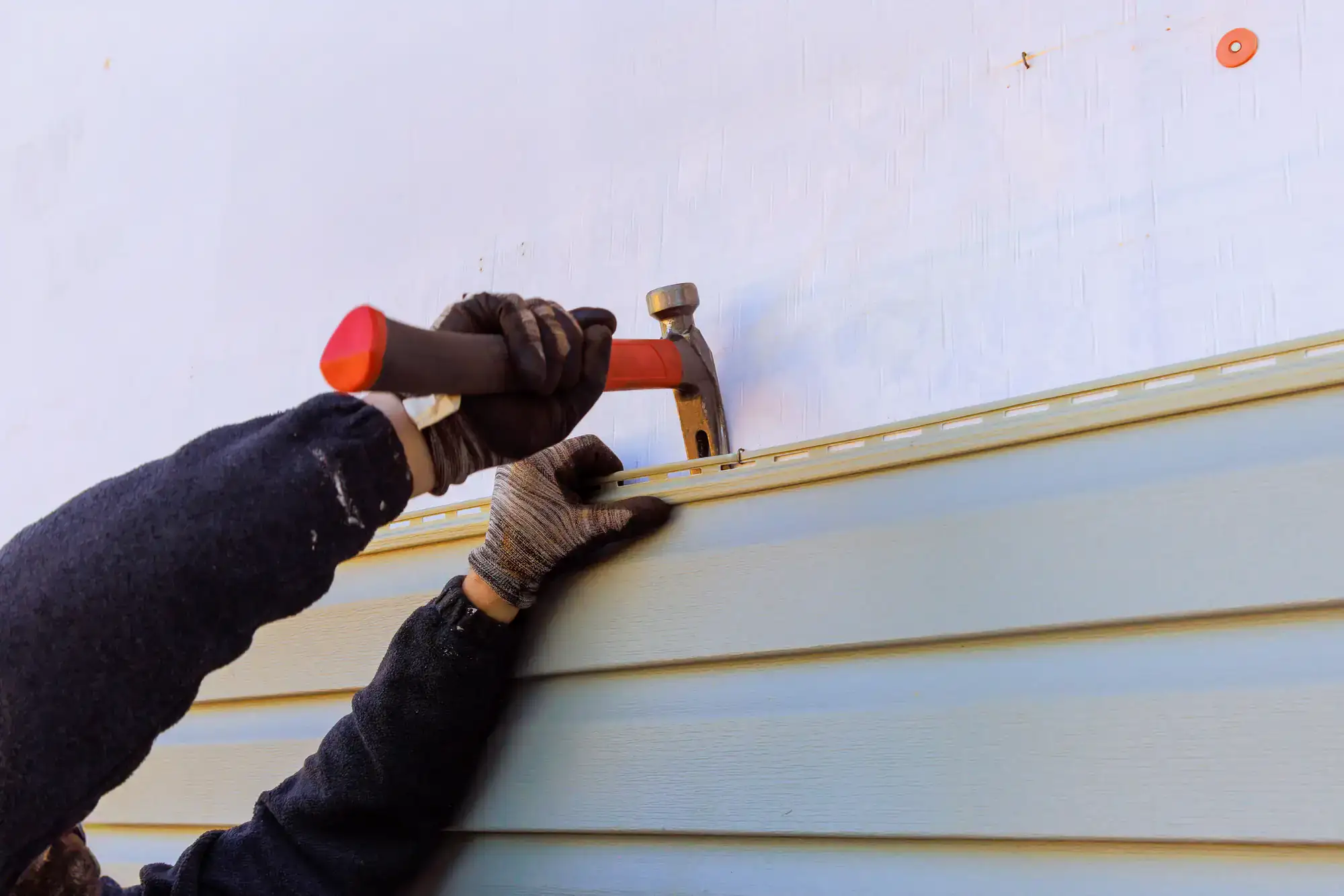
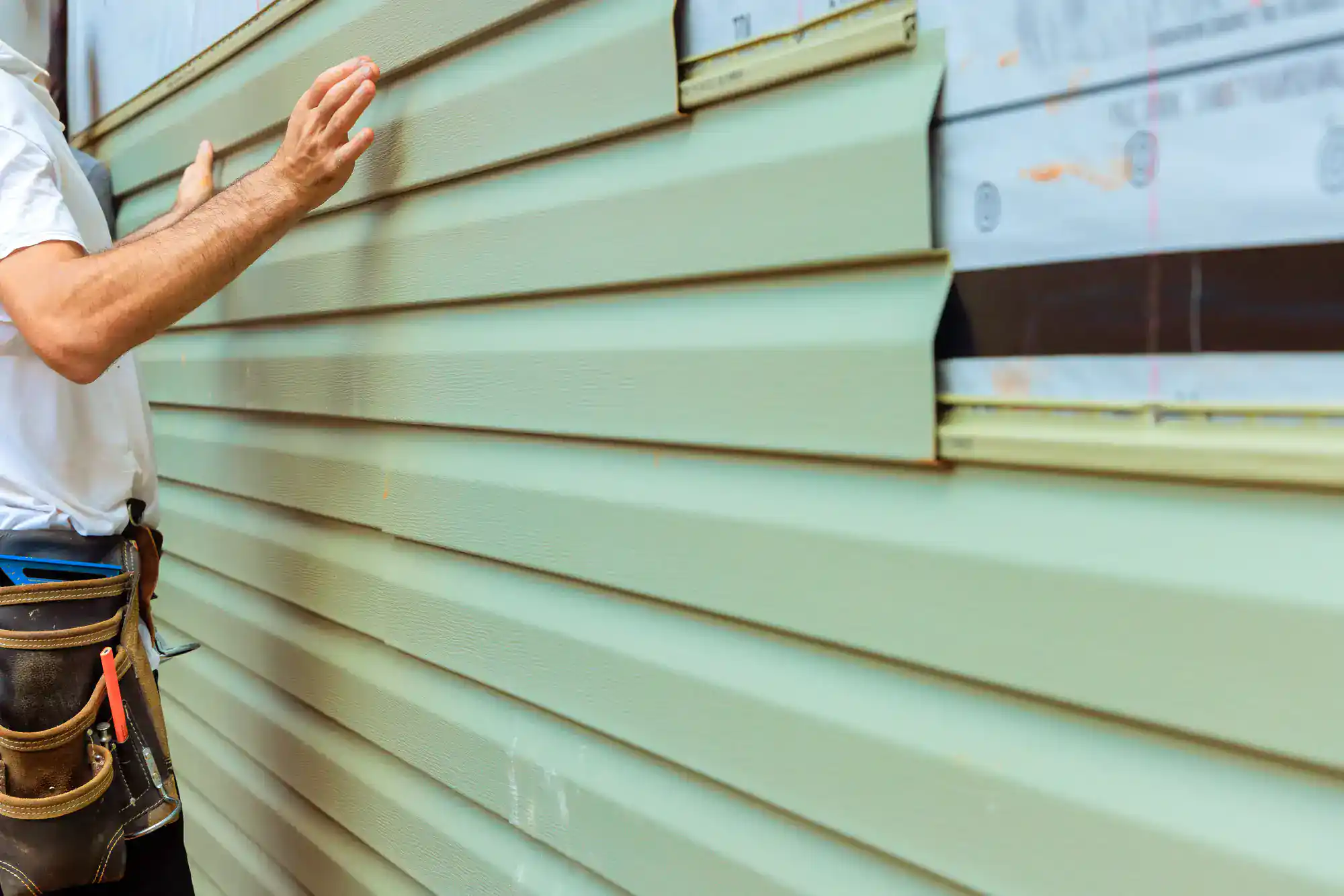
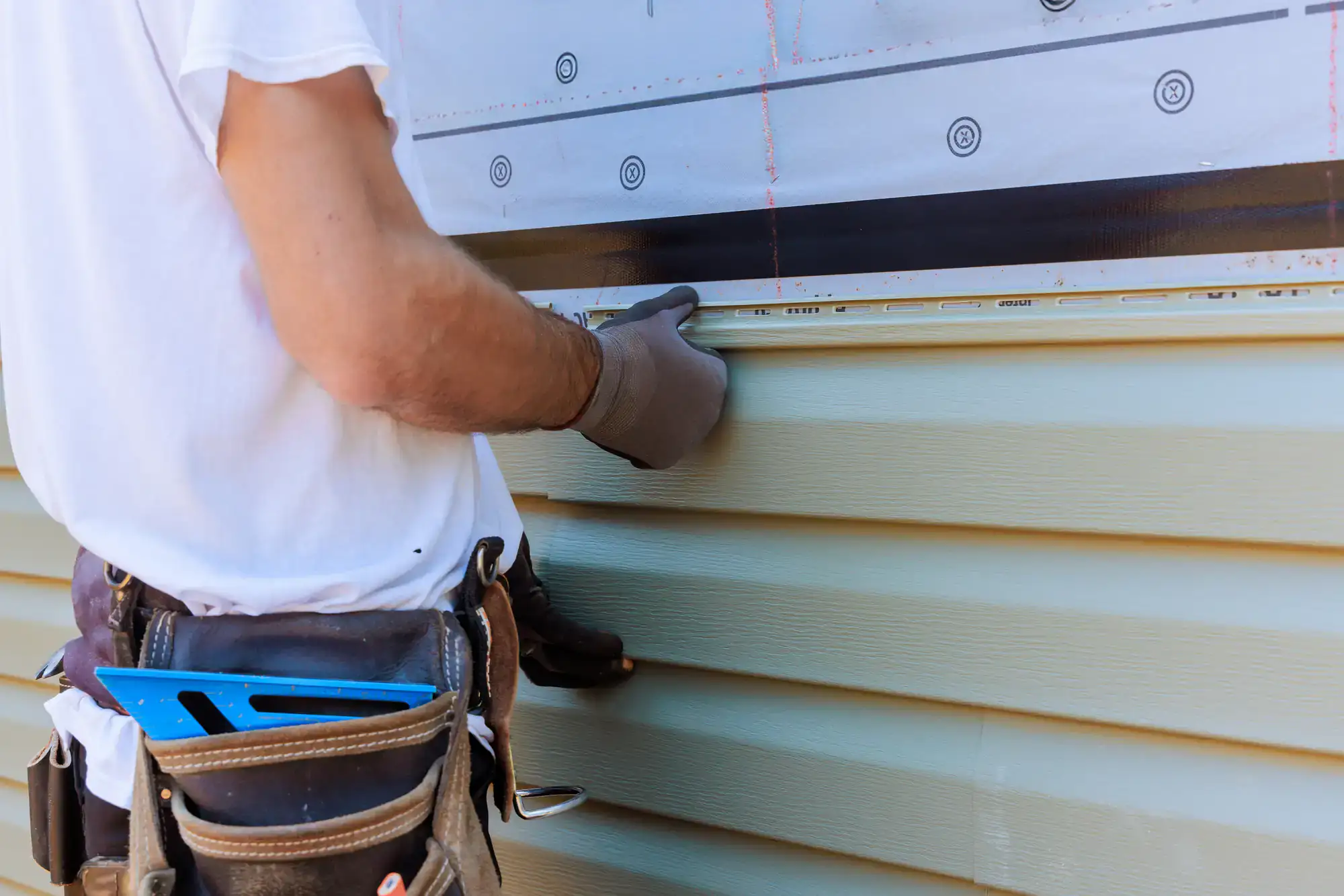
Installation starts with proper prep work. We remove old siding carefully, inspect and repair sheathing if needed, and install weather-resistant barriers that keep moisture out. Then we install your new siding using coastal-grade fasteners and techniques that prevent wind-driven rain from finding its way behind panels.
We finish with trim work, caulking, and a thorough cleanup. You get a final walkthrough where we explain maintenance requirements and answer any questions. The whole process typically takes one to three weeks depending on your home’s size and complexity.
Ready to get started?
You get a complete material assessment upfront. We don’t push one product—we explain how vinyl, fiber cement, wood, and metal each perform in East Hampton’s coastal environment. Salt air accelerates corrosion and breaks down finishes faster here than inland, so material choice matters more than you might think.
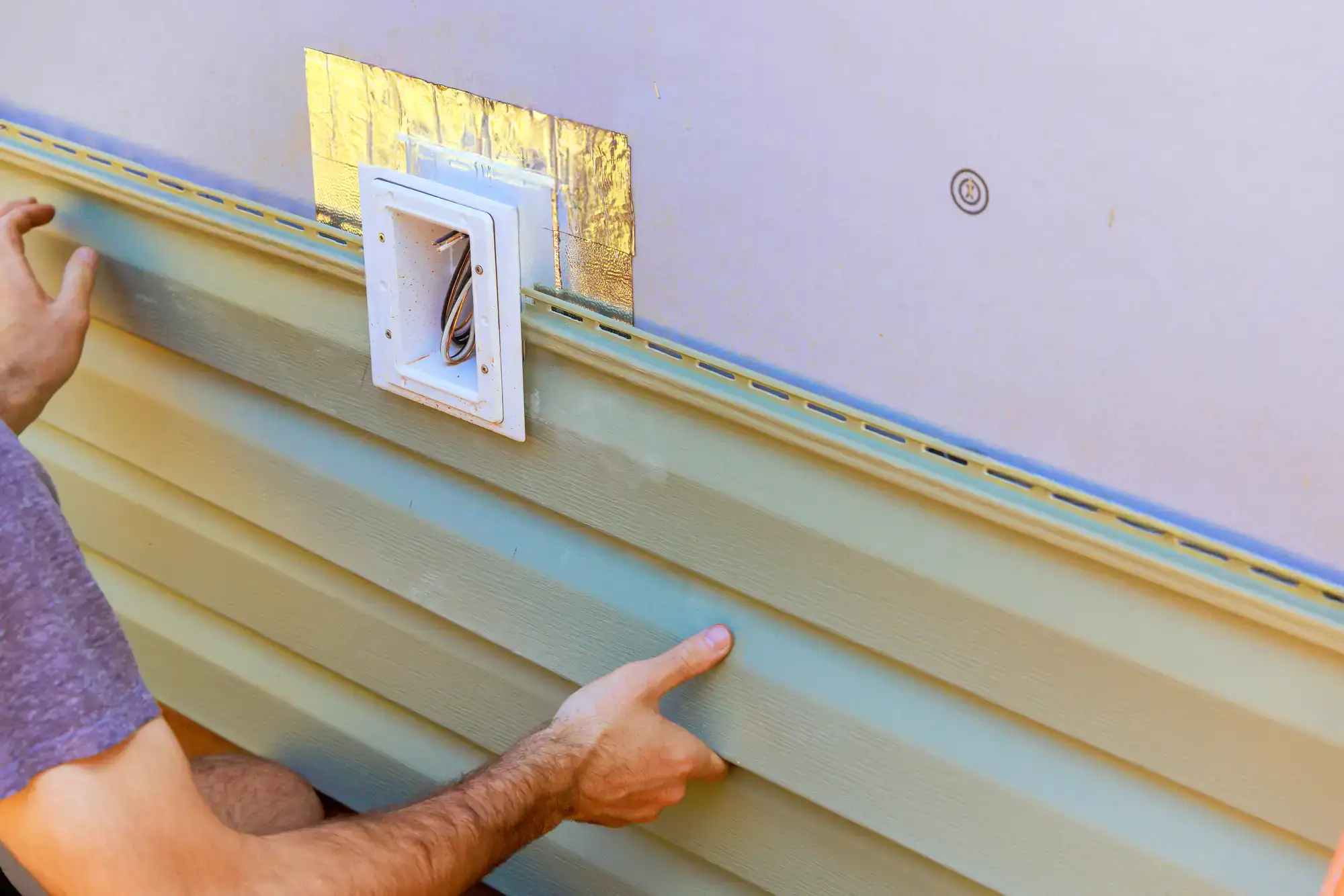
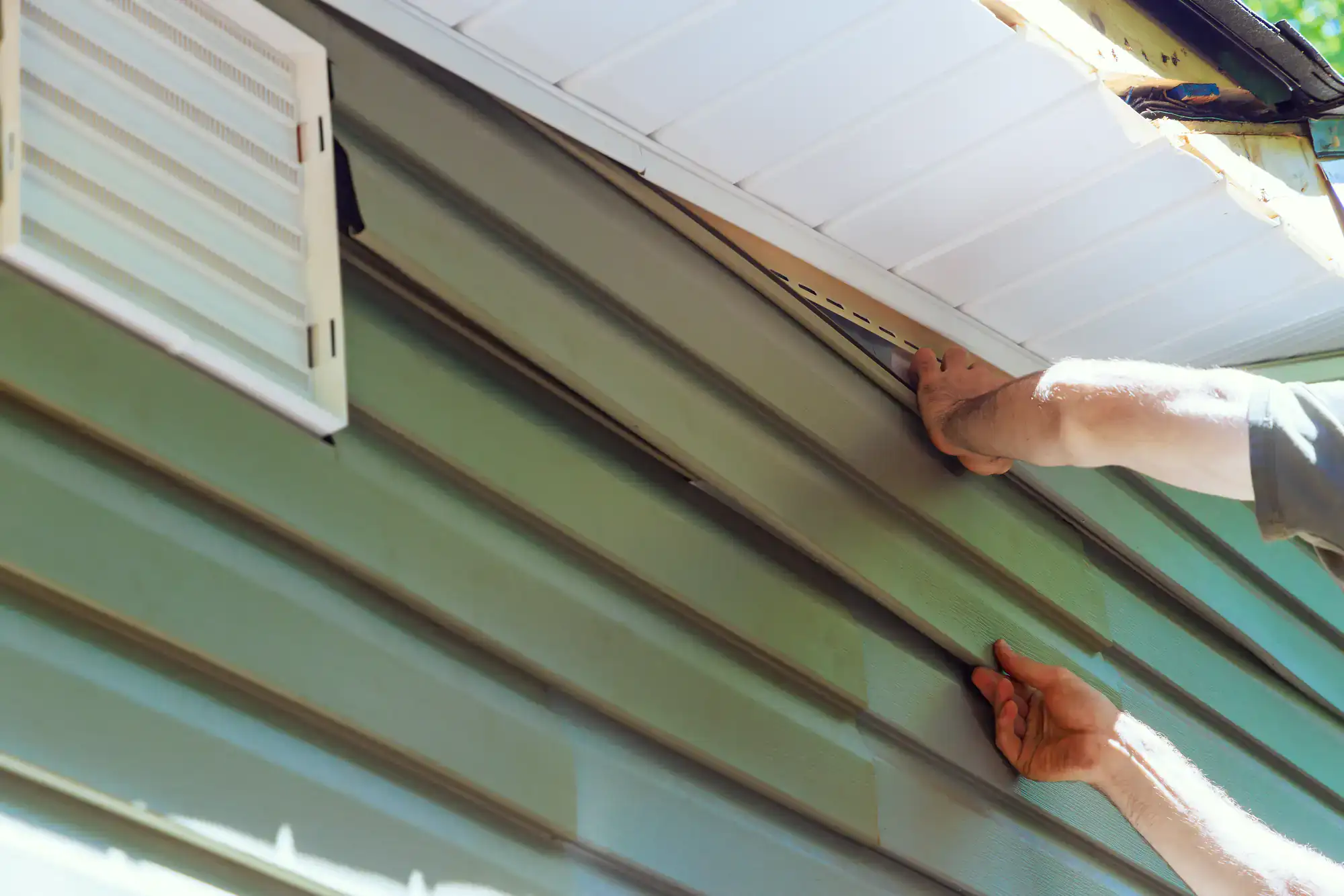
Installation includes all necessary prep work, moisture barriers, and proper flashing around windows and doors. Those details determine whether your siding protects your home or just covers it. We use marine-grade fasteners that won’t corrode from salt exposure, and we account for thermal expansion in our spacing—critical for preventing buckling during Long Island’s temperature swings.
East Hampton’s architectural styles lean toward classic cedar-shake aesthetics, and modern fiber cement replicates that look with realistic grain textures. You get the prestigious appearance without constant sealing and staining. If you prefer darker tones—charcoal, deep navy, forest green—those are trending in 2026 alongside traditional coastal colors like soft grays and ocean blues.
Every installation comes with transparent communication throughout the project. You’ll know the timeline, the process, and what to expect each day. And because we’re local, we’re available after installation if you have questions or concerns.
Fiber cement performs best in salt air and high humidity. It doesn’t absorb moisture, won’t rot, resists insects and fire, and handles salt exposure without breaking down. You’re looking at 30 to 50 years of protection with maintenance limited to repainting every 10 to 15 years.
Vinyl is your second-best option if budget matters. Modern vinyl with thermal backing and UV-resistant coatings holds up well, though cheaper vinyl can crack during temperature swings. The key is proper installation—panels need room to expand and contract, or they’ll buckle.
Cedar looks beautiful and offers natural water resistance, but it demands regular maintenance in coastal areas. Salt air accelerates weathering, so you’re sealing or staining every few years. If you love the authentic wood look and don’t mind the upkeep, it’s a solid choice. If you want that aesthetic without the work, fiber cement with wood-grain textures gives you both.
Expect to invest between $8,000 and $35,000 for most East Hampton homes, depending on material choice, home size, and architectural complexity. Vinyl runs $3 to $8 per square foot installed. Fiber cement costs $5 to $14 per square foot. Cedar ranges from $6 to $12 per square foot, plus higher long-term maintenance costs.
Those numbers include removal of old siding, prep work, moisture barriers, installation, and trim. They don’t include repairs to underlying structure if we find rot or damage during removal—that’s addressed separately after inspection.
East Hampton’s average home price sits around $2.5 million, and proper siding installation protects that investment while improving energy efficiency. Fiber cement recoups about 70-76% of its cost at resale, and buyers in this market recognize quality immediately. Cutting corners on installation or materials costs you more in repairs and energy bills over time.
Most residential siding installations in East Hampton take one to three weeks. A straightforward ranch might be done in a week. A larger two-story home with complex trim work and multiple dormers might take three weeks or slightly longer.
Weather affects the timeline—we don’t install during heavy rain or high winds because moisture behind siding causes problems, and wind prevents proper adhesion of moisture barriers. East Hampton’s coastal weather can be unpredictable, so we build some flexibility into schedules.
The process breaks down like this: one to two days for removal and inspection, one day for repairs if needed, one to two days for moisture barrier installation, then the bulk of time goes to siding installation and trim work. We clean up daily and do a final detailed cleanup at project completion. You’ll have a clear timeline before we start, and we’ll keep you updated if weather or unexpected issues affect the schedule.
Yes. Coastal installations require marine-grade fasteners that resist corrosion from salt air. Standard fasteners rust out within a few years, leading to loose panels and water infiltration. We use stainless steel or hot-dipped galvanized fasteners on every East Hampton installation.
Moisture barriers need to be more robust in coastal areas. We use weather-resistant barriers rated for high-wind, high-moisture environments, and we pay extra attention to flashing around windows, doors, and roof intersections. Wind-driven rain is relentless here—if there’s a gap, water will find it.
Panel spacing also matters more in coastal climates. Temperature and humidity swings are more extreme near the ocean, so siding expands and contracts more than it would inland. Proper spacing prevents buckling and warping. These aren’t details you’ll see, but they determine whether your siding lasts five years or fifty.
Fiber cement needs repainting every 10 to 15 years and occasional cleaning to remove salt buildup. That’s it. No sealing, no rot repairs, no insect damage to address. It’s the lowest-maintenance option that still delivers premium appearance and protection.
Vinyl requires even less—mainly periodic cleaning with a garden hose or pressure washer on low setting. Check caulking around windows and doors every few years and reapply where needed. Quality vinyl doesn’t need painting, though it can fade slightly over 20-plus years in direct sun.
Cedar demands the most attention. You’re sealing or staining every two to four years in coastal conditions, inspecting for rot annually, and replacing damaged boards as needed. Salt air accelerates weathering, so maintenance cycles are shorter here than inland. If you skip maintenance, cedar deteriorates quickly in East Hampton’s climate.
Look for visible warping, cracking, or rot—those are obvious signs. But the less obvious indicators matter more: rising energy bills suggest air is leaking through gaps, interior moisture or mold points to water getting behind siding, and paint peeling or bubbling means moisture is trapped inside.
Check your siding after storms. If you’re finding loose or missing panels regularly, the installation wasn’t done right or the material has reached end of life. Tap on siding in a few spots—if it sounds hollow or feels soft, there’s likely rot underneath.
Most vinyl lasts 20-30 years, fiber cement goes 30-50 years, and cedar needs replacement or major restoration every 15-25 years depending on maintenance. If your siding is approaching those ages and showing any of the signs above, replacement makes more sense than ongoing repairs. We can assess your current siding and give you a straight answer about whether you need replacement now or can wait a few years.
Other Services we provide in East Hampton