
Hear from Our Customers
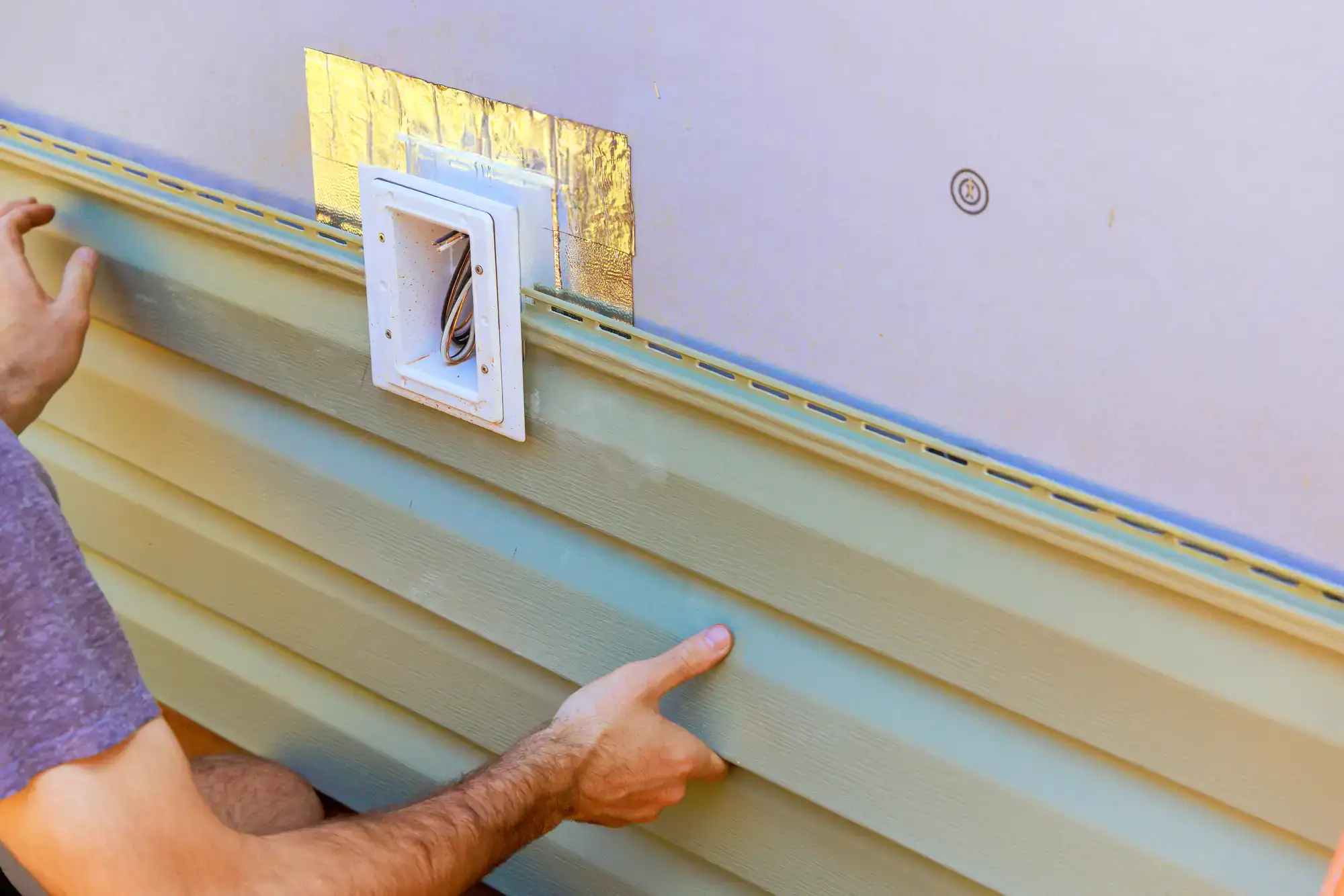
Salt air doesn’t take breaks. Neither does the humidity rolling off the water on all sides of your property. Standard siding installation fails here because most contractors treat Eatons Neck like it’s inland—and it’s not.
Proper exterior siding installation in this coastal zone means marine-grade fasteners that won’t corrode in two years. It means moisture barriers designed for the humidity levels you actually face, not what works in Smithtown. It means ventilation systems that account for the constant dampness trying to work its way behind your walls.
When the installation is done right, you’re looking at 50 to 75 years of performance. Your energy bills drop because the insulation actually works. Storm damage becomes rare instead of routine. And you stop worrying every time the forecast mentions high winds or driving rain.
The difference isn’t the material alone. It’s understanding that Eatons Neck isn’t like everywhere else on Long Island—and building accordingly.
SkyLuxe Construction focuses exclusively on exterior work in Suffolk County. We’re not generalists trying to do kitchens one week and siding the next. Roofing, siding, gutters, chimneys—that’s what we do, and we do it in conditions like yours.
Eatons Neck’s housing stock averages back to 1967. That means we’re often working with older framing, outdated sheathing, and hidden moisture damage that only shows up once the old siding comes off. We know what to look for because we’ve seen it dozens of times in coastal neighborhoods exactly like this one.
You’re not getting a crew that learned siding installation somewhere dry and flat. You’re getting people who understand that your home sits in an environment that demands different techniques, better materials, and actual experience with salt air exposure.
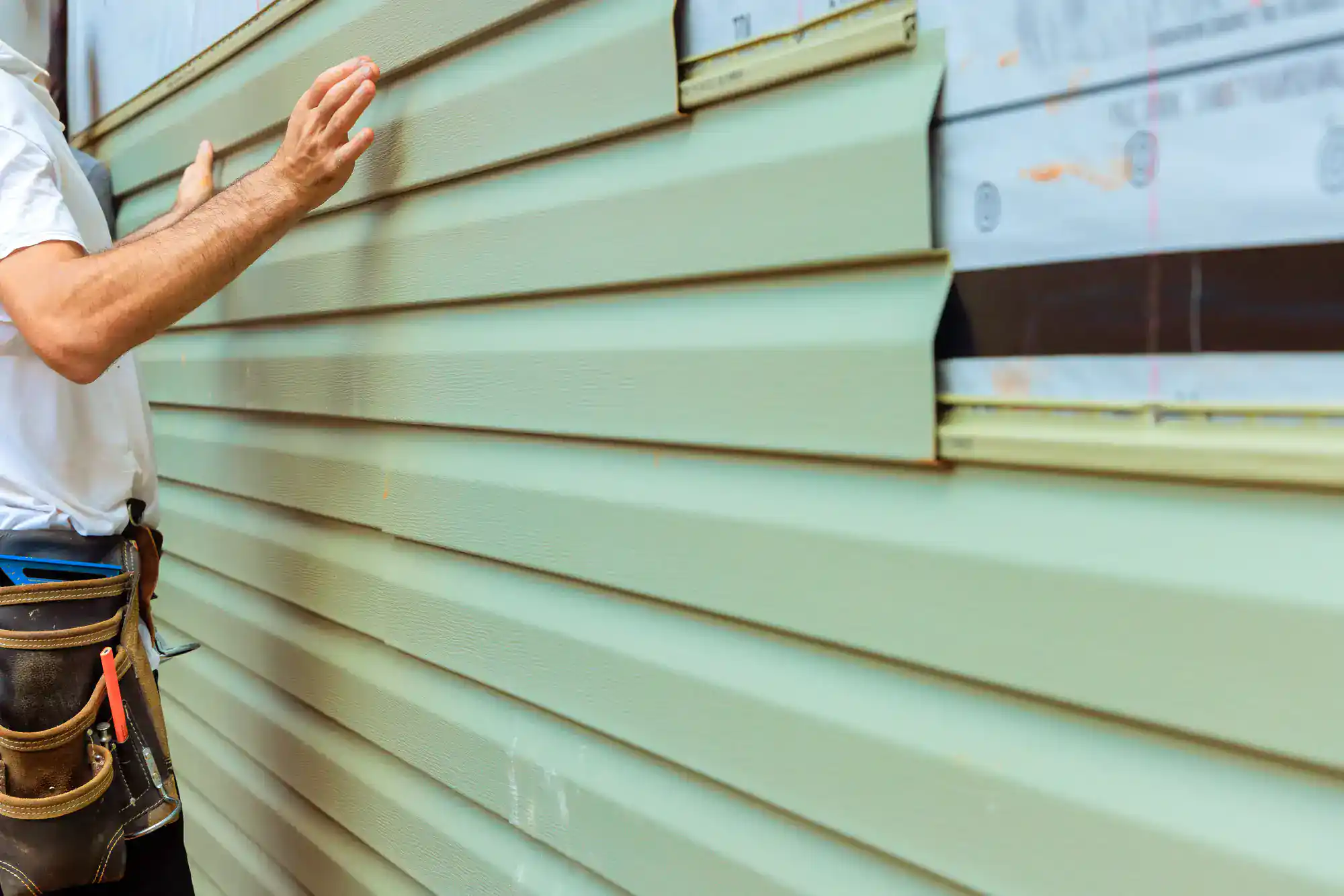
First, we inspect what’s under your current siding. Coastal homes hide problems—rot, failing sheathing, moisture trapped in walls. We find it before new panels go up, not after.
Next comes prep work that matters in high-humidity environments. We install moisture barriers rated for coastal exposure. We use marine-grade fasteners that won’t rust out. We build in ventilation that lets your walls breathe instead of trapping dampness that breeds mold.
Then the siding goes up with attention to the details that fail first in salt air. Proper flashing around windows and doors. Sealed seams that won’t let wind-driven rain through. Expansion gaps that account for Long Island’s temperature swings from summer heat to winter freeze.
The final step is a walkthrough where you see exactly what was done and why. We explain the maintenance schedule—usually just a wash-down every few years—and what to watch for as your siding settles into its first seasons of coastal weather.
The whole process typically takes one to two weeks depending on your home’s size and what we find when the old siding comes off. No surprises on cost, no shortcuts on installation, no guessing whether it’ll hold up when the next nor’easter rolls through.
Ready to get started?
Vinyl siding runs about $7 to $12 per square foot installed in this area. Fiber cement costs more—$20,000 to $35,000 for most Eatons Neck homes—but it handles salt air better and typically adds $18,000 to $28,000 in resale value. Cedar looks beautiful and ages into a natural patina that fits the coastal aesthetic, but it needs maintenance every three to five years.
The return on investment for quality siding installation sits between 80% and 89% at resale. That’s better than most kitchen remodels and significantly better than adding a deck. In a market where median home values hit $1.3 million, that percentage translates to real money.
What matters more than material cost is installation quality. Cheap vinyl installed wrong fails in five years. Quality fiber cement installed by people who understand coastal construction lasts generations. The difference isn’t always visible from the curb, but it shows up in your energy bills, your maintenance costs, and whether your walls are growing mold behind the siding.
Eatons Neck has seen 45 hurricanes since 1930, plus nor’easters that hit harder than hurricanes sometimes. Your siding needs to be installed like those storms are coming—because they are. Proper installation means impact resistance, wind ratings that matter, and fastening patterns that keep panels attached when wind speeds hit 80 mph.
You’re also getting work that meets current energy codes and wetland setback regulations that apply in coastal Suffolk County. That means proper permits, inspections that pass the first time, and documentation that protects your home’s value if you sell.
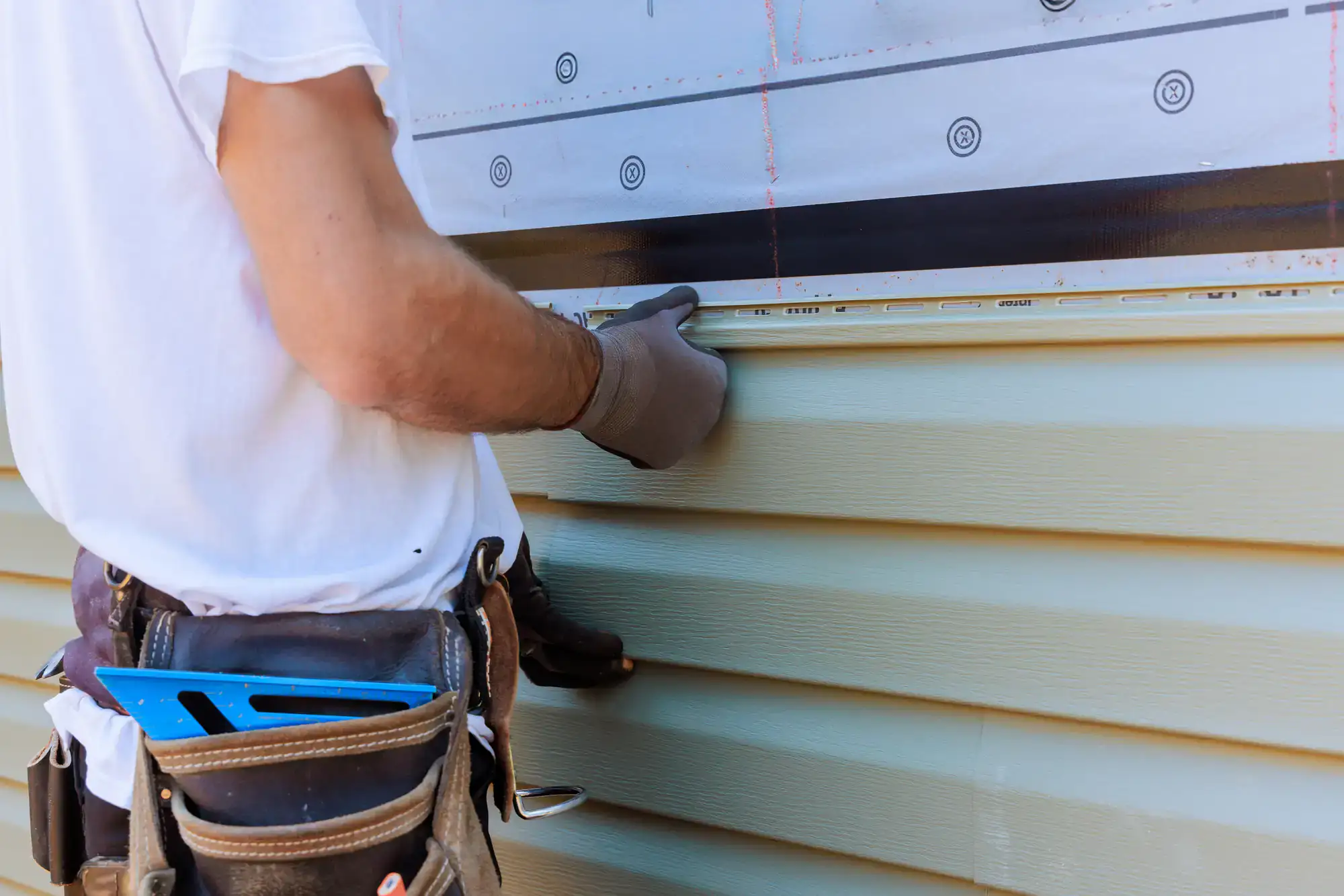
Fiber cement and quality vinyl both perform well in coastal environments, but for different reasons. Fiber cement resists salt corrosion better and won’t warp in humidity. It’s heavier, which means better wind resistance, and it doesn’t fade as quickly under constant UV exposure from sun reflecting off the water.
Vinyl costs less and requires almost no maintenance beyond occasional washing. Modern vinyl formulations handle salt air much better than older versions, but you need thicker panels—not the builder-grade stuff that warps in summer heat. Look for vinyl rated at least .044 inches thick with UV inhibitors built into the material, not just surface coatings that wear off.
Cedar looks incredible and fits the coastal aesthetic perfectly, but it demands maintenance. Plan on cleaning and re-staining every three to five years, and budget for that time and cost. The upside is that cedar ages beautifully into a silvered patina if you choose to let it weather naturally, and it significantly boosts curb appeal and resale value in neighborhoods like Eatons Neck where architectural character matters.
Most residential siding installation in Eatons Neck takes one to two weeks from start to finish. That timeline assumes we’re working on a 2,000 to 2,500 square foot home without major structural issues hidden behind the old siding.
The timeline stretches if we find rot, failing sheathing, or moisture damage that needs repair before new siding goes up. That’s common in coastal homes, especially those built in the 1960s and 70s. We won’t cover up problems—that just makes them worse and more expensive down the road.
Weather affects the schedule too. We don’t install siding in heavy rain or high winds, and we won’t rush through steps that need dry conditions to perform correctly. Moisture barriers need time to seal properly. Caulking needs to cure. Cutting corners to hit an arbitrary deadline is how installations fail in three years instead of lasting fifty.
Yes, but the savings depend on what you’re replacing and how well the new installation handles moisture and air sealing. Older siding from the 1960s and 70s usually has minimal insulation behind it and plenty of gaps where air leaks through. Modern siding installation includes proper moisture barriers that also function as air barriers, plus insulation options that weren’t available when your home was built.
Insulated vinyl adds R-value directly to your walls without making the siding thicker or heavier. Fiber cement over properly installed foam board insulation creates a thermal break that reduces heat transfer in summer and winter. Even standard vinyl over house wrap performs better than old aluminum or deteriorated wood siding with no barrier at all.
The energy savings show up as lower heating bills in winter and reduced AC costs in summer. Coastal homes face temperature swings from water on three sides—cooler in summer, but wind chill in winter that drives heating costs up. Better insulation and air sealing from professional siding installation typically cuts energy costs by 15% to 25%, which adds up over decades of ownership in a climate this demanding.
We stop, document it, and give you a clear explanation of what needs repair before new siding goes up. Covering rot or failing sheathing doesn’t make it go away—it makes it worse because new siding traps moisture against damaged wood that continues deteriorating out of sight.
Repairs usually involve replacing sections of sheathing, treating or replacing rotted framing, and addressing whatever caused the moisture problem in the first place. Sometimes it’s failed flashing around windows. Sometimes it’s a gutter that’s been overflowing for years. Sometimes it’s just decades of coastal humidity working its way into walls through gaps in old siding that wasn’t installed with proper moisture barriers.
The cost for repairs depends on how extensive the damage is. Minor rot around a few windows might add $500 to $1,000. Widespread sheathing replacement on a wall that faces the water could add several thousand. We give you the numbers before any repair work starts, and we explain why each repair matters for the long-term performance of your new siding. You’re not getting upsold—you’re getting an honest assessment of what your walls need to support siding that lasts fifty years instead of failing in five.
Yes, and the permit process in coastal Suffolk County involves more scrutiny than inland towns. You need a building permit that covers the siding installation itself, and depending on your property’s proximity to wetlands or waterfront, you may need additional approvals from the town’s environmental review board.
Eatons Neck has wetland setback regulations that affect what work can be done and how close to the water it can happen. If your home sits within those setback zones, expect the permit process to take longer and require more documentation. That’s not a problem if your contractor knows the local requirements and submits complete applications the first time.
We handle the permit process as part of the installation. That means pulling the permits, scheduling inspections, and making sure the work meets current energy codes and coastal construction standards. You don’t need to visit town hall or figure out which forms to file. The permits also protect you—they create an official record that the work was done to code, which matters for insurance claims and resale value down the road.
Vinyl siding installation typically runs $14,000 to $24,000 for a 2,000 square foot home in Eatons Neck. Fiber cement costs more—usually $20,000 to $35,000 for the same size home—but it lasts longer and adds more resale value. Cedar siding sits at the higher end, often $30,000 to $40,000, but it delivers the coastal aesthetic that fits this neighborhood and can boost property value by $15,000 to $30,000 at resale.
Those ranges assume straightforward installation on a home without major structural issues. Costs go up if we find extensive rot, failing sheathing, or moisture damage that needs repair before new siding goes up. They also increase for homes with complex architecture, multiple stories, or difficult access that slows down the installation process.
The investment makes sense when you consider that quality siding installation returns 80% to 89% of its cost at resale—better than most other home improvements. In a market where median home values exceed $1.3 million, that percentage translates to significant money back when you sell. More immediately, you get lower energy bills, eliminated maintenance headaches, and protection against the salt air and storms that damage cheaper installations within a few years.
Other Services we provide in Eatons Neck