
Hear from Our Customers
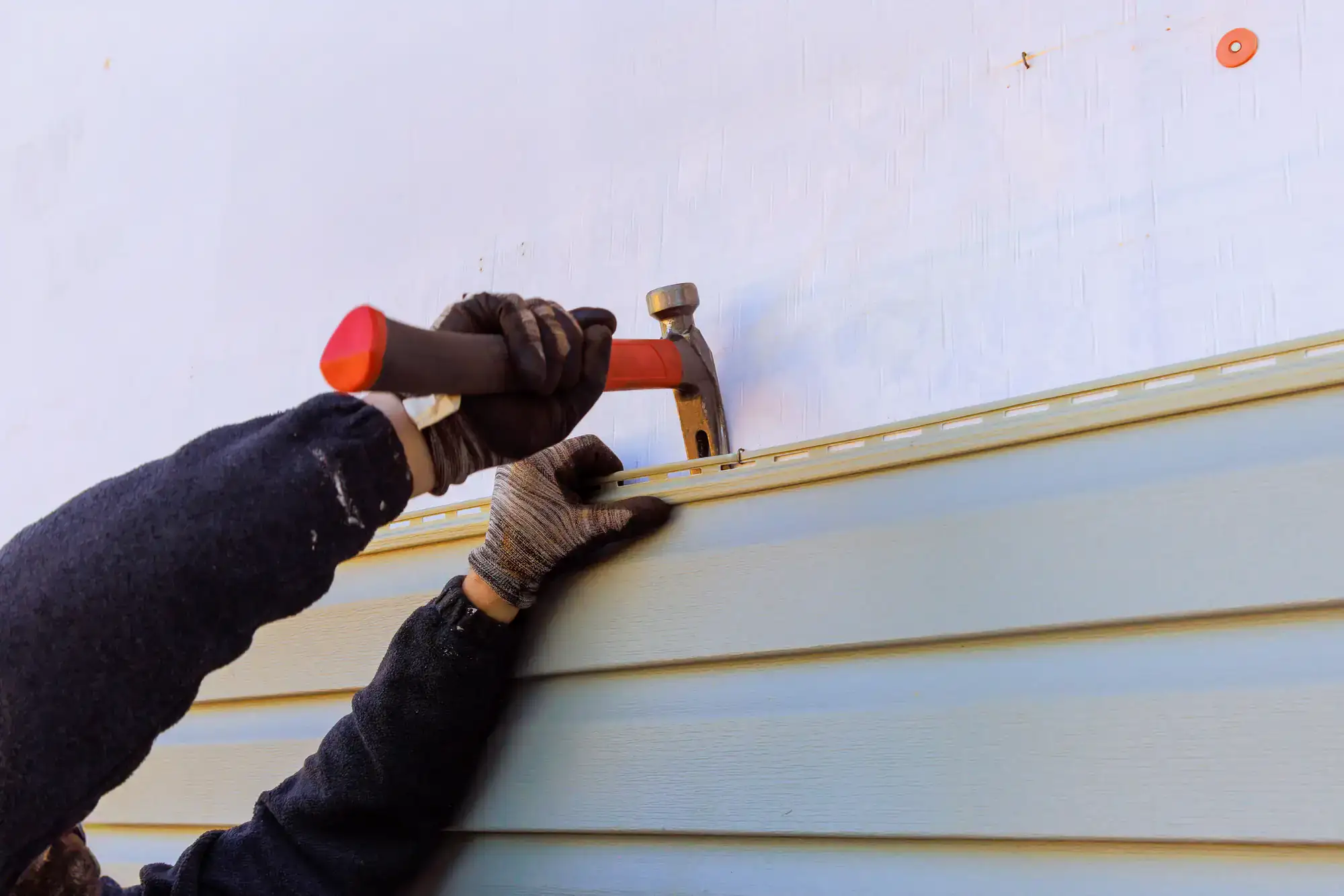
Your siding takes a beating out here. Salt spray corrodes fasteners, nor’easters rip off poorly installed panels, and humidity works its way behind anything that’s not sealed right. Standard installation doesn’t cut it.
When your siding is done correctly with coastal-rated materials, you stop worrying every time the forecast shows wind. Your heating and cooling costs drop because insulated siding actually keeps conditioned air inside. Your home value goes up because buyers see a property that’s been maintained with the right materials, not patched together with whatever was cheapest.
You also stop dealing with the constant maintenance cycle. Modern fiber cement and insulated vinyl siding don’t need repainting every few years. They resist the mold and rot that wood siding invites in this climate. A quick rinse once or twice a year is about all the upkeep required.
We specialize in exterior work across Suffolk County, and Fire Island presents challenges most contractors don’t understand. The ferry logistics, the salt air, the exposure to direct ocean weather—it all requires different thinking.
Our team brings decades of combined experience to every siding installation in Fire Island, NY. We’re licensed and insured, and we’ve built our reputation on doing the job right the first time. That means using corrosion-resistant fasteners, proper flashing around every opening, and materials rated for coastal exposure.
Fire Island homeowners deal with enough complications already. You shouldn’t have to wonder if your contractor knows how to handle the conditions here or if we’re going to disappear when you need warranty work done.
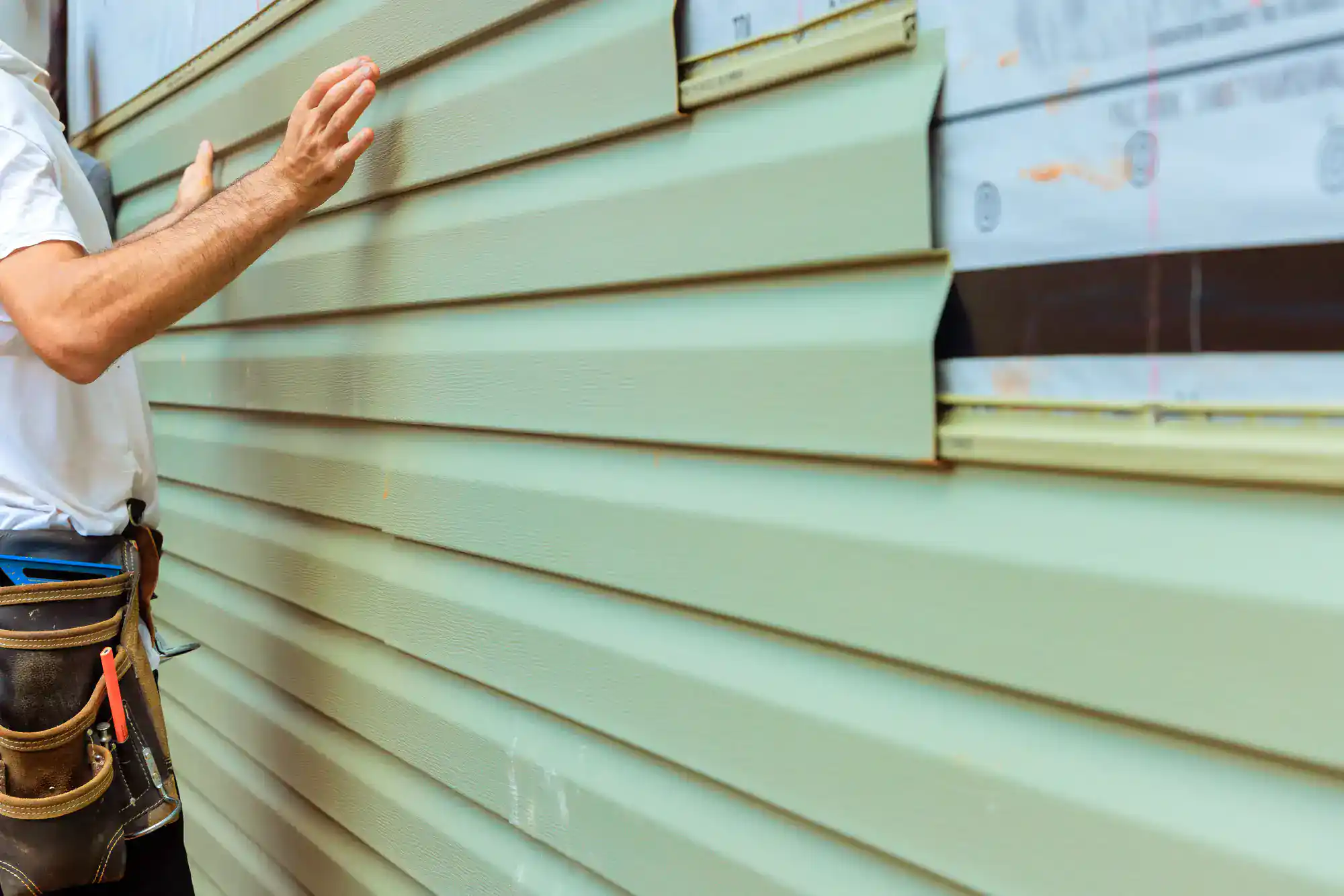
We start with an inspection of your current siding and the sheathing underneath. If there’s water damage or rot, you need to know before new siding goes up. We document everything and give you a clear assessment of what needs to happen.
Once you approve the scope, we handle permits and schedule the work around ferry availability and weather windows. Materials get ordered specifically for coastal installation—that means corrosion-resistant fasteners, enhanced sealants, and siding rated for high wind zones.
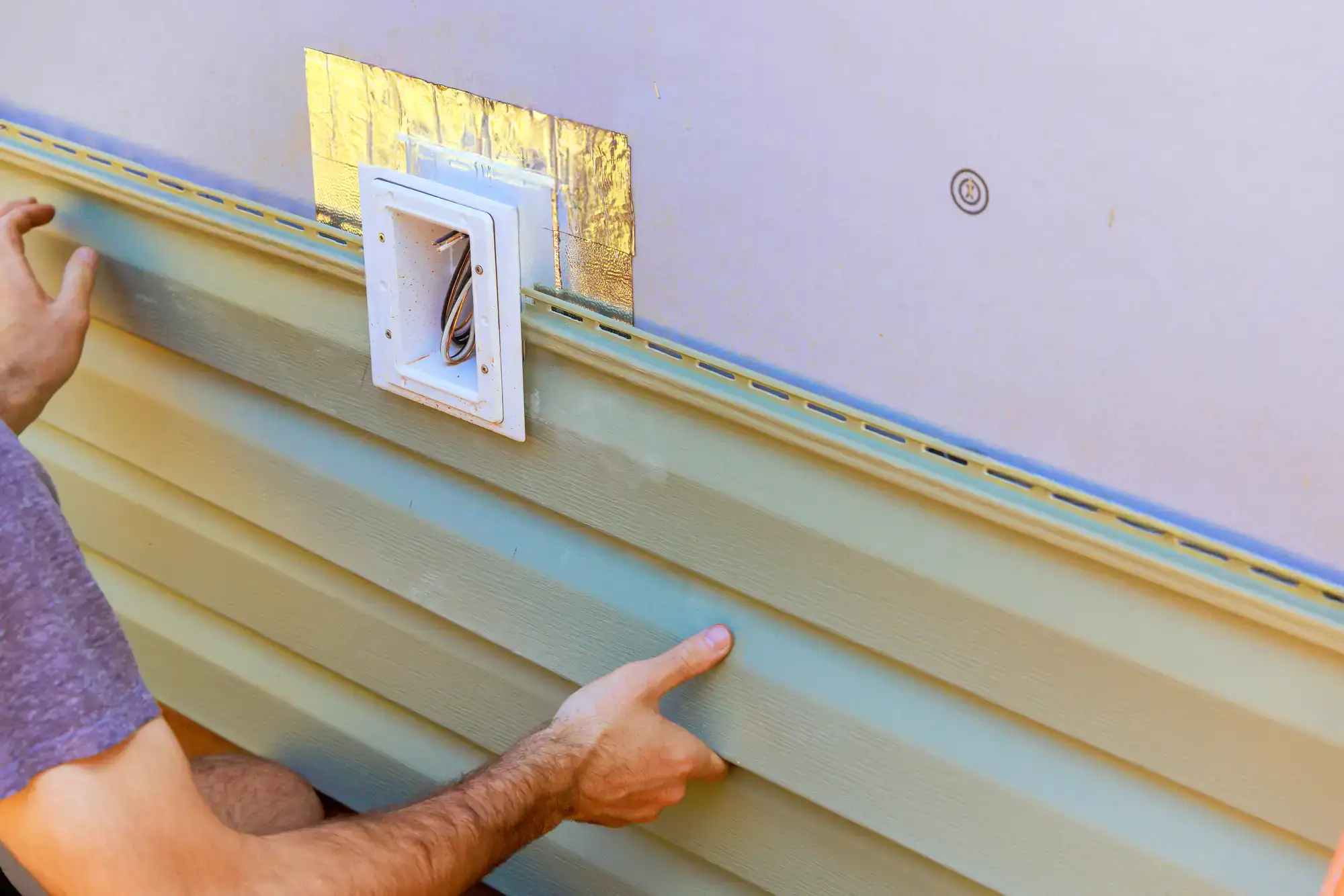
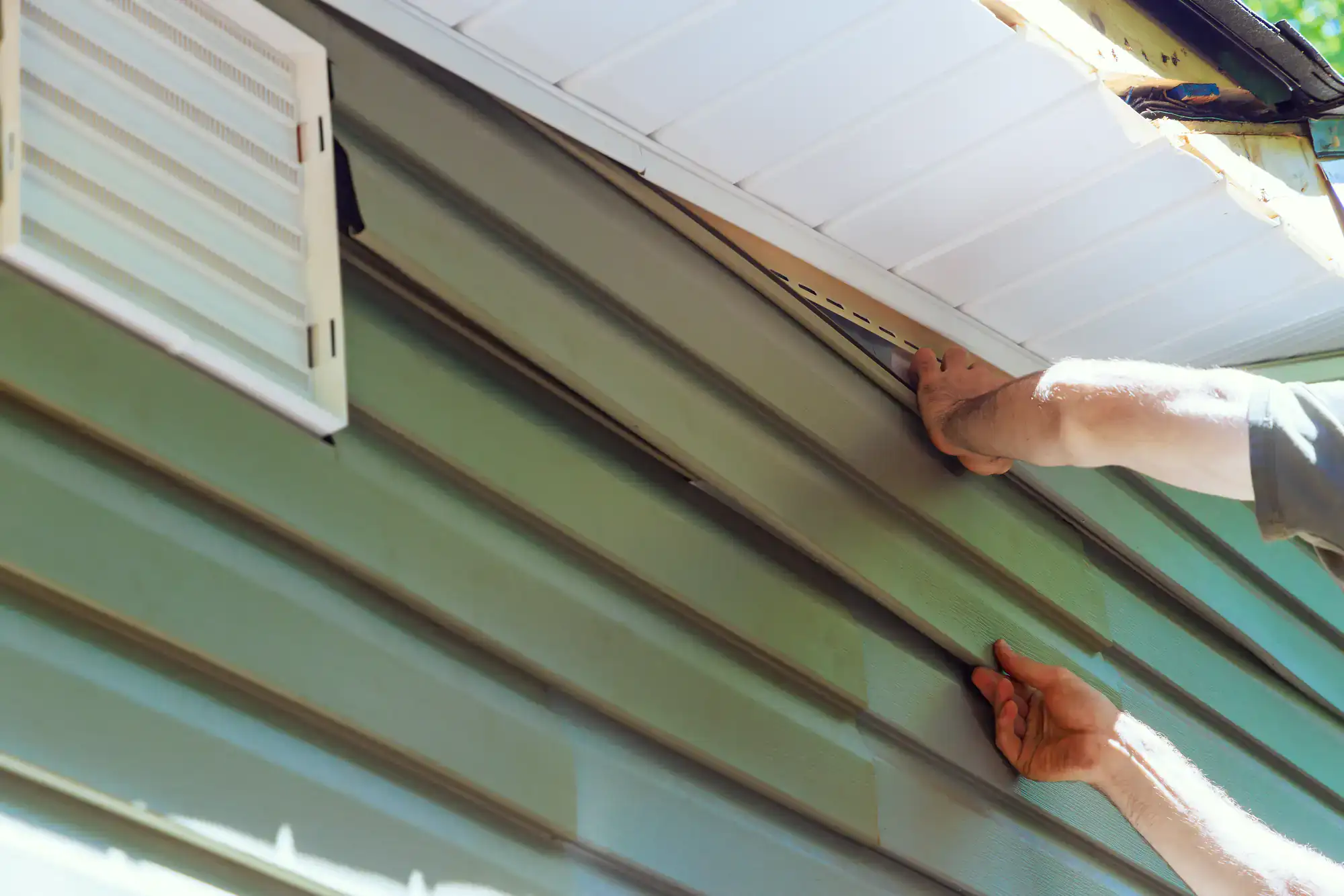
During installation, we remove old siding carefully to protect your home’s structure. We inspect and repair sheathing as needed, install proper moisture barriers, and then install your new siding with attention to every detail. Flashing goes around every window and door. Seams get sealed correctly. Fasteners go in at the right depth and spacing.
After installation, we walk you through the completed work, clean up completely, and provide documentation for your records. You get warranty information for both materials and labor, plus guidance on the minimal maintenance required.
Ready to get started?
Fire Island properties need siding that can handle wind speeds up to 110 mph when storms roll through. That’s not marketing talk—that’s the difference between keeping your home protected and filing an insurance claim after the next nor’easter.
Fiber cement siding offers the best durability for coastal homes here. It won’t rot, it resists salt corrosion, and it’s fire-resistant. Insulated vinyl siding is another solid choice if you want lower maintenance and better energy efficiency. Both options deliver strong ROI—fiber cement typically returns 80-88% of cost at resale, while vinyl returns 74-80%.
The real value comes from proper installation. Generic contractors miss critical steps like using coastal-rated fasteners, installing moisture barriers correctly, and sealing every penetration. Those shortcuts turn into expensive problems when water gets behind your siding or panels start failing during storms. You’re also looking at energy savings between 10-15% annually when insulated siding is installed correctly, which adds up over the years you own the property.
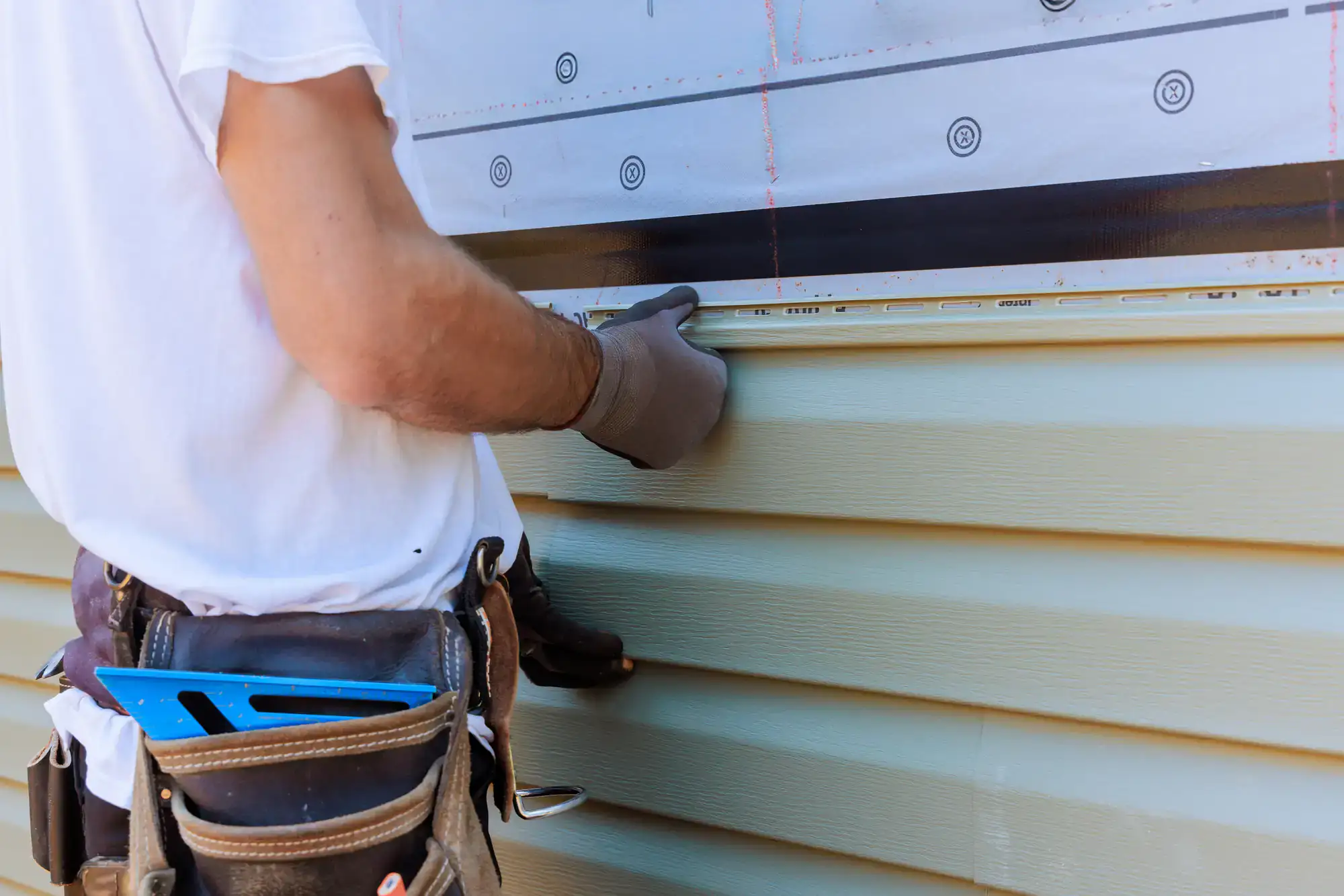
Most residential siding installation projects in Fire Island, NY take between one and three weeks, depending on your home’s size and complexity. Weather delays happen more frequently here than inland because we can’t install in high winds or heavy rain.
Ferry scheduling adds time to the process. Materials and crews have to coordinate around ferry capacity, which means we often stage materials in advance and plan crew schedules carefully. If we discover underlying damage to sheathing or framing during removal of old siding, that extends the timeline—but it’s better to fix those issues than cover them up.
We give you a realistic timeline upfront and keep you updated if anything changes. Rushing a siding job to meet an arbitrary deadline is how you end up with problems later.
Fiber cement and insulated vinyl siding are your best options for Fire Island’s salt air and storm exposure. Fiber cement is extremely durable, resists fire and pests, and handles moisture better than wood. It requires repainting every 10-15 years but otherwise needs minimal maintenance.
Insulated vinyl siding offers excellent energy efficiency, never needs painting, and resists salt corrosion completely. It’s lighter than fiber cement, which can be an advantage for older homes. The insulation backing provides better soundproofing and thermal performance than standard vinyl.
Wood siding looks beautiful but requires constant maintenance in this environment. Salt air accelerates paint failure, and humidity promotes rot and mold. If you choose wood, expect to repaint every 3-5 years and replace rotted sections regularly. Most Fire Island homeowners find that trade-off isn’t worth it.
Insulated siding typically reduces heating and cooling costs by 10-15% when installed correctly over properly sealed sheathing. That translates to real savings, especially if you use your Fire Island home year-round or during shoulder seasons when you’re running heat or AC.
The insulation backing creates a thermal barrier that slows heat transfer through your walls. In summer, it keeps cool air inside. In winter, it keeps heated air from escaping. You’ll notice the difference in comfort before you see it on your utility bill—rooms stay more consistent in temperature, and your HVAC system doesn’t cycle as frequently.
The energy savings alone won’t pay for new siding installation in Fire Island, NY within a few years, but combined with the increased home value, storm protection, and reduced maintenance, the investment makes financial sense. You’re also protecting against the much higher costs of water damage and structural repairs that failing siding causes.
Siding installation in Fire Island, NY typically runs 15-25% higher than mainland Long Island projects due to ferry transportation costs and logistics. For vinyl siding, expect to invest $10,000-$24,000+ depending on your home’s size. Fiber cement siding generally costs $14,000-$28,000+ for similar square footage.
Those ranges cover materials, labor, permits, and standard prep work. If we find rot or structural damage during old siding removal, repairs add to the cost. Complex architectural details, multiple stories, and difficult access also affect pricing.
Fire Island properties are valuable investments—median home values here range from $550,000 to over $4 million. Proper siding installation protects that investment and typically returns 74-88% of cost when you sell. Cheap siding jobs that fail during storms or allow water infiltration end up costing far more in repairs and lost home value.
Yes, siding installation in Fire Island, NY requires permits from the local municipality. The permit process ensures work meets building codes and coastal construction standards. This protects you—proper permits mean inspections happen, which catches installation problems before they’re covered up.
Permits also matter for insurance and resale. If you ever file a storm damage claim, insurance companies verify that work was permitted and done to code. Unpermitted work can void coverage or reduce claim payouts. When you sell, buyers’ inspectors look for permit records on major exterior work.
We handle the permit application process as part of our siding installation service. We know what documentation the local building department requires, and we schedule inspections at the right phases of work. You don’t have to navigate that process yourself or worry about whether everything’s compliant.
If more than 30% of your siding shows damage, replacement usually makes more sense than patching. Look for cracks, warping, loose panels, or areas where moisture has gotten behind the siding. Check for mold or mildew that won’t wash off—that indicates water infiltration.
Also consider your energy bills. If heating and cooling costs have climbed steadily, failing siding could be letting conditioned air escape. Run your hand along interior walls on cold or hot days. If you feel temperature differences or drafts, your siding’s protective barrier is compromised.
Age matters too. Vinyl siding lasts 20-30 years in coastal environments, fiber cement lasts 30-50 years, and wood siding needs replacement every 15-20 years in Fire Island’s climate. If your siding is approaching the end of its expected lifespan and showing multiple problem areas, replacement gives you better long-term value than ongoing repairs.
Other Services we provide in Fire Island