
Hear from Our Customers
You’re not replacing siding just to change the color. You’re doing it because your energy bills keep climbing, or because you’re tired of scraping and repainting every few years, or because you’ve noticed water stains inside your walls.
Good siding installation in Great River, NY fixes all of that. Insulated vinyl cuts thermal bridging, which means your HVAC system doesn’t work overtime in July or January. Fiber cement and engineered materials resist rot, mold, and the kind of moisture damage that turns into expensive structural repairs.
And if you’re planning to sell in the next few years, new siding consistently delivers one of the highest returns on investment in home improvement. Buyers in Great River expect updated exteriors—homes with fresh, well-installed siding move faster and command higher offers.
SkyLuxe Construction Inc isn’t a national franchise with rotating crews. When you call, you’re talking to the same people who’ll be at your house. We’re a family-owned company that’s been serving Great River and the surrounding Suffolk County area for years.
We’re an Elite Preferred contractor for James Hardie, which means we’ve met their standards for installation quality and customer service. That’s not something they hand out to everyone. Our crews know how to handle Long Island’s building codes, coastal weather conditions, and the specific challenges that come with homes built in the 1970s—which is the median age in Great River.
You’ll get licensed, insured professionals who answer the phone when you call and show up when they say they will. That shouldn’t be rare, but it is.
First, we come out to look at your home. We’re checking for water damage, structural issues, and whether your sheathing needs attention before new siding goes up. If there’s rot or mold, we’ll tell you—because covering it up just creates bigger problems later.
Next, we walk you through material options. Insulated vinyl, fiber cement, engineered wood—each has pros and cons depending on your budget, your home’s style, and how much maintenance you want to deal with. We’ll explain what works best for coastal conditions and what doesn’t.
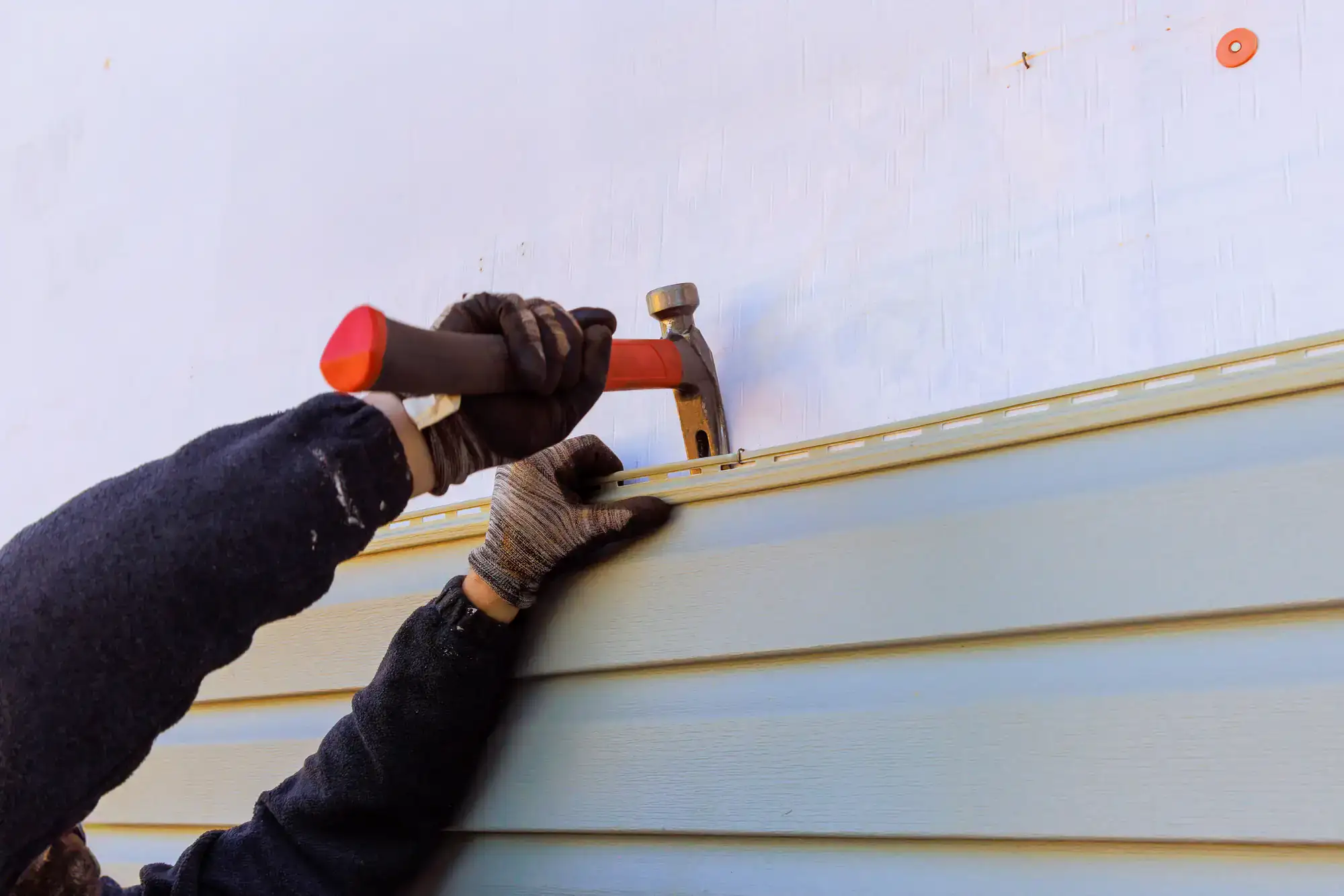
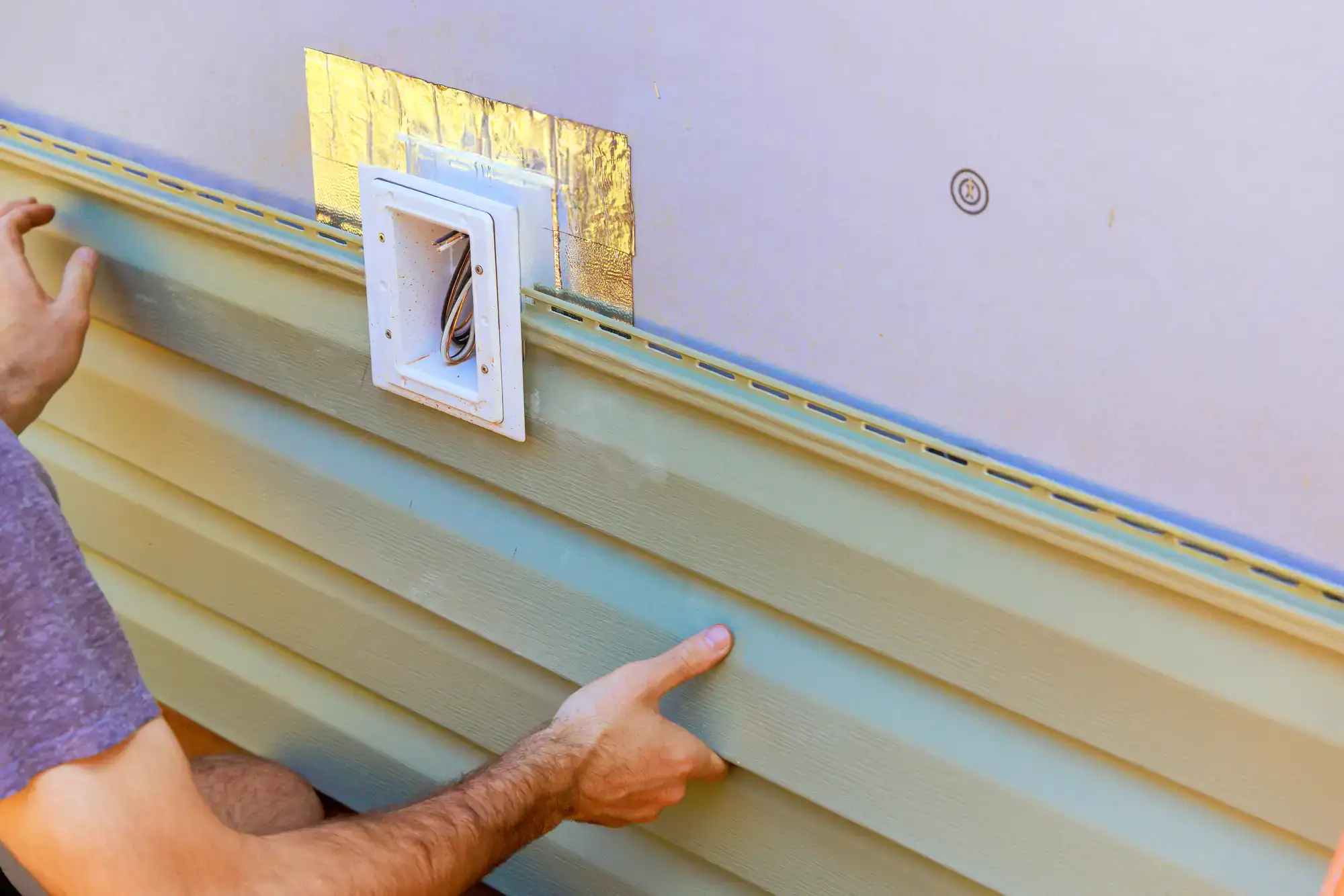
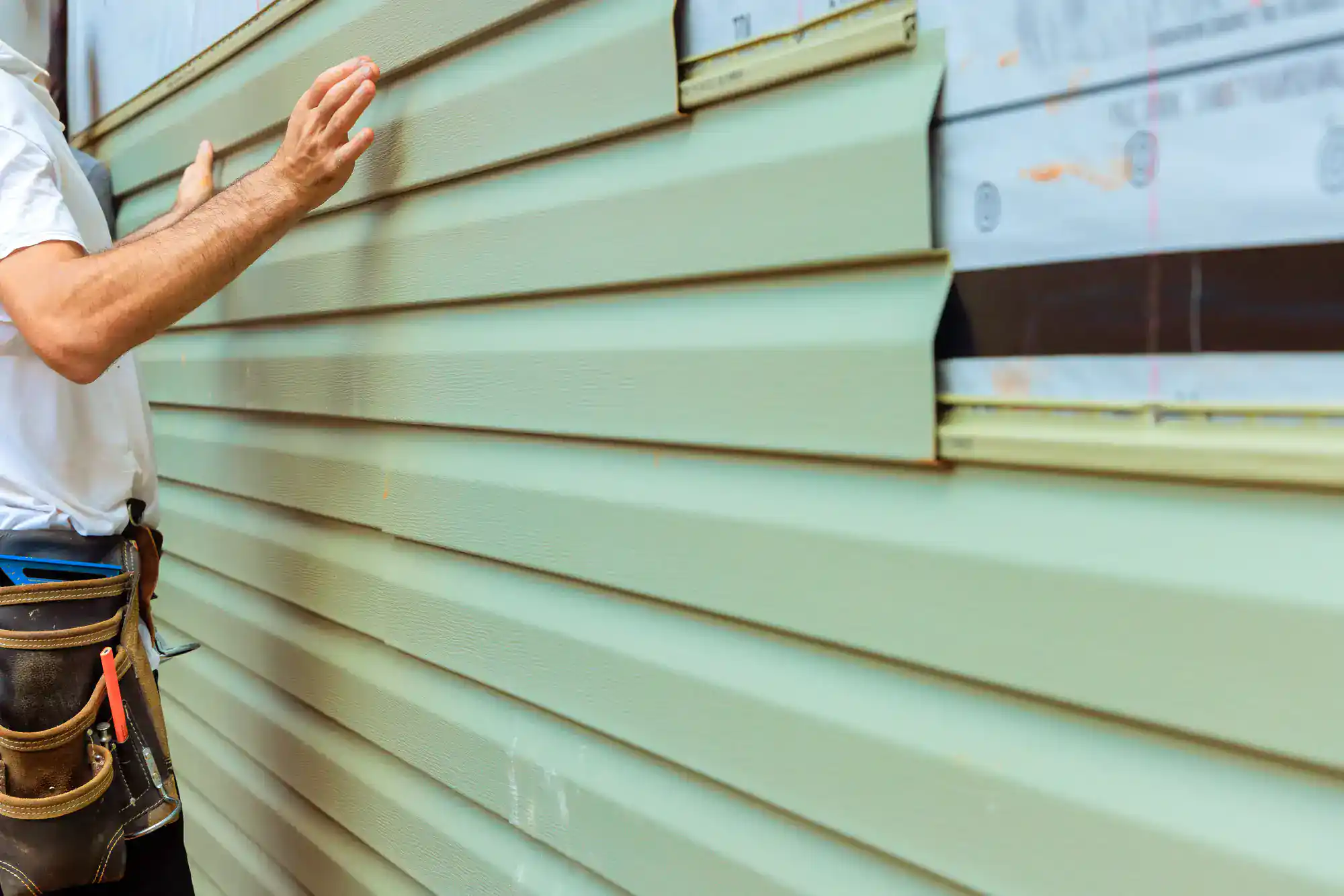
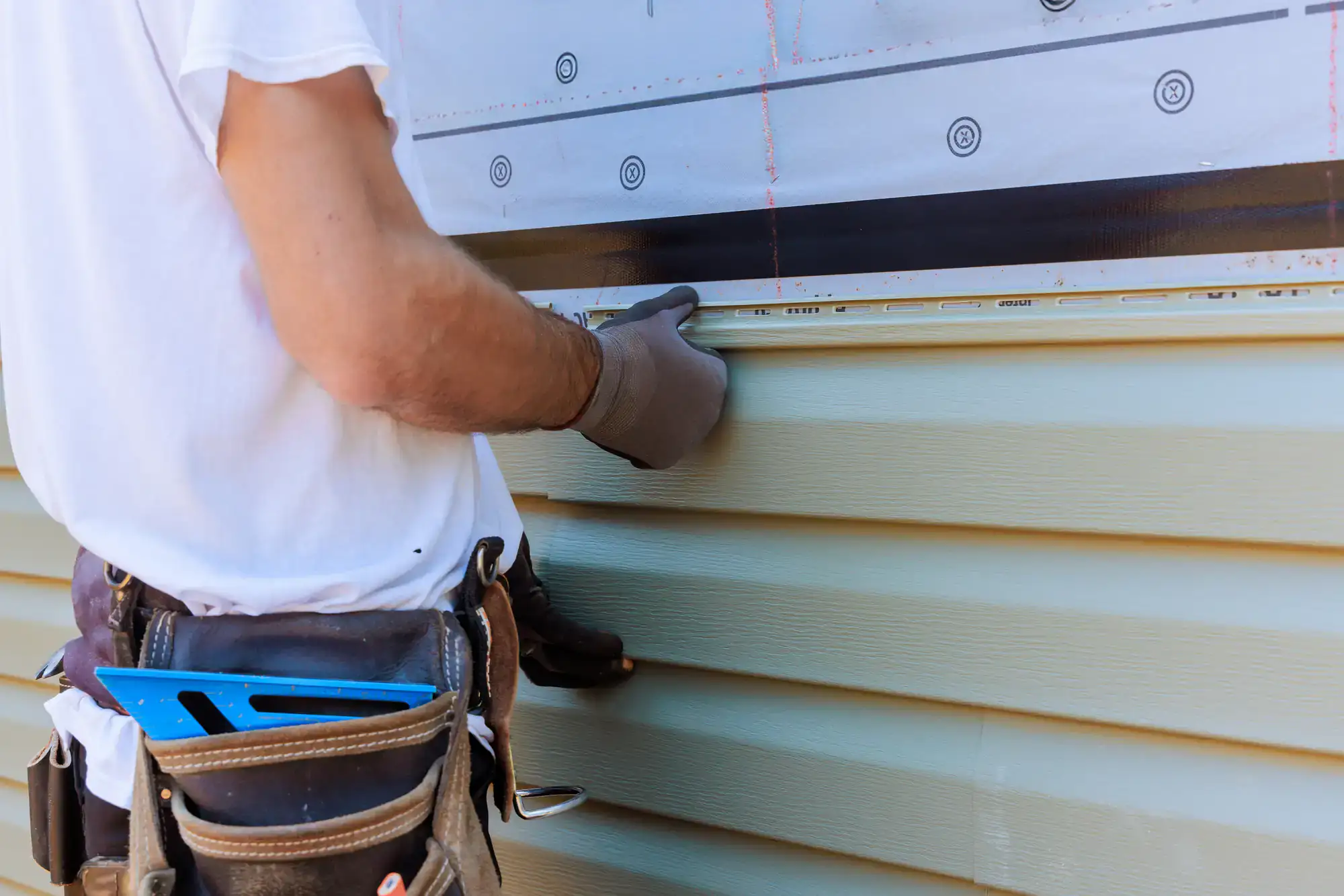
Once you approve the plan, we pull permits and order materials. Installation typically takes one to two weeks depending on your home’s size and complexity. We remove old siding, inspect and repair sheathing as needed, install moisture barriers, and then put up your new exterior. Every seam, every corner, every trim piece gets done to manufacturer specs—because that’s what keeps your warranty valid and your home protected.
When we’re done, we walk the property with you to make sure you’re satisfied. Then we clean up, haul away debris, and leave you with warranty documentation.
Ready to get started?
You’re getting more than new siding. You’re getting a full exterior upgrade that addresses the underlying issues most homeowners don’t even know they have.
We start by removing your old siding and inspecting what’s underneath. If we find rotted sheathing, compromised framing, or moisture intrusion, we fix it before moving forward. Then we install house wrap and moisture barriers designed for Long Island’s humidity and salt air. This step matters more than most contractors admit—it’s what prevents mold and structural damage down the road.
Material selection matters in Great River. Homes here face salt-laden air, wind-driven rain, and temperature swings that warp inferior products. We install James Hardie fiber cement, which resists rot and holds paint longer than wood. We also work with insulated vinyl that includes foam backing to reduce energy loss. Both options come with warranties that actually mean something—decades of coverage on materials and labor.
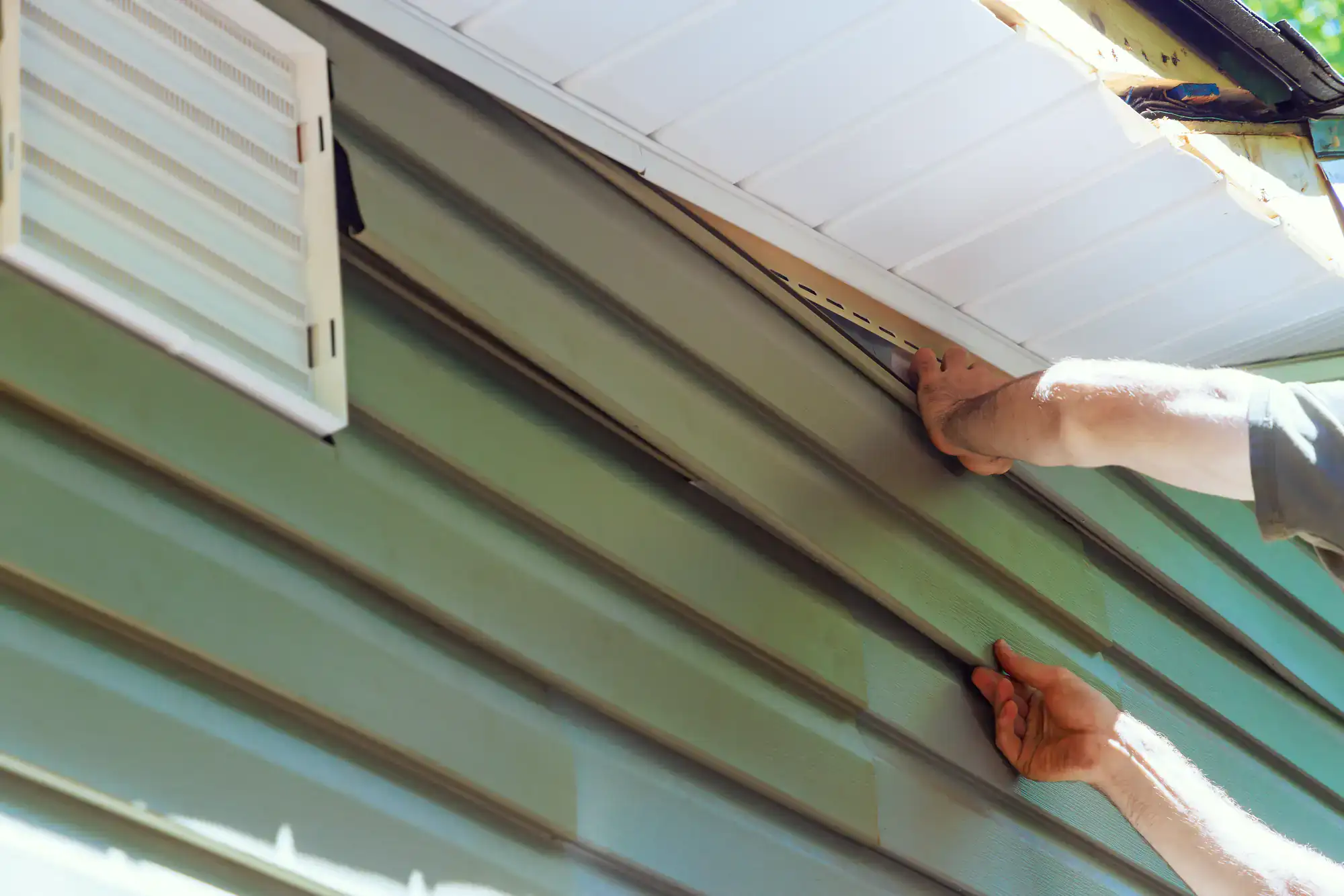
You’ll also get proper flashing around windows and doors, sealed corners, and ventilation that prevents moisture buildup in your walls. Great River’s median home value is over $1.1 million. Your siding installation should reflect that level of investment.
For a typical 2,000-square-foot home in Great River, you’re looking at $12,000 to $17,000 for a full siding replacement. That’s higher than the national average, but it reflects Long Island’s labor rates, permit costs, and the quality of materials that hold up in coastal conditions.
Vinyl siding sits on the lower end of that range. Fiber cement and engineered products cost more upfront but require less maintenance and last longer. If your project involves structural repairs—rotted sheathing, water damage, or framing issues—that adds to the total.
Permits in New York typically run $75 to $300 depending on your town’s requirements. Most exterior work in Great River requires permits and inspections, especially if you’re in a historic district. We handle that process so you don’t have to chase down paperwork.
Fiber cement and insulated vinyl both perform well in Suffolk County. Fiber cement resists salt air, doesn’t rot, and holds up against wind-driven rain. James Hardie’s products are specifically engineered for moisture and temperature fluctuations, which is why we install them more than any other brand.
Insulated vinyl offers excellent energy efficiency and requires almost no maintenance. The foam backing reduces thermal bridging, which means your heating and cooling costs drop. It won’t dent, fade, or crack under normal conditions, and it comes with warranties that cover both materials and labor for decades.
Wood siding looks great but demands constant upkeep. You’re repainting or restaining every few years, and even then, you’re dealing with rot and pest damage. Most homeowners in Great River don’t have time for that level of maintenance.
Most residential siding installations take one to two weeks from start to finish. That includes removing old siding, repairing any underlying damage, installing moisture barriers, and putting up your new exterior.
Weather can extend the timeline. We don’t install siding when temperatures drop below 40 degrees, which limits work during winter months. Rain delays are rare but possible. We’ll give you a realistic schedule upfront and keep you updated if anything changes.
Larger homes or projects that involve significant structural repairs take longer. If we find rotted framing or extensive water damage, we fix it before moving forward. Rushing through those repairs just creates problems later, and no one wants that.
Yes. Most towns in New York require permits for exterior work, and Great River is no exception. Permit costs typically range from $75 to $300 depending on the scope of your project.
If your home is in a historic district, you’ll need additional approvals. The permit process ensures your installation meets local building codes and passes inspection. We handle all of that—pulling permits, scheduling inspections, and making sure everything is documented correctly.
Skipping permits might seem like a shortcut, but it creates problems when you sell. Buyers and their inspectors will ask for proof that work was done legally. Missing permits can delay closings or kill deals entirely.
If you’re installing insulated vinyl or adding foam backing, yes. Insulated siding reduces thermal bridging, which is where heat escapes through the studs in your walls. That makes your HVAC system work less in both summer and winter.
Homes in Great River deal with humid summers and cold winters. Gaps in old siding let conditioned air escape, which drives up your utility bills. New siding with proper moisture barriers and insulation cuts that loss significantly. Most homeowners notice the difference within the first few months.
Fiber cement doesn’t offer the same insulation value as foam-backed vinyl, but it still improves energy efficiency by sealing gaps and preventing drafts. Either way, you’re making your home more comfortable and less expensive to heat and cool.
Peeling paint, bubbling, or visible cracks are the obvious signs. But the real problems are often hidden. If you’re seeing mold or mildew streaks on your exterior, that means moisture is getting trapped. If your energy bills have climbed without explanation, your siding might be letting air escape.
Check inside your home too. Water stains on interior walls, especially near windows or corners, usually mean your siding isn’t doing its job. Rot is another red flag—if you can push a screwdriver into your siding and it goes in easily, you’ve got structural damage that needs immediate attention.
Great River’s coastal climate accelerates wear. Salt air, humidity, and storms degrade even quality materials over time. If your siding is more than 20 years old and showing any of these signs, replacement is the smarter move than patching and hoping.
Other Services we provide in Great River