
Hear from Our Customers
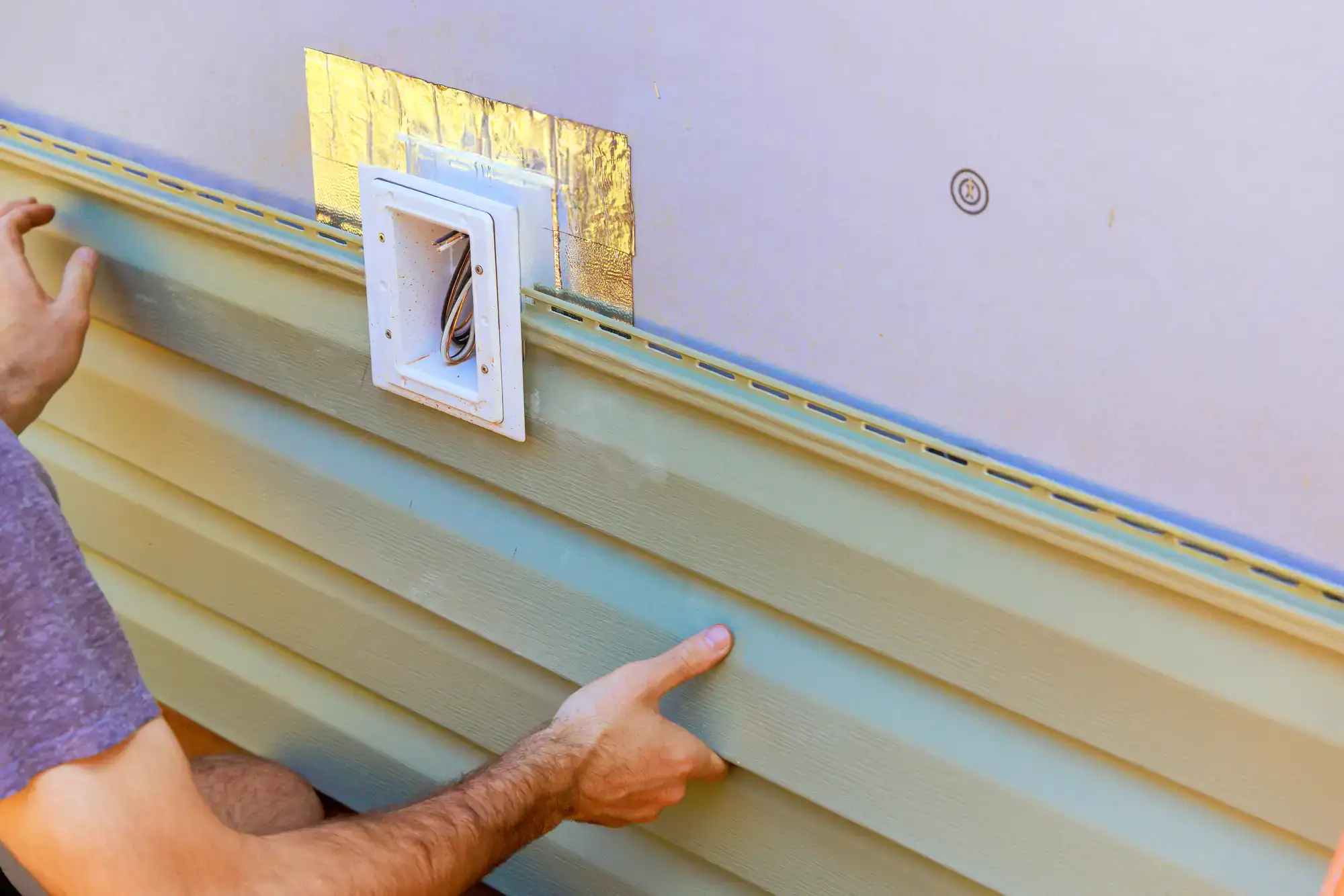
You stop worrying every time a nor’easter rolls through. The right siding installation in Hampton Bays, NY means your home can handle wind speeds up to 110 mph without panels ripping off or water finding its way inside.
Your energy bills drop because modern siding actually insulates. You’re not paying to heat or cool the neighborhood anymore. And when it’s time to sell, buyers notice quality exterior work immediately—it’s one of the first things they see and one of the few upgrades that actually moves the needle on resale value.
You also stop dealing with constant maintenance. No more scraping, painting, or replacing rotted boards every few years. Quality materials installed correctly just sit there and do their job, year after year, through whatever weather comes off the Atlantic.
SkyLuxe Construction is a family business that’s been handling exterior renovations across Suffolk County for over three decades. We’re not a national chain that parachutes in for a job and disappears. We’re local, licensed, insured, and we’ve seen what coastal weather does to homes that aren’t protected correctly.
We know Hampton Bays. We know the building codes that changed after Hurricane Sandy. We know which materials hold up in salt air and which ones fail in five years. And we know that when you’re spending this kind of money, you want someone who’ll be around if something goes wrong.
Every project gets personal oversight. We’re not handing your home off to a rotating crew of subcontractors. You get experienced installers who understand that siding isn’t just about making your house look good—it’s about keeping water out and energy costs down.
We start with an inspection of your current siding and the structure underneath. You need to know if there’s existing water damage, insulation issues, or rot that needs addressing before new siding goes up. Skipping this step is how you end up with bigger problems down the road.
Next, we walk you through material options. Vinyl, fiber cement, engineered wood—they all have different costs, maintenance requirements, and performance in coastal conditions. We’ll tell you what we’d put on our own homes and why, but the choice is yours.
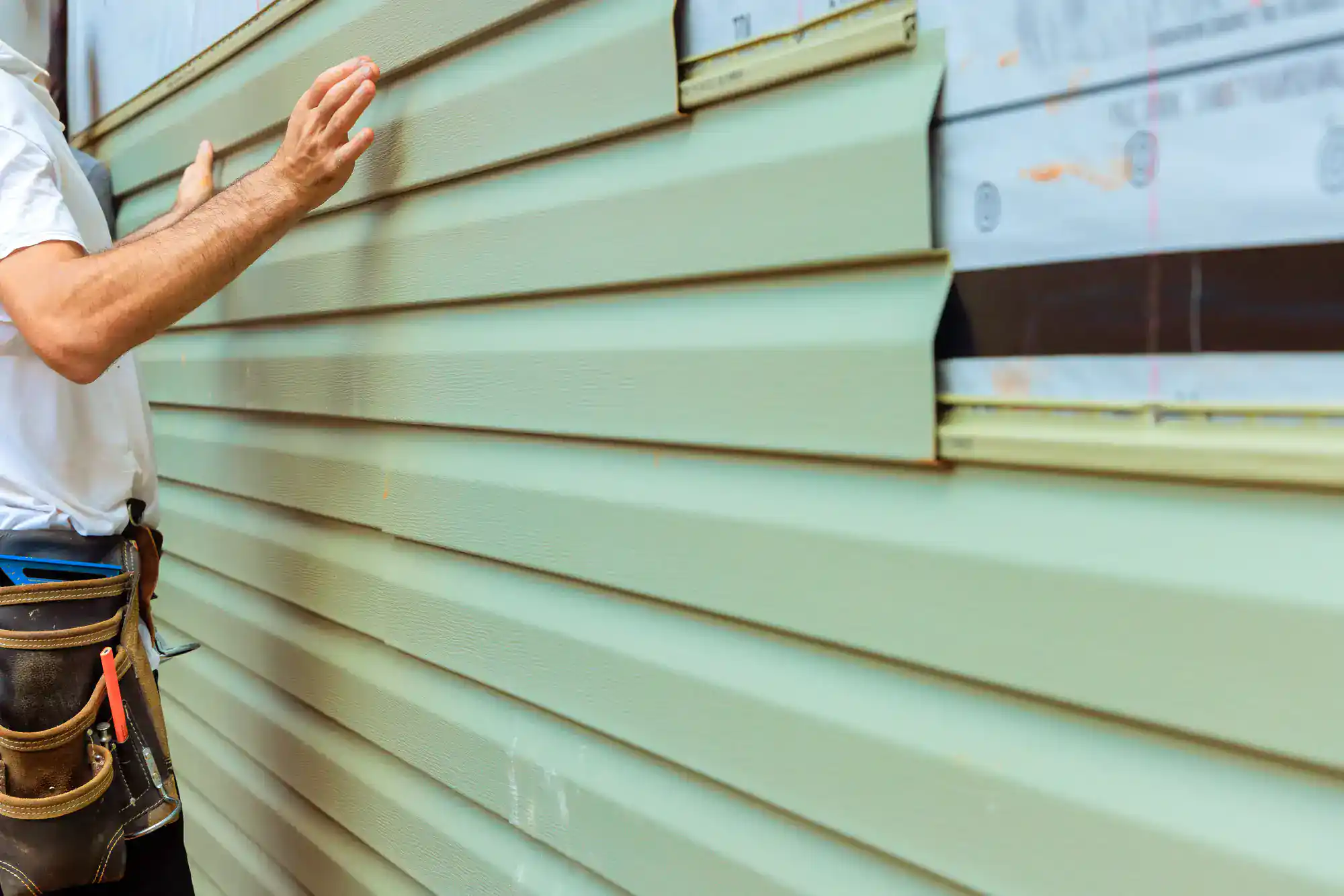
Installation typically takes anywhere from a few days to a week for an average-sized home, depending on the scope. We remove old siding, address any underlying issues, install proper moisture barriers and insulation, then put up your new exterior. The job isn’t done until we’ve cleaned up completely and walked the property with you to make sure everything meets your expectations.
You get a warranty on both materials and labor. Most quality siding comes with a 50-year manufacturer warranty, and our installation work is backed by our reputation and our commitment to making it right if something isn’t.
Ready to get started?
A proper siding installation in Hampton Bays, NY isn’t just slapping panels on your house. You’re getting a complete exterior envelope that protects against wind-driven rain, reduces thermal transfer, and stands up to the kind of weather that comes off the South Shore.
That means proper flashing around windows and doors, moisture barriers behind the siding, insulation that actually improves your home’s energy efficiency, and materials rated for high wind zones. Hampton Bays sits in an area that’s seen its share of hurricanes and coastal storms. Your siding needs to be installed to FEMA standards—110 mph wind resistance minimum—or it’s not going to hold up when you need it most.
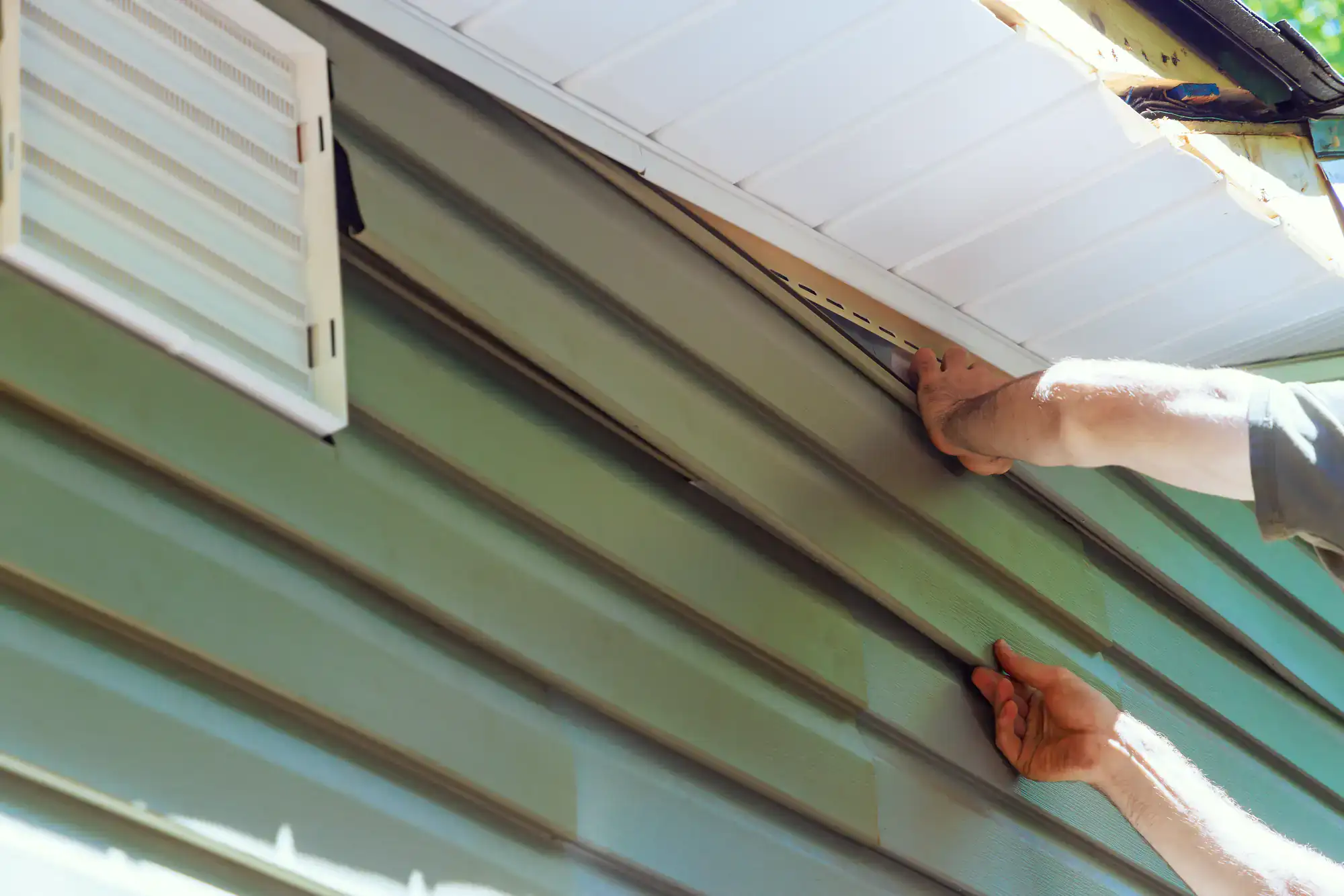
We also handle the details that matter: matching existing trim, coordinating colors, making sure your new siding integrates with your roof, gutters, and other exterior elements. And because this is a coastal area, we pay extra attention to corrosion-resistant fasteners and proper ventilation to prevent moisture buildup that leads to mold and rot.
The investment typically ranges from $5,000 to $40,000 depending on your home’s size, the materials you choose, and the complexity of the job. That’s not a small number, but it’s also not something you’re doing again in five years if it’s done right the first time.
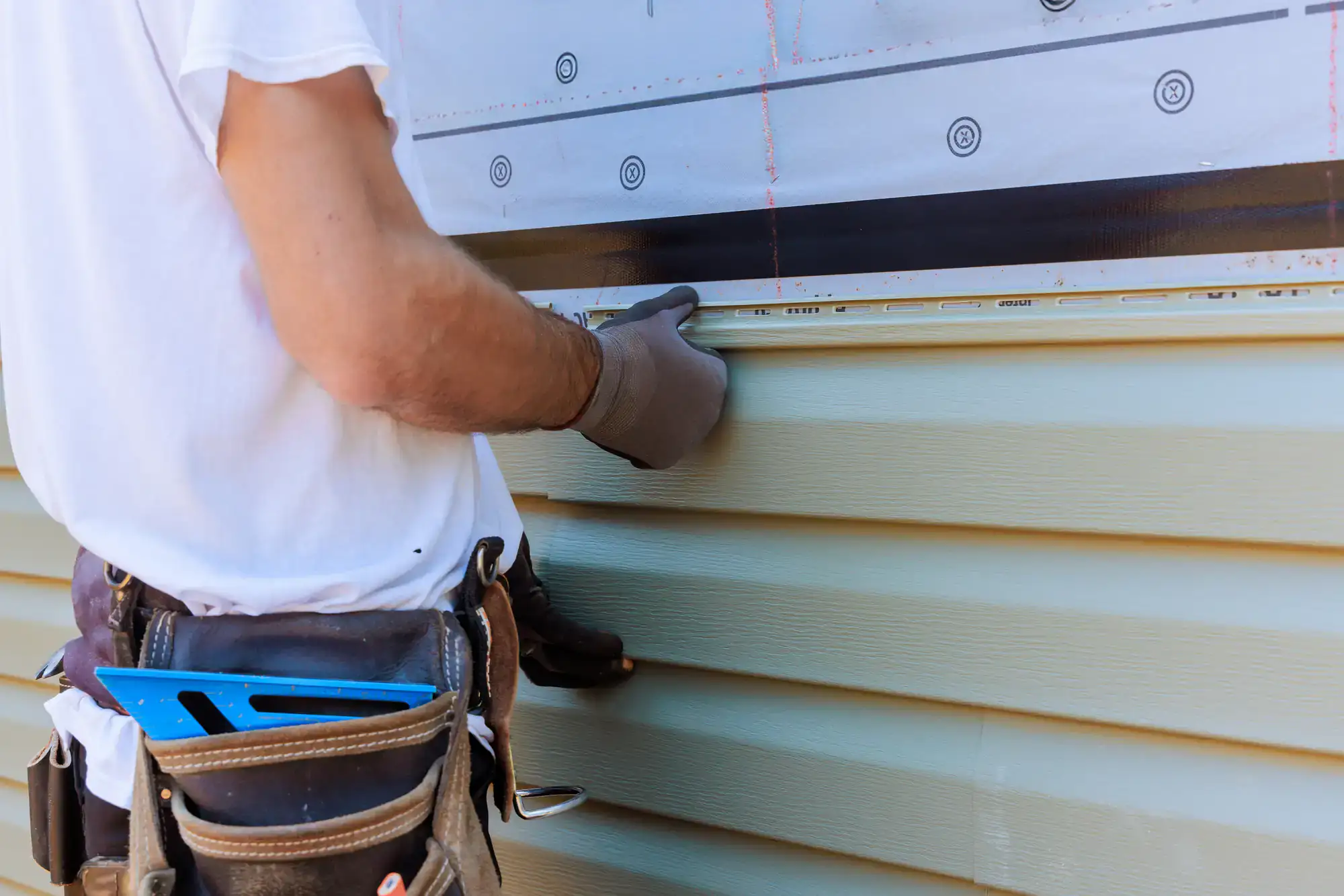
Most residential siding installations take between three days and a week for an average-sized home. The timeline depends on your home’s square footage, the material you’re installing, and whether we’re dealing with underlying damage that needs repair before new siding goes up.
Weather can extend the timeline, especially if we’re working during storm season or in winter when temperatures drop below the manufacturer’s recommended installation range. We don’t rush jobs to hit arbitrary deadlines—you’re better off with a project that takes an extra day or two than one that’s done fast and done wrong.
If you’re on a tight schedule because of an insurance claim deadline or a closing date, let us know upfront. We’ll give you a realistic timeline and do everything we can to accommodate your situation without compromising the quality of the work.
Fiber cement and high-grade vinyl are your best options for Hampton Bays because they handle moisture, salt air, and wind better than most alternatives. Fiber cement is extremely durable and can take a beating from storms without cracking or warping. It’s also fire-resistant and doesn’t attract insects, which matters more than people think in coastal areas.
Vinyl siding has come a long way in the past decade. The premium options are impact-resistant, rated for high winds, and require almost zero maintenance. They won’t rot, they don’t need painting, and they hold up well in the temperature swings you get on Long Island.
Wood siding looks great, but it demands constant maintenance in a coastal environment. Salt air accelerates rot and decay, and you’re looking at repainting or restaining every few years. If you love the look of wood, engineered wood products offer a middle ground—better durability than natural wood, but still more upkeep than vinyl or fiber cement.
Yes, if it’s installed with proper insulation and moisture barriers. Siding itself provides some insulation value, but the real energy savings come from the complete system—insulated siding panels or added foam board insulation behind the siding, proper sealing around windows and doors, and eliminating the air leaks that let conditioned air escape.
Homeowners typically see a noticeable reduction in heating and cooling costs after a quality siding installation, especially if you’re replacing old, damaged, or poorly installed siding that was letting air and moisture through. The exact savings depend on your home’s size, your current insulation levels, and your HVAC system, but it’s not uncommon to see energy costs drop by 15-20% or more.
Hampton Bays gets hot, humid summers and cold winters with wind coming off the water. Your exterior envelope is your first line of defense against those temperature swings. Better siding means your HVAC system doesn’t have to work as hard, which extends its lifespan and keeps more money in your pocket every month.
It depends on what caused the damage. If your siding was damaged by a covered event—like a hurricane, falling tree, or fire—most homeowners insurance policies will cover the replacement cost minus your deductible. But if the damage is from wear and tear, poor maintenance, or gradual deterioration, you’re probably paying out of pocket.
Here’s where it gets tricky for coastal properties: some insurance policies have wind exclusions or separate wind deductibles that are higher than your standard deductible. You need to read your policy carefully and understand what’s actually covered before you file a claim. We’ve worked with plenty of homeowners navigating insurance claims, and we can provide documentation and estimates that help your case.
One thing worth knowing: homes with impact-resistant, wind-rated siding can sometimes qualify for insurance discounts. It’s not automatic, but it’s worth asking your insurance agent about. You’re lowering the risk to the insurance company, and some carriers will reduce your premium by 10-30% if your home meets certain wind-resistance standards.
If the damage is isolated to one section—a few cracked panels from a fallen branch, for example—repair usually makes sense. But if you’re seeing widespread issues like warping, rot, mold growth behind the siding, or multiple areas where panels are loose or damaged, replacement is probably the smarter move.
Here’s what we look for during an inspection: water stains on interior walls, which suggest moisture is getting behind the siding; visible rot or soft spots when you press on the siding; gaps or separation between panels; and fading or brittleness that indicates the material is at the end of its lifespan. If your siding is more than 20-30 years old and showing any of these signs, you’re likely looking at replacement rather than repair.
Patchwork repairs can buy you time, but they don’t solve underlying problems. And if the damage is extensive enough, you’ll end up spending more on repeated repairs than you would have spent on a full replacement. We’ll give you an honest assessment of what makes sense for your situation and your budget—sometimes that’s a repair, sometimes it’s not.
Start with licensing and insurance. Any contractor working on your home should be licensed in New York and carry both liability insurance and workers’ comp. If they don’t, you’re on the hook if someone gets hurt or something gets damaged during the job.
Look for contractors with a track record in your area. Coastal installations have specific requirements that inland contractors might not understand. You want someone who knows local building codes, understands wind load requirements, and has experience dealing with the moisture and salt air issues that come with being near the water.
Ask for references and actually call them. Find out if the contractor showed up on time, stayed on budget, cleaned up after themselves, and handled any issues that came up during the project. Check online reviews, but take them with a grain of salt—focus on patterns, not individual complaints.
Get multiple estimates, but don’t automatically go with the cheapest bid. If one estimate is significantly lower than the others, there’s usually a reason—lower-quality materials, less experienced crew, or corners being cut somewhere. You want fair pricing, not the lowest number someone can throw at you to win the job.
Other Services we provide in Hampton Bays