
Hear from Our Customers
Your energy bills drop. Most Lake Grove homeowners see 10-20% lower heating and cooling costs after upgrading to insulated siding—that’s real money back in your pocket every year.
You stop worrying about storm damage. Modern siding handles wind-driven rain, nor’easters, and that salt-heavy air coming off the coast. No more soft spots around windows or peeling paint inside your house.
Your weekends open up. No more scraping, painting, or patching rotted boards. Vinyl and fiber cement siding need a quick rinse once or twice a year, and that’s it. The rest of your time is yours.
Your home looks sharp again. Fresh siding in deep navy, charcoal, or coastal white changes how your property feels when you pull into the driveway. It also changes how buyers see your home if you ever decide to sell—fiber cement delivers 80-88% ROI, vinyl comes in around 74-80%.
SkyLuxe Construction is a family business built on decades of exterior work across Suffolk County. We’re licensed, insured, and we’ve been installing siding in Lake Grove long enough to know what holds up and what doesn’t.
We’re not a national franchise with rotating crews. When you call, you’re talking to people who’ve worked on hundreds of homes in this area. We understand how coastal humidity affects materials, what Lake Grove’s building codes require, and how to install siding that actually lasts.
You’ll find us on HomeAdvisor with a 4.9 rating and 100% recommendation status. That didn’t happen by accident—it happened because we show up, do the work right, and don’t disappear after the check clears.
We start with an inspection of your current siding. We’re looking for water damage, structural issues, and whether your sheathing needs attention before new siding goes up. If there’s rot or mold, we’ll tell you upfront—not three days into the job.
Next, we walk you through material options. Vinyl is low-cost and low-maintenance. Fiber cement looks like wood but doesn’t rot. Insulated siding costs more but cuts energy bills. We’ll explain what makes sense for your budget and your home’s exposure to weather.
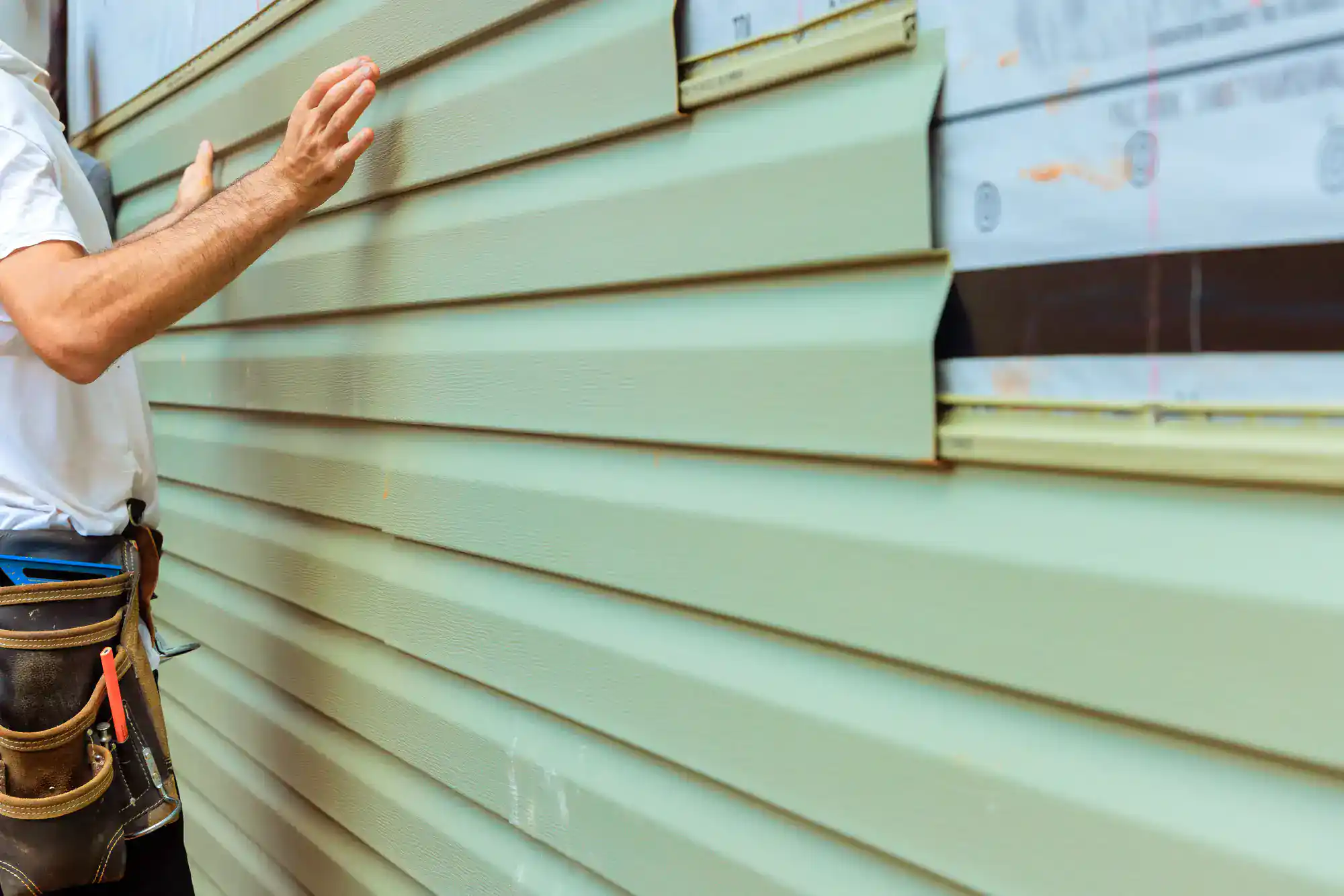
Once you pick a material and color, we pull permits and order everything. Installation typically takes 5-10 days depending on your home’s size. We remove old siding, inspect and repair the underlayment, install moisture barriers, and then put up your new siding with proper flashing around windows and doors.
After installation, we clean up completely and walk the property with you. You’ll also get warranty paperwork—most manufacturers cover materials for 30-50 years, and we back our labor for at least 10.
Ready to get started?
You get a full tear-off of old siding, not a cover-up job. We remove everything down to the sheathing so we can see what’s actually happening with your walls. If there’s damage, we fix it before new siding goes on.
You get proper moisture protection. We install house wrap or weather-resistant barriers, seal every seam, and flash around windows, doors, and trim. This is what keeps water out long-term—not just the siding itself.
You get siding that’s built for Long Island weather. We use materials rated for high winds and coastal exposure. Insulated options come with R-values between 2 and 4, which makes a noticeable difference when you’re running heat in January or AC in August.
Lake Grove homes typically run between $12,000 and $17,000 for a standard 2,000-square-foot siding replacement. That’s higher than the national average, but it reflects local labor rates, stricter code requirements, and the quality of materials that actually hold up here. If your home is larger, has complex architecture, or needs significant repairs underneath, expect costs to go up. We’ll give you a detailed estimate after the inspection—no surprises halfway through the job.
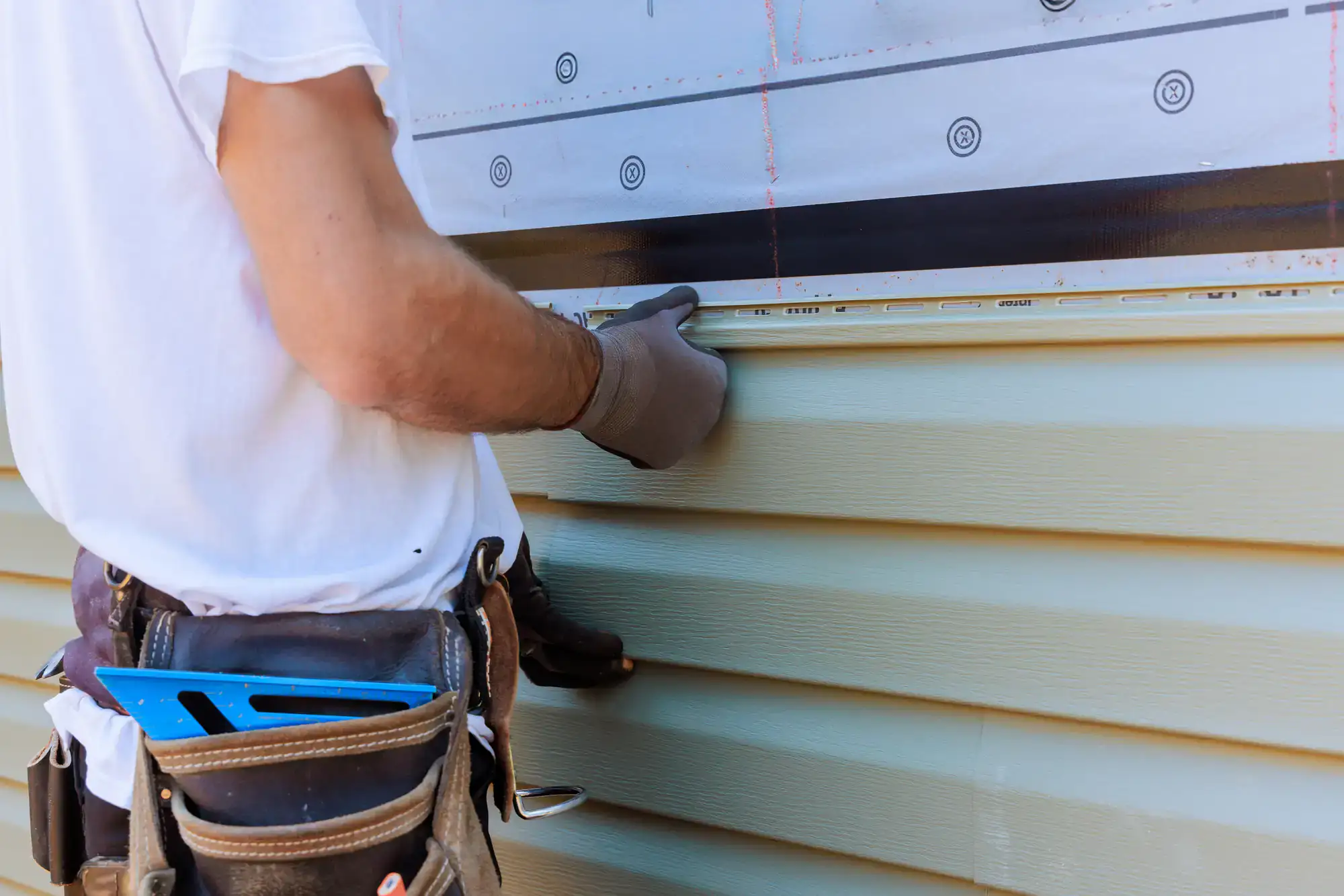
Most residential siding installations take between 5 and 10 days, depending on the size of your home and the condition of what’s underneath. If we find rot or water damage during tear-off, that adds time—but it also means we’re fixing problems that would’ve gotten worse.
Weather can slow things down, especially if we’re dealing with heavy rain or high winds. We don’t rush through moisture barrier installation just to stay on schedule. That’s the layer that protects your home long-term, and it needs to be done right.
If your project involves custom trim, stone accents, or multiple siding types, expect closer to two weeks. We’ll give you a realistic timeline upfront and keep you updated if anything changes.
Vinyl and fiber cement are the two most common choices here, and both handle Long Island weather well. Vinyl is affordable, low-maintenance, and available in a wide range of colors. It doesn’t rot, doesn’t need painting, and holds up fine in coastal humidity.
Fiber cement costs more but looks closer to real wood. It’s heavier, more impact-resistant, and it doesn’t warp or crack as easily as vinyl in extreme heat. If you’re in a neighborhood with higher-end homes, fiber cement usually fits better aesthetically.
Insulated vinyl is a middle option. It costs more than standard vinyl but less than fiber cement, and it improves energy efficiency noticeably. If your heating and cooling bills are high, insulated siding often pays for itself within a few years.
Yes, if your current siding is old or poorly insulated. Most Lake Grove homeowners see energy savings between 10% and 20% annually after upgrading to insulated siding. That’s because modern siding creates a tighter thermal envelope around your home, which means your HVAC system doesn’t have to work as hard.
Insulated siding typically has an R-value between 2 and 4. That’s not as high as wall insulation, but it’s a significant improvement over standard vinyl or old wood siding. The difference shows up most in rooms that face north or get heavy wind exposure.
If your home already has good insulation in the walls, new siding won’t make as dramatic a difference. But if you’re dealing with drafts, uneven temperatures, or high energy bills, siding replacement is one of the most cost-effective upgrades you can make.
For a typical 2,000-square-foot home, expect to pay between $12,000 and $17,000 for full siding replacement. That includes tear-off, moisture barriers, flashing, and installation. Lake Grove costs run higher than the national average because of local labor rates and stricter building codes.
Material choice affects price significantly. Standard vinyl is the most affordable option. Insulated vinyl costs about 20-30% more. Fiber cement is the most expensive but also delivers the highest ROI—usually between 80% and 88% when you sell.
If we find structural damage during tear-off, repair costs get added. Rotted sheathing, mold remediation, or window flashing issues can add $1,000 to $3,000 depending on severity. We’ll catch those problems during the initial inspection whenever possible, so your estimate reflects reality.
Yes. Lake Grove requires permits for siding replacement, and inspections are part of the process. We handle permit applications and coordinate inspections so you don’t have to deal with the town building department.
Permits exist to make sure work meets code—proper moisture barriers, correct fastening, adequate ventilation. Skipping permits might save money upfront, but it creates problems when you sell. Buyers’ inspectors will notice unpermitted work, and you’ll either have to get it retroactively approved or negotiate a lower sale price.
Permit costs are usually a few hundred dollars and are included in our project estimates. Inspection timelines vary depending on the town’s schedule, but we build that into the overall project timeline so it doesn’t delay your installation.
Look for visible damage first—cracks, warping, loose panels, or sections that feel soft when you press on them. If you see gaps between siding and trim, water is probably getting behind it. Check inside too. Peeling paint, water stains, or musty smells near exterior walls mean moisture is coming through.
Fading is normal over time, but heavy uneven fading or chalky residue means the protective surface is breaking down. If you’re repainting or patching siding every few years, replacement is usually more cost-effective than constant maintenance.
Energy bills are another indicator. If your heating or cooling costs have crept up and your HVAC system is fine, poor insulation or air leaks around old siding are likely culprits. We can do a full inspection and tell you whether repair or replacement makes more sense for your situation.
Other Services we provide in Lake Grove