
Hear from Our Customers
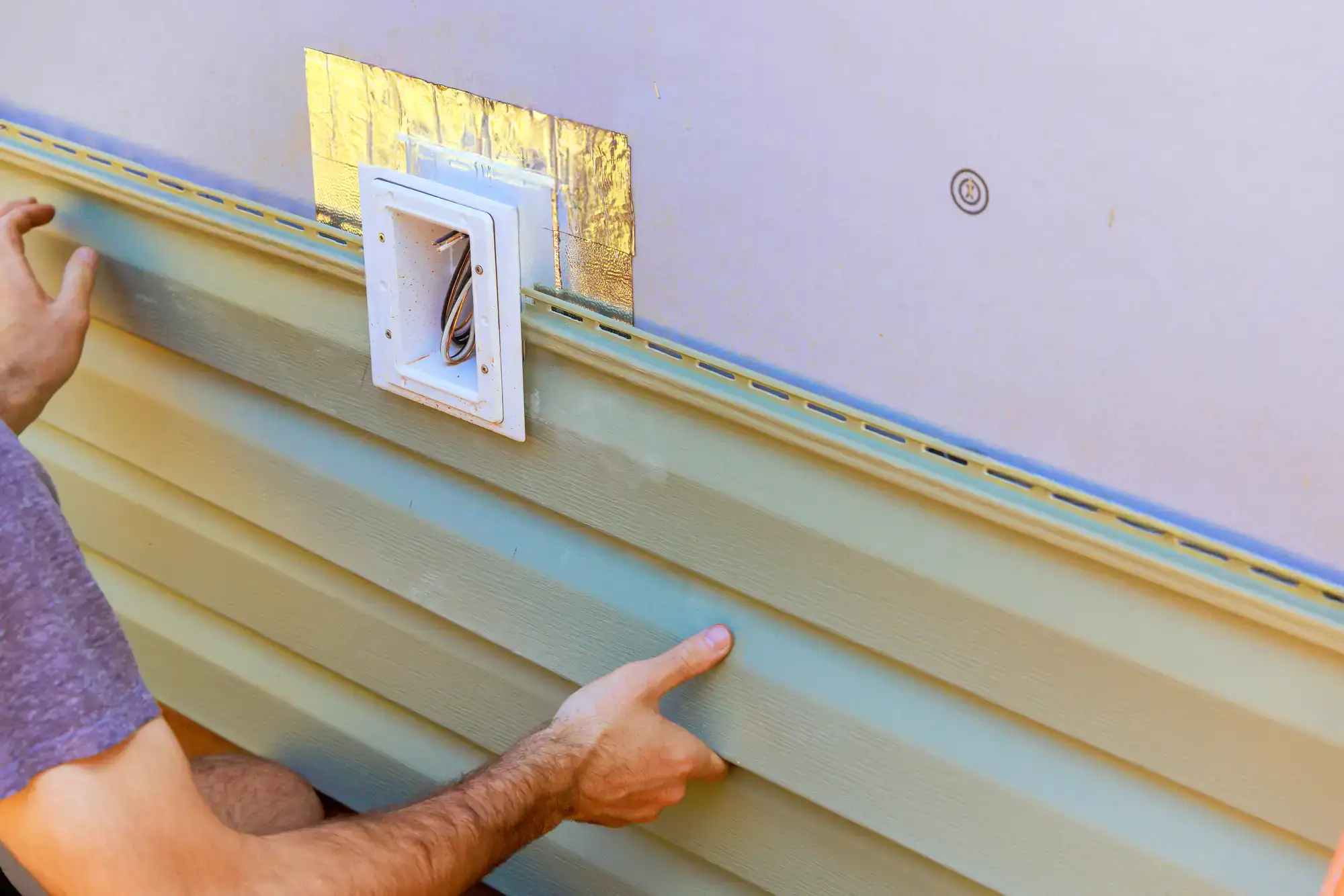
Salt-laden air doesn’t just sit on your siding—it breaks it down from the outside while humidity attacks from behind. You’ve probably noticed the cracking, the fading, the way your home looks older than it actually is.
That’s coastal exposure doing what it does. And once panels start lifting or gaps appear, you’re not just dealing with cosmetic problems anymore. Water gets in. Insulation fails. Energy bills climb. What started as a small crack becomes rot, mold, and thousands in hidden damage.
New siding installation in Napeague, NY stops that cycle. You get materials engineered to handle winds up to 110 mph, salt exposure that would corrode standard products in half the time, and temperature swings from 23°F winters to 81°F summers. Your home stays protected. Your energy costs drop. And you’re done repainting, patching, and worrying every time a storm rolls through.
We’re a family-owned company rooted in decades of exterior renovation experience across Long Island. We’re not new to coastal construction—we’ve seen what works and what fails when salt air and storm systems put siding to the test.
We’re licensed, insured, and based right here in Suffolk County. That means we know Napeague’s climate, building codes, and the specific challenges your home faces being this close to the water. We don’t use the same approach we’d use 20 miles inland, because your home doesn’t face the same conditions.
Every installation we complete is backed by comprehensive warranties and installed by trained crews who’ve done this hundreds of times. You’re not getting a rushed job or a crew learning on your property—you’re getting professionals who understand what it takes to make siding last in this environment.
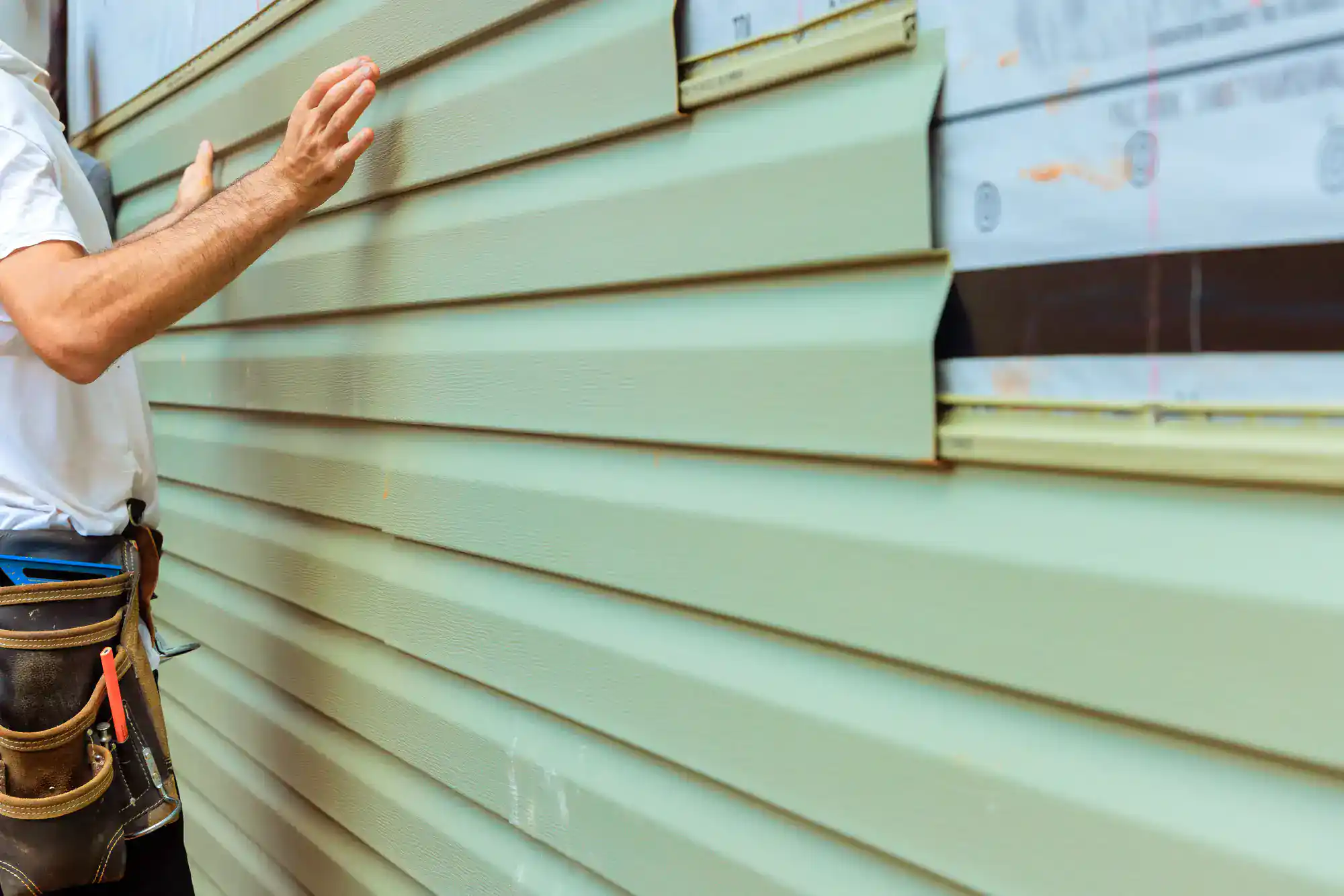
First, we inspect your home’s current condition. We’re looking at what’s failing, where moisture is getting in, and whether there’s hidden damage that needs addressing before new siding goes up. You’ll know exactly what you’re dealing with before we start.
Next, we walk you through material options. Vinyl, insulated, fiber cement—each has pros and cons depending on your home’s exposure, your budget, and how long you plan to stay. We’ll tell you what we’d choose if it were our house, and why.
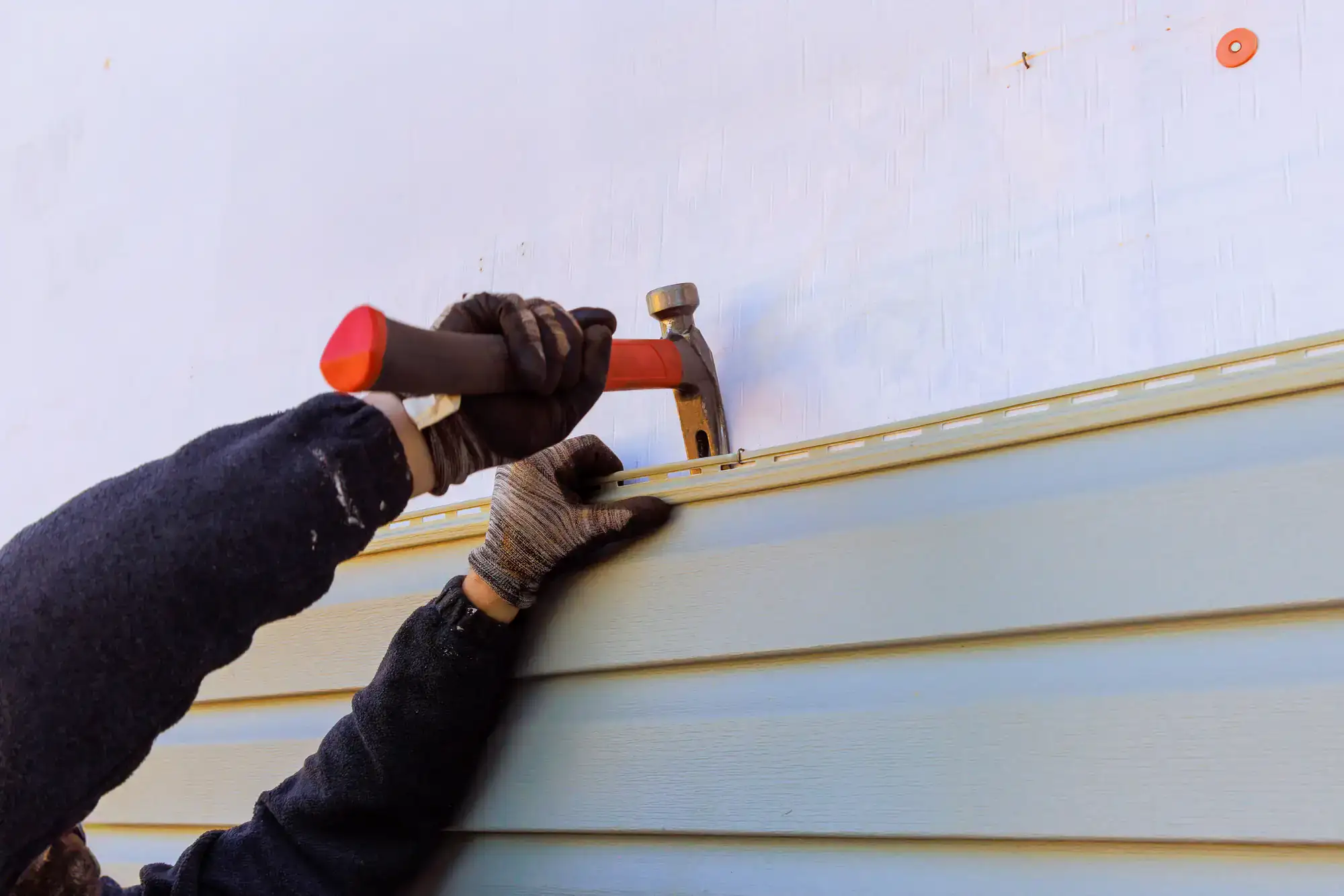
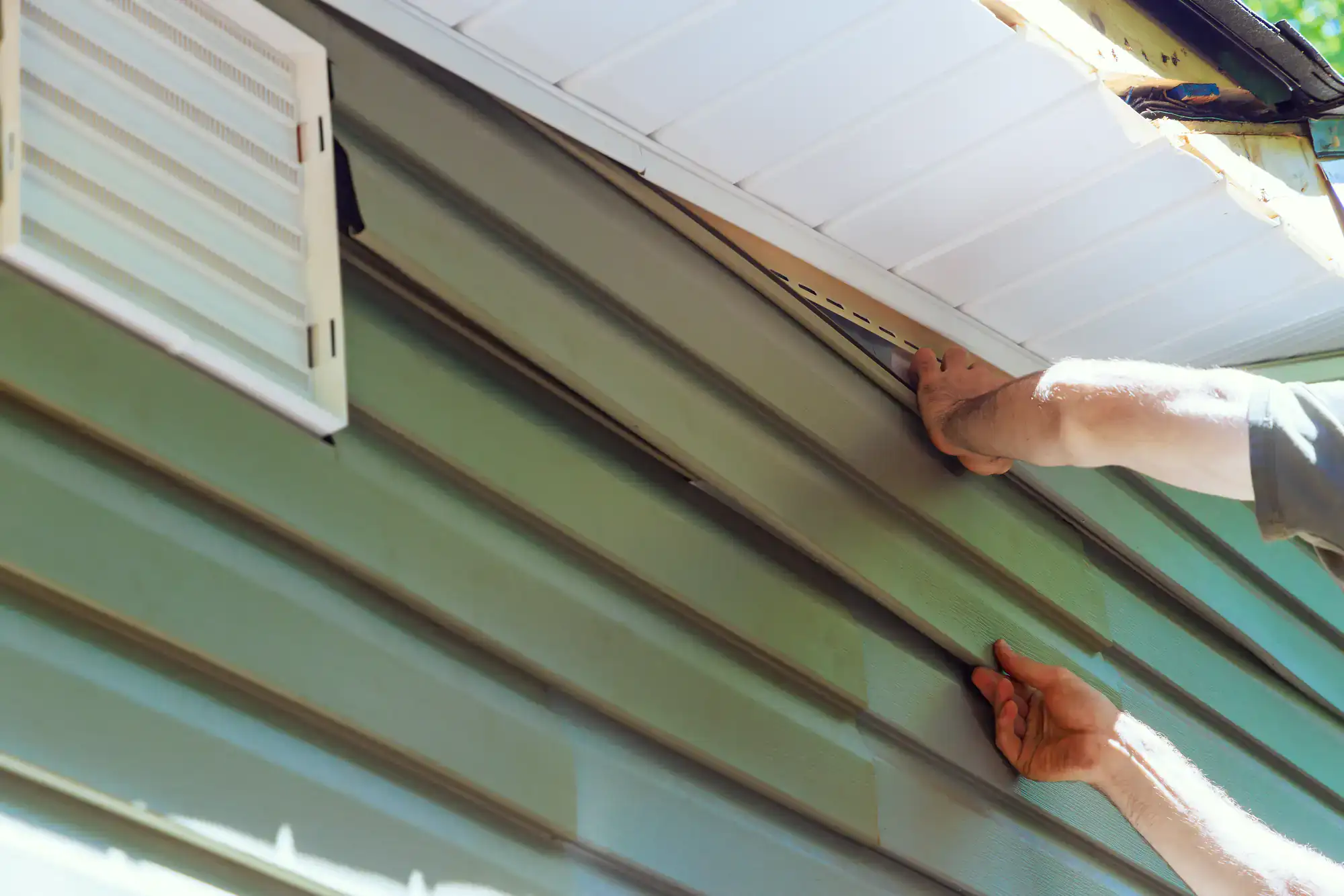
Installation starts with proper prep. Old siding comes off carefully. We address any rot, add moisture barriers where needed, and make sure the surface is ready for a system that’s going to last 30+ years. Then panels go up with precision—no gaps, no shortcuts, no hoping it holds. Every seam is sealed. Every nail is placed correctly. Every corner is finished to keep water out and insulation in.
When we’re done, you get a walkthrough, warranty documentation, and a home that’s ready for whatever Suffolk County weather throws at it next.
Ready to get started?
You’re not just getting new panels slapped on the side of your house. Professional siding installation in Napeague, NY means engineered protection for a coastal environment where 25% of properties face severe flooding risk and 58% deal with severe wind events.
Your installation includes moisture barriers that stop water infiltration before it reaches your walls. Insulated systems that can cut cooling costs by up to 25%. Materials rated for hurricane-force winds that won’t blow off when sustained gusts get underneath. And proper ventilation that prevents the humidity buildup that leads to mold and rot behind your siding.
Suffolk County sees 25 to 40 inches of snow annually, freeze-thaw cycles that expand and contract materials hundreds of times per year, and salt exposure that accelerates aging faster than almost anywhere else in New York. Standard installation fails here. You need siding contractors in Napeague, NY who account for those conditions from day one—proper flashing, correct fastening, sealed seams, and materials that won’t crack when temperatures drop or warp when they climb.
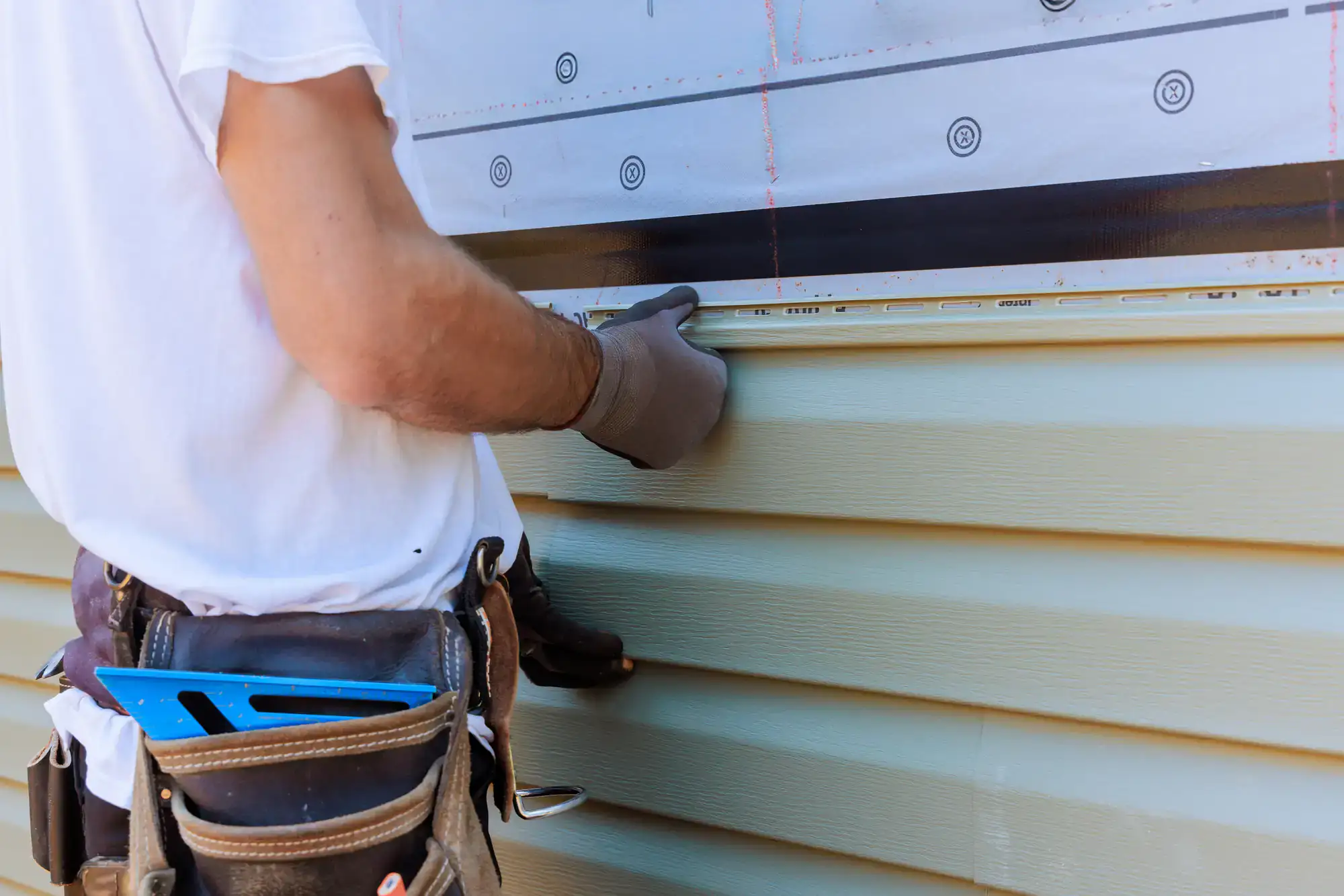
Most residential siding installation in Napeague, NY takes between five and ten days depending on your home’s size, the amount of prep work needed, and weather conditions. If we’re just replacing siding on a standard single-family home with no major rot or structural issues, you’re looking at the shorter end of that range.
But if we find moisture damage, failing insulation, or structural problems once the old siding comes off, that adds time. We’re not going to cover up problems and hope they don’t get worse—that’s how you end up with major repairs three years down the road. We fix what needs fixing, then install siding that’s going to last.
Weather plays a role too. We can’t install in heavy rain or when temperatures drop too low for materials to seal properly. Coastal weather in Napeague can be unpredictable, so we build some flexibility into the schedule. You’ll know the timeline upfront, and we’ll keep you updated if anything changes.
Insulated vinyl and fiber cement both perform well in Napeague’s coastal environment, but for different reasons. Insulated vinyl handles salt exposure without corroding, won’t crack in freeze-thaw cycles, and adds an extra layer of energy efficiency that cuts cooling costs. It’s lower maintenance and holds up to high winds when installed correctly.
Fiber cement is more impact-resistant and handles moisture extremely well, which matters when you’re dealing with salt-laden air and driving rain from nor’easters. It’s heavier, costs more, and requires repainting eventually, but it’s nearly indestructible in storm conditions.
What we don’t recommend is standard vinyl without insulation backing or wood-based products. Standard vinyl gets brittle in cold weather and doesn’t have the structural support to handle sustained winds. Wood looks great initially but requires constant maintenance in coastal climates and will rot if moisture gets behind it. The best choice depends on your home’s exposure, your budget, and how hands-off you want maintenance to be. We’ll walk you through what makes sense for your specific situation.
Yes, but how much depends on what you’re replacing and what system you’re installing. If your current siding has gaps, failing insulation, or moisture infiltration, you’re losing conditioned air constantly. Your HVAC system is working harder to keep up, and you’re paying for it every month.
Modern insulated siding systems add a continuous layer of foam backing that stops thermal transfer and air leakage. Homeowners typically see cooling cost reductions of 15% to 25% after installation, with the higher end coming from homes that had significant air leakage before. Over 20 to 25 years, those savings offset a significant portion of installation costs.
Suffolk County’s temperature swings—from winter lows in the 20s to summer highs in the 80s—mean your home is constantly fighting to maintain temperature. Better insulation means less work for your heating and cooling systems, more consistent indoor temps, and lower monthly utility bills. It’s not magic, it’s just physics. Stop the air leaks, add insulation, and your systems don’t have to run as hard.
You’re looking for visible warning signs first—cracking, warping, loose panels, or areas where the siding looks faded or discolored compared to the rest of the house. Those are surface indicators that something’s failing. But hidden damage happens behind the siding where you can’t see it.
Check your energy bills. If they’ve been climbing without explanation, that’s often air leakage or failing insulation. Walk around your home after a heavy rain and look for water stains on interior walls, especially near windows and corners. That’s moisture getting past your siding. Feel your walls on a cold day—if some areas feel noticeably colder than others, insulation is compromised or missing.
The only way to know for sure is to have us inspect it properly. We pull back sections, check for rot, look at moisture barriers, and assess whether the structure behind your siding is still sound. Most homeowners are surprised by what we find—rot around windows, failed house wrap, insulation that’s completely saturated. It’s not always catastrophic, but it’s information you need before deciding whether to repair or replace.
Yes. Napeague is part of the Town of East Hampton in Suffolk County, and any exterior work that involves structural changes or removal of existing siding requires permits and inspections. This isn’t optional red tape—it’s how the town ensures work meets building codes designed to protect homes in coastal environments.
We handle the permit process as part of installation. That includes submitting plans, scheduling inspections, and making sure everything passes before we consider the job complete. You don’t have to deal with town offices or figure out what paperwork is needed—that’s on us.
Some homeowners try to skip permits to save money or time. That’s a mistake. If you ever sell your home, unpermitted work shows up in inspections and can kill deals or force you to rip out the work and start over. Insurance companies can deny claims if they find out major exterior work wasn’t permitted. And if something fails because it wasn’t installed to code, you’re liable. It’s not worth the risk. Do it right the first time, get the permits, pass the inspections, and you’re protected.
Most residential siding installation in Napeague, NY runs between $8,000 and $25,000 depending on your home’s size, the material you choose, and how much prep work is needed. A standard 1,500 square foot home with minimal repairs typically falls in the $12,000 to $16,000 range for quality insulated vinyl.
Fiber cement costs more—usually 30% to 50% higher than vinyl—because the material is more expensive and installation takes longer. If we find rot, structural damage, or failing insulation when we remove your old siding, that adds to the cost because it has to be fixed before new siding goes up.
Coastal homes in Napeague often need more prep work than homes inland. Salt air accelerates deterioration, so we frequently find issues that weren’t visible from the outside. We’ll give you a detailed estimate after inspecting your home, and we’ll explain exactly what you’re paying for. No surprises, no hidden fees, no vague line items. You’ll know what the job costs and why before we start.
Other Services we provide in Napeague